Archive for category Porsche
Porsche Club Isle of Man
 Porsche Club Manx Tour May 2011
An early start meant we were in good time for the fast craft to the Isle of Man in spite of going under the Mersey Tunnel by mistake, due to moment of navigational inexactitude by Allison.
One Porsche grounded a bit going on to the ferry, which unsurprisingly was full of bikers. We arrived at Douglas and had a look a the very impressive Manx Museum with eye catching displays of the history of the island. Also a comfortable tea room with bonnag the local, very tasty, fruit cake.
On to our hotel via the navigational aid of the Isle of Man Home of Rest for Old Horses. The hotel was a country club and 30 + Porsches in the car park looked and sounded good. The after dinner speech was from a local policeman about speeding as the locals are good at grassing people up. Once someone phoned up the police and said someone dressed like the Stig was racing around, only to be told that it was the Stig!!
6.30 the next day dawned wet and cold so we went off  following a local club member to the TT pit lanes, only to be castigated by the organiser for not waiting for him – well he didn’t mention it at the briefing the night before. Then a drive round the course, which was open to traffic, so lots of speed limits in villages. Up on the mountain it was so misty we needed rear fogs and could only see a couple of white line markers in front of us. On bends, bales of straw and tyres were stacked up against garden walls and seemed to be permanent. Not a very fast run though those who did it later in the day fared better. During the TT races the roads are closed and people can’t get out of their driveways when the races are on
Then to Castletown the ancient capital and round Castle Rushen using a guide book dated 1927, well castles don’t change much. As usual with car club events Porsches kept popping up in all directions. 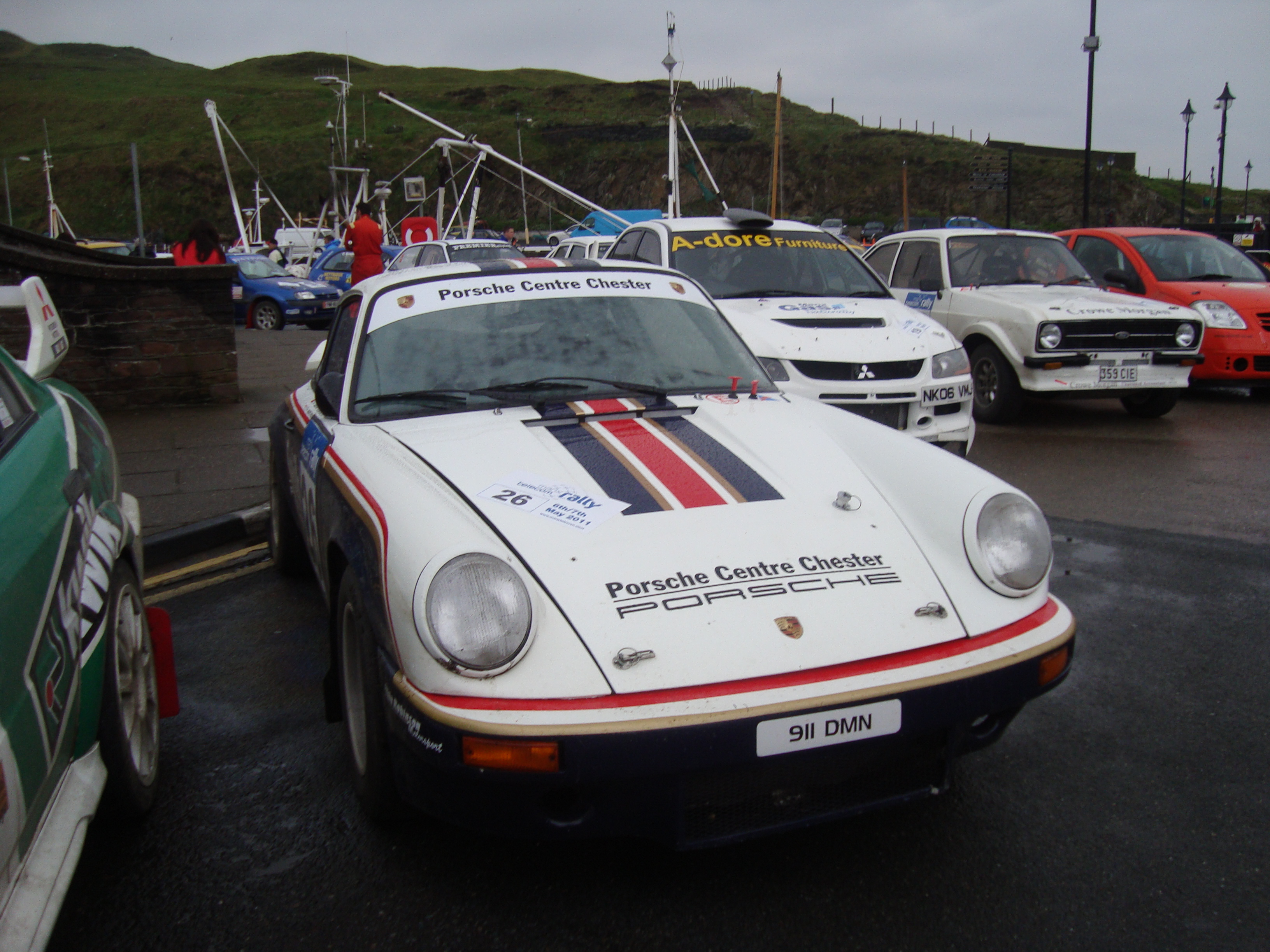 There was a competitive rally taking place that weekend so if it wasn’t a Porsche round the next bend it was a rally car. The National Folk Museum at Cregneash was next and just as we finished tea and cake outside the mist descended and we could not see the cottage opposite us.
At Peel the mist and rain cleared for a walk round the outside of the castle and town. Perhaps we have become used to finding interesting restaurants and gastro pubs eveywhere but we did not find many in Mann but eventually found a pub on the harbour with spectacular fish. Then the rain started to tip down and everyone raced inside. The downpour turned in to the monsoon and even the drain covers were lifting up – not a fast drive back.
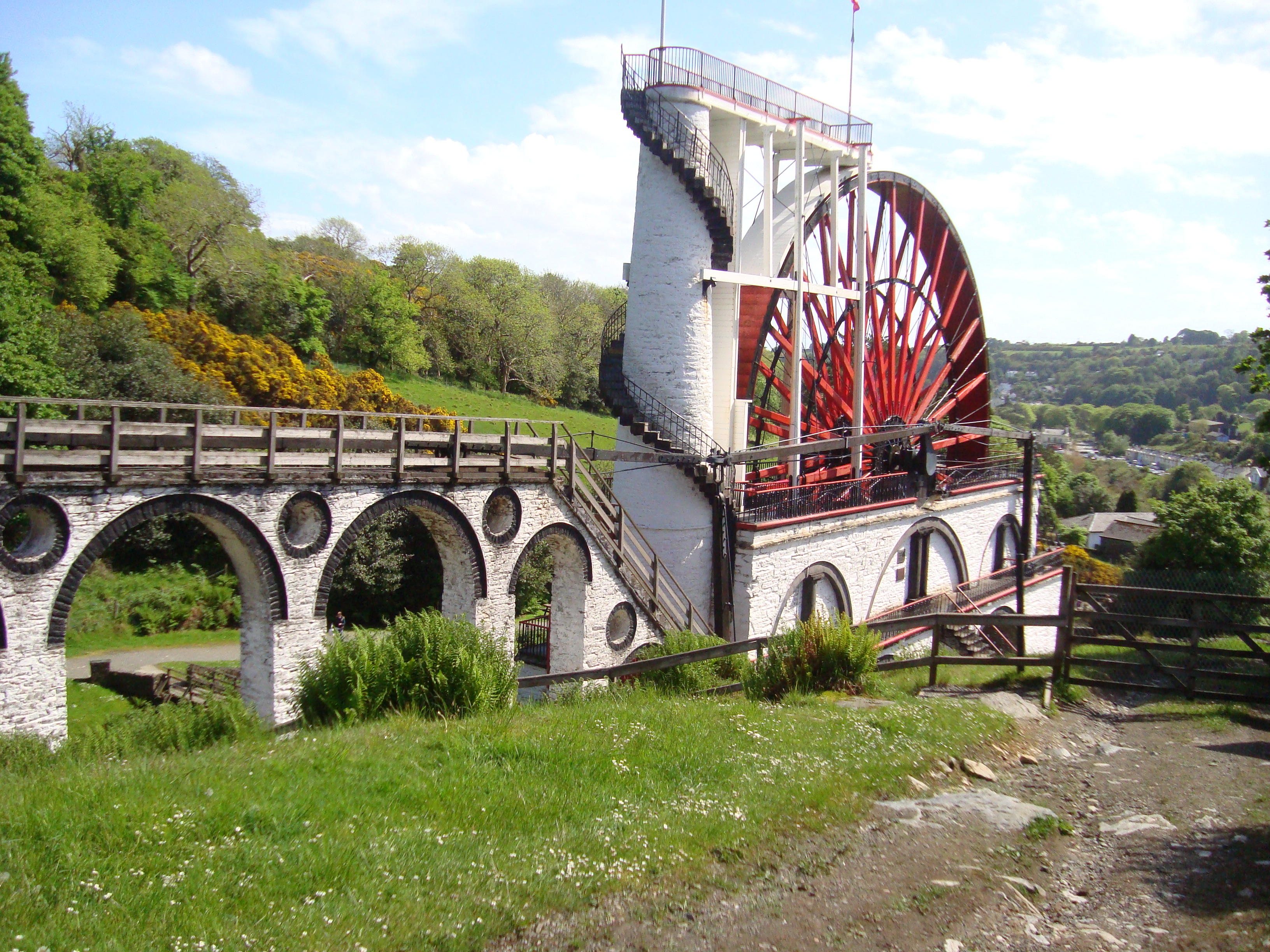 Early the next morning another drive round the circuit but with less mist and then on to Laxey Wheel which is the largest working water wheel in the world and was built in 1854 to pump water from the lead and zinc mines. You get quite wet climbing to the top of it. A drive to Ramsey which has shop fronts from the 1920s with what looked like original window displays.
A group meal at the hotel went down well with our friendly policeman thanking us for our good driving and then telling us about his life in the Mann police force.
A good driving and sightseeing weekend. Try it.
Treasures of Italy
So now it’s the Porsche’s turn! This is easy all tarmac tour to Northern Italy, outbound via the Jaufen Pass and returning via the Stelvio. In between we hope to visit various tourist routes – Black Forest High Road, Prosecco Route, Clock Road, Great Dolomite Road and the Porsche factory. This is the route outline:
Map
We had planned to visit Dinant en-route to the Ardennes and our tea stop in Durbuy but decided to give it a miss – and were later told it was heaving! Durbuy is picture postcard with an old castle and a steep sided, tree clad hill separated from the town by a gentle river – the Ourthe. 

The Ardennes, so peaceful now was not always so and we stopped at one of the roadside memorials to the fallen.

Roadside Memorial

La Roche
Then to the overnight stop in Petange, Luxembourg, where we met the remaining members of the tour group, having met some on the ferry – have to say we were most disappointed with the P&O ferry; looking forward to a cooked breakfast there was just an array of cabinets with pre-packed rolls and paper cups.
The ‘welcome meal’ in Luxembourg by contrast served enormous portions and absolute confusion over which description tallied with which dish so that plates were passed around the table until we all got maybe what we ordered.
The second day should also have been 5 1/2 hours drive but this time we were the last to arrive at the overnight stop at – Schloss Hornberg in the Black Forest. Our first stop was Baden Baden
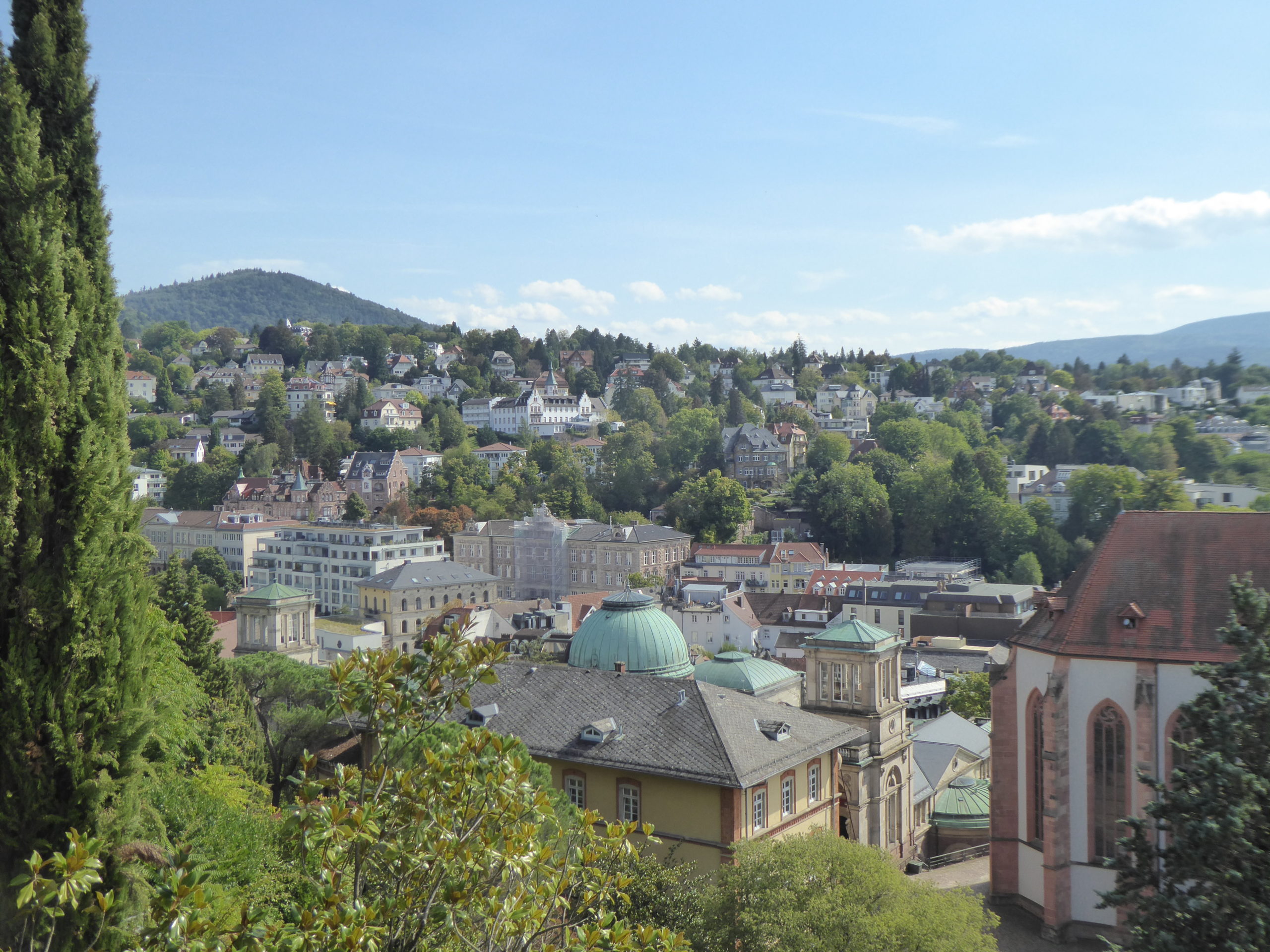
A view over Baden Baden
where we had hoped to buy some Baden wine – and we did as we found the Kurhaus was holding a “taste and buy” event. Then we followed the Black Forest High Road, route 500, to Freudenstadt, a city created in 1599 by Friedrich of Wurtembourg, with a huge central square, each side 220 metres long. Our late tea of cake and wine perhaps clouded my judgement as, when I entered Hornberg into the sat nav, I didn’t realise that the Hornberg it showed was 45kms northeast, whilst I needed to be at the Hornberg 45kms south west….. Result a sharp drive in the gathering gloom along narrow winding roads or frustratingly lorry-occupied main roads to find that the rest of the group were, embarrassingly, waiting for us to arrive to start their meal.
Day 3 was a rest day and the best laid plans were shown to be wanting. I had planned a train journey on the short stretch between Hornberg and St Georgen which was a engineering challenge to drive a line through such hilly terrain – 11 kms as the crow flies translated into 26 kms of track, a height change of 443 metres, 39 tunnels and a maximum gradient of 2%. Sadly the timetable had changed and there were no realistic there and back timetable combinations. So we started on the Deutsche Uhr Strasse – the Clock Road. Our first stop was Schramberg which boasts four museums – we managed two of them. The Car museum has over 130 cars, mostly German with 3 Rolls Royce and two MG’s. There were a number of American cars, mainly with Ohio registrations – the museum owner had owned factories in Ohio and collected a number of cars, mostly restored but as an interesting angle, one was displayed “as found in a barn”

as found in Ohio

3 Rolls in a line

De Lorean on pole

La France fire engine
A 911 was shown as a crushed cube of rusted metal with wheel rims and exhaust the most recognisable parts. A Ferrari, front end impacted was displayed with no engine, smashed windscreen and severely shortened front end. Amazingly the passenger compartment was largely intact.
Allison had been most put out that after two days in Germany, schnitzel had not found its way to our menus – so we found her one at a Vietnamese run Gasthaus across the road from the museum.
The second museum – cars and clocks was housed in an old clock factory, whose size and original range of buildings was extraordinary. This one was 5 storeys and 3,500 sq metres. This had the smaller cars, names largely forgotten, Lloyd, Borgward, Goggomobile, bubble cars and many more (I have forgotten their names!).
Leaving this we tried to follow the Clock Road – but it was next to impossible, the signposting was awful – pointing the way and then nothing at the next junction, whilst carrying on, did just that, on and on. The few clocks we saw were on public buildings so all in all, a waste of time.
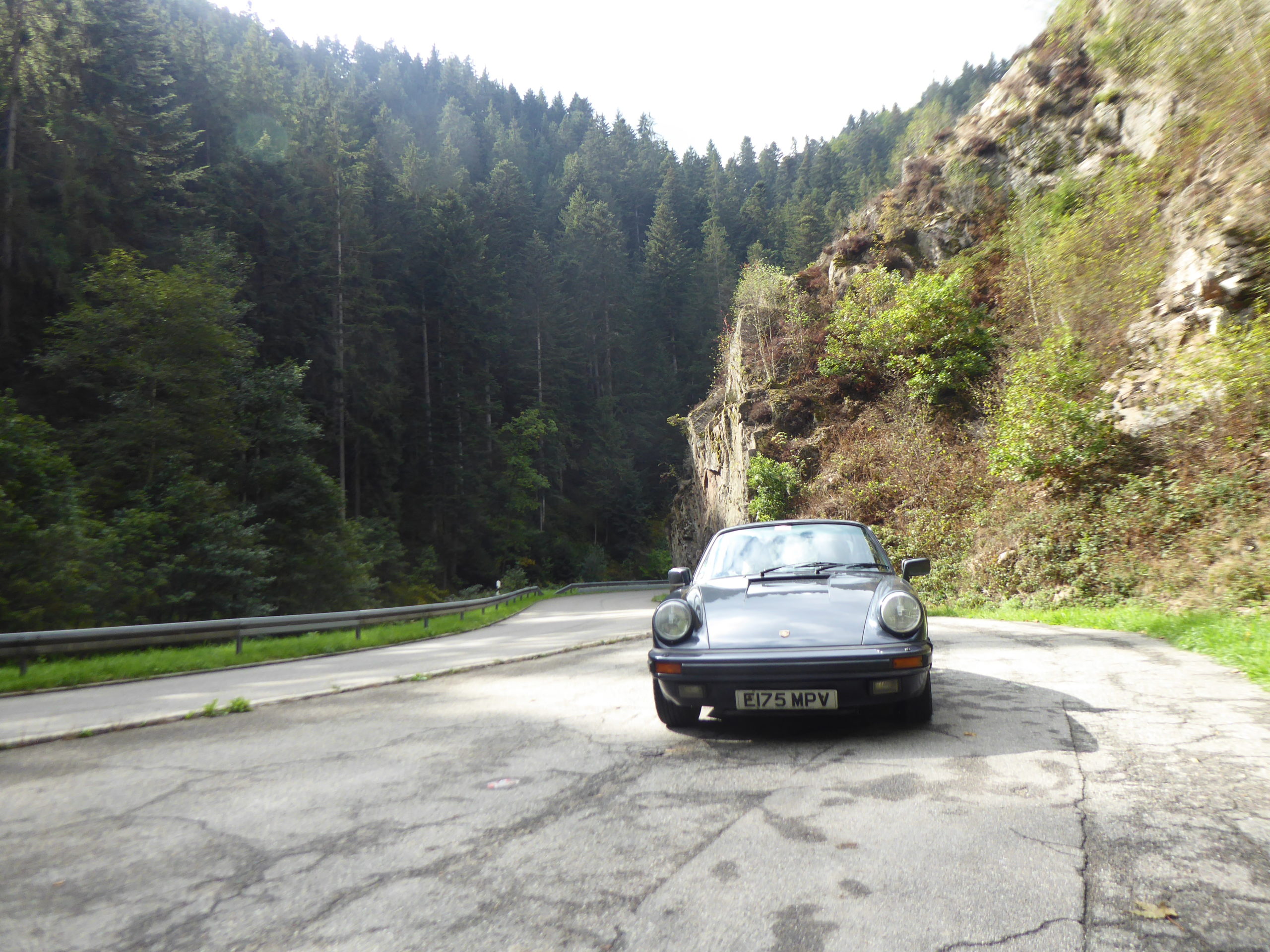
Porsche in the Black Forest
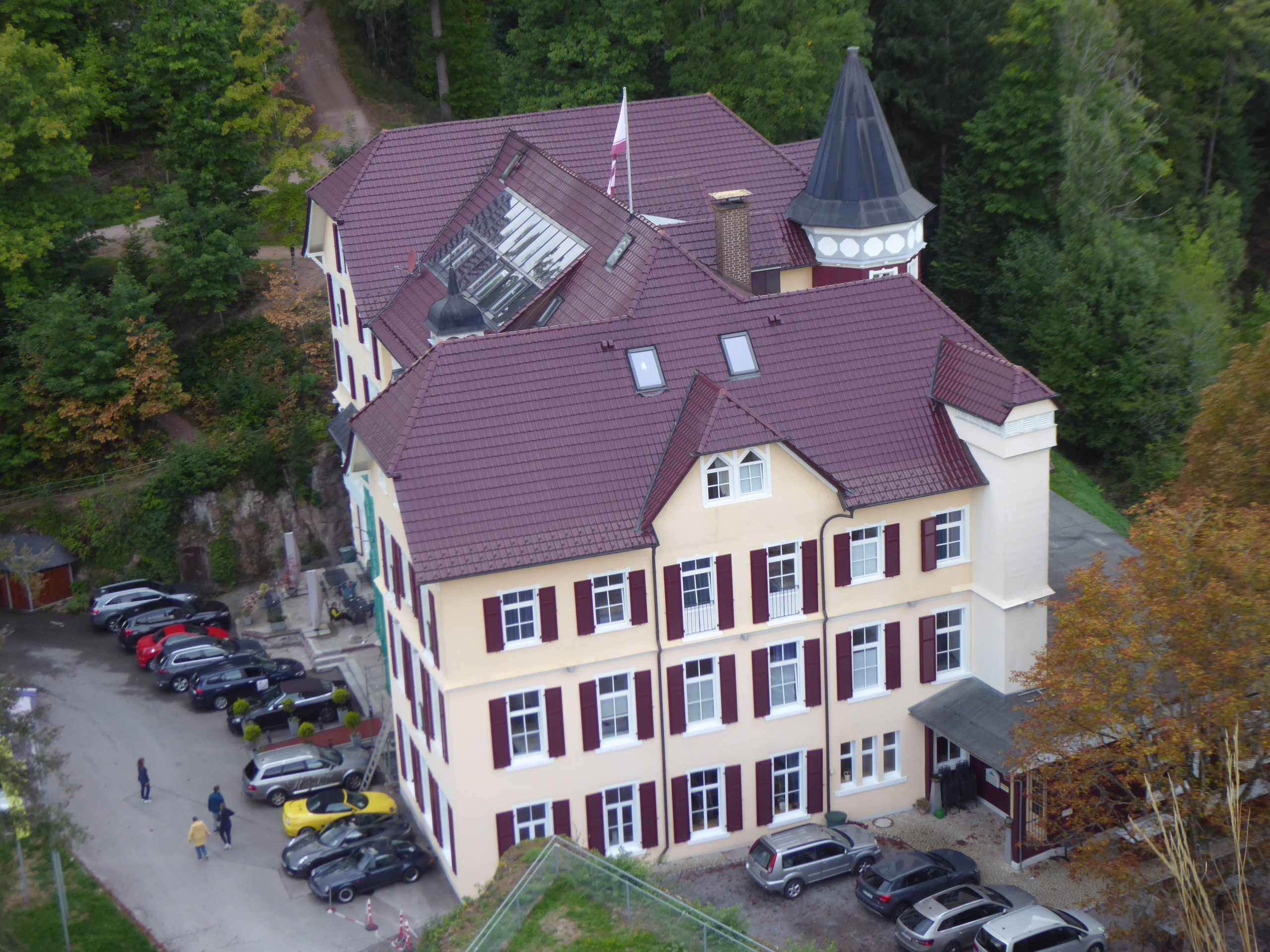
Schloss Hornberg with 3 of the tour cars almost visible

Fairy Castle
Our route on day 4 was south east to Lake Konstanz – but we headed slightly north of east to Burg Hohernzollern, the seat of the rulers of Brandenburg, Prussia and Germany for many centuries. The castle loomed out of the cloud as we approached, its turrets giving it a fairy tale scene. Fortunately we were amongst the early arrivals and our tour of the interior was pretty much to ourselves. In the car park we had been asked if we were members of Porsche Club as 20 or so club cars were expected and had reserved parking. Our reply that we were members but not of that club caused some confusion; having seen them arrive as we were leaving the museum the day before at Schramberg we wonder what our next meeting with then will be. 


Then onwards to Friedrichshafen, home of the Zeppelin airships.
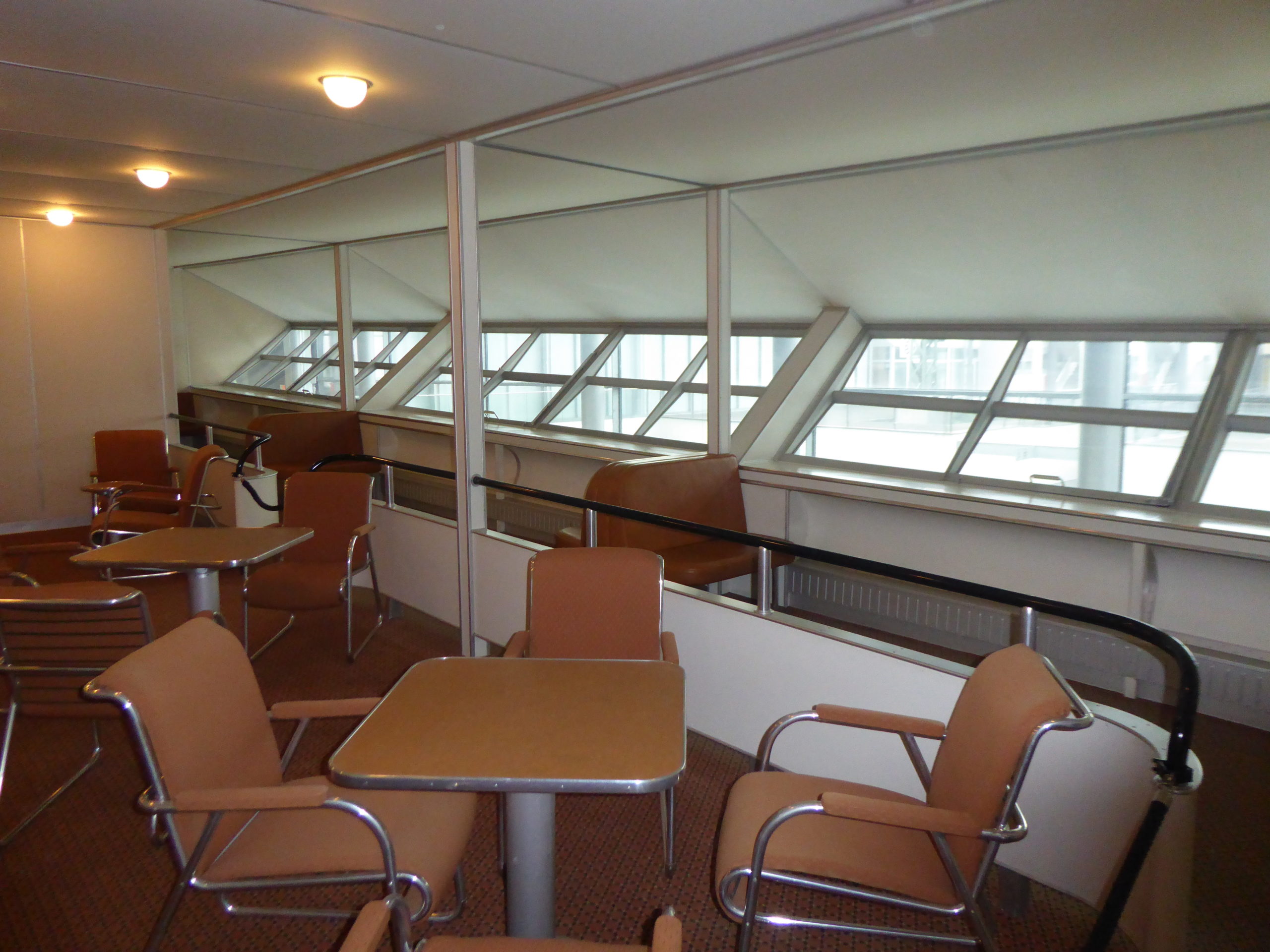
Scale model of the saloon of the Hindenburg
This had become a ‘must see’ on the trip following a talk we attended, during the recent ‘Heritage Open Days’ fortnight, about the Pulham Pigs. The Pigs were the British airships, based at Pulham St Mary in Norfolk from around 1912 until the airship programme was halted following the disaster of R101 in 1930. The Friedrichshafen museum shows the history of the German airship programme until its similar tragedy with the LZ129 Hindenburg in 1937. Then to our overnight stop in Bregenz – where it rained, luckily after our promenade along the lake front. Tomorrow its the Alps – and it might get cold!
Next door to Bregenz (relatively) is Liechtenstein, which we have missed in the past so our first priority was to get to Vaduz for morning coffee. We chose the scenic route so as to avoid Swiss motorways and the vignette. From there we rejoined the route via St Anton towards Bolsano

Vaduz Castle
From St Anton we took the Oetztal route to an empty Obergurgl and past the motorcycle museum to Merano and on to Bolzano

near the snow line
Tuesday started wet and cold with hail which didn’t bode well. Fortunately the sun appeared after a coffee stop in Canazei on the Great Dolomite Road, built in the early years of the 20th century.

Great Dolomite Road in the sunshine
This area had been the front line in WW1 between the Austro-Hungarian Empire and Italy so we planned to visit some of the sites. The Livinallongo museum was closed as was the much older Andraz Casle and the museum at Forte Tre Sassi – but we could see the outside!

Andraz Castle

Forte Tre Sassi
A climb from the fort lead to the reconstructed trenches – constructed from rocks with very limited shelter from either enemy fire or the elements.

WW1 Trenches

Gun emplacement facing Tre Sassi
Our hotel for the next four nights might be described as being the middle of nowhere – except Prosecco country.

Main Staircase CastelBrando
One suggested activity was the Prosecco Route but given our success with following such “routes” that seems unlikely and others in the group, who tried, said it didn’t work and the few wineries they found were closed! Another suggestion was Lake Garda – that we did and it’s a very nice lake, with steep hills dropping into the water and tourist cafes (some already closed for the season) if you can find parking – but its 2 1/2 hours driving each way to get there!

North end of Lake Garda
We drove down the east bank and found a road to the village of Castelletto, nestling in the hills whose main claim to fame seemed to be the old mule tracks which lead higher than we wanted to explore.

Mule Track
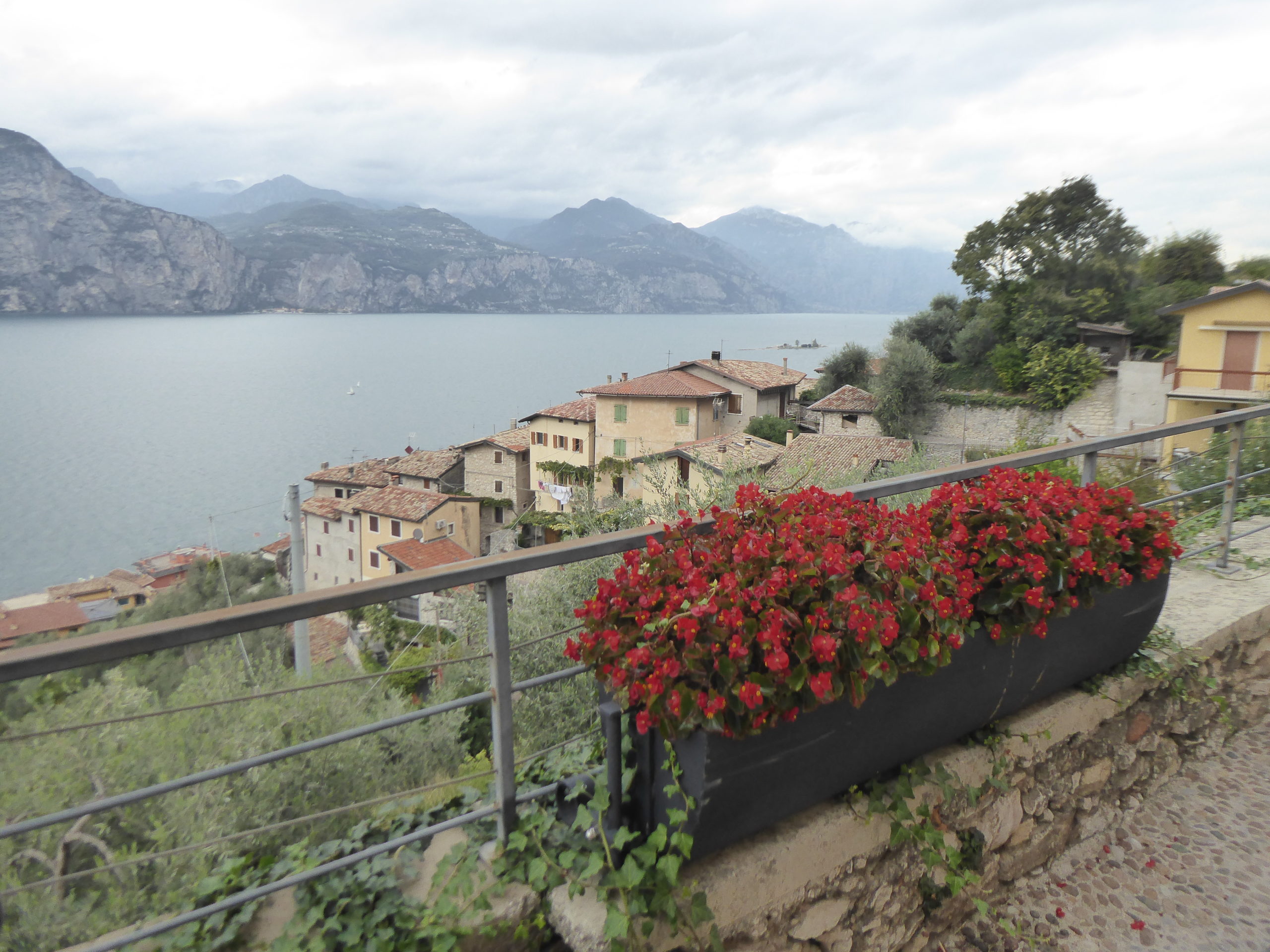
Lake Garda from above

Torri del Benaco from the castle museum tower
The next day started wet but the hotel had kindly offered a guided tour. Perched on a hilltop with commanding views over the locality, the existing building has a 16th century centre with additions in the 18th; owned by the Brandolini family for 4 centuries, it changed hands in 1959 after the owner racked up excessive gambling debts and was bought by the existing owner in 1997, opening as a hotel in 2002 after 5 years of restoration.

Hotel Banqueting Hall
The clouds cleared in the afternoon for us to visit the local towns of Cison
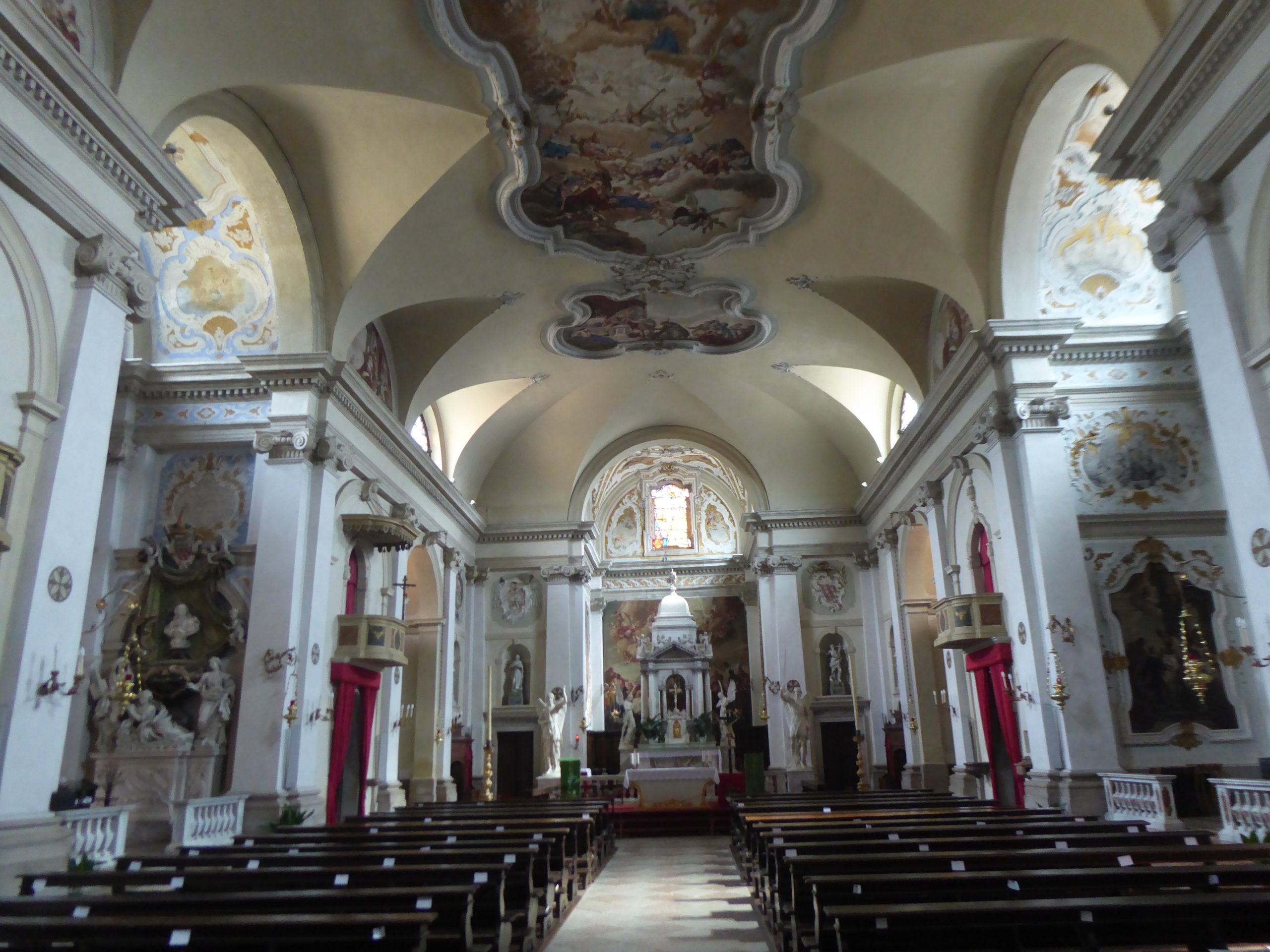
Church – Cison
and slightly further afield, Conegliano, with an interesting museum in its old castle, and Collalto with a castle, bombed in WW1 now being restored.

Castle Museum
On our return to the hotel, the skies darkened, we were enveloped in cloud whilst thunder, lightening and rain washed over us – hopefully tomorrow will be consistently fine!
Well it wasn’t fully fine but it was better the next day when our first stop was Bassano del Grappa. The town’s main claim to fame, aside from the Grappa liqeur is the Palladian covered bridge

Bassano covered bridge
The Sturm Palace museum on the riverbank houses collections of printing and ceramics. Allison’s interest was the story of the Remondini print company – one of the first major printing companies but whose fortunes declined when they continued with religious texts rather than romantic novels in the mid 1800’s.

Bassano from the river
. Our next stop was “chess town”. So called because every two years Marostica hosts chess games with actors playing the pieces. Today the square and chess board were deserted and damp.

Marostica Square, chess board and upper castle
We climbed the path behind the church to the castle – private property, no entry – and found that it was a B&B; that would make an interesting stop-over on a future Scenic tour. We found our 4 night stay in the impressive CastelBrando a bit too much so will suggest this to the organiser for their future tours. On the walk up we saw a couple of beehives and this sign – I’ve not seen a beware bees sign before!

Beware bees – I think

Upper Castle

Our Hotel at Castelbrando from below
After another large, late supper the next day was perhaps the driving highlight of the trip – The Stelvio Pass. The second highest pass in the eastern Alps it was built for the military in the 1820’s with 48 or so hairpins up and down.
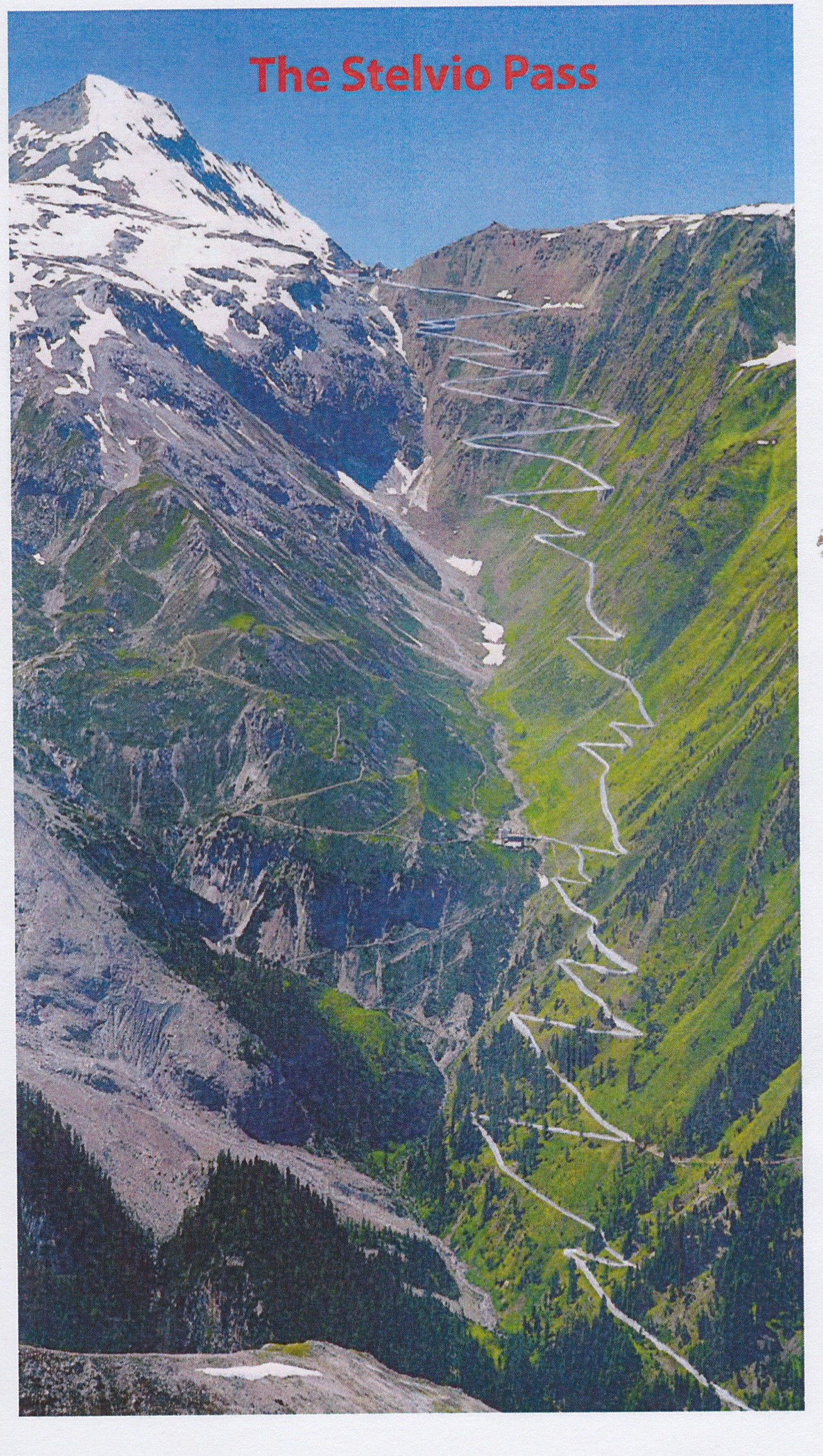
The Selvio
To get there we had first to get up the Gavia Pass to Bormio – actually a much narrower and more challenging than the relatively main road Stelvio. Doc4(not sure if this picture of the Gavia Pass will show up!)

Stelvio – old and new
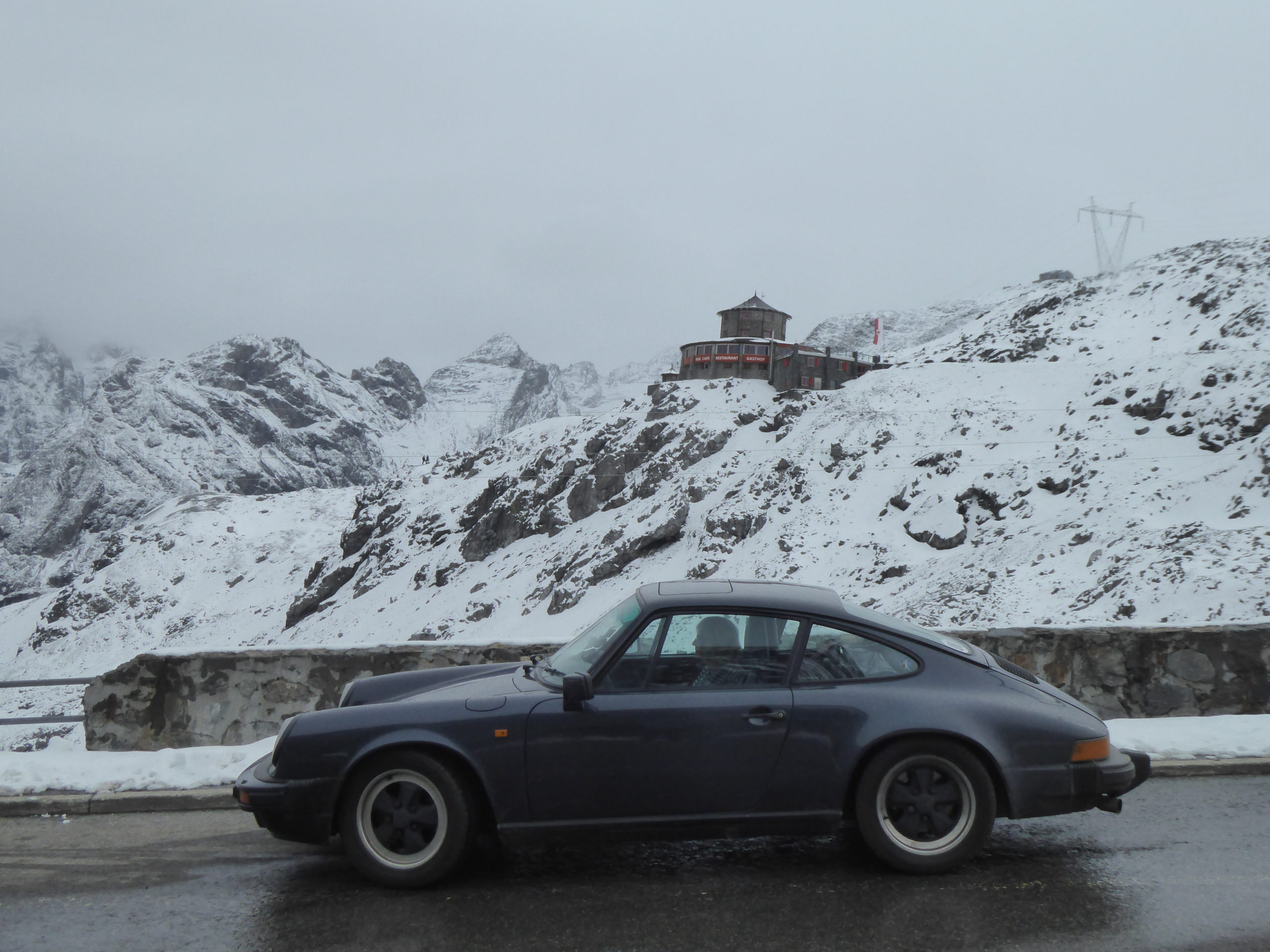
At the top 2757 metres

The way down
Then an easy run to our hotel just inside Italy in Tyrol – a German speaking area which used to be Austria and many believe still should be.
And on to Germany, passing briefly through Austria near St Anton in Arlberg, which we had visited on the outward journey with an overnight in Fussen, Bavaria.
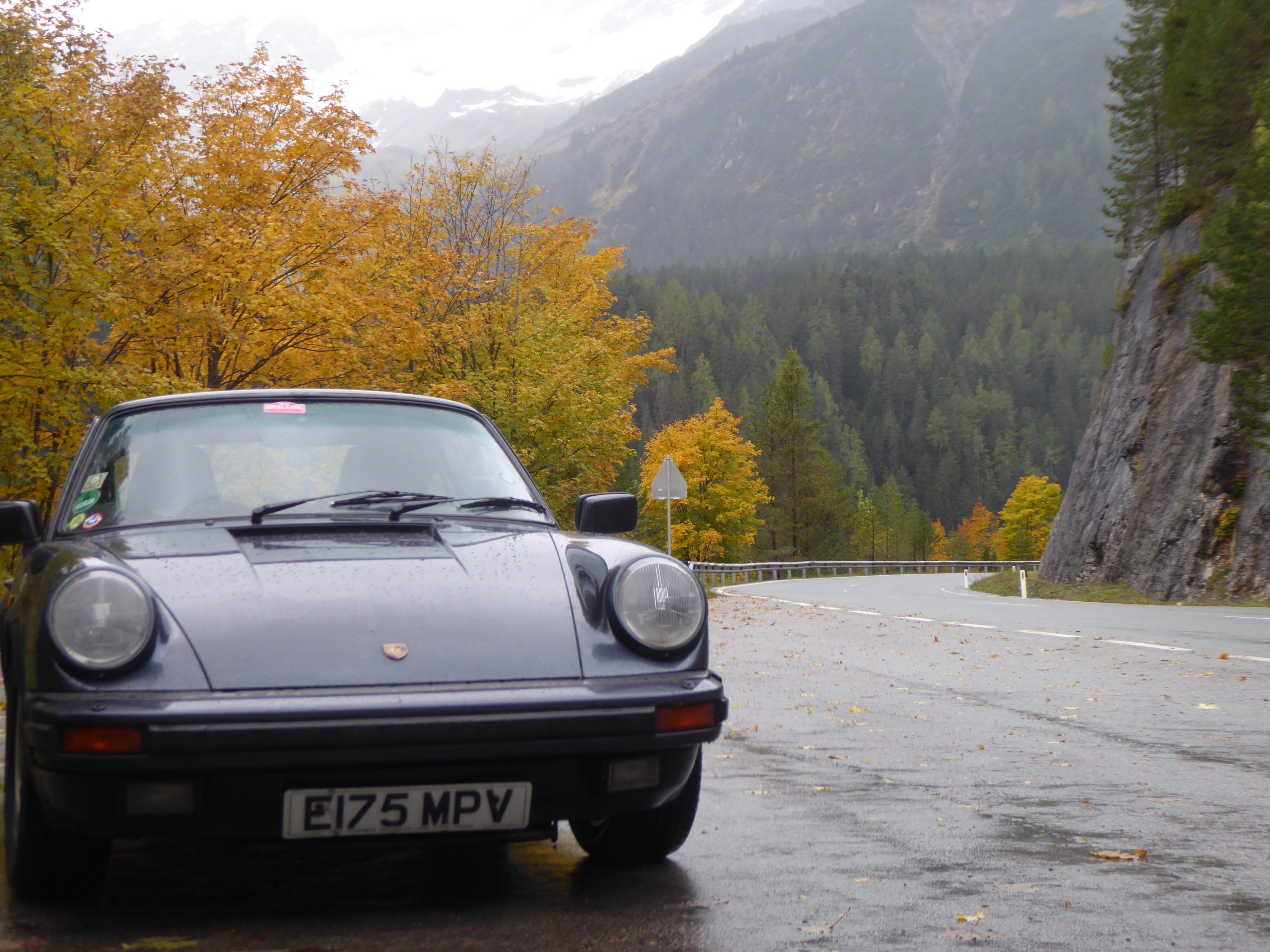
Autumn colours
. It was raining when we reached the ruins of Ehrenberg but we reached the top – deciding against the “highline” bridge linking it to its neighbour on the next hilltop.
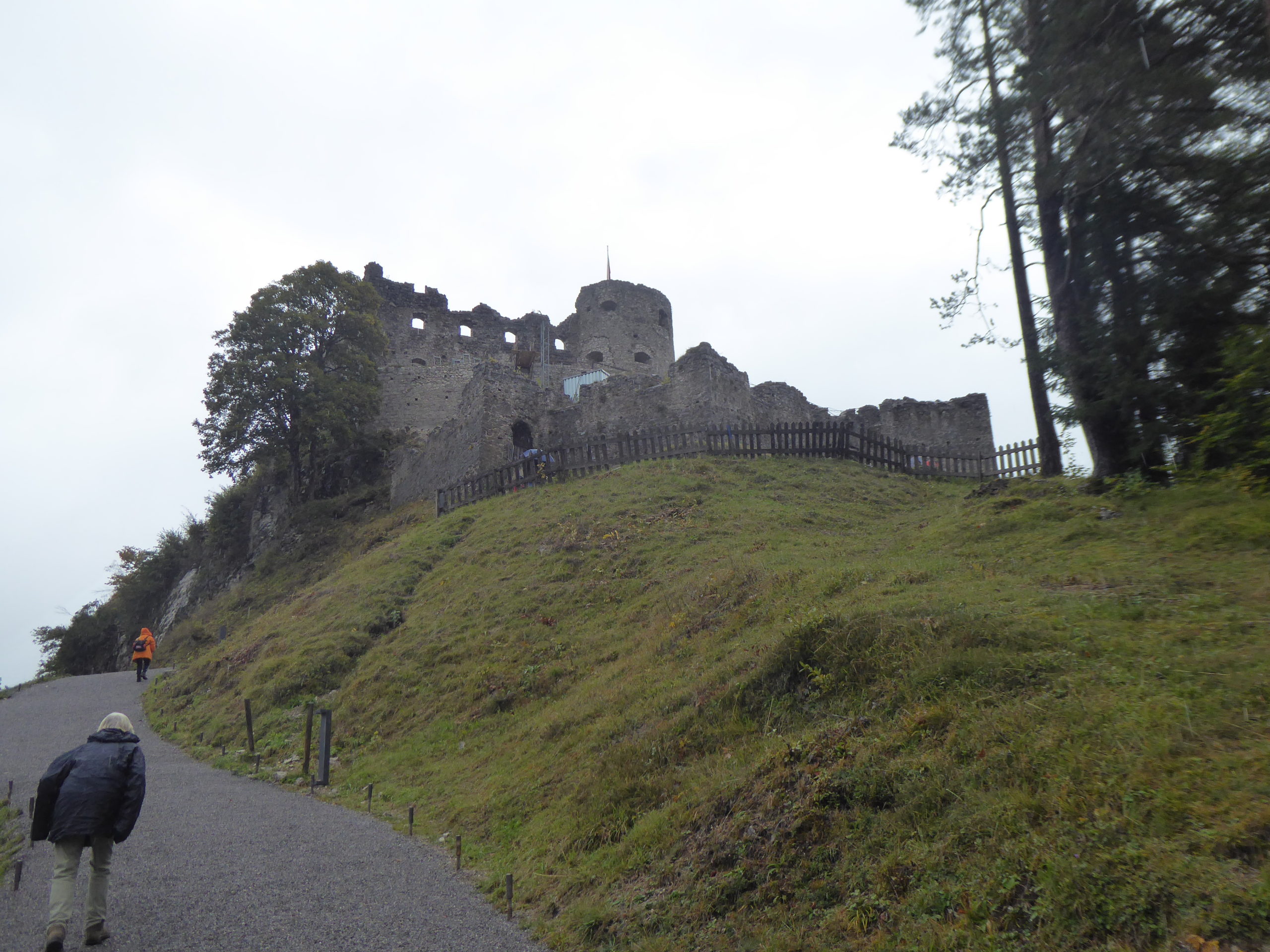
Schloss Ehrenberg
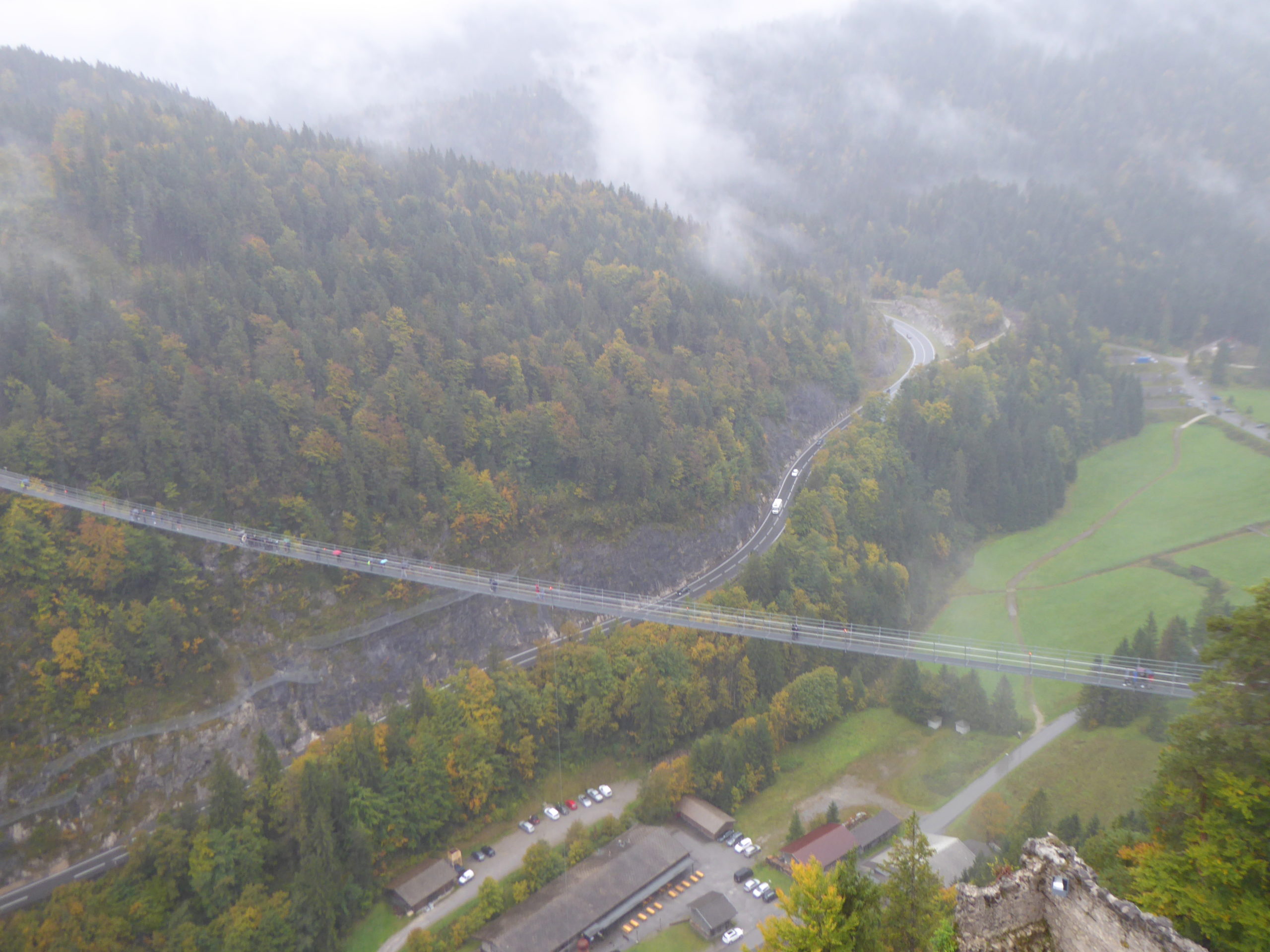
Highline bridge
. Ehrenberg had been an important part of the local defences and guardian of the toll road below but technology moved on and when attackers dragged siege engines up to a neighbouring hilltop, its position of strength made it a sitting duck as it was bombarded into submission and decline.
Fussen is a attractive town with its AltStadt
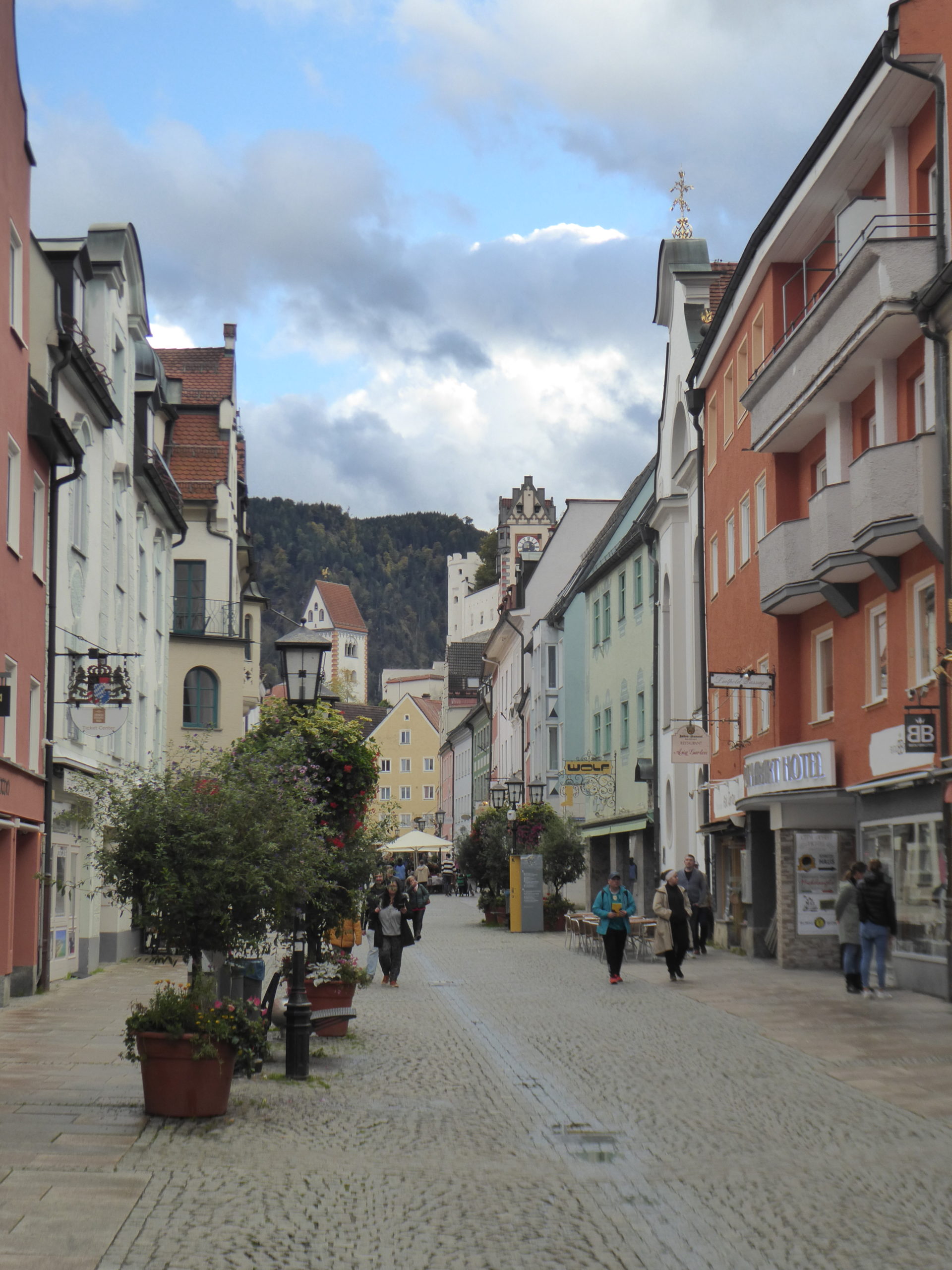
Alt Stadt Fussen
(in the dry)

St Mang Monastery and swollen river Lech

Church of The Holy Spirit

and inside
At this stage we decided to break off early and return home. The next day was a bank holiday for German Unification Day and many museums were closed. Two fairy tale castle we would have liked to visit at Schwangau had entry by ticket only and no more tickets were available till after we would have left. We overnighted at Bitburg (of Bitte Ein Bit fame) and a fast trouble free run via Calais.
Carpathian 2025
Perhaps the title is a misnomer as we toured Romania and Bulgaria – but the Carpathian mountain range doesn’t get to Bulgaria. Anyway 9 cars took part, seven being classics plus two rentals. We all took advantage of transport so the cars were collected from our homes (or garages) and we met them again in Bucharest. The rental cars started from Sofia and took just five hours to drive the 250 miles which in a roundabout way took us two weeks! For this rally we took the Porsche – so no Lotus photos!
Our first stop was Doftana Prison, home to Ceausescu in the 1930’s and now derelict, inhabited only by cattle – and probably some smaller animals
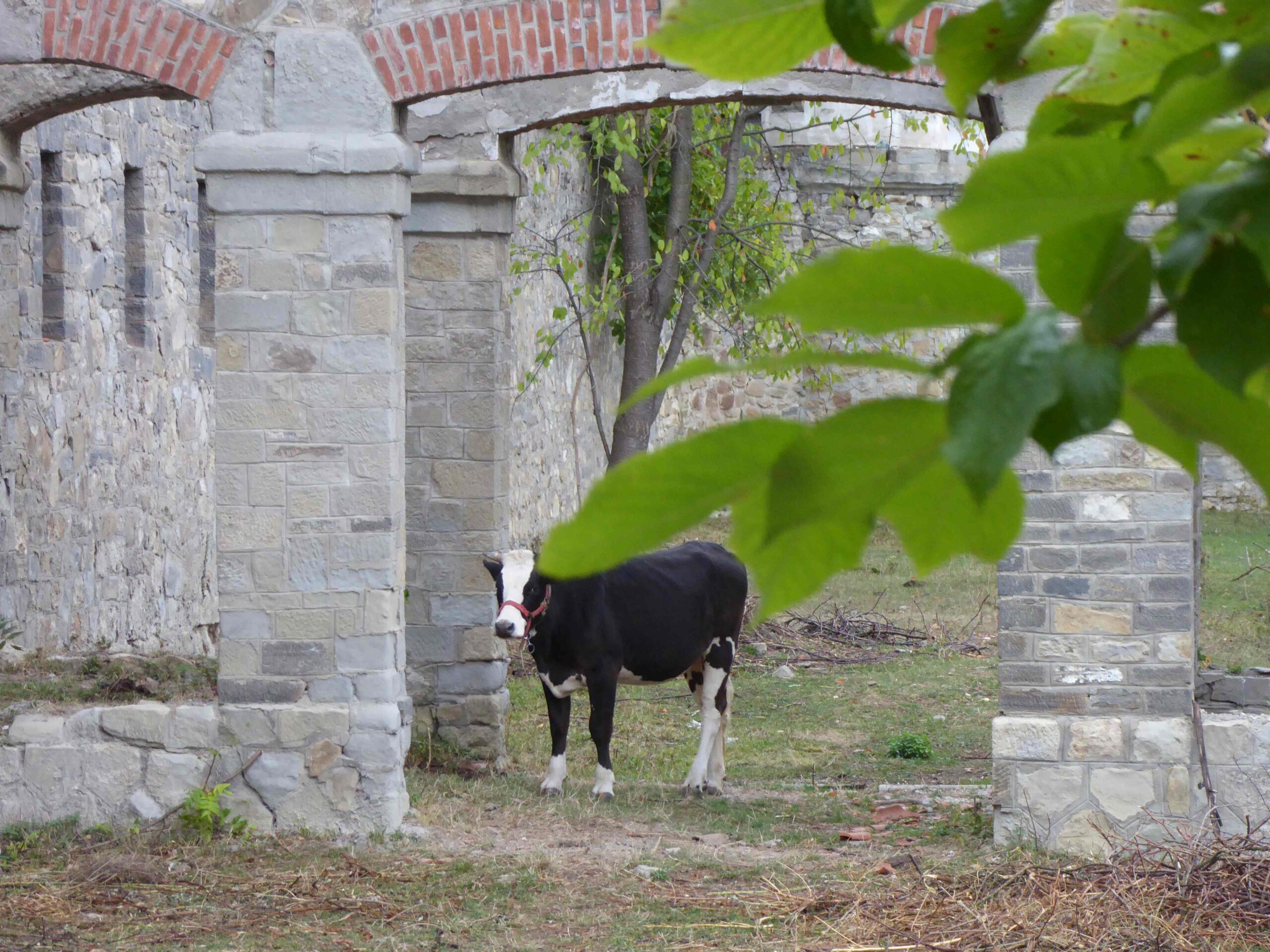
Doftana inmate
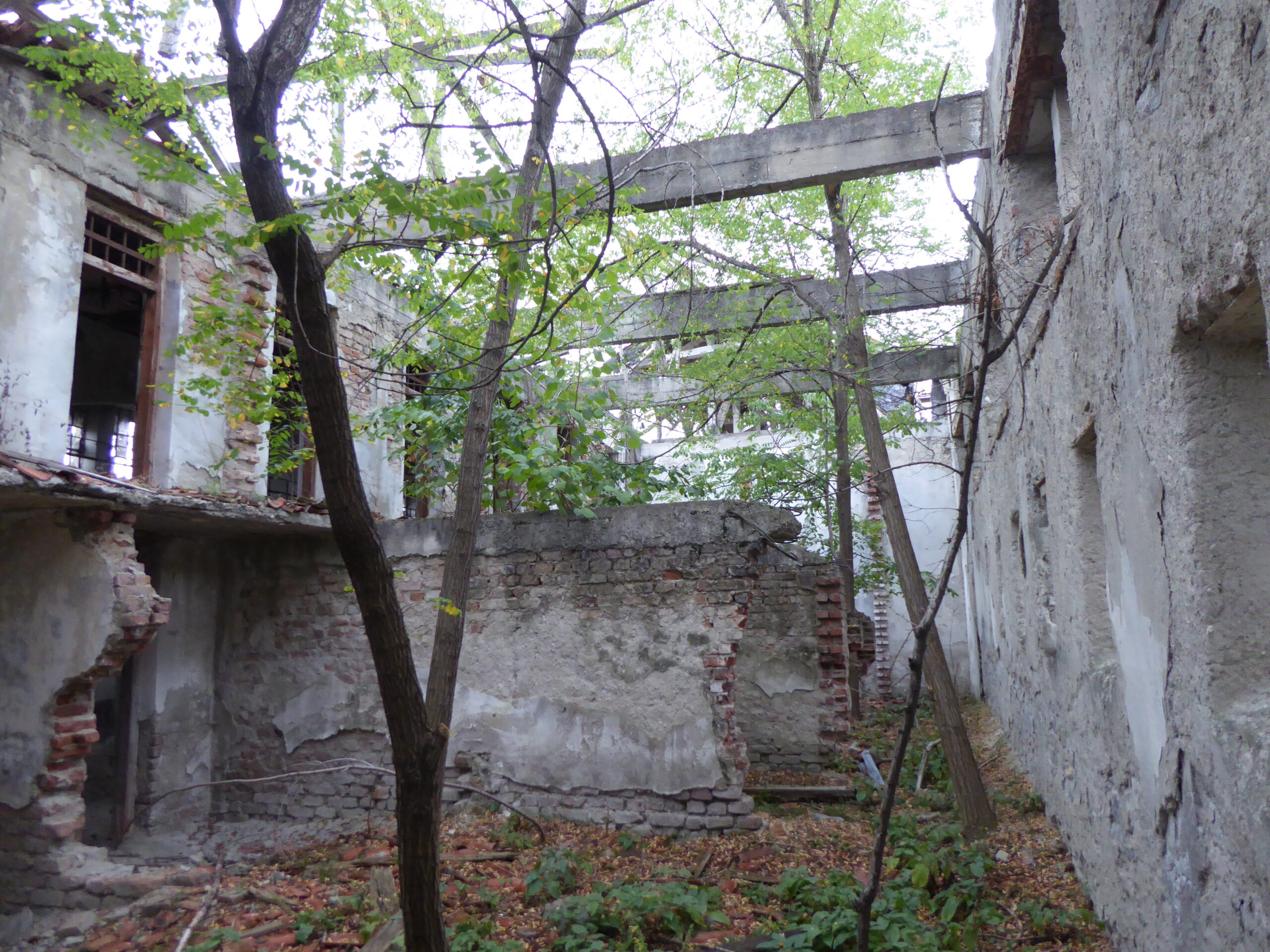
Open Prison?
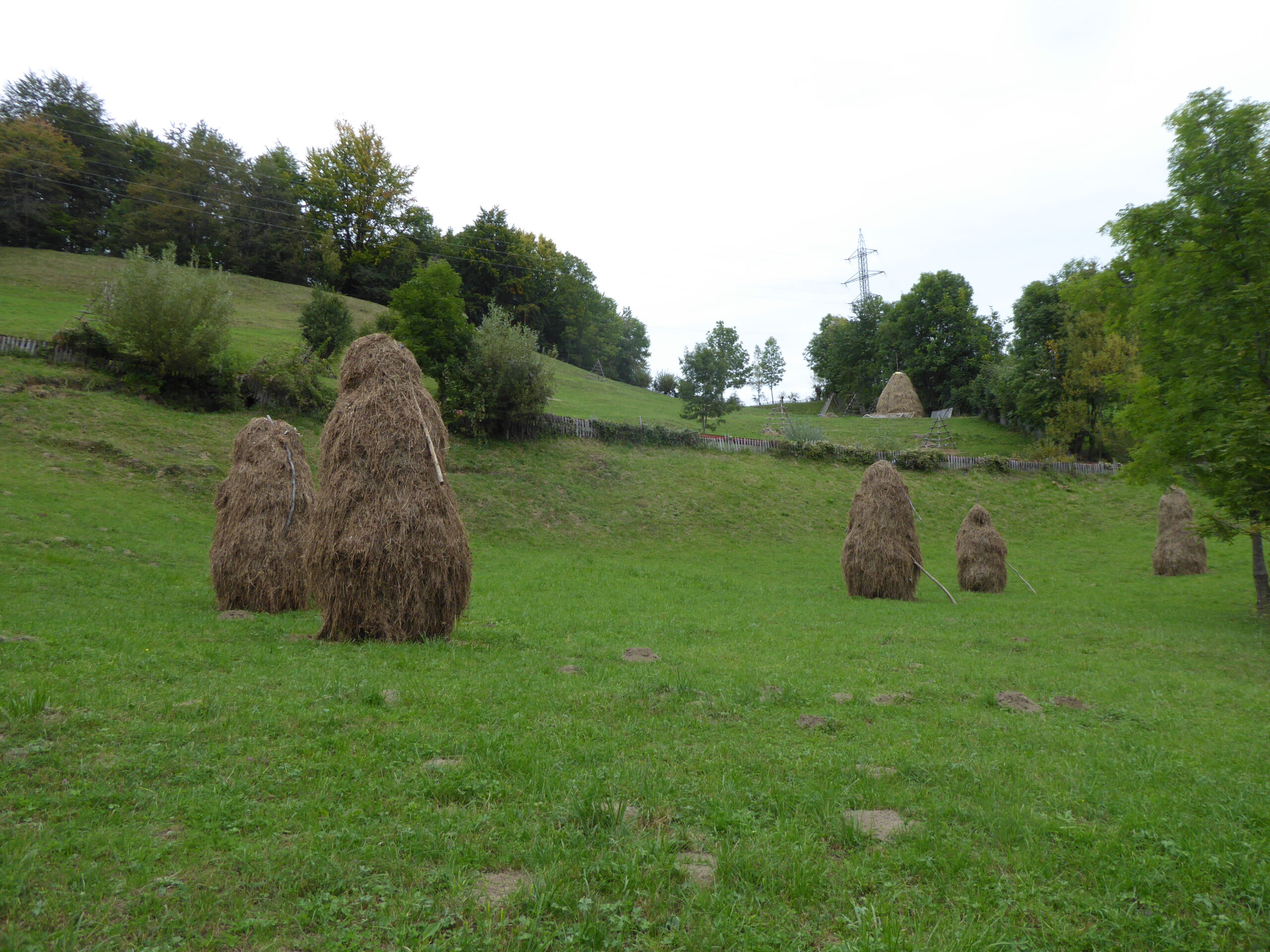
haystacks, not bears
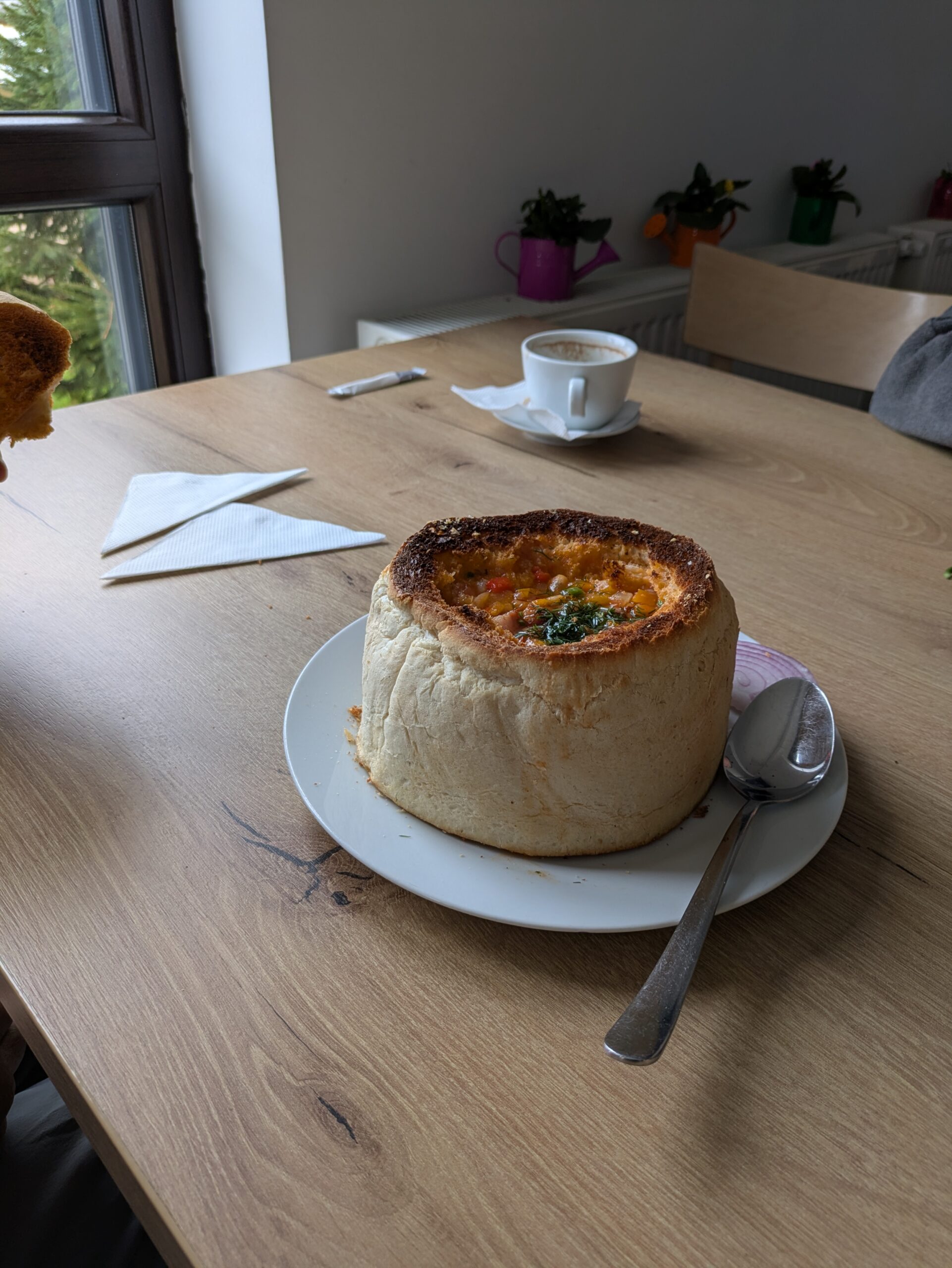
Special soup
Then to the fairy tale 150 year old Peles Castle
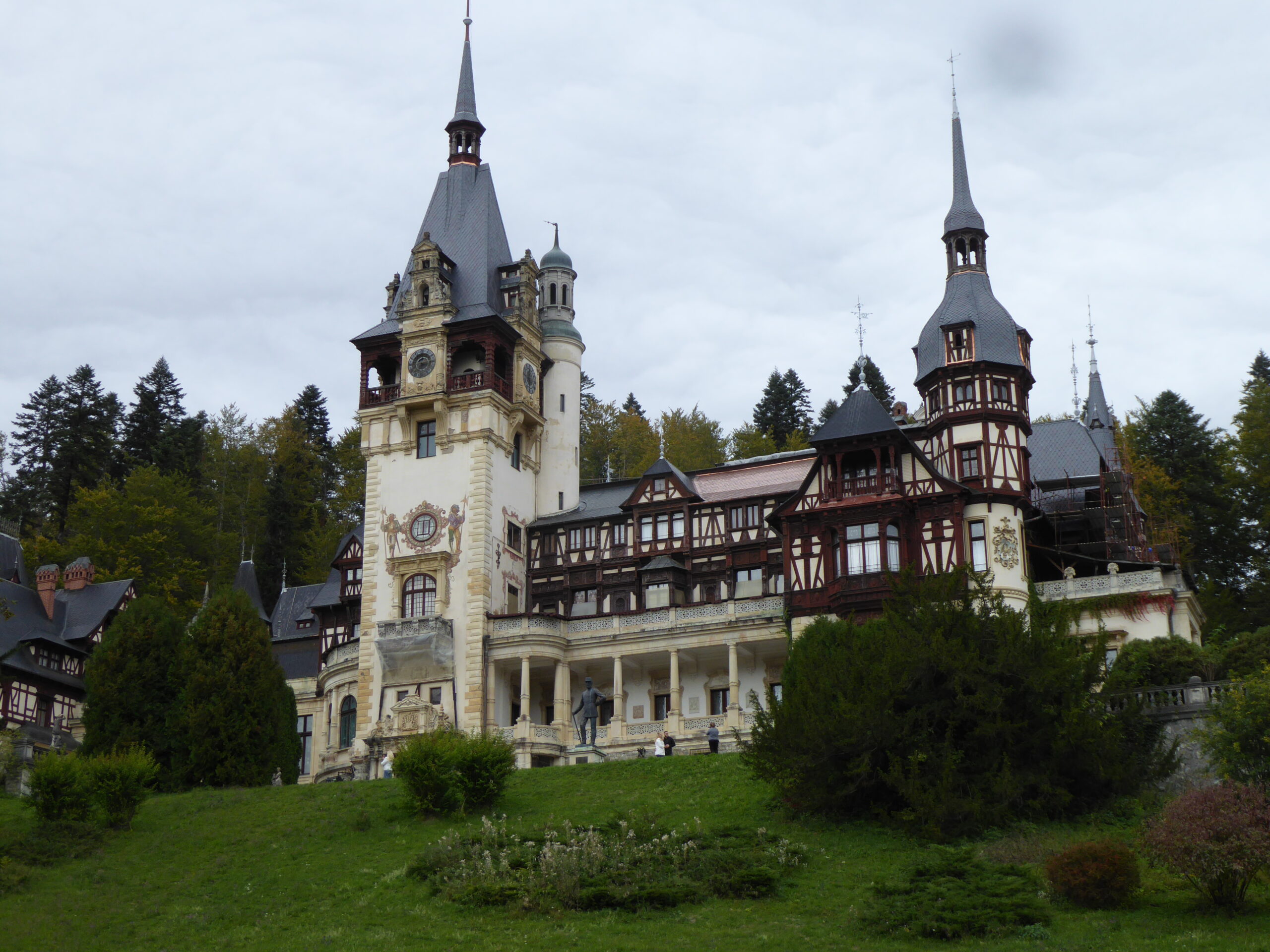
Peles Castle
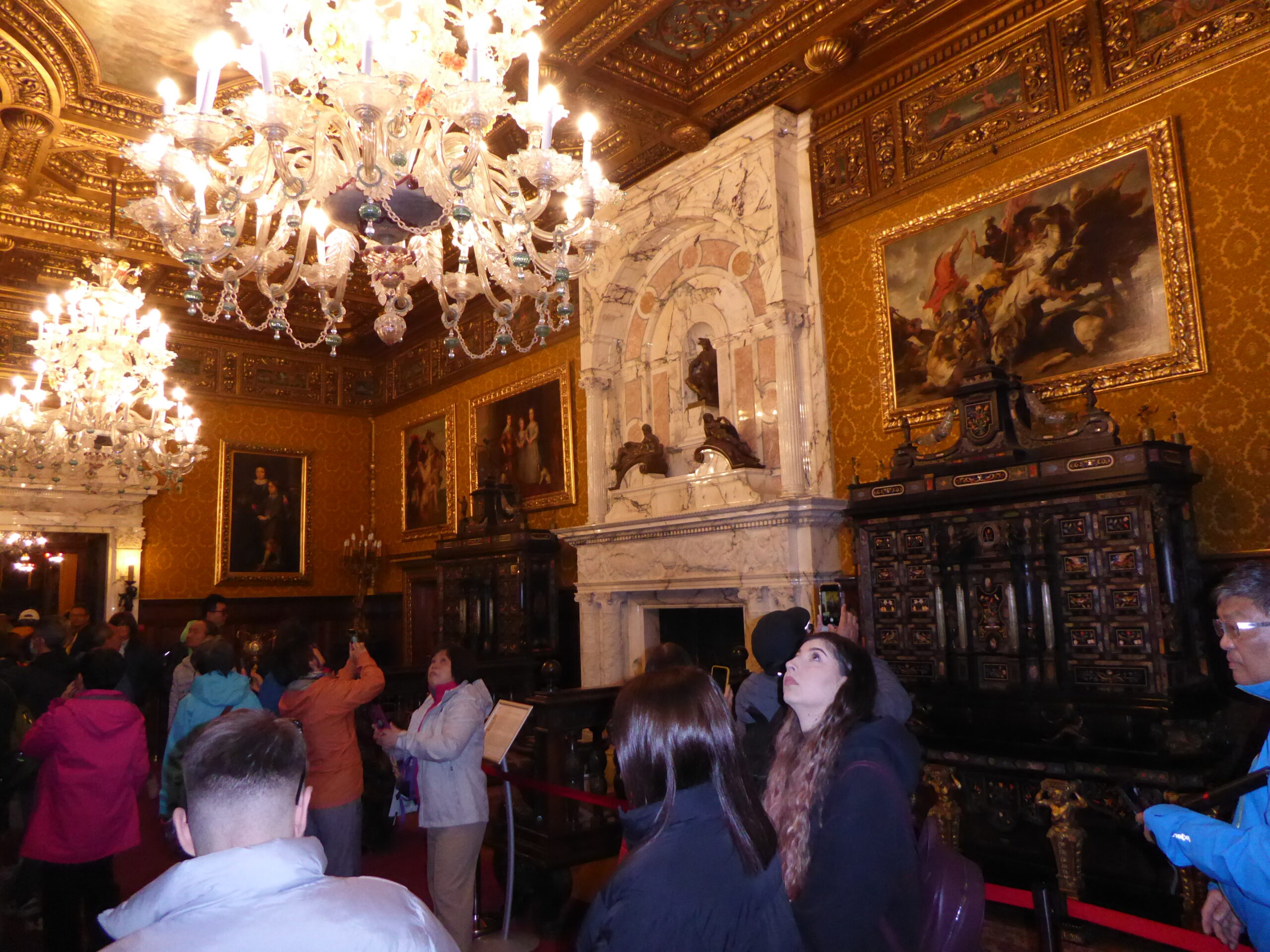
Crowded
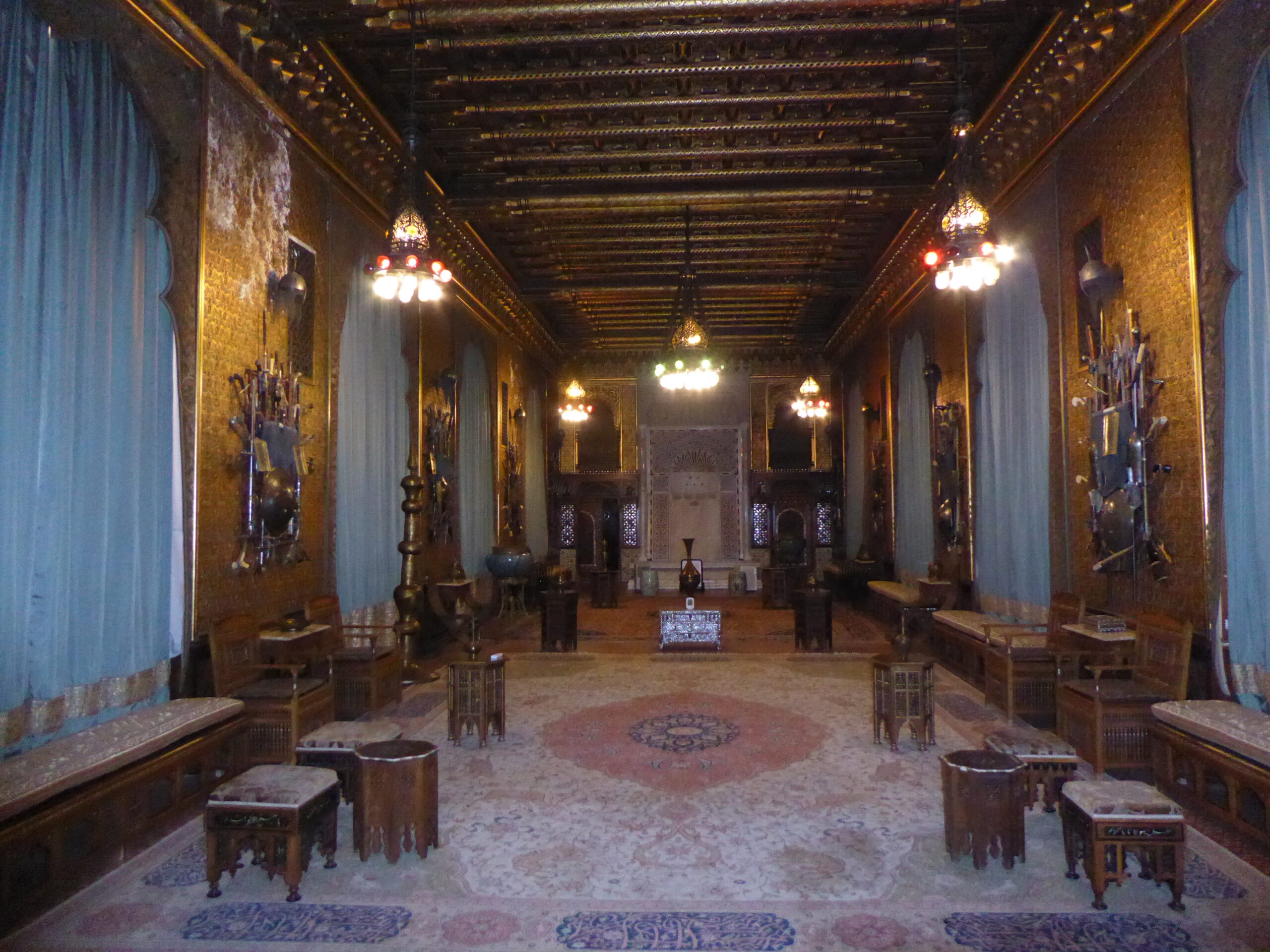
crowd avoidance
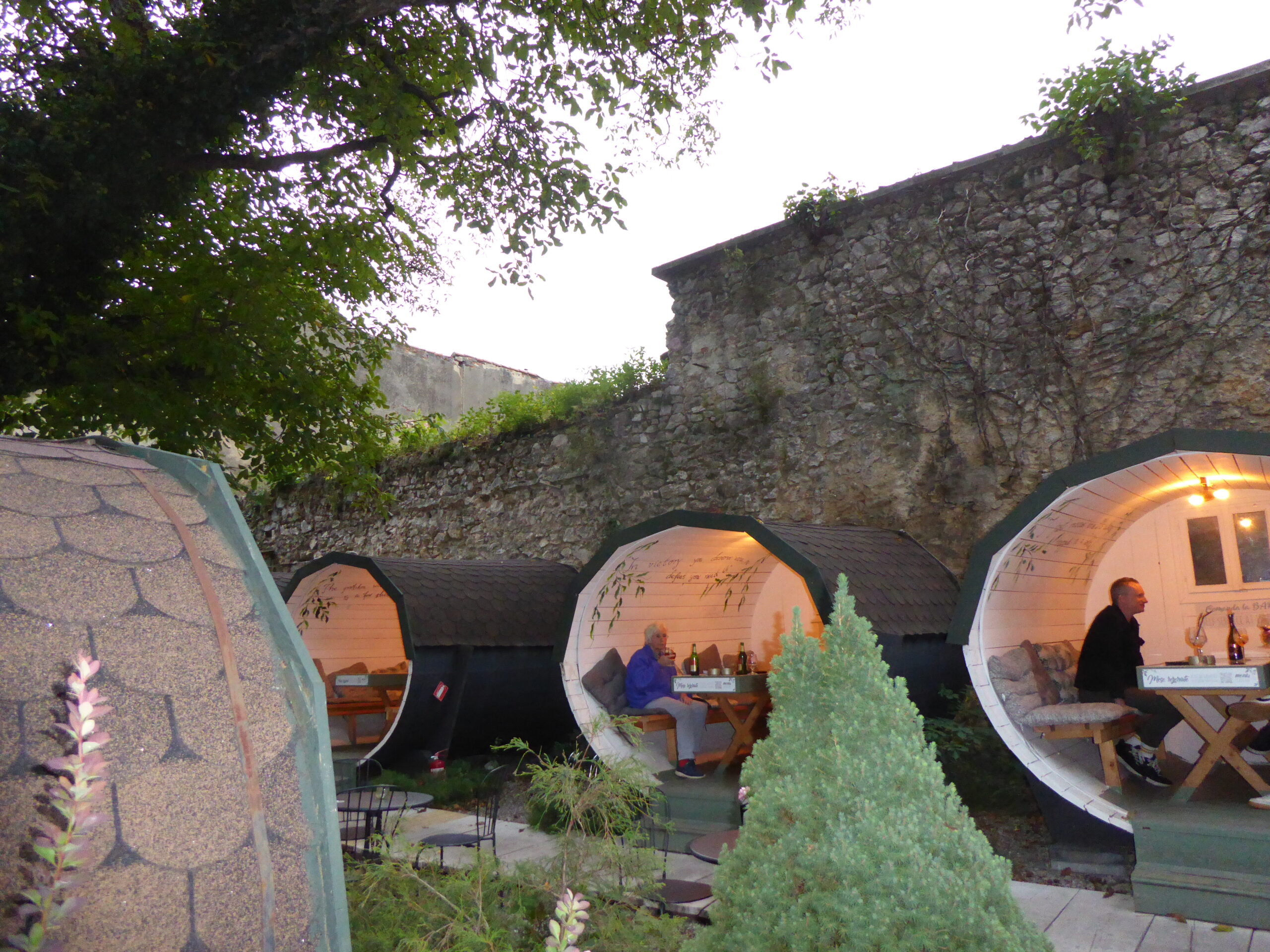
Pub booths or hobbit holes
Day 2 and our first stop was a bear sanctuary – they also do dogs but we didn’t see or hear them. They have 130 bears in well fenced compounds
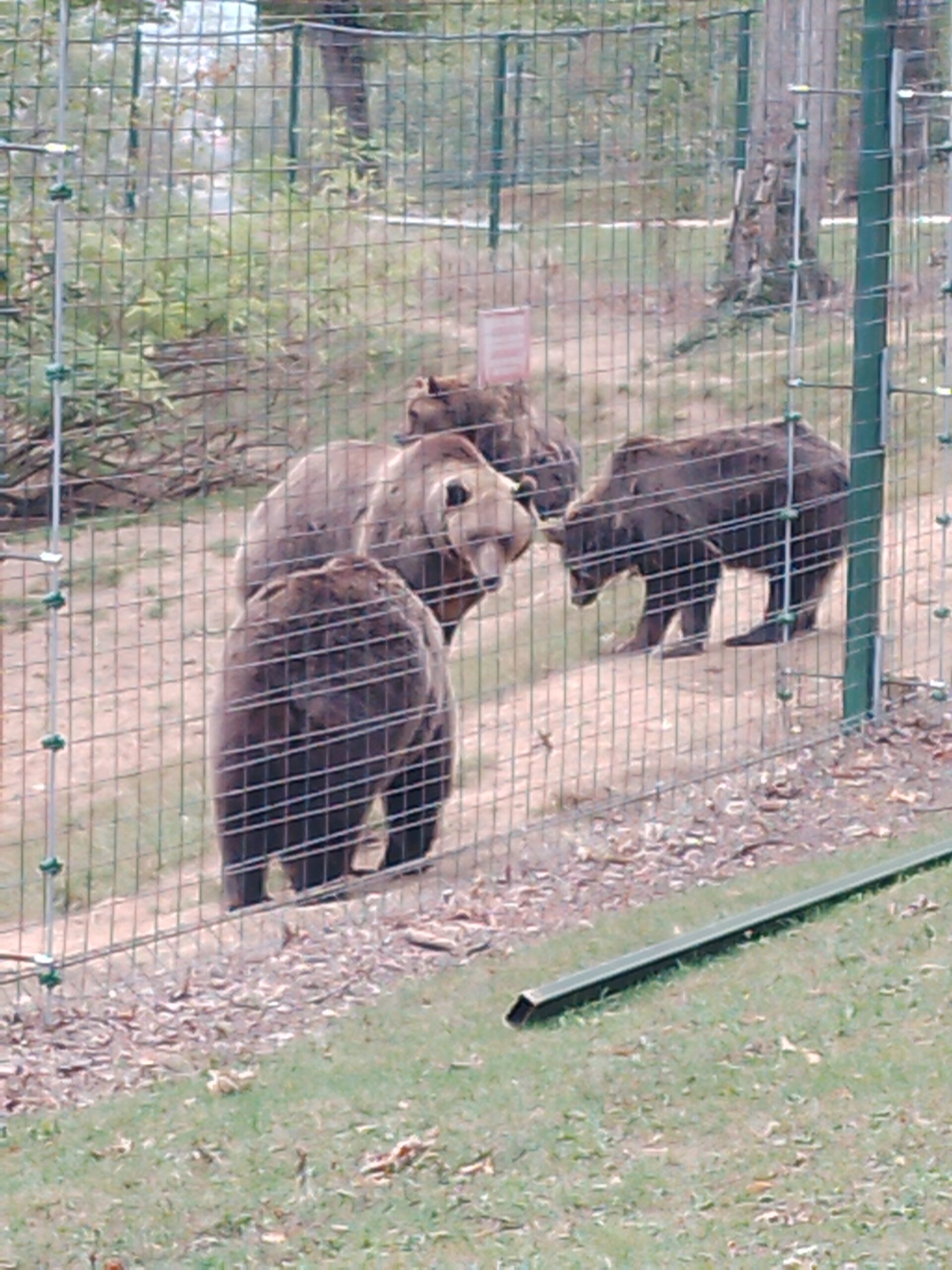
some bears
 we arrived at the village of Viscri, famous for its fortified Church and King Charles House – with a giftshop stacked full of royal memorabilia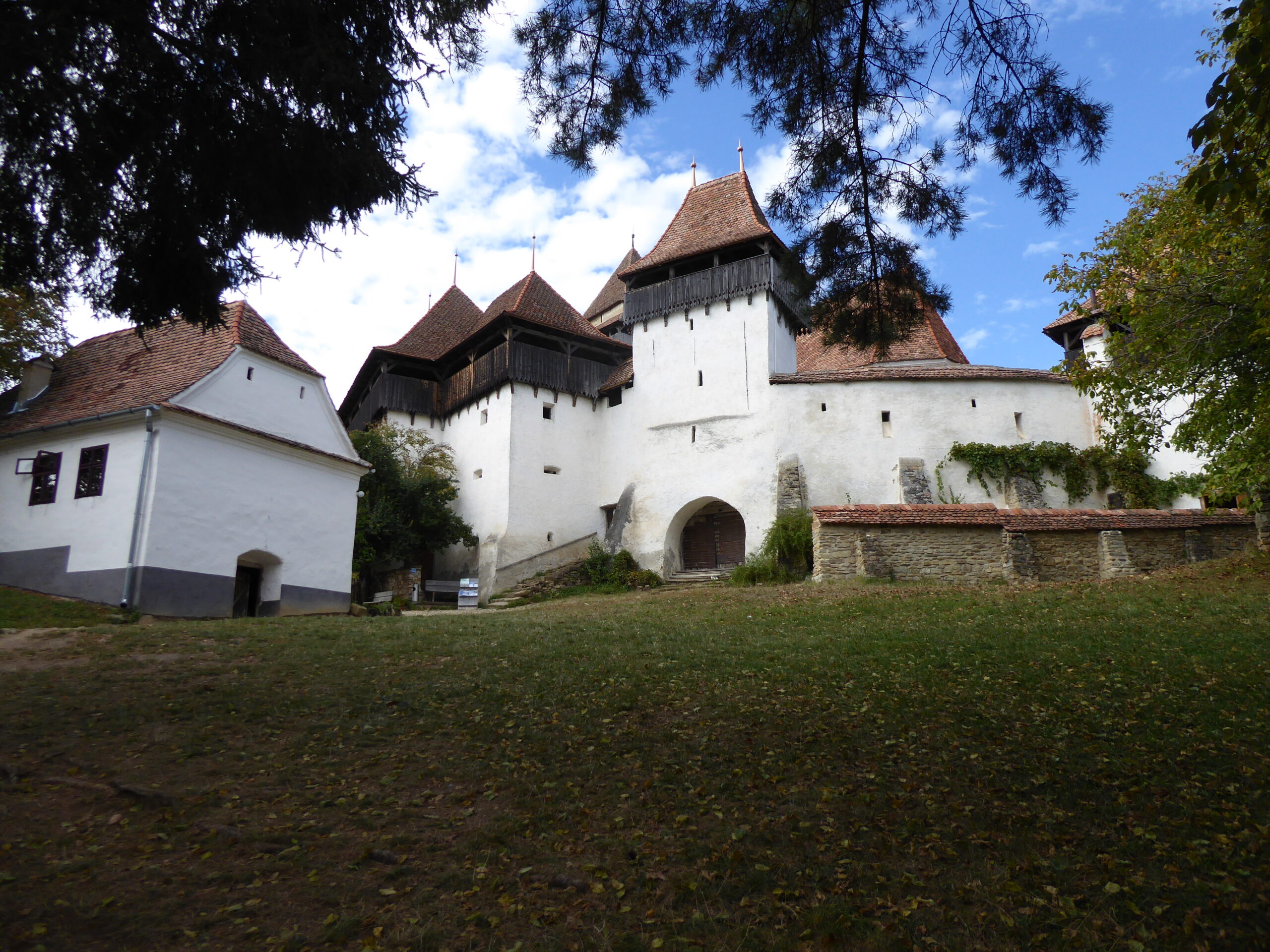
Viscri Saxon fortified Church
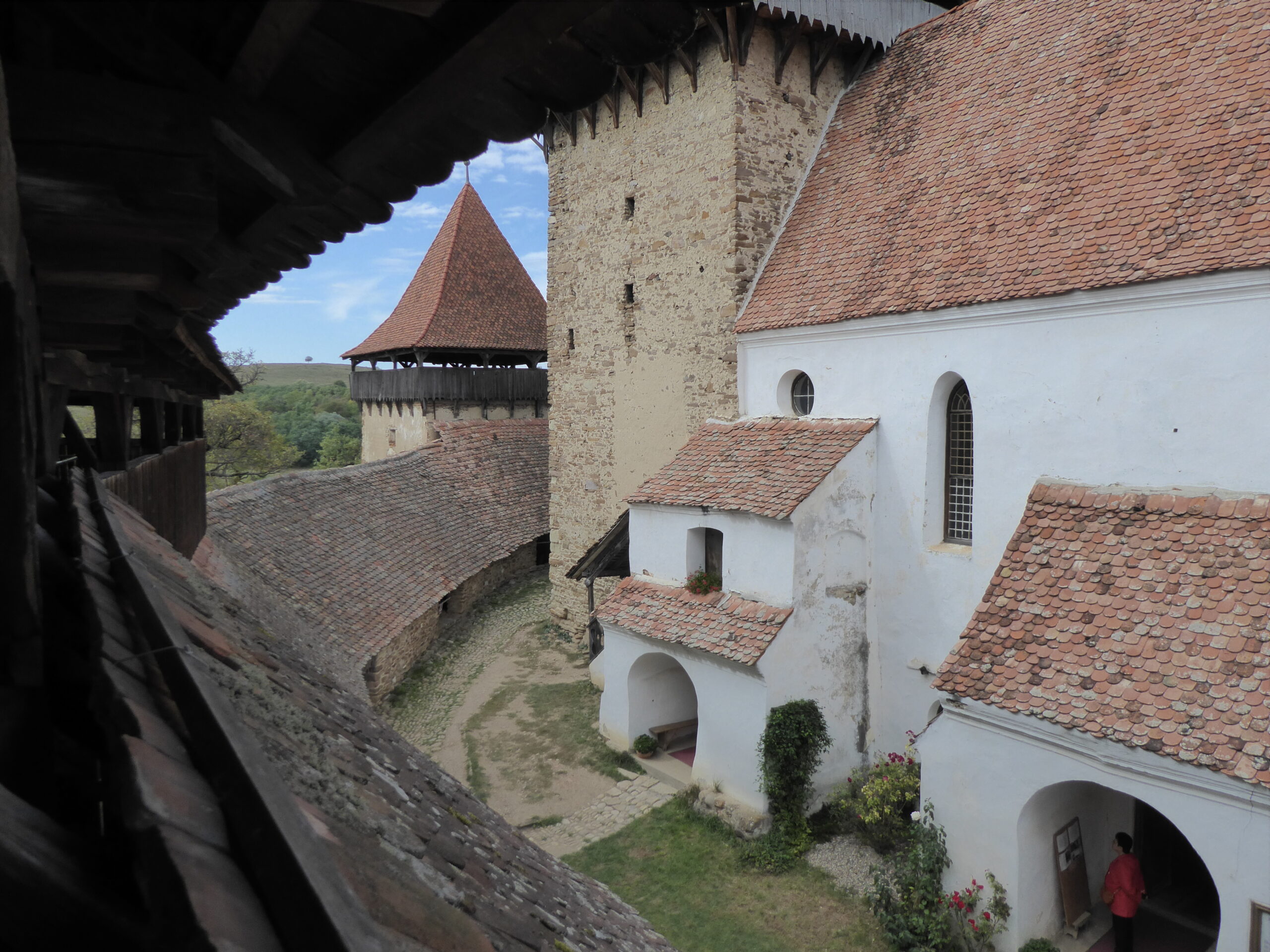
Viscri Church
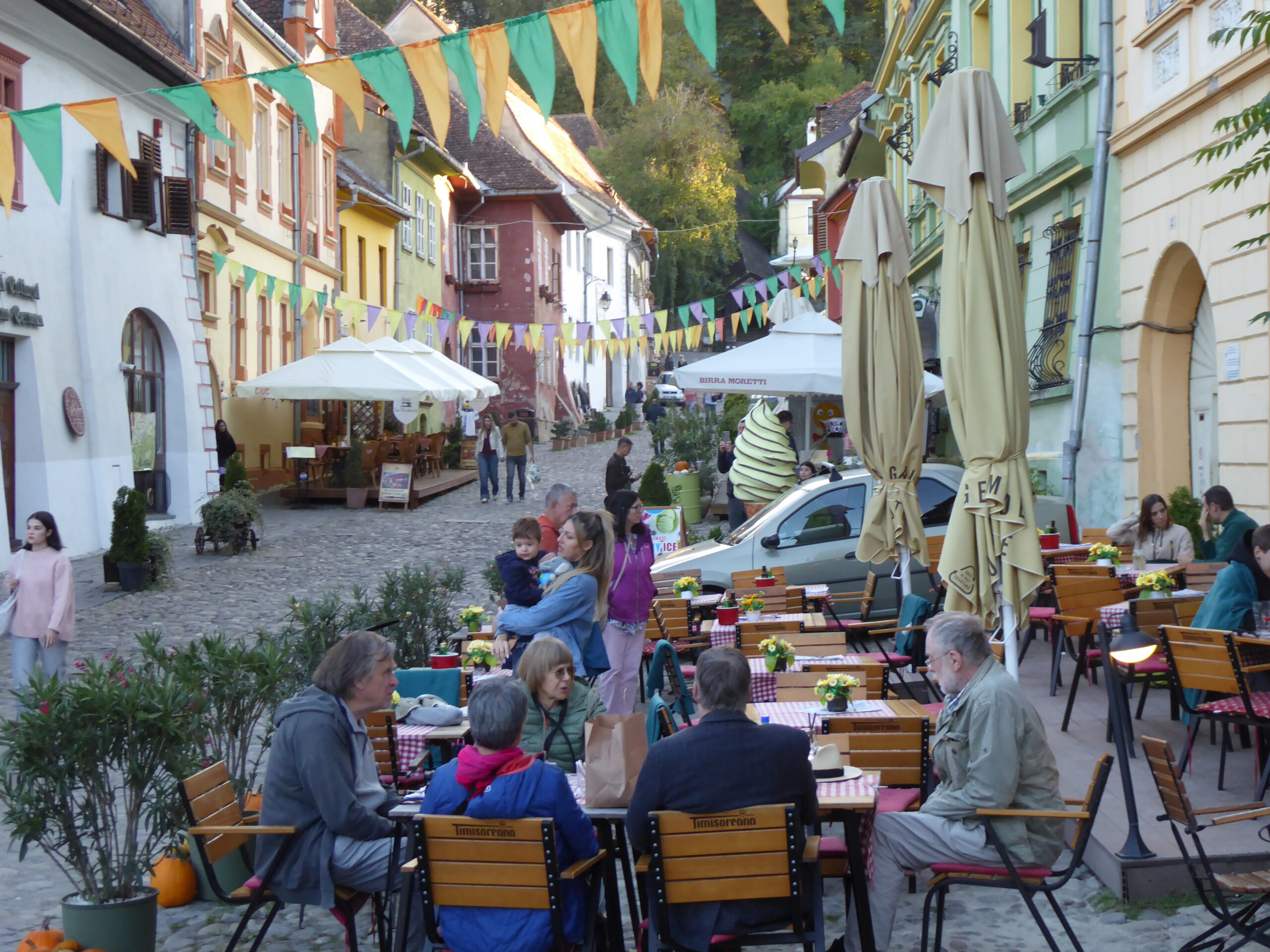
Sighisoara street scene
Next day was uneventful, a picnic stop and a short scramble amongst limestone crags before arriving at Campulung Moldovenesc which did have an interesting museum of rural life.
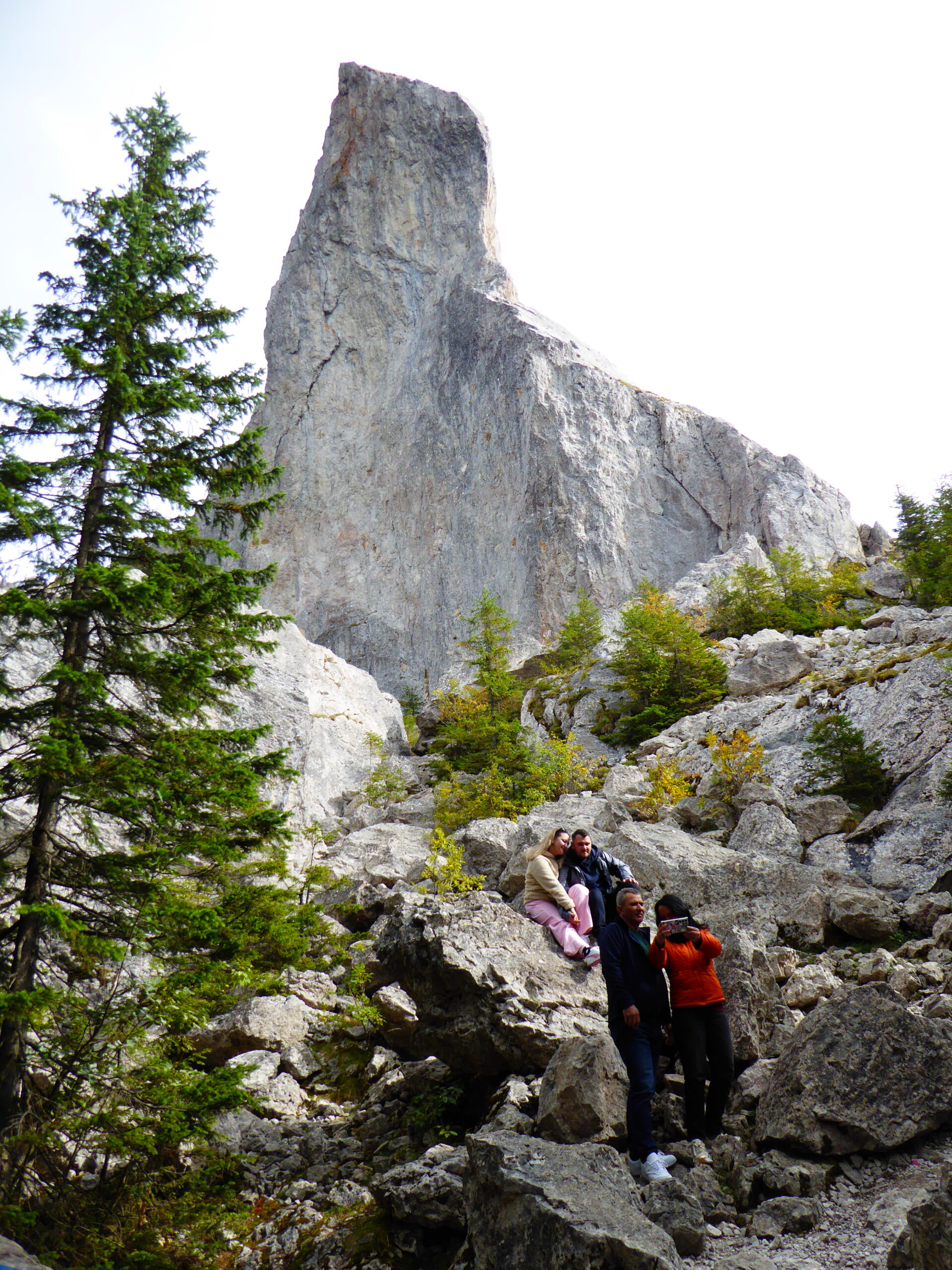
Rocky scramble

Campulung Moldovenesc
Day 4 and rain. Our first visit was better than expected – a studio of painted eggs. Inside there were cabinets of painted eggs in colour themes but each egg, and there must have been thousands, was slightly different – amazing! And on to the equally amazing Moldovita Monastery (1532) with its painted walls
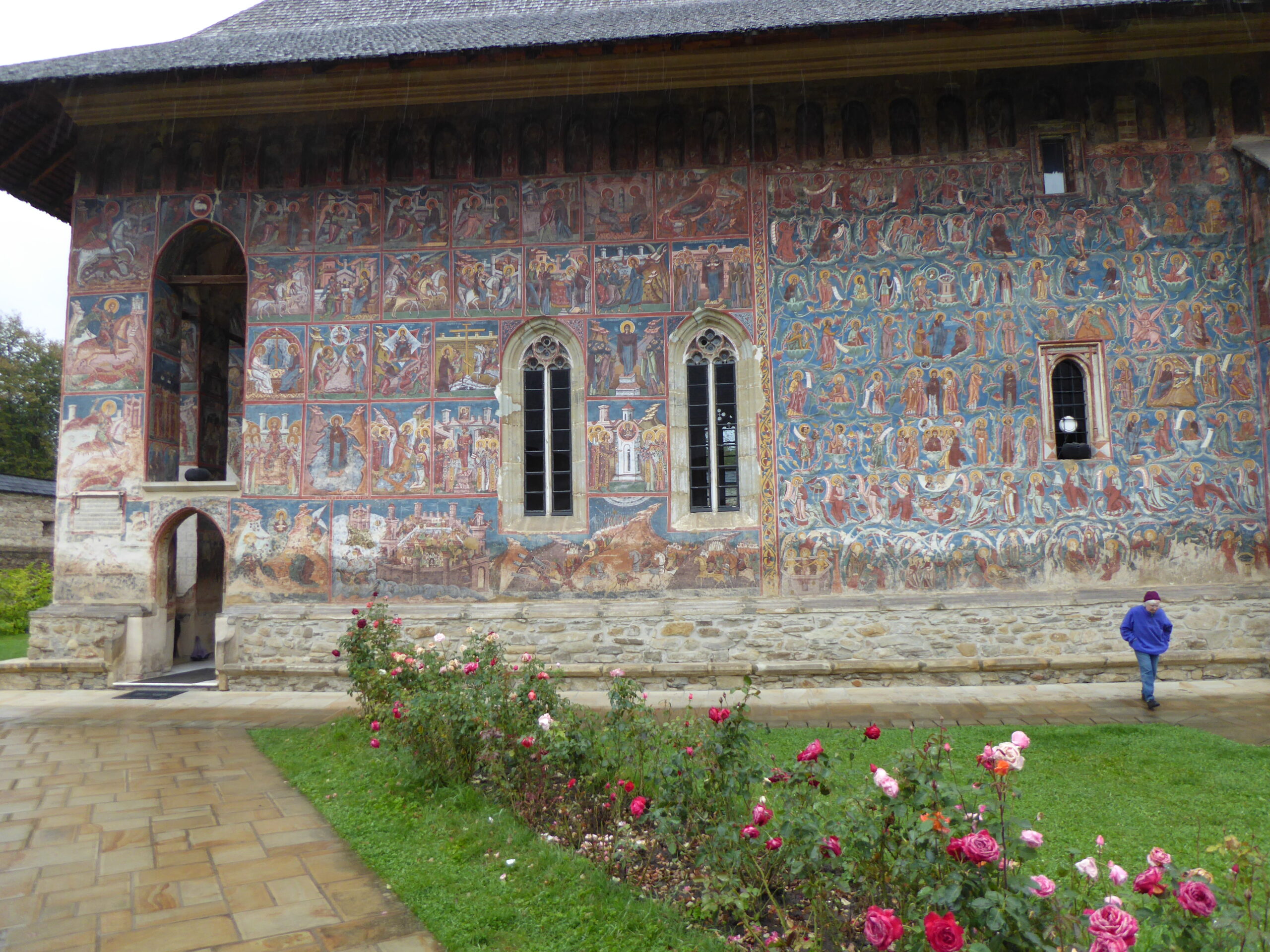
Chapel Moldovita Monastery
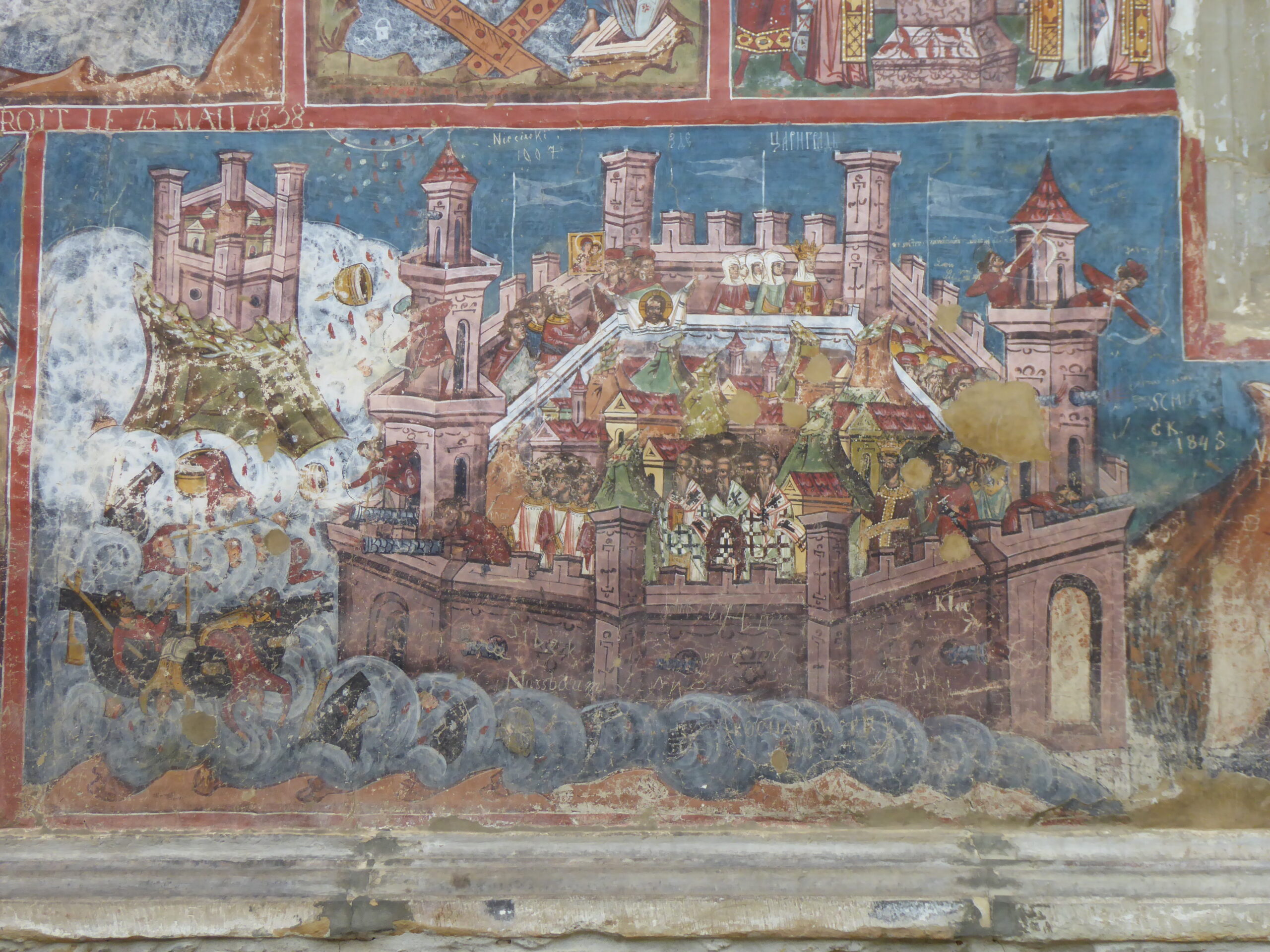
Detail of painting
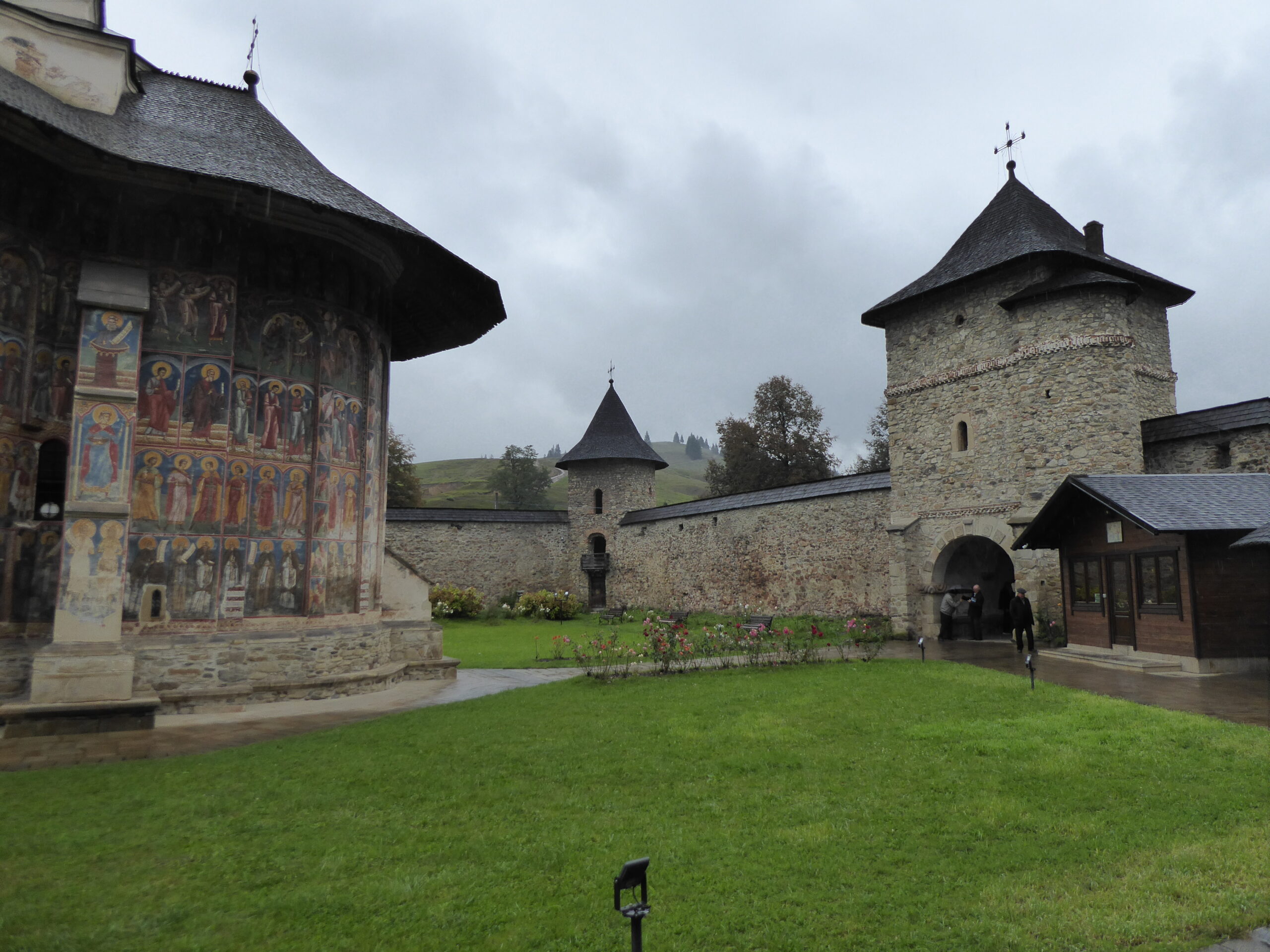
Moldovita Monastery
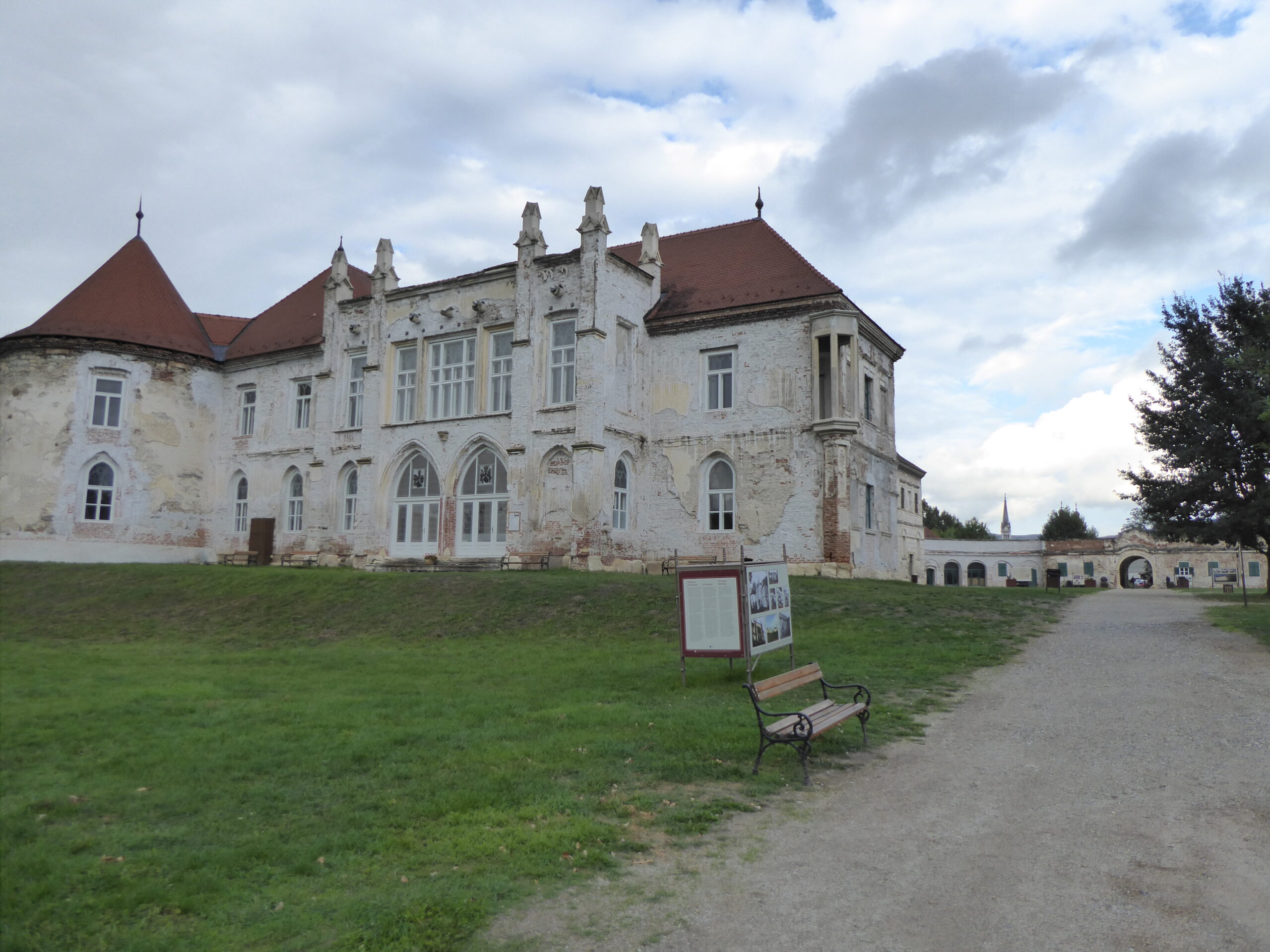
Banffy Castle
Cluj is Romania’s second city; we took a taxi to the main square, Piata Unirii and St Michaels Church
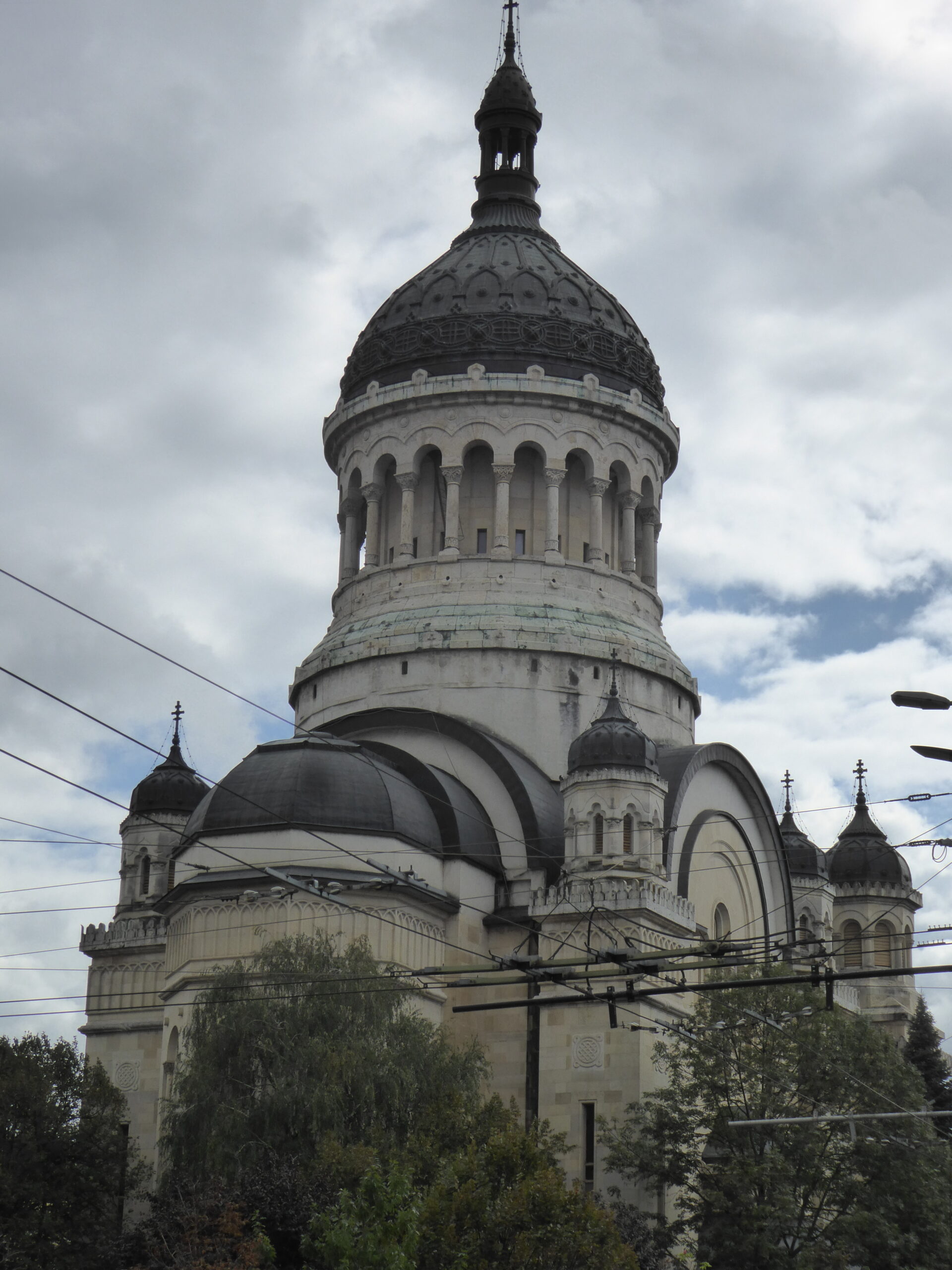
St Michaels, Cluj
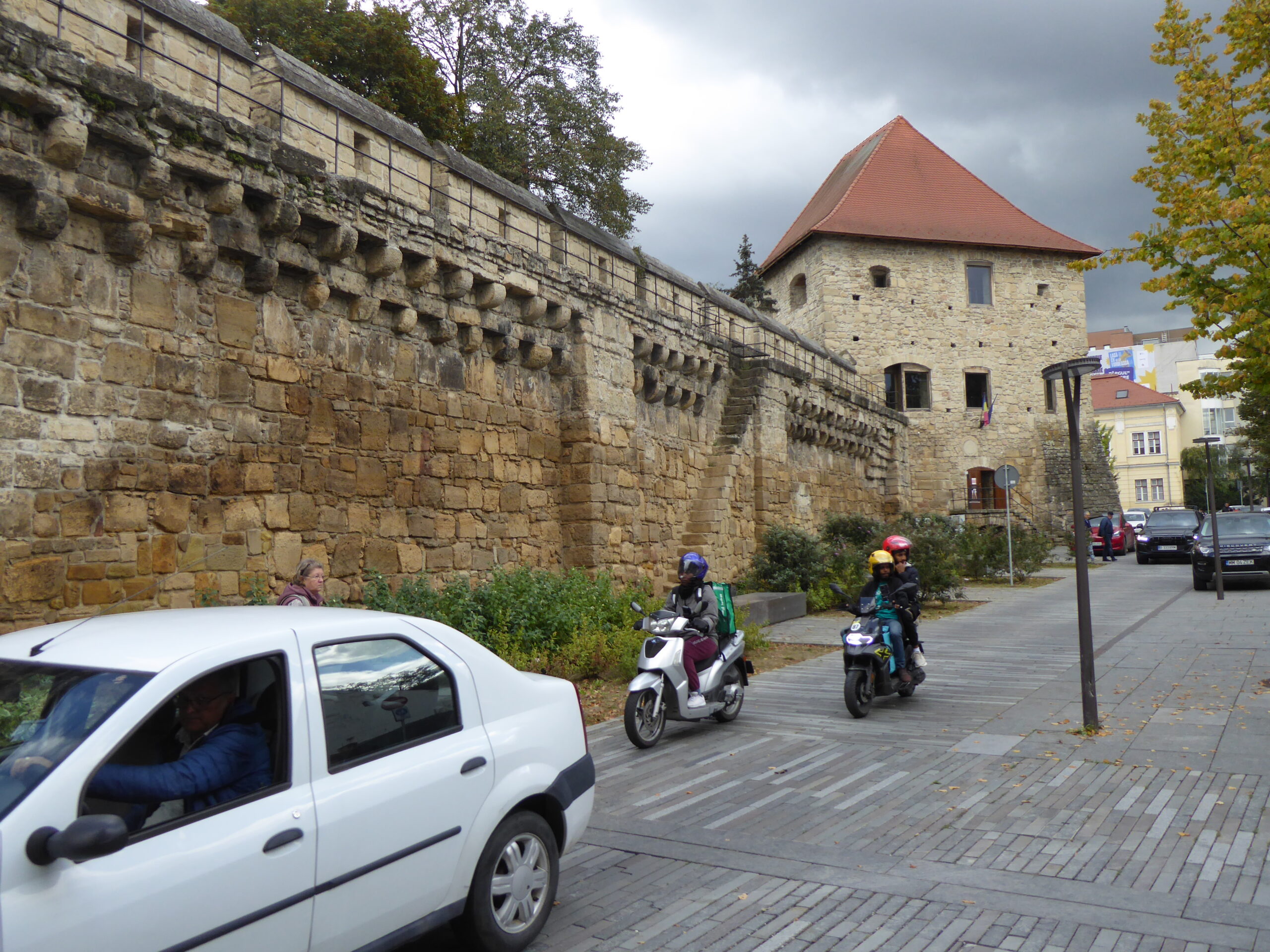
Tailors Tower
From Cluj, our first stop was Alba Carolina Citadel, built 300 years ago on the site of a Roman fort – the outside walk is 3km
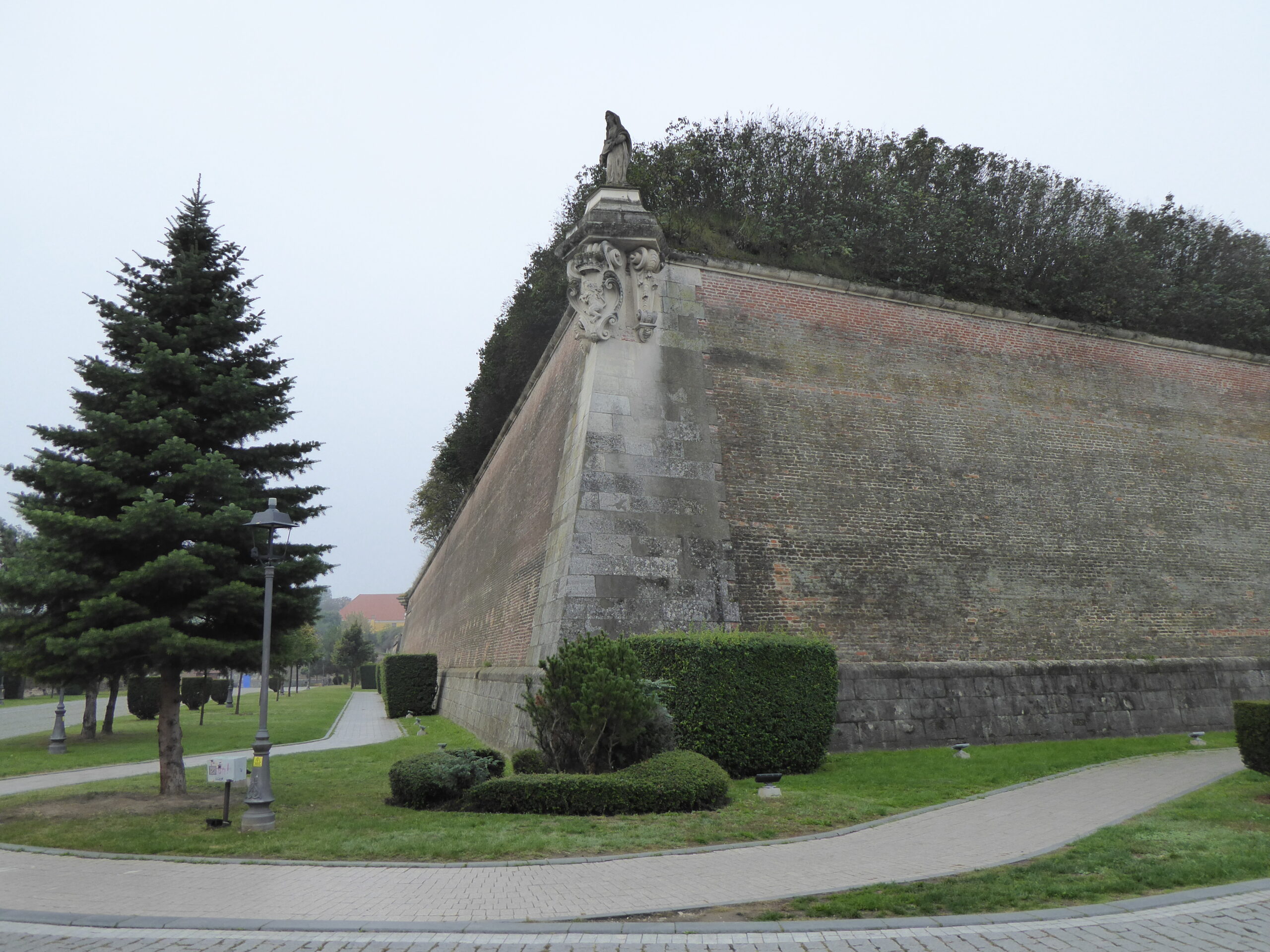
Alba Carolina – external walls
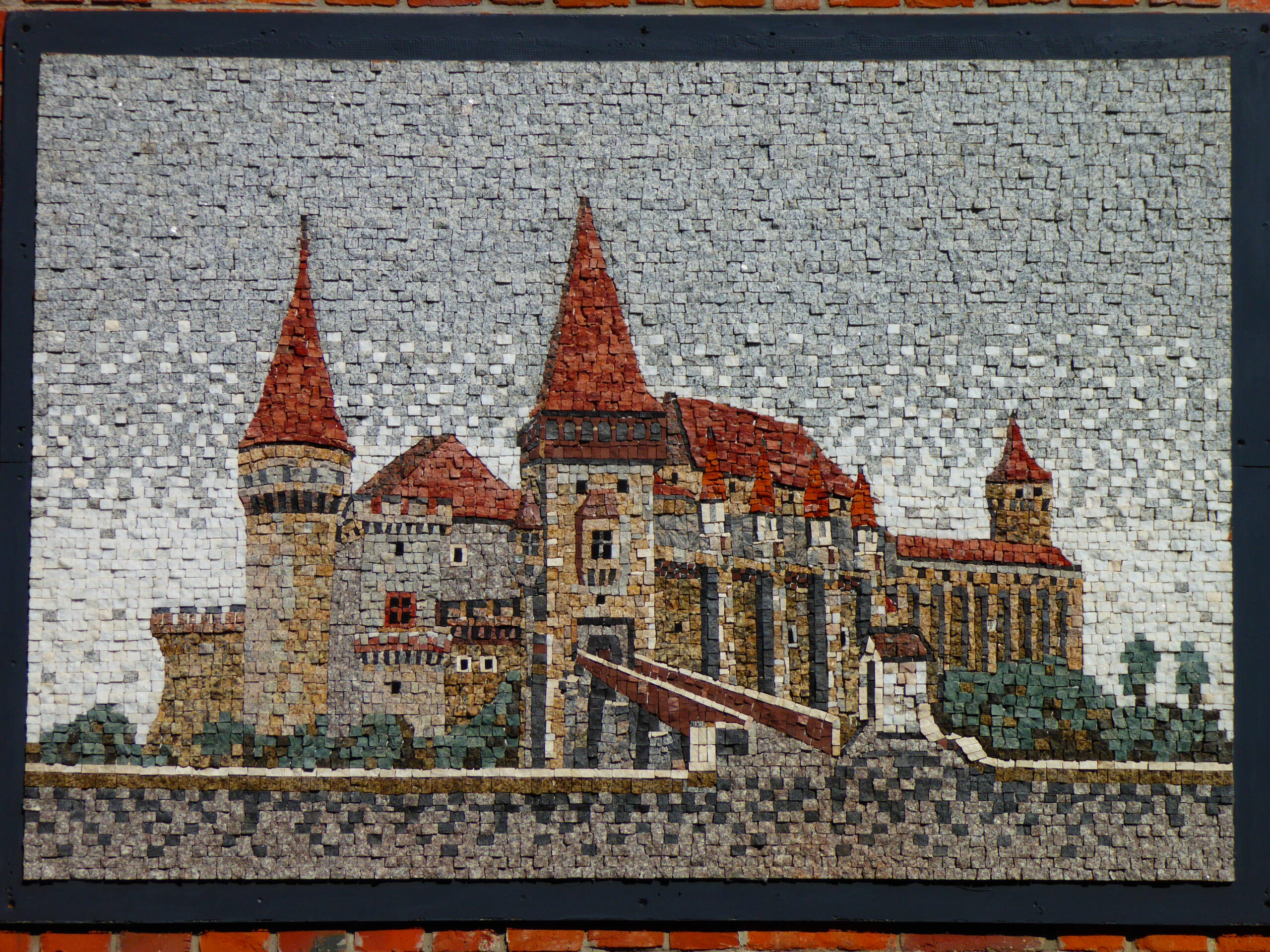
mural of Corvin Castle
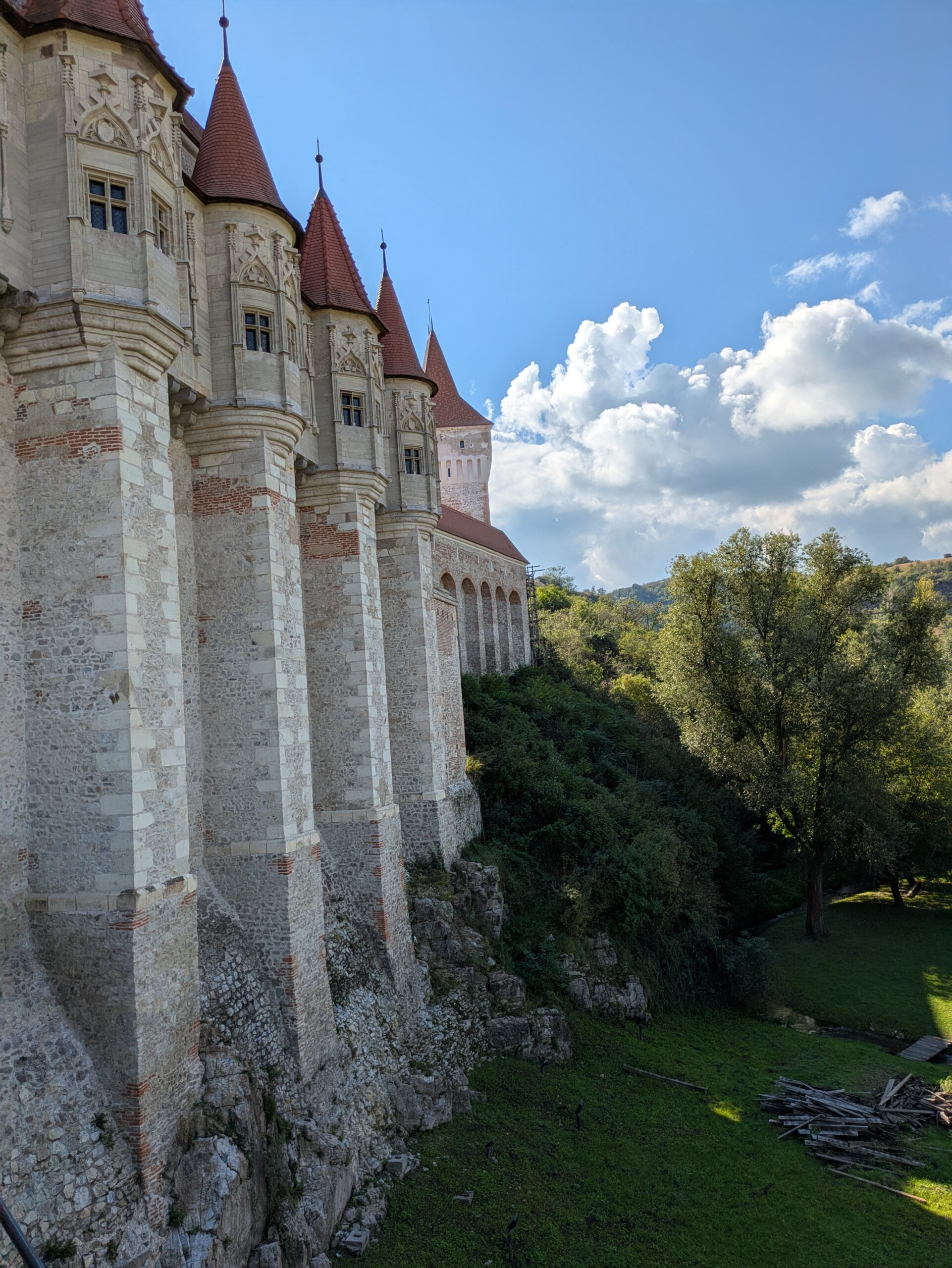
Outside the walls
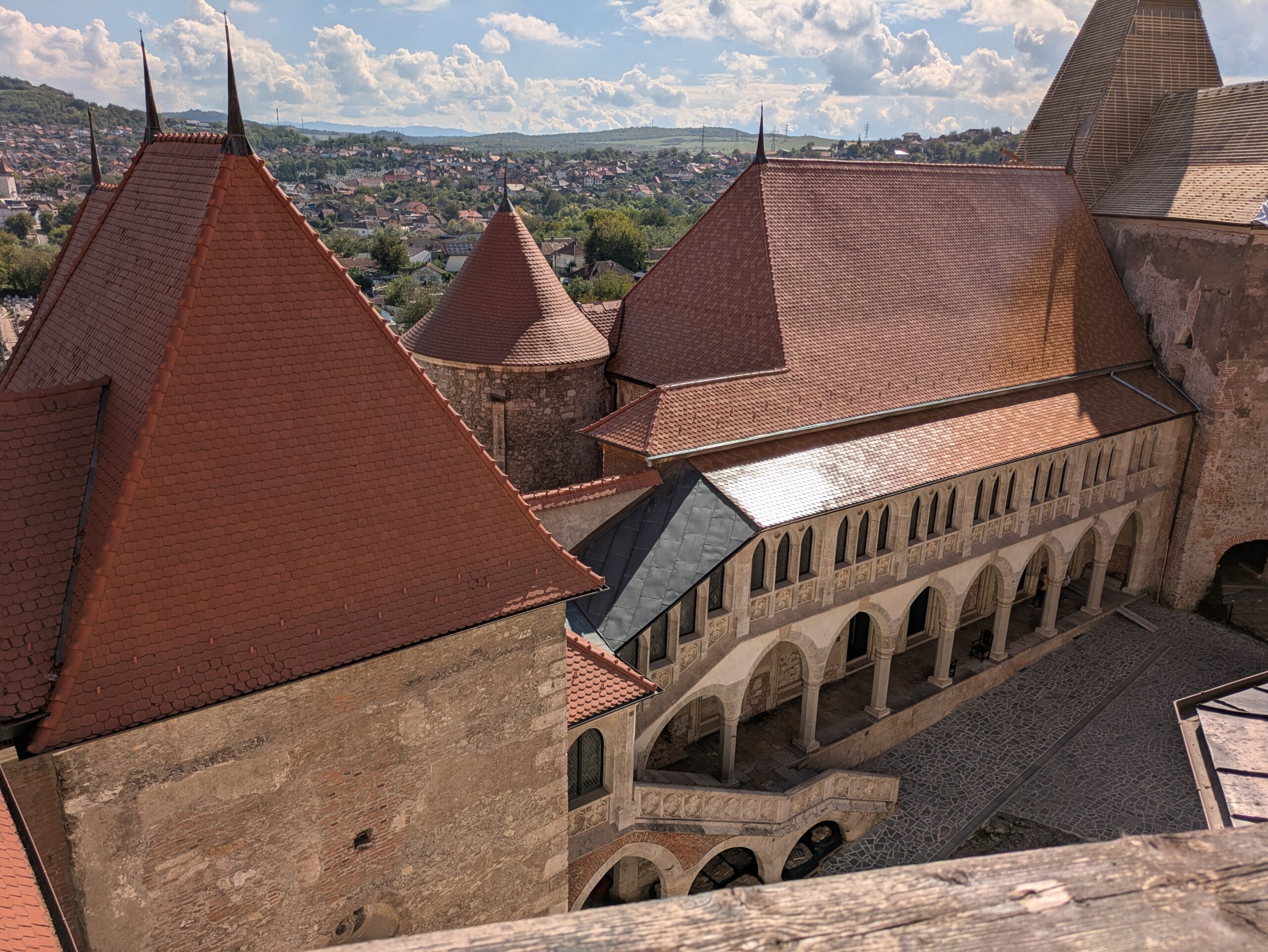
Courtyard and roofs
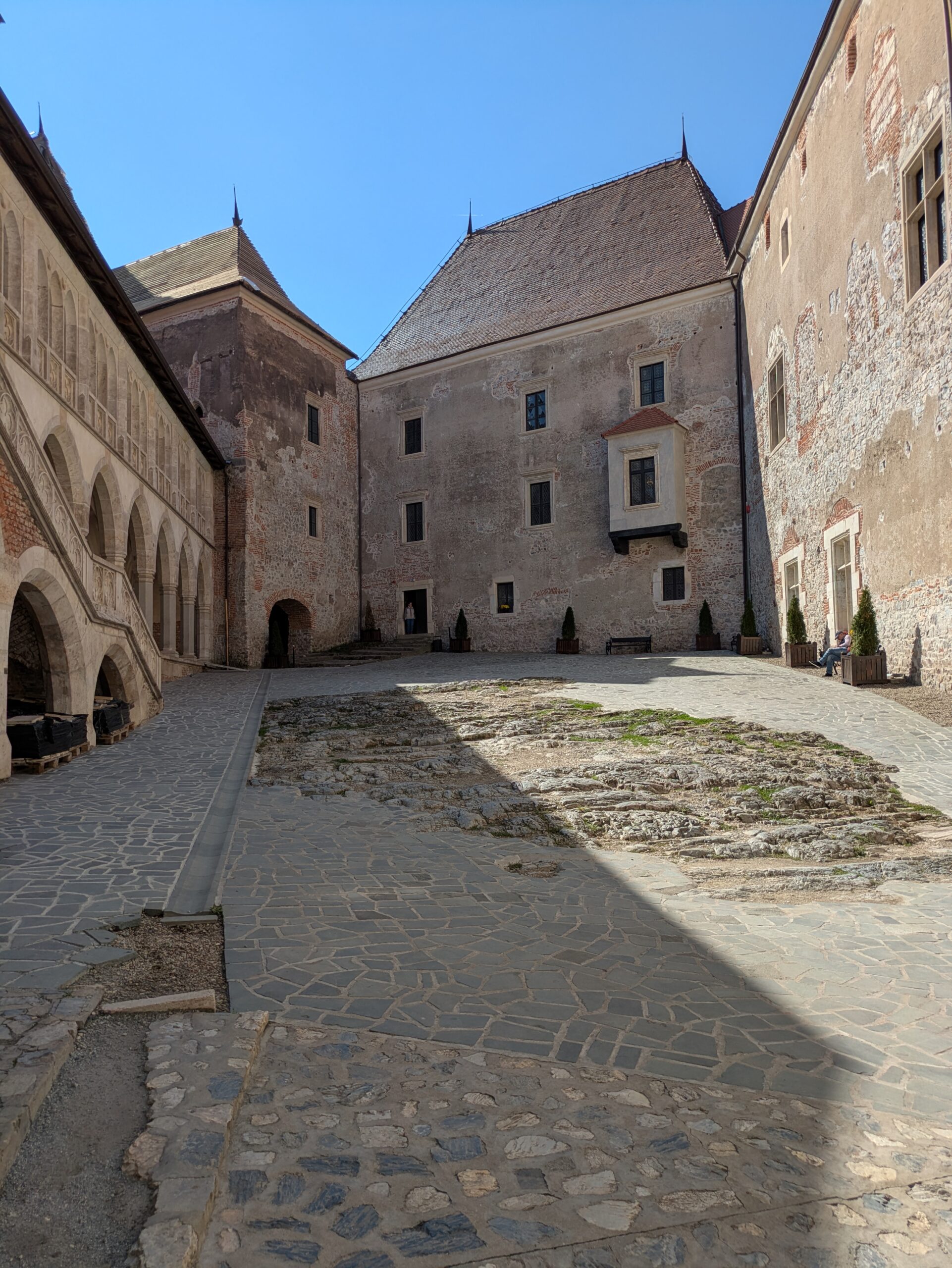
Courtyard
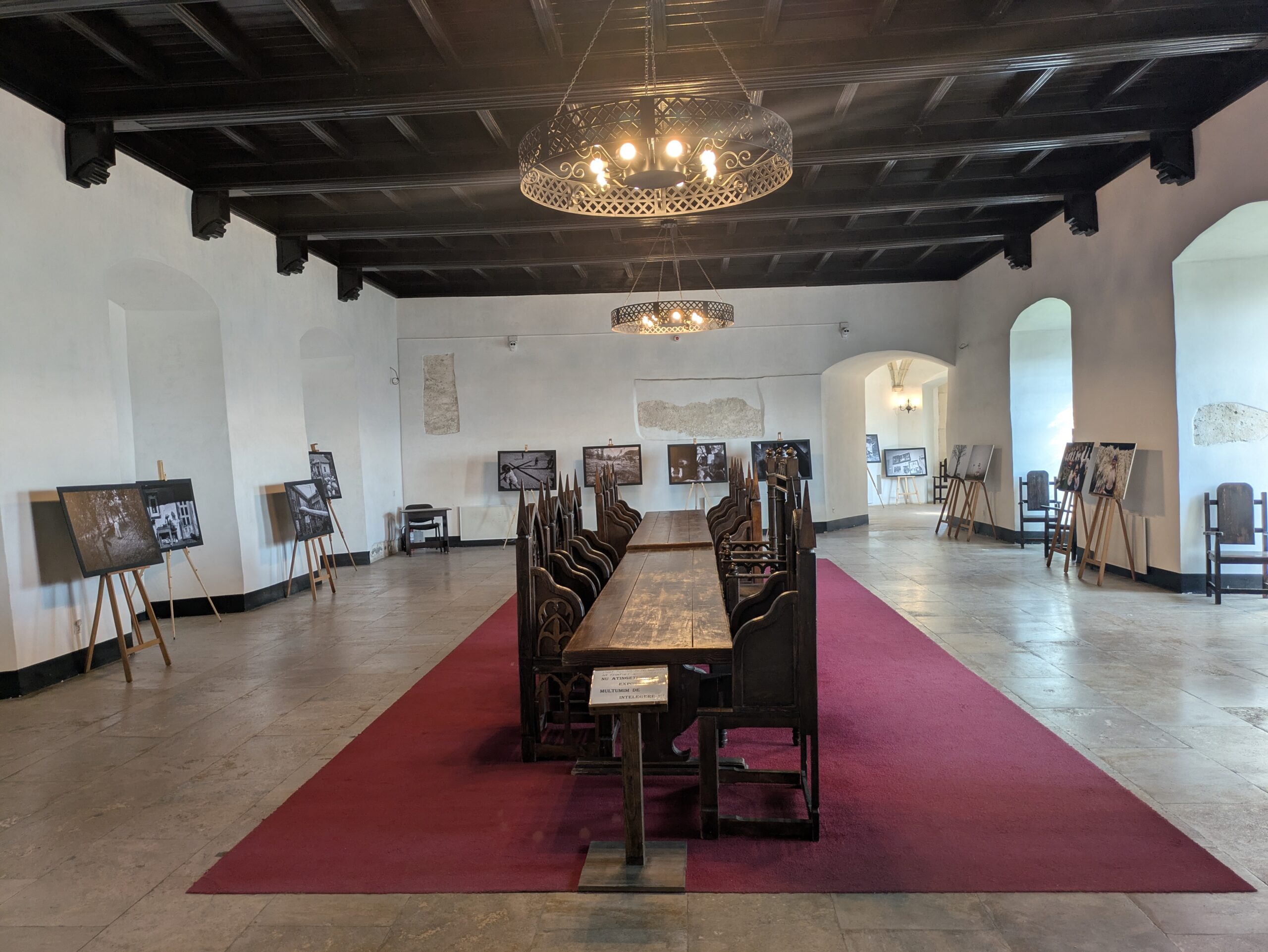
Inside
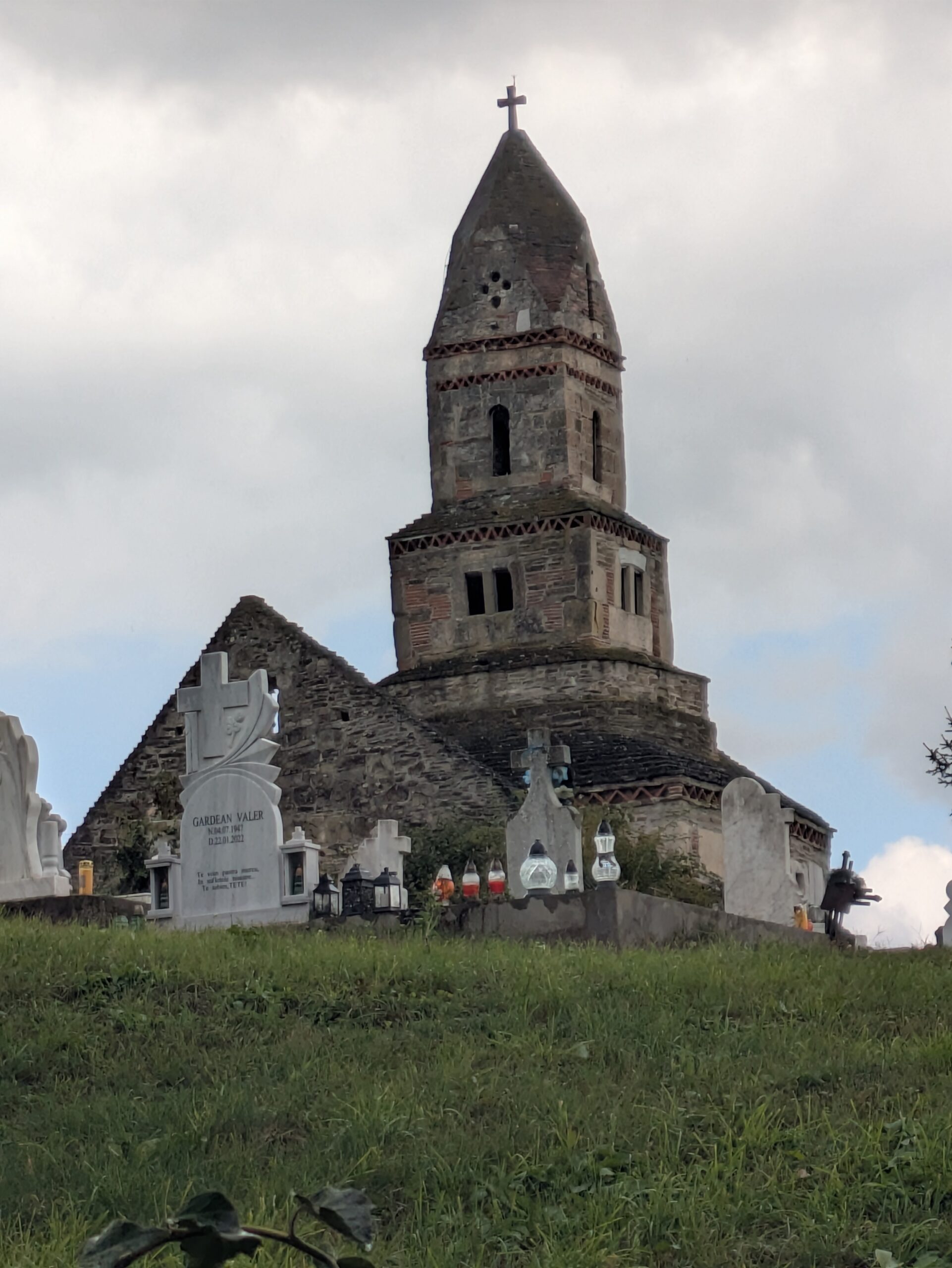
Densus Church
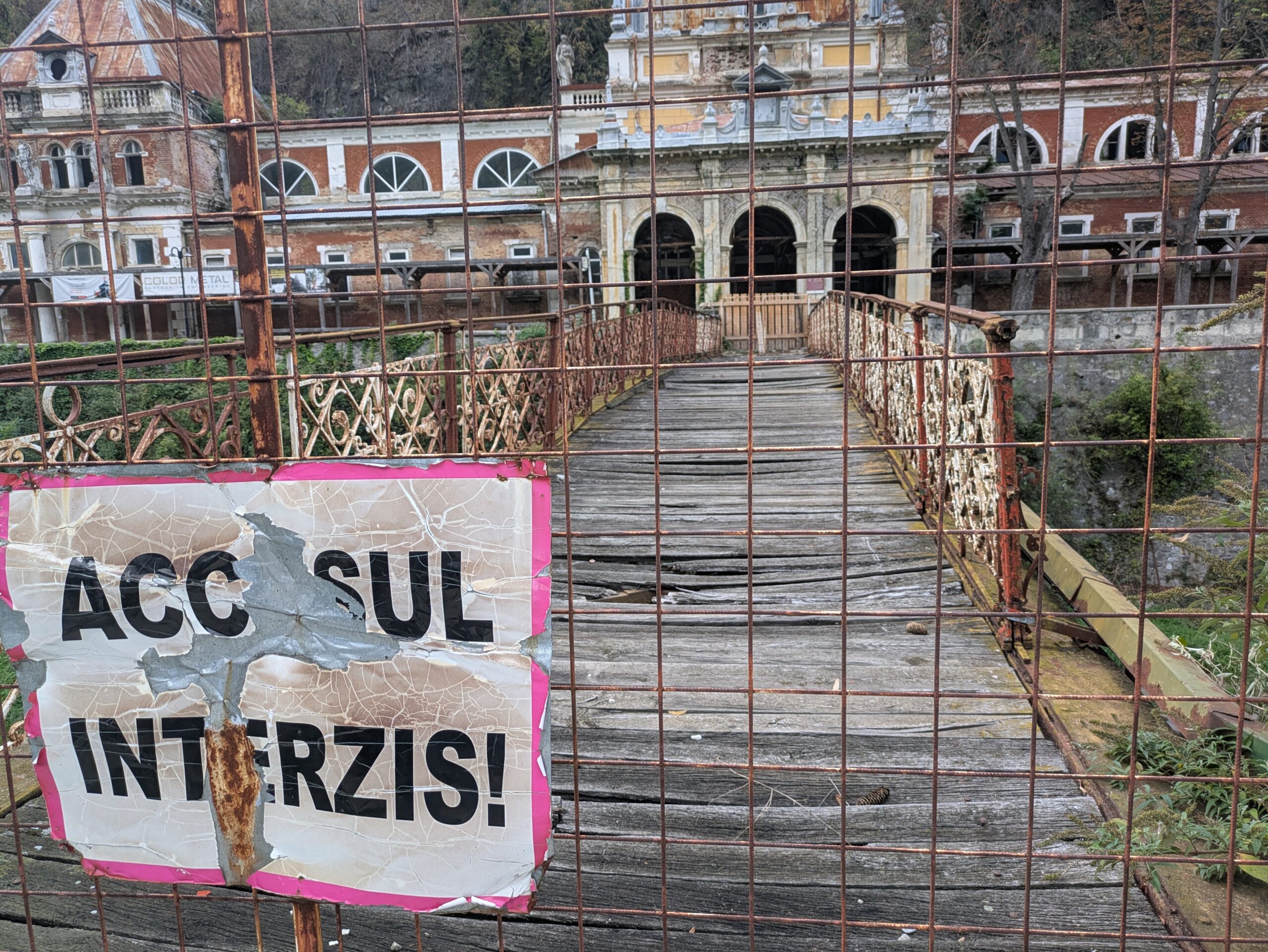
Neptune Imperial Baths
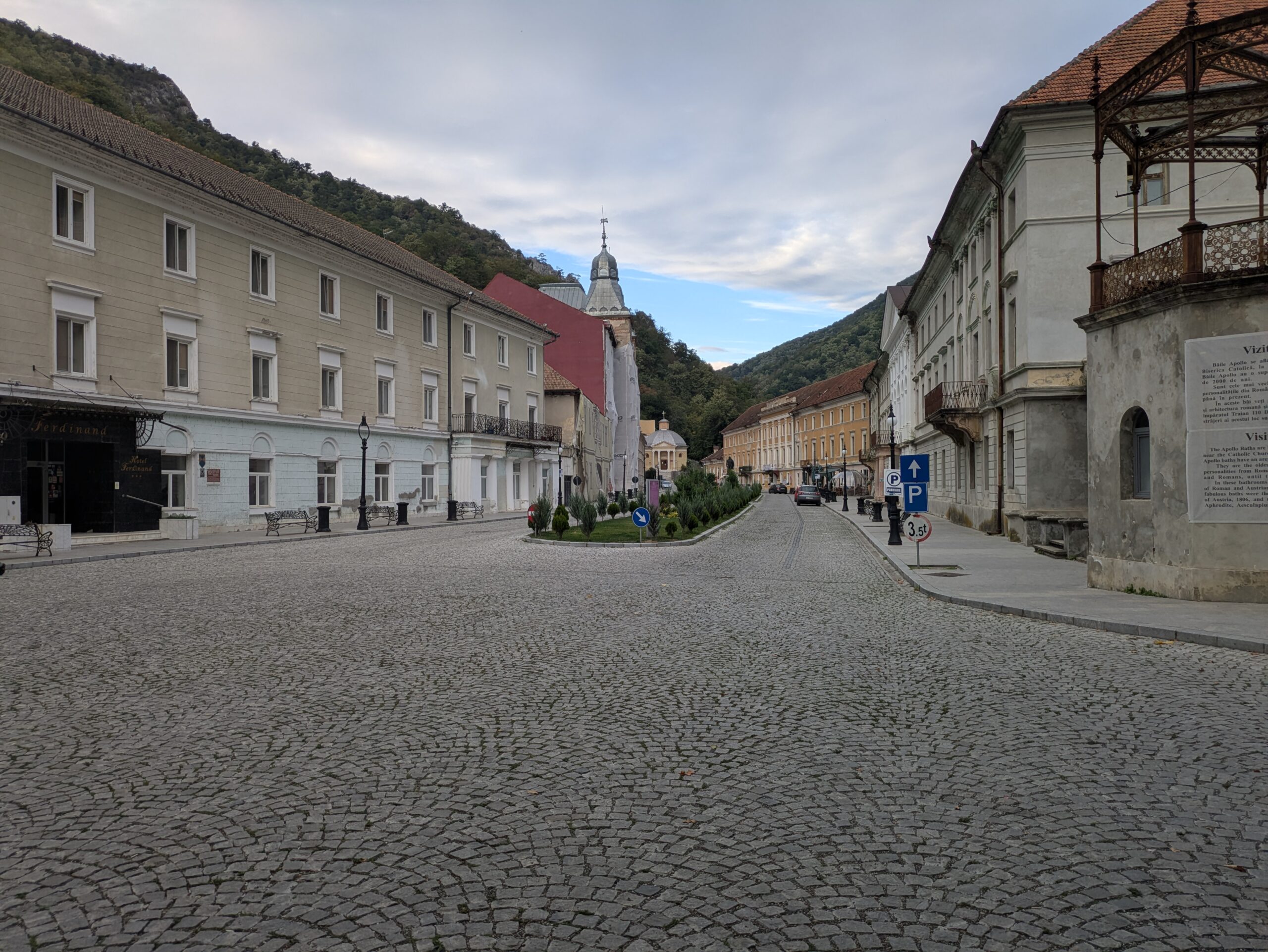
Old Town Square
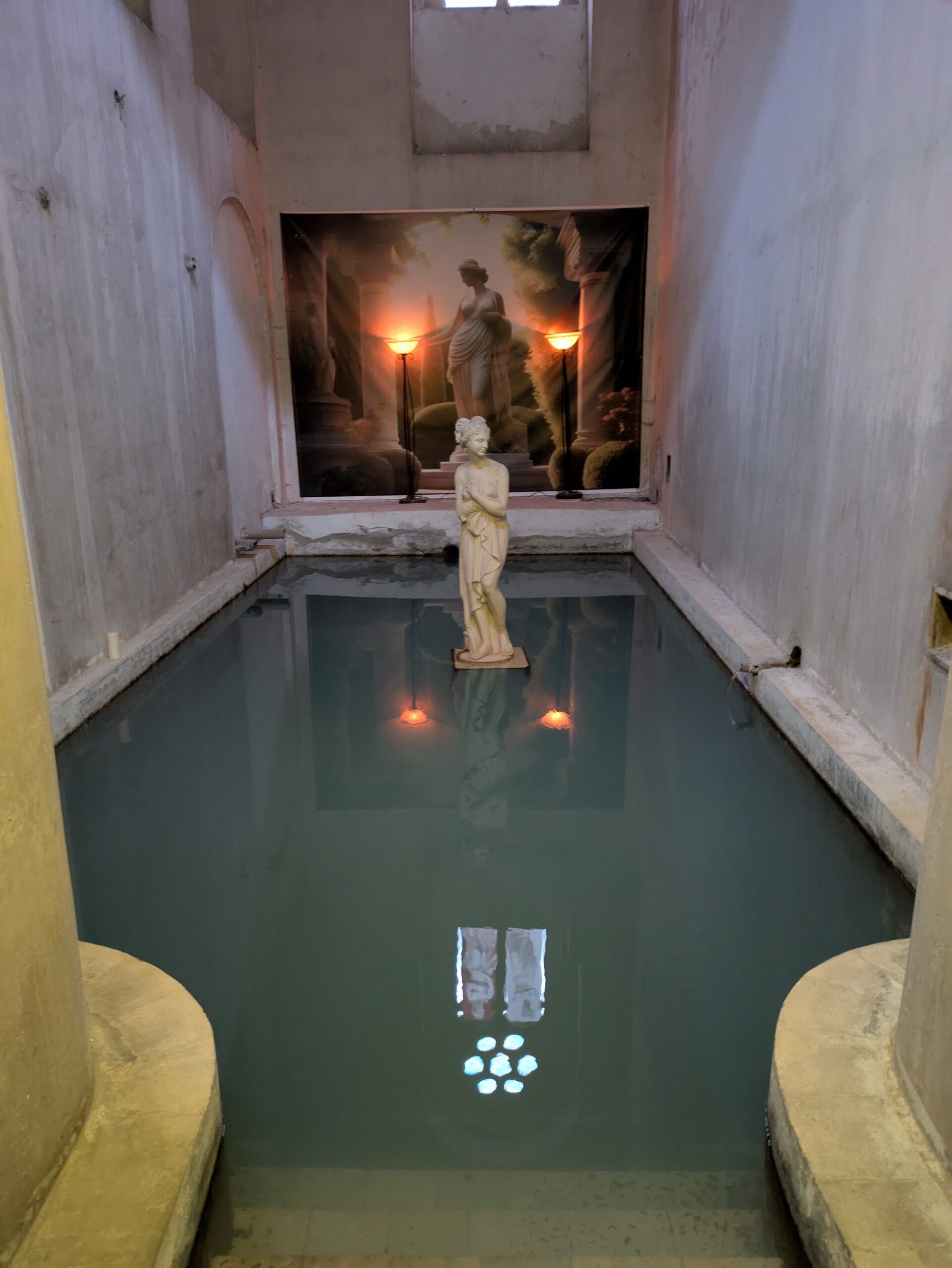
Inside the Museum
Next day didn’t go according to plan. It was miserable lower down and our route was planned to go over the Transalpina Pass, described as a “big ticket item” – but when we got there (first car), it was barricaded and we saw the tail end of a reporter speaking to camera probably discussing the closure
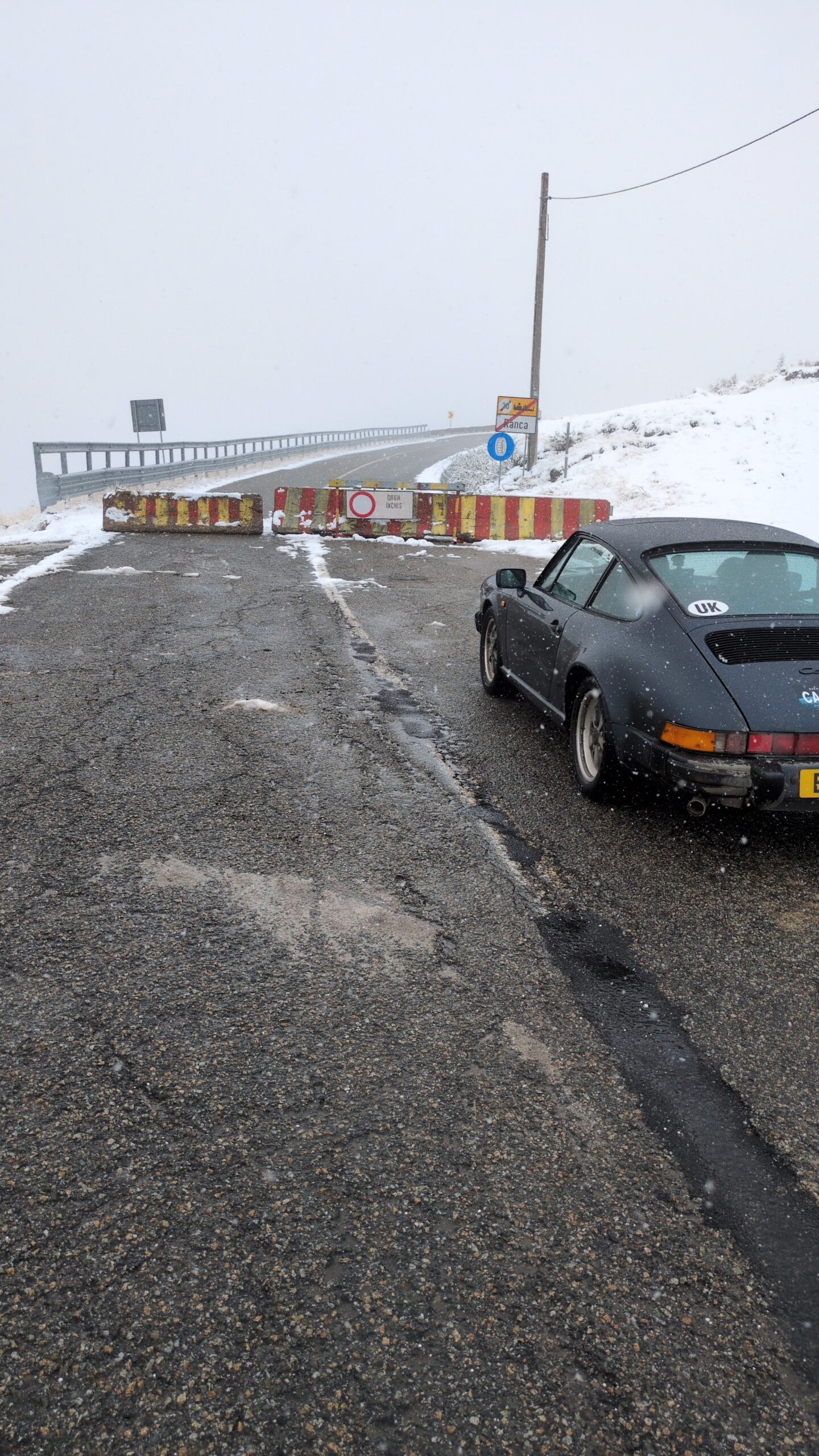
Transalpina – closed
Day 8 was overcast and turned to wet as we climbed the Transfagarasan Pass, only 2000 metres but at least it was open.
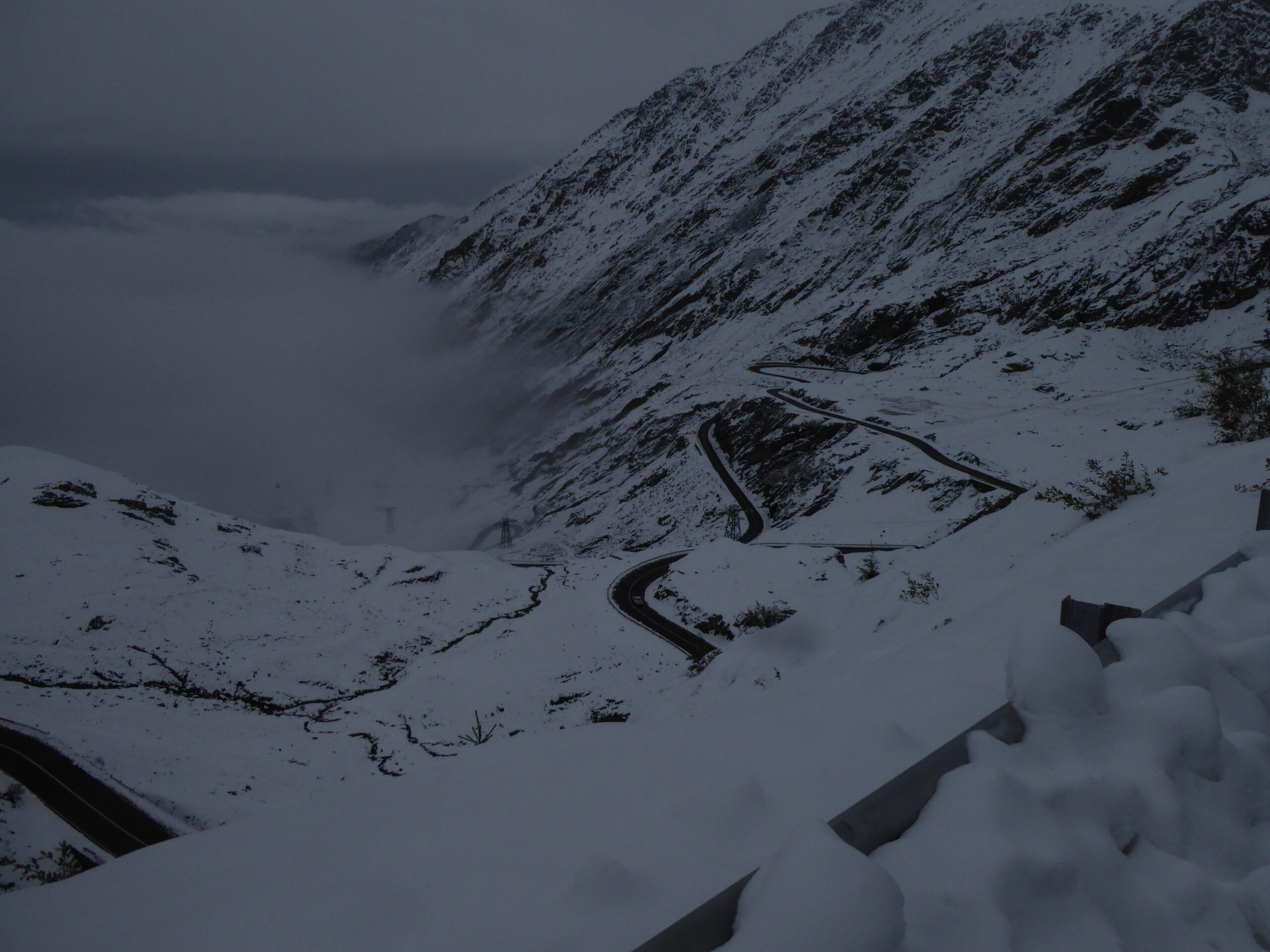
Transfagarasan looking back from the pass
Next day we were back on the Ceausescu trial, first to the house where he was born and then to the once grand football stadium he built for the small village. After a few seasons of Fear-induced success, the team dwindled and the stadium remains a monument to inappropriateness.
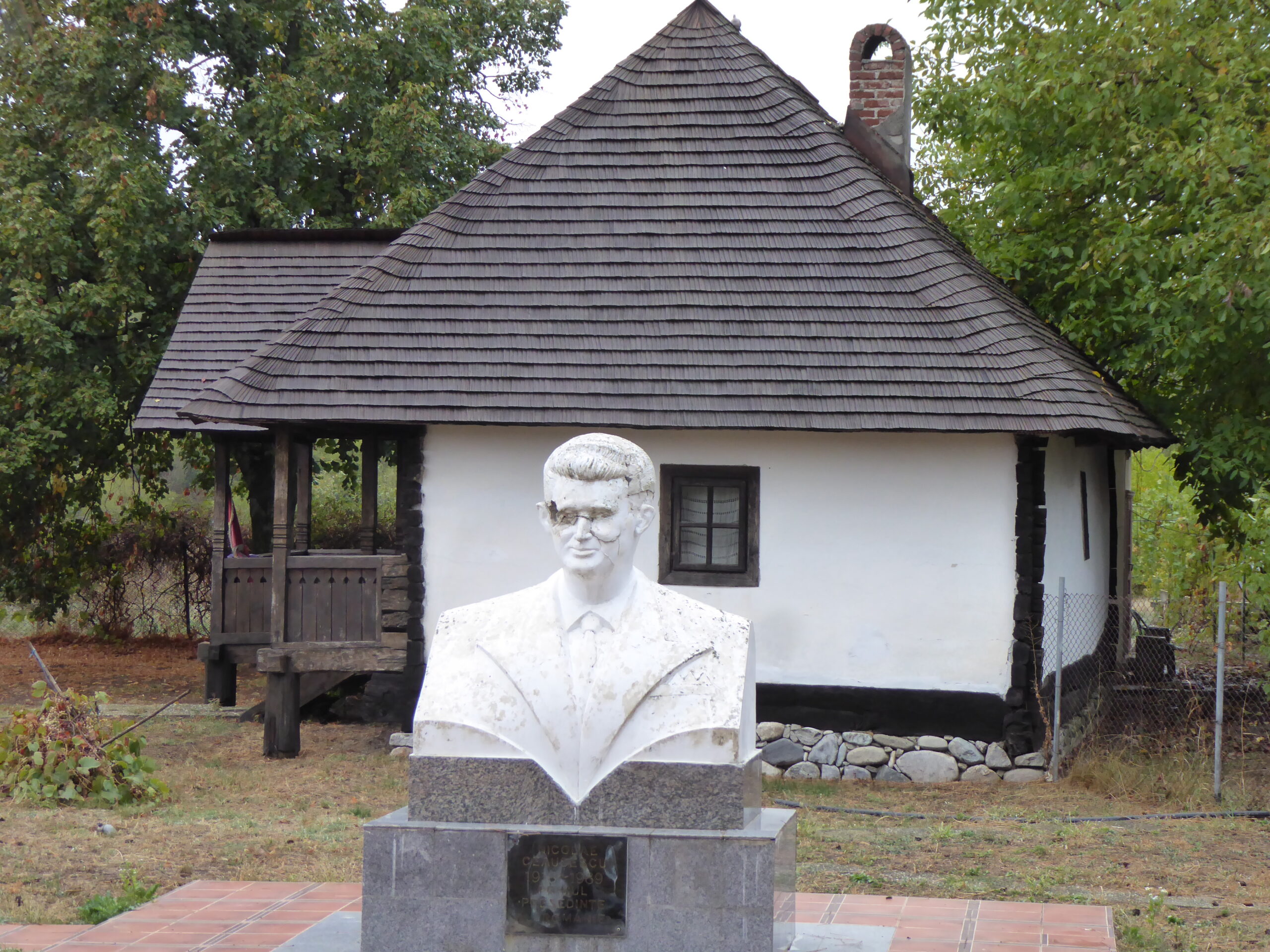
The house
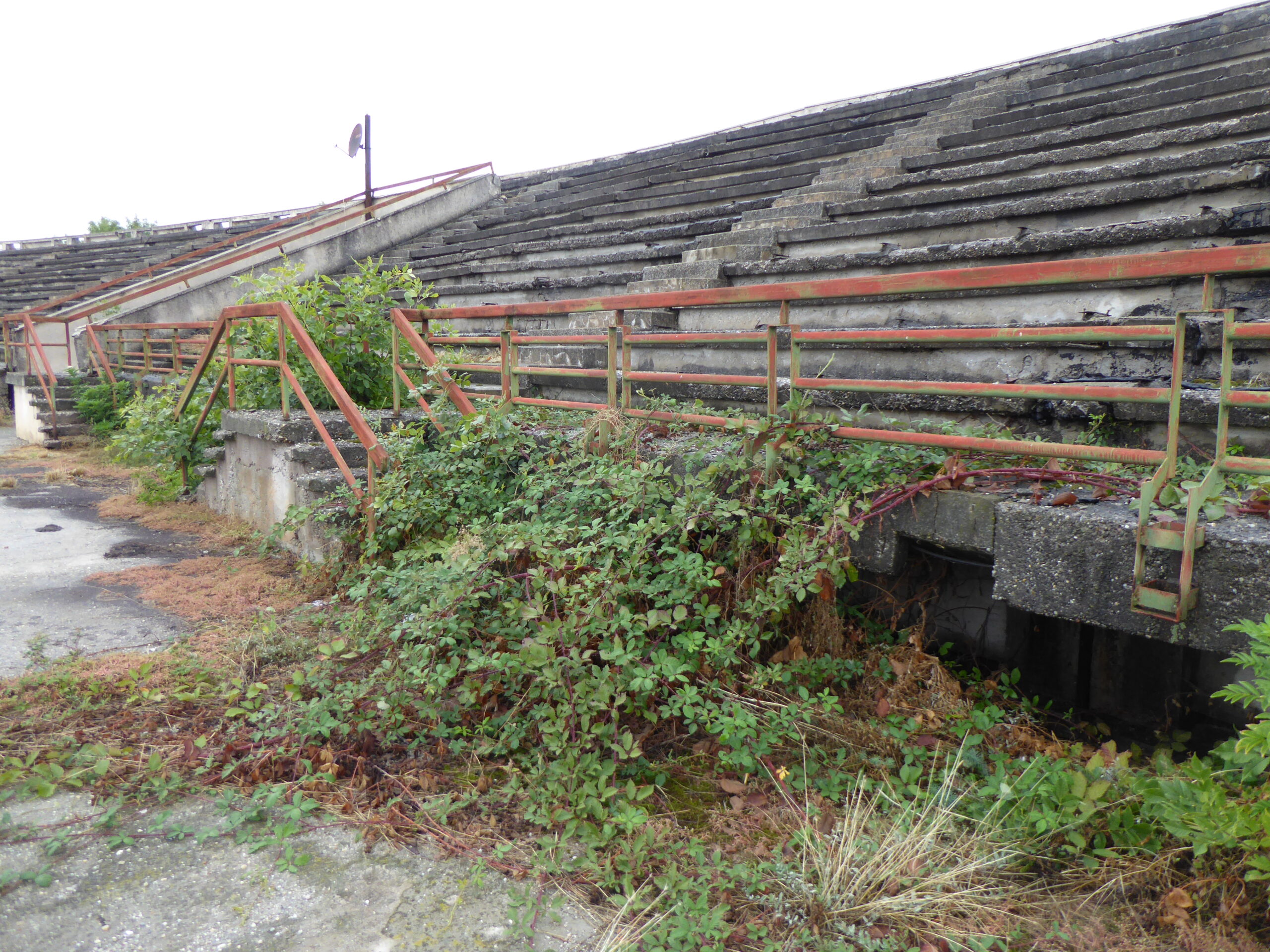
The stadium
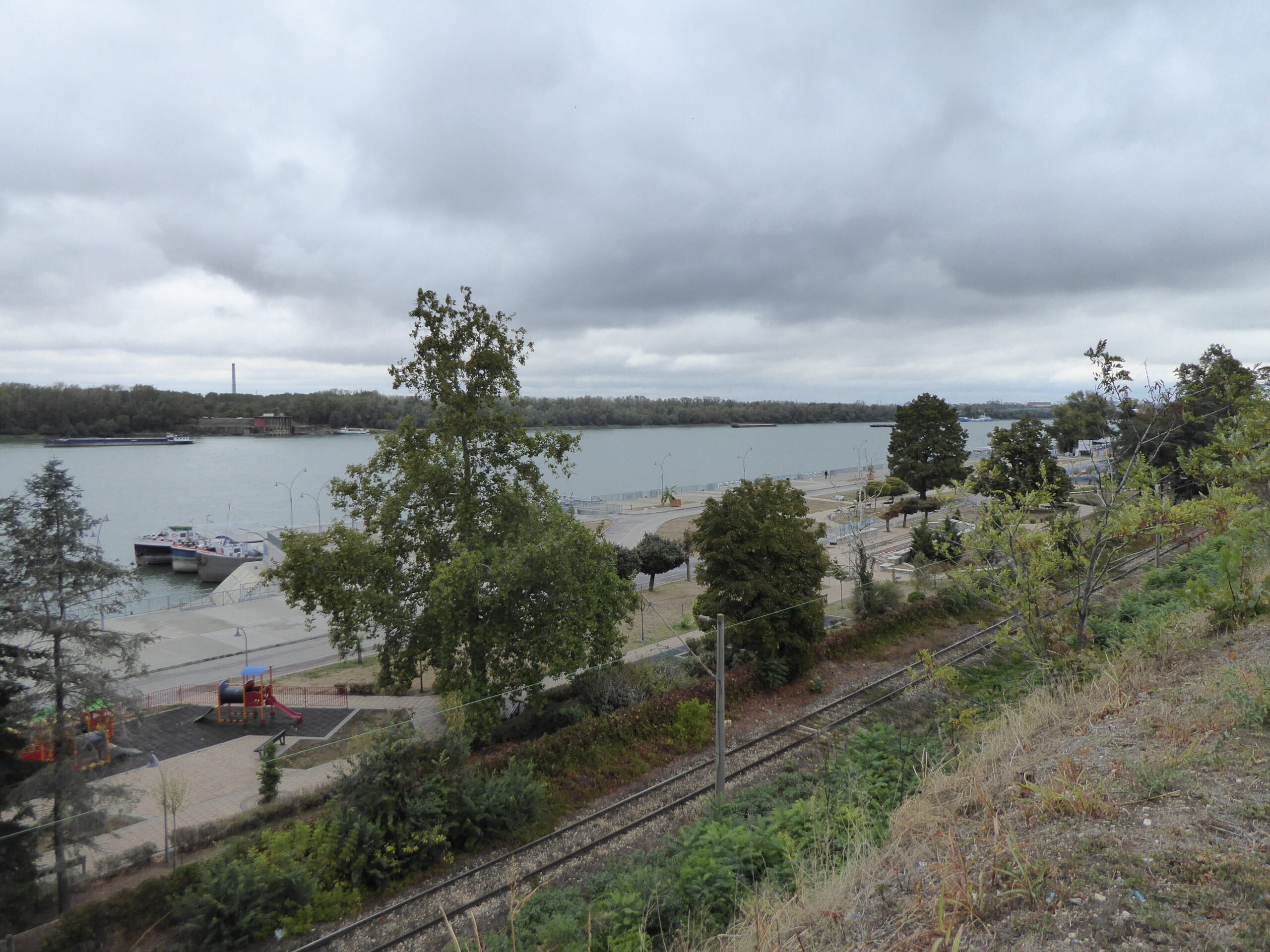
Dull Day Danube
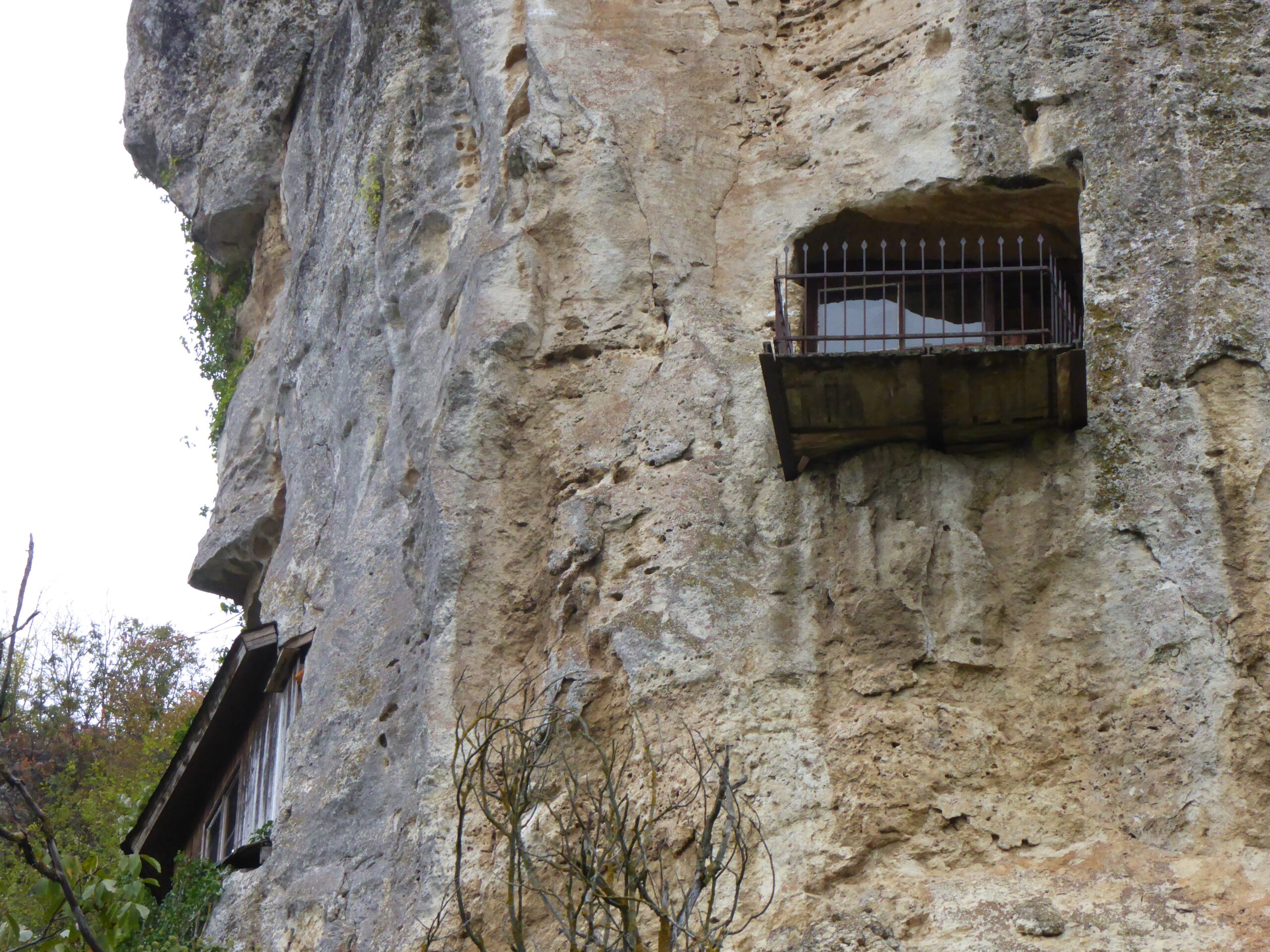
Front and back, the Church is inside
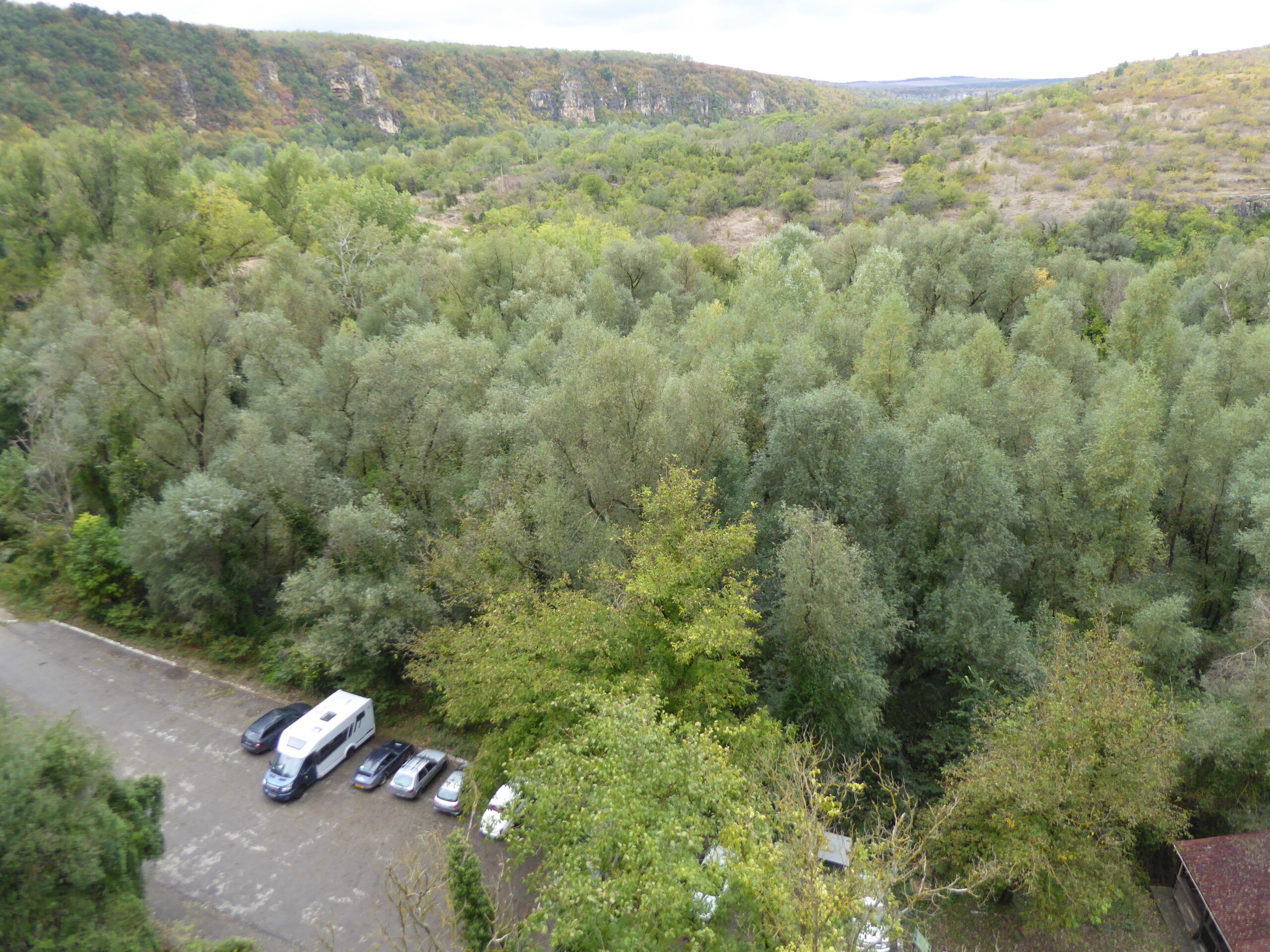
Looking down from the balcony
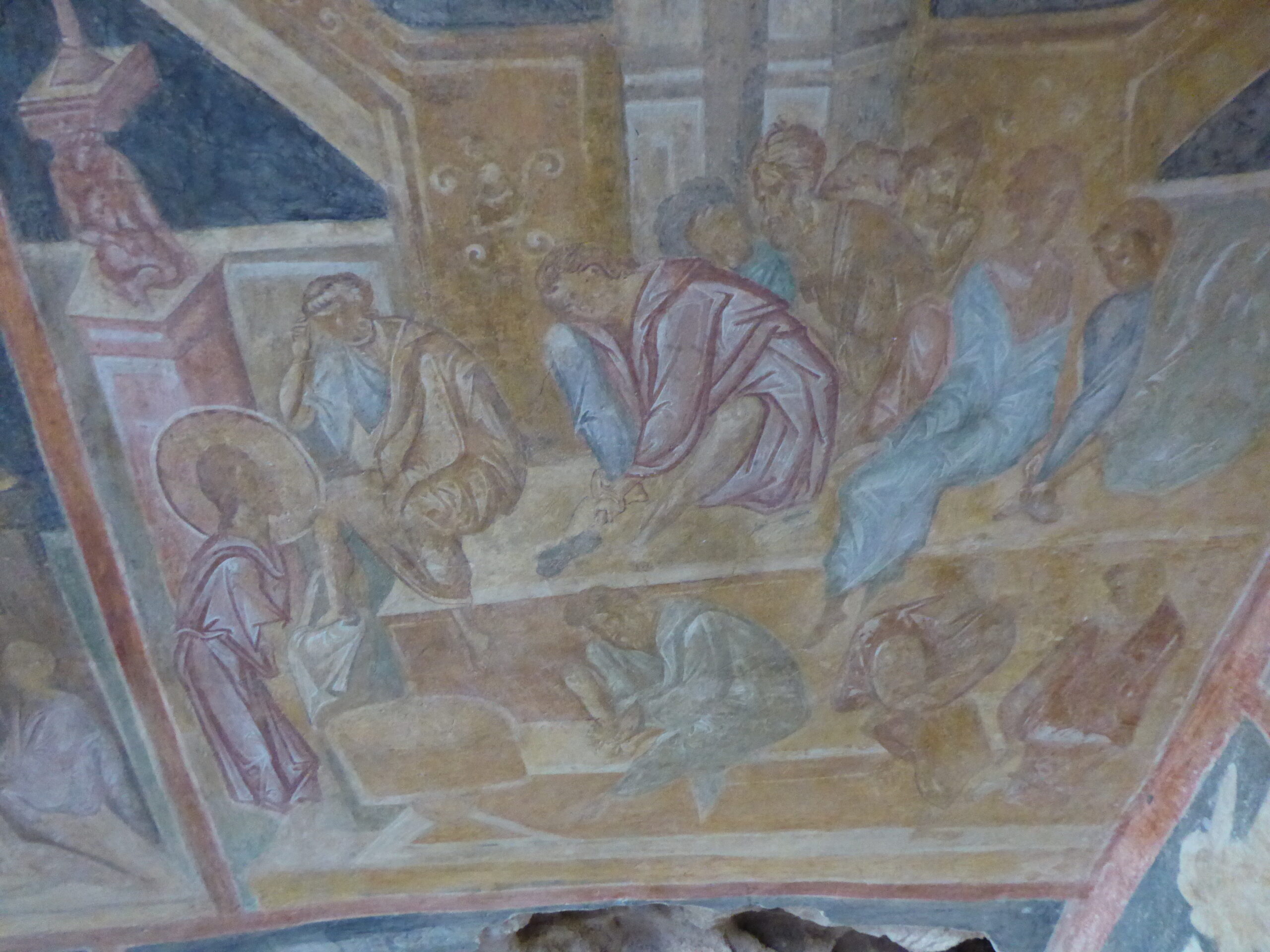
Rock painting
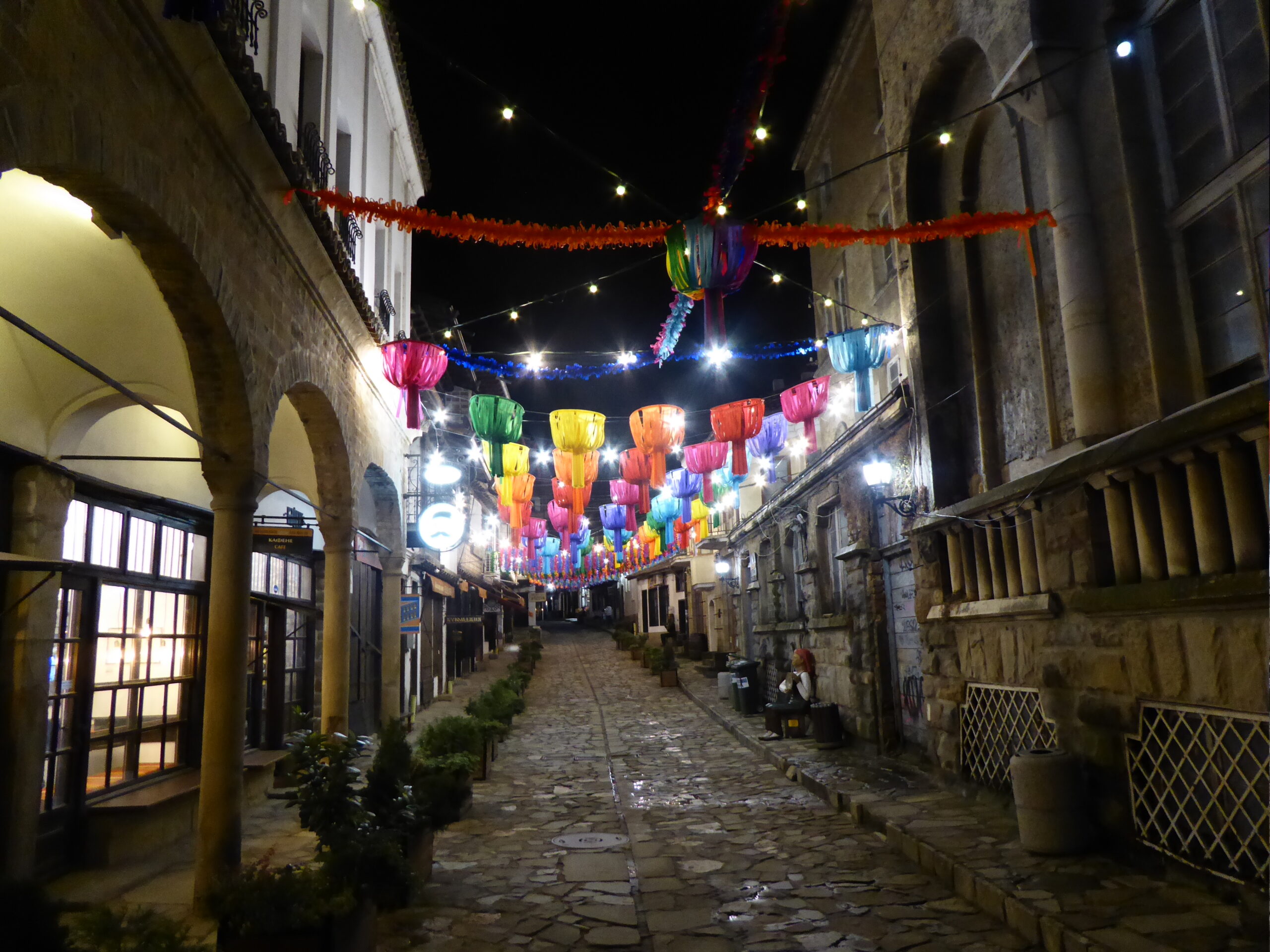
Deserted old town street
5th October started with a group visit to the Tsaravets Fortress
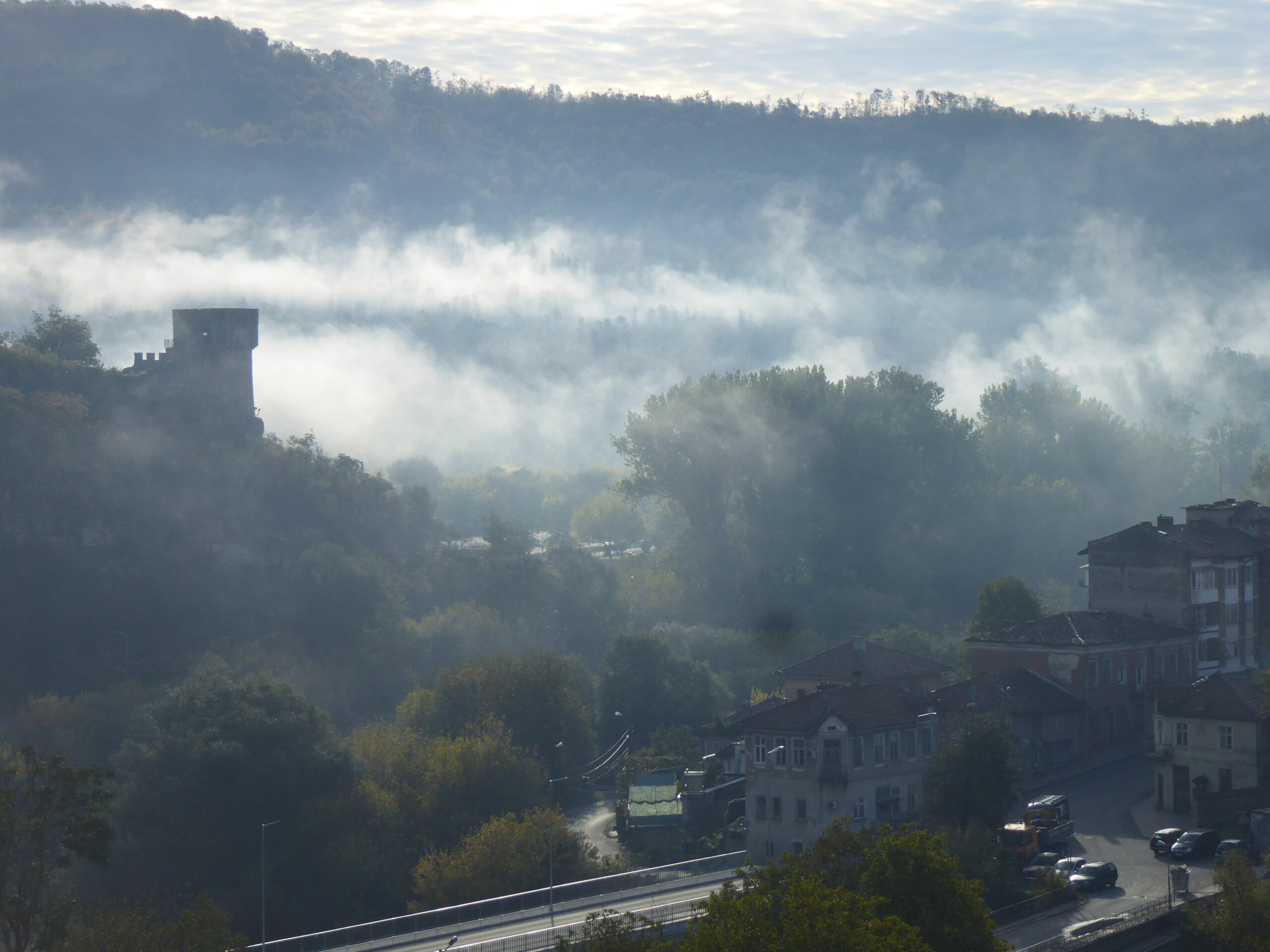
Misty morning view
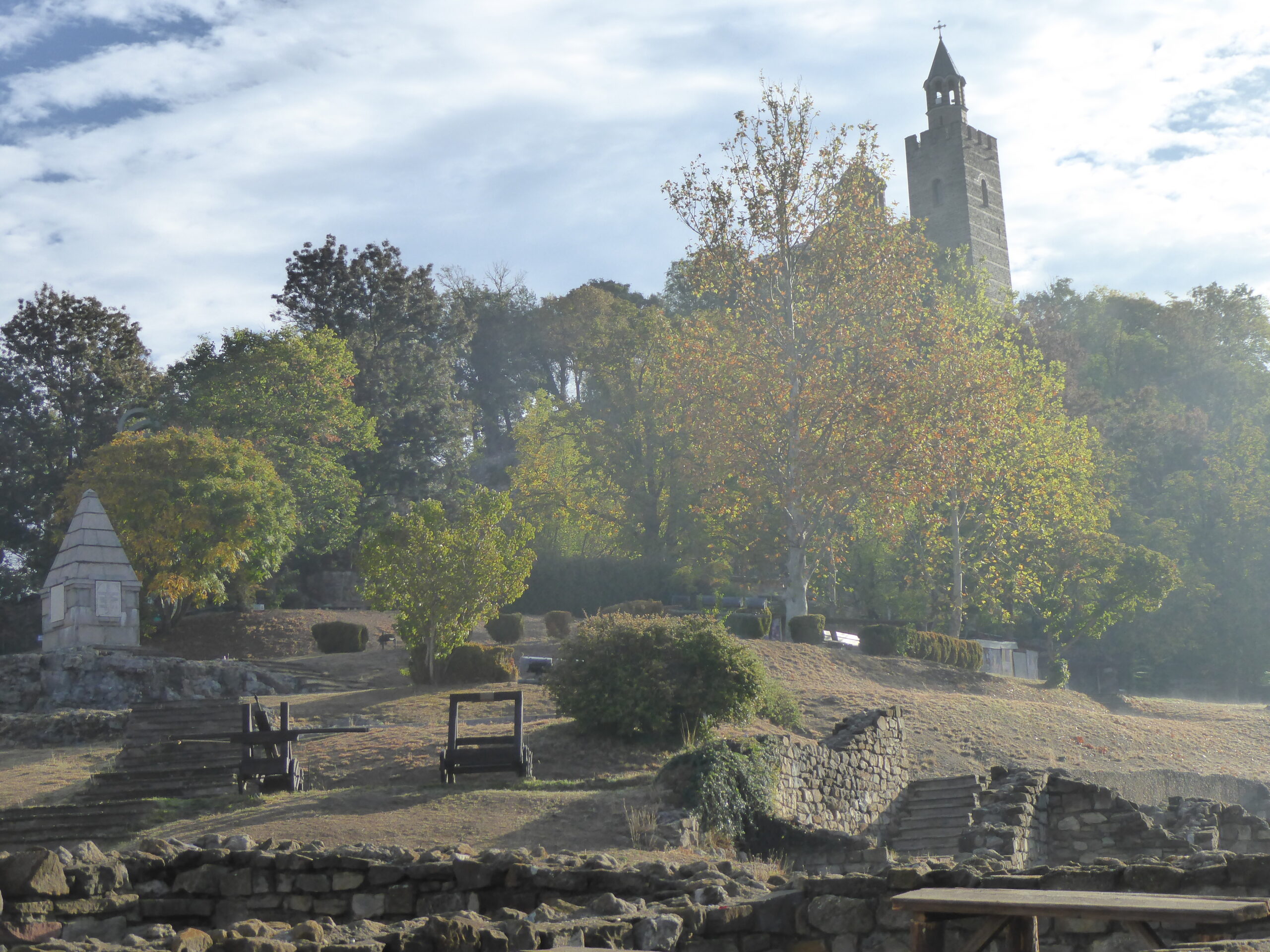
Inside Tsaravets Fortress
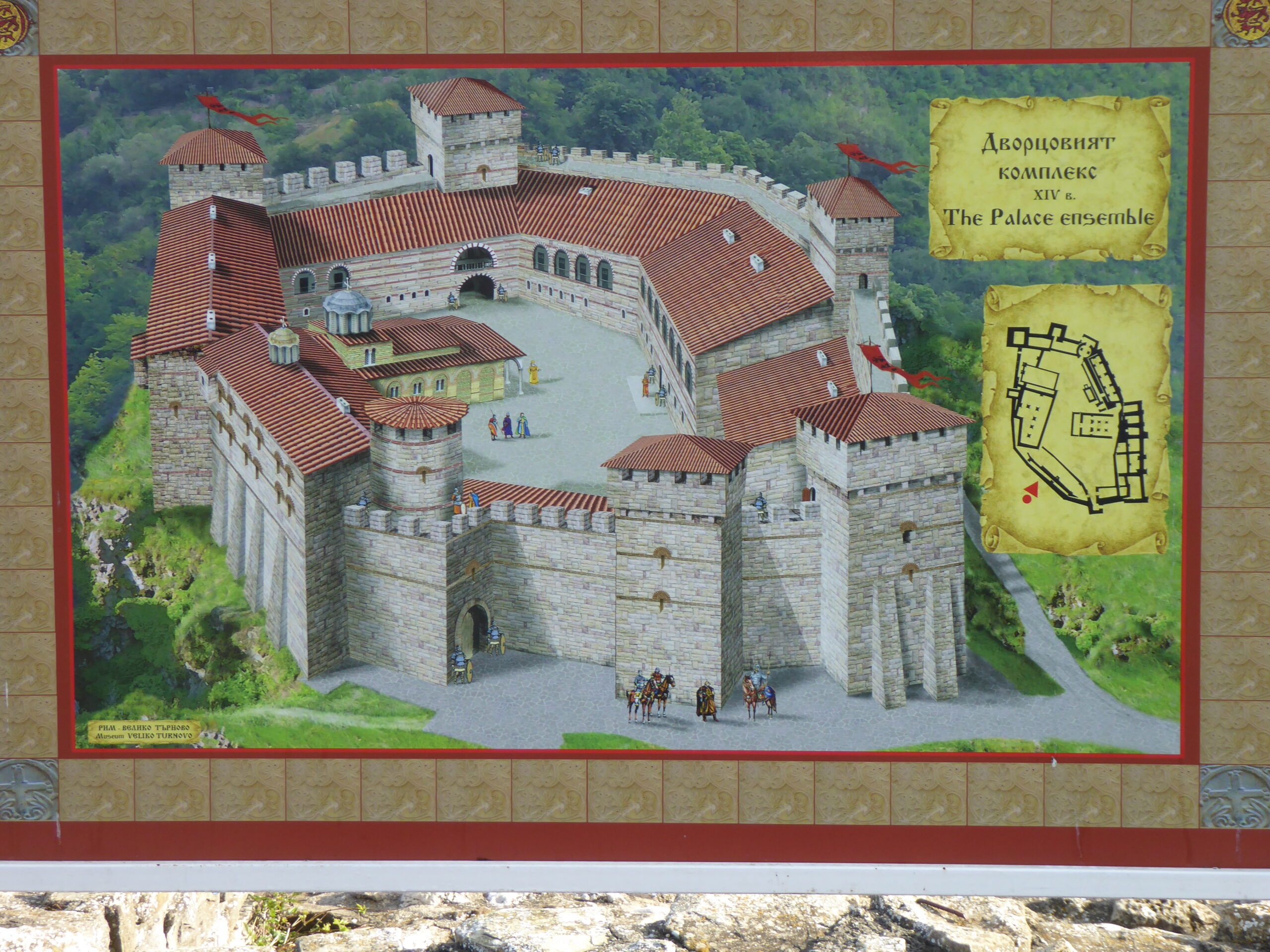
Impression of the Palace complex
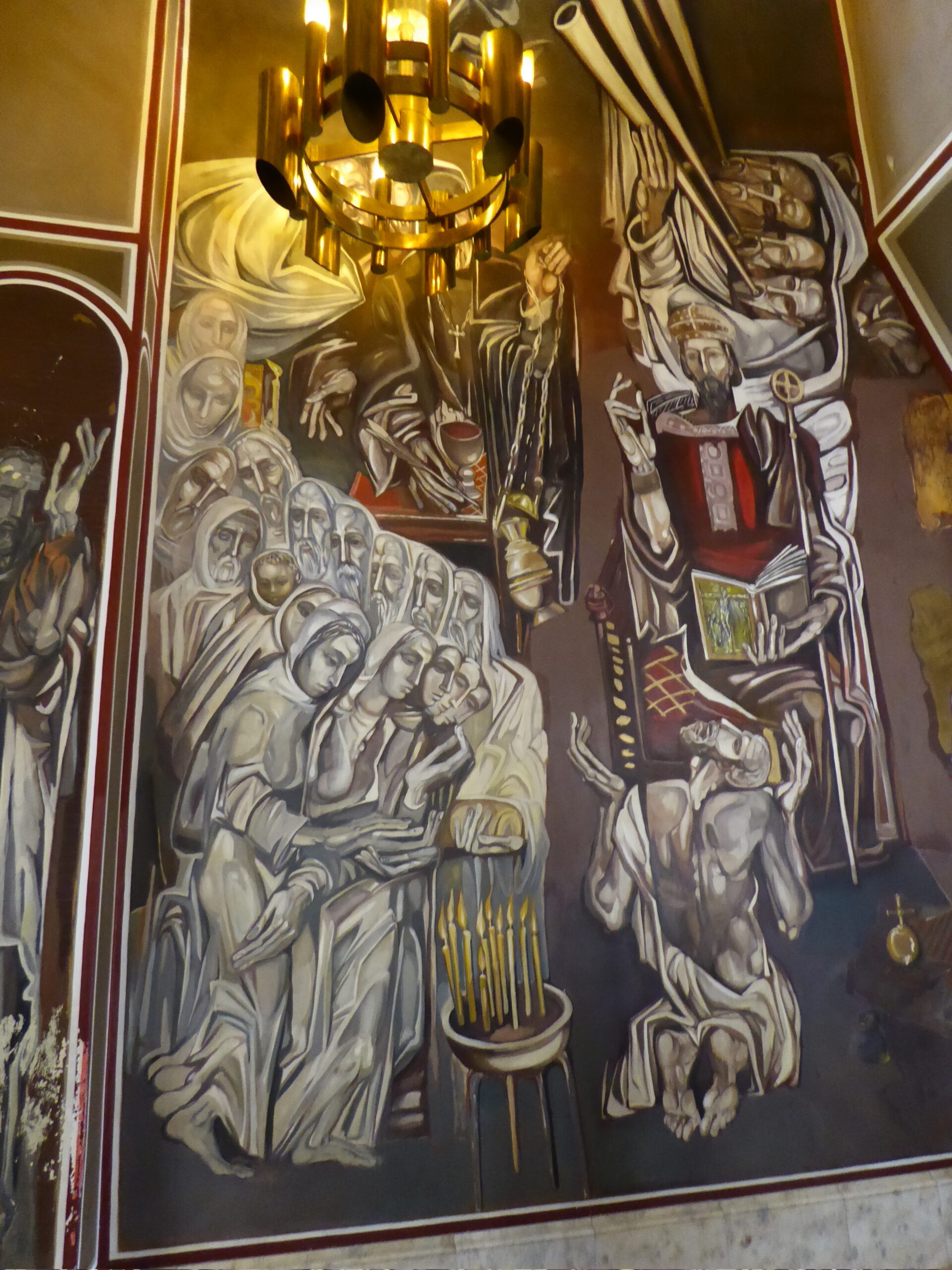
modern church art
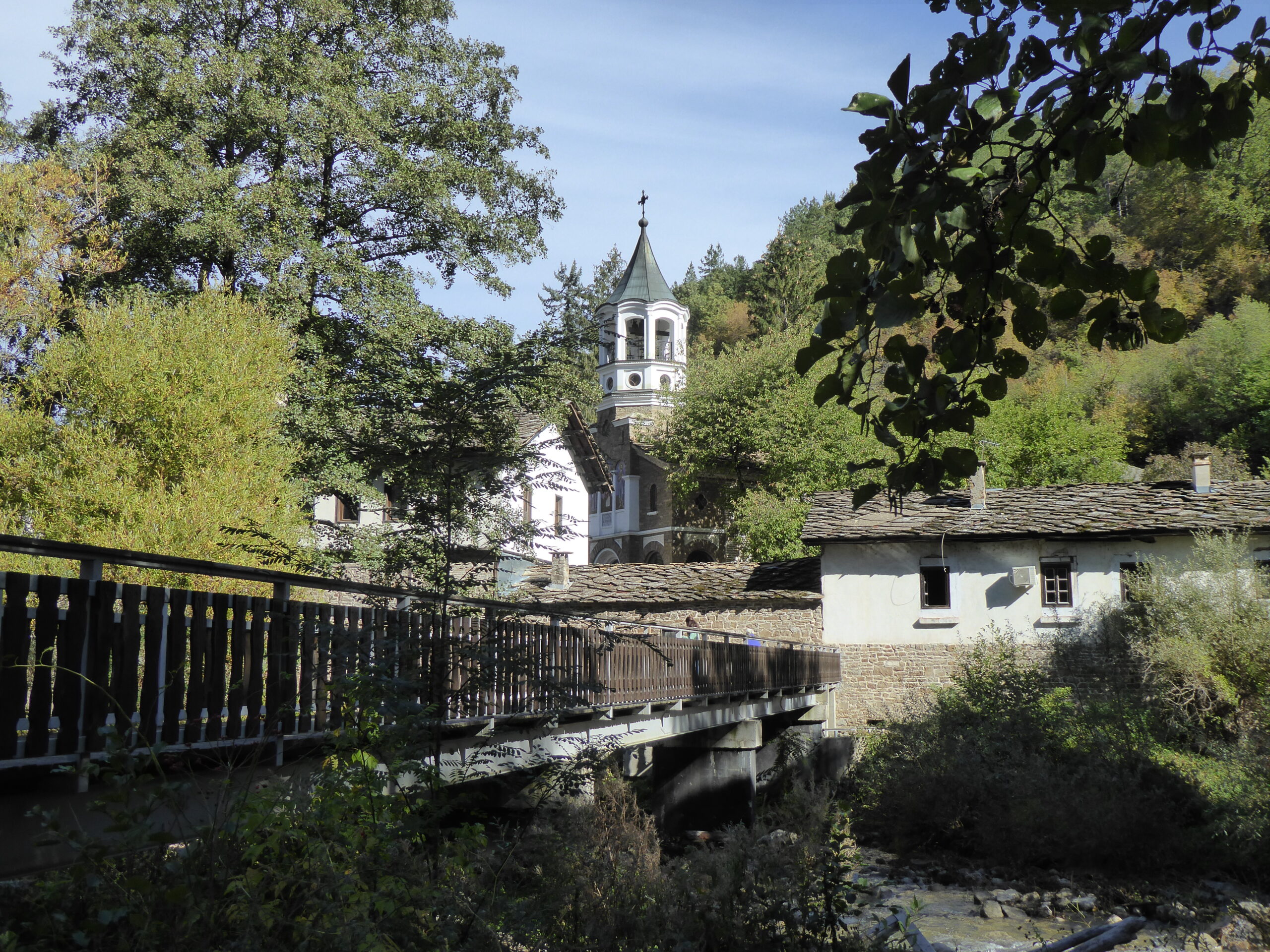
Dryanovo Monastery
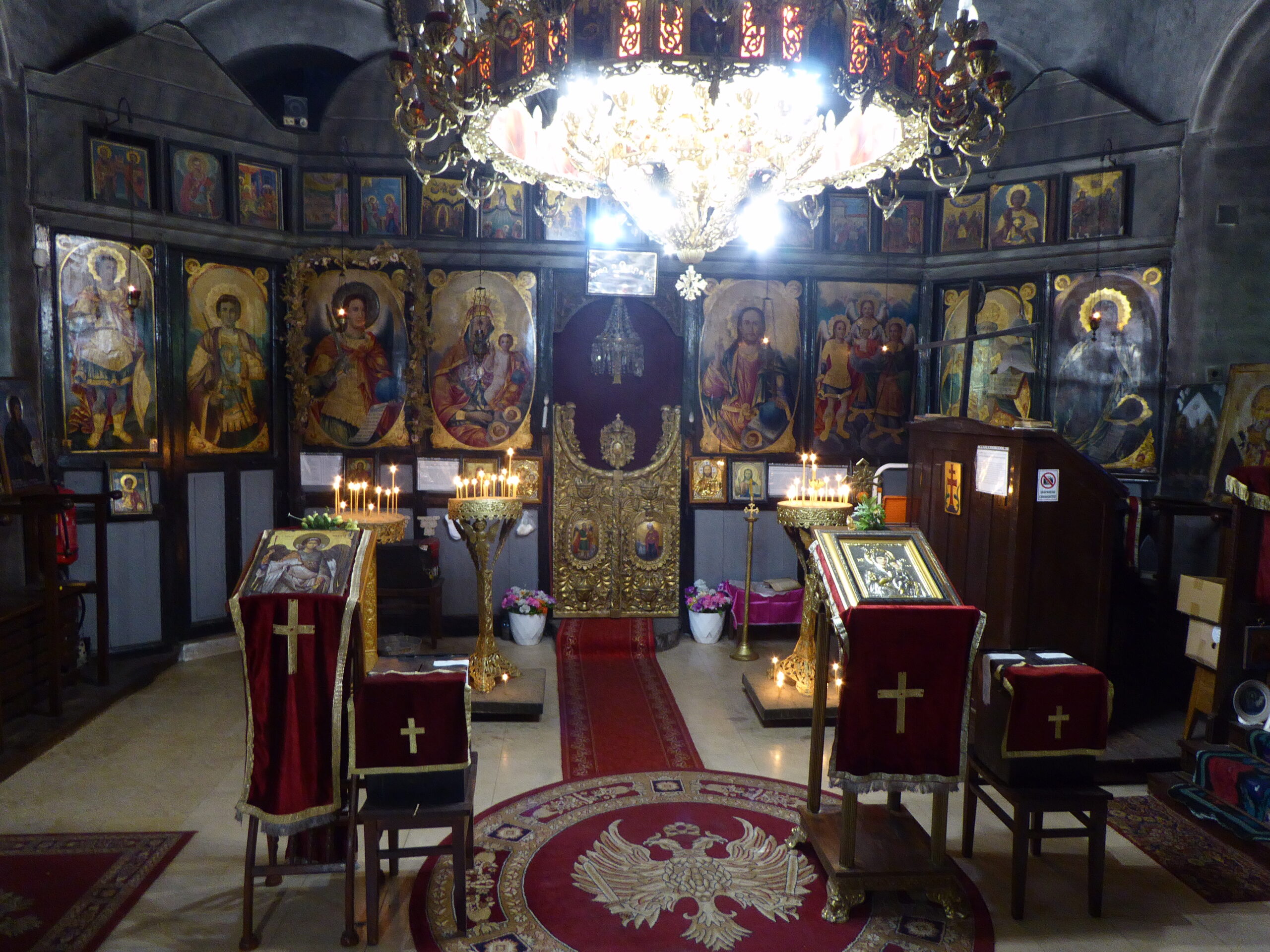
Inside
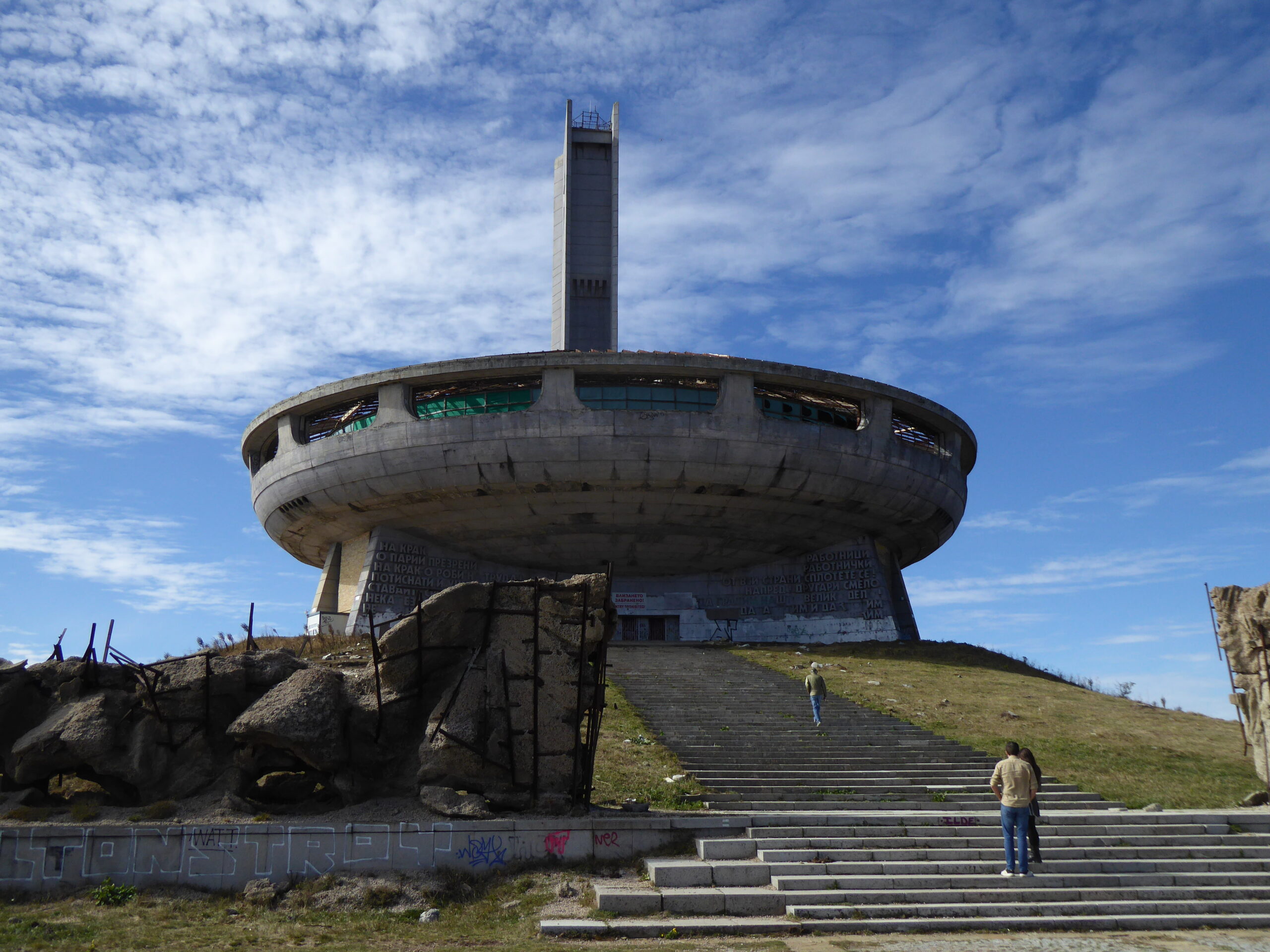
A Spaceship?
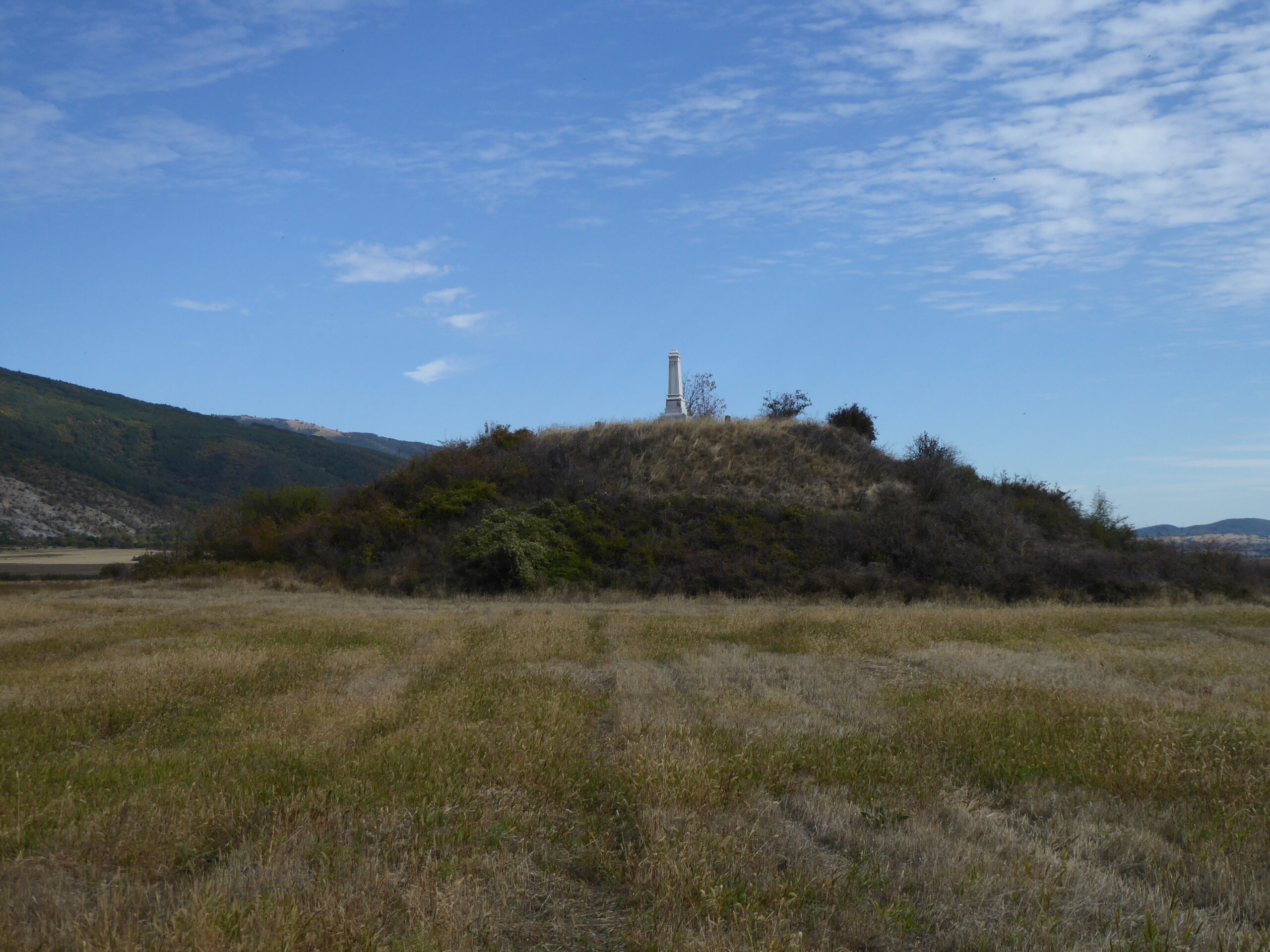
Thracian mound
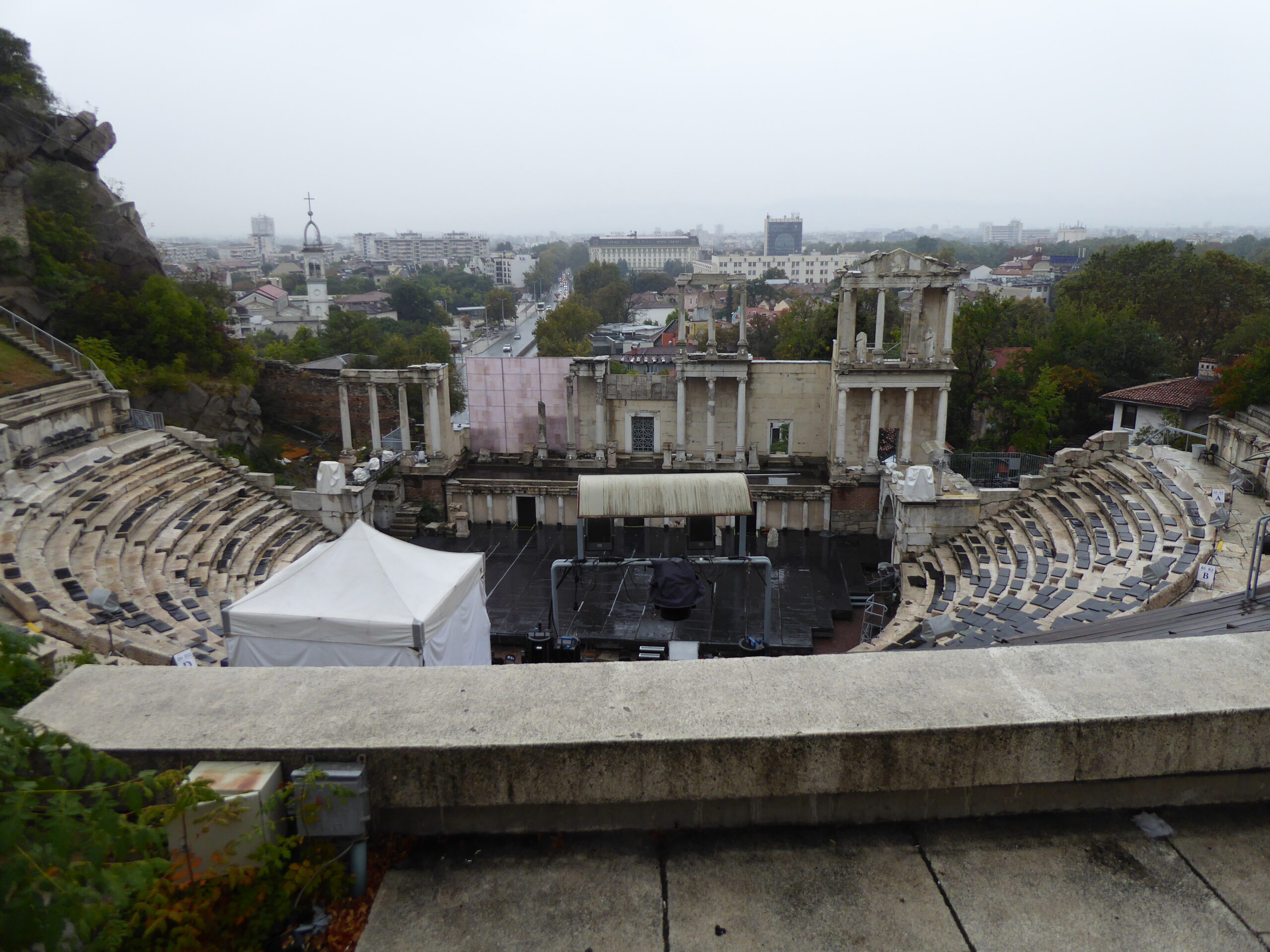
Theatre – in the rain
We had a rest day in Plovdiv, the morning being taken up by a food focussed walking tour. We started at the market where we were challenged to buy and taste unusual items
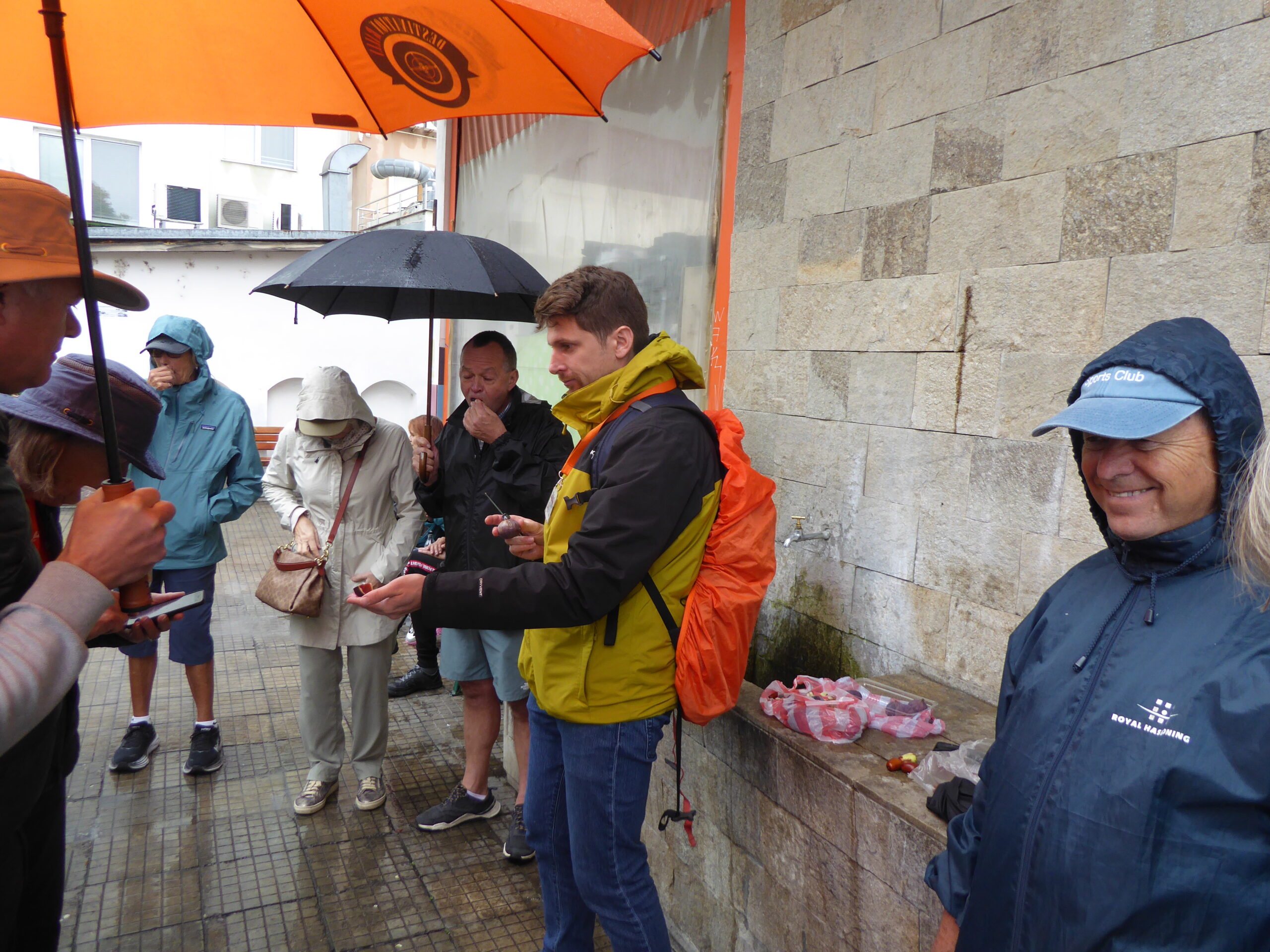
What did you buy?
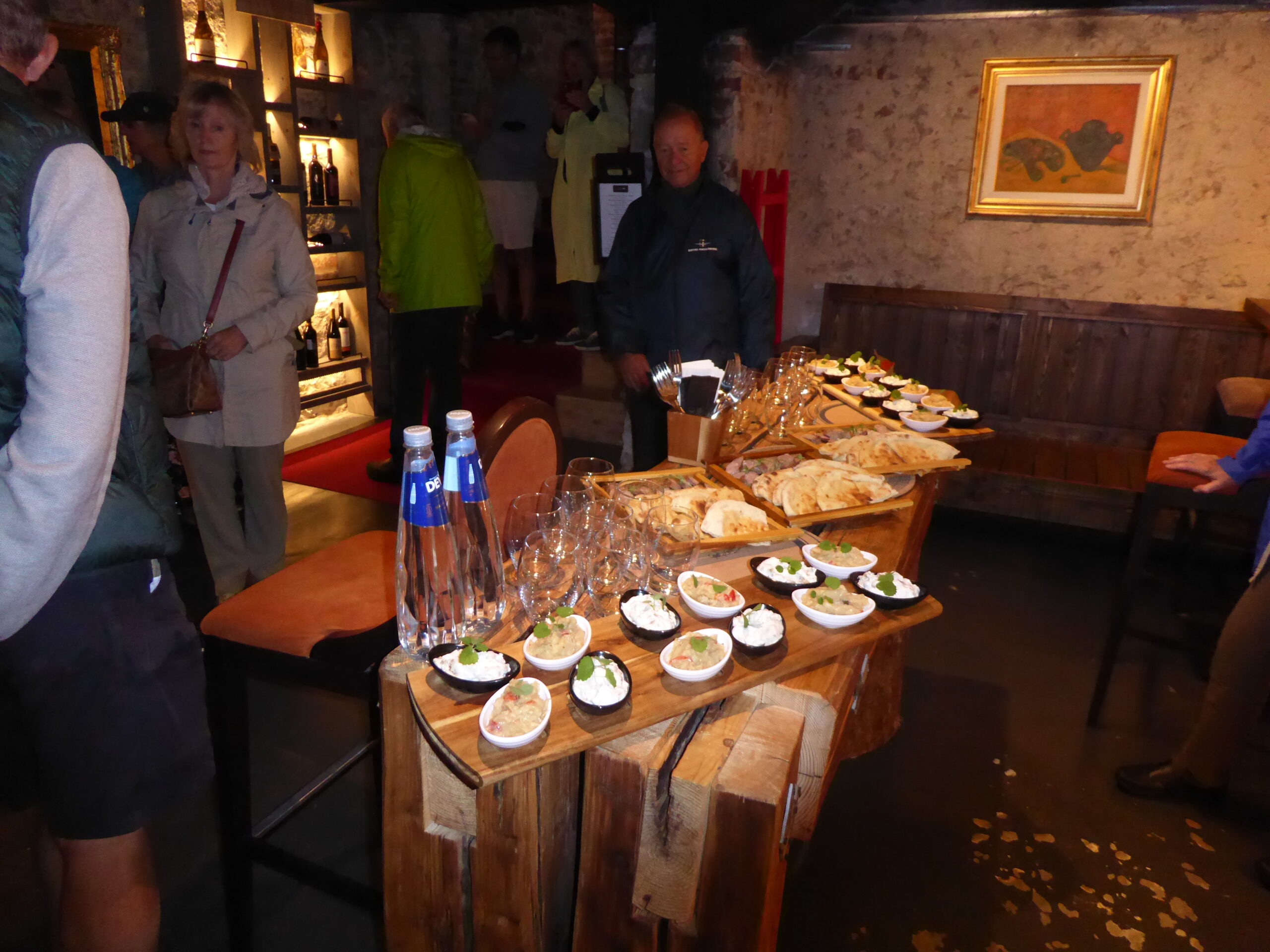
Delicacies
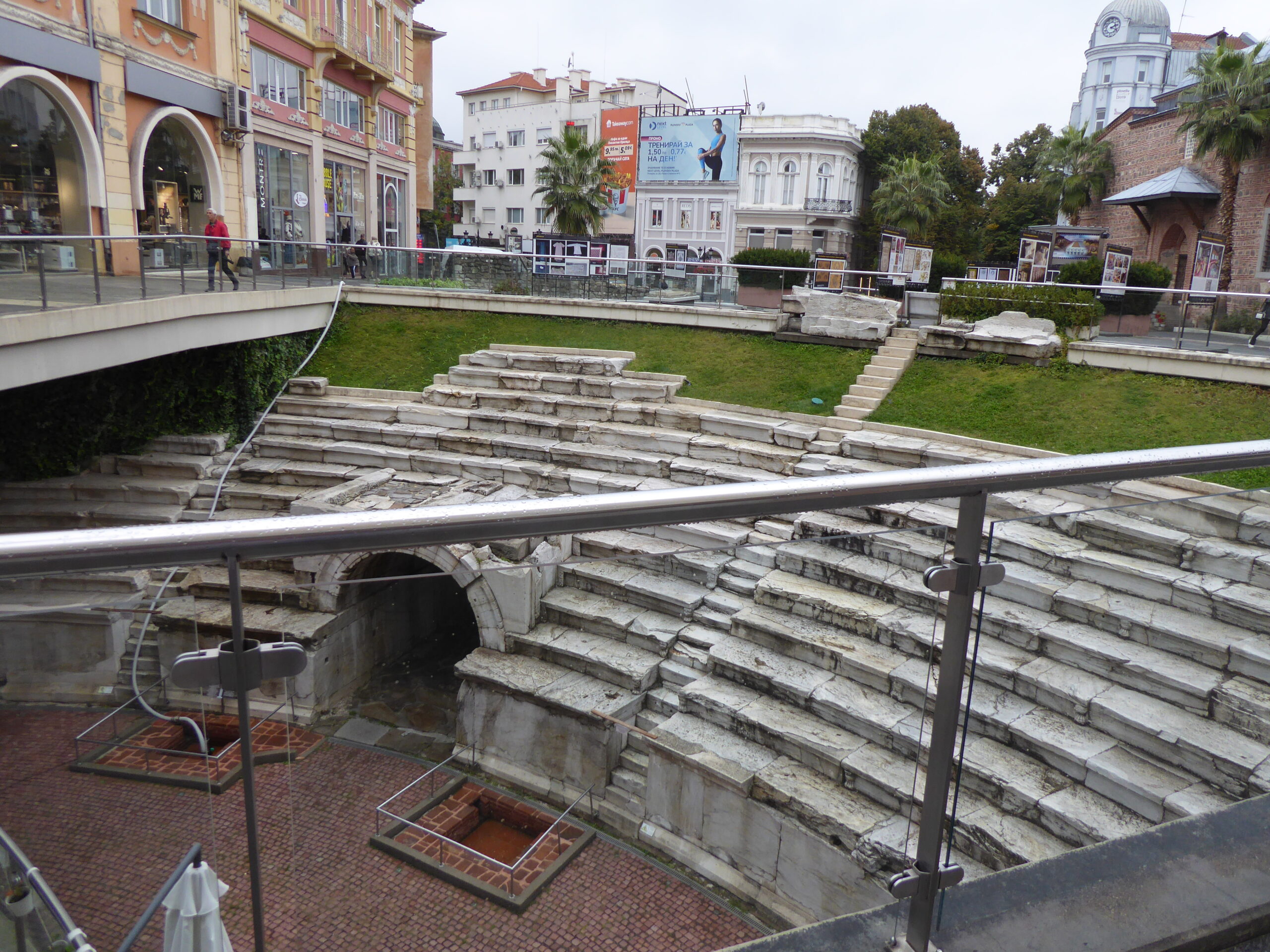
One end of the Stadium
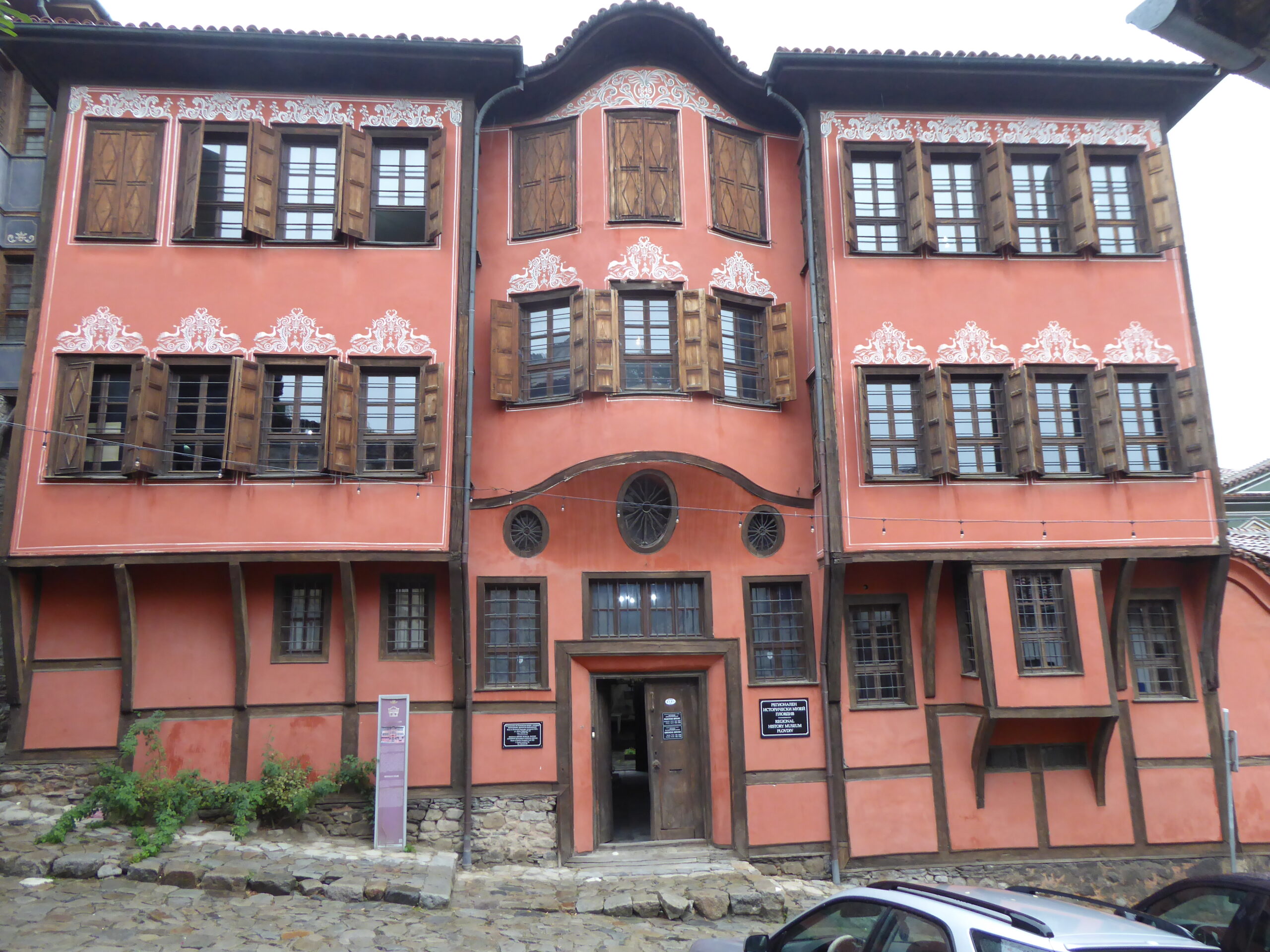
Georgiadi
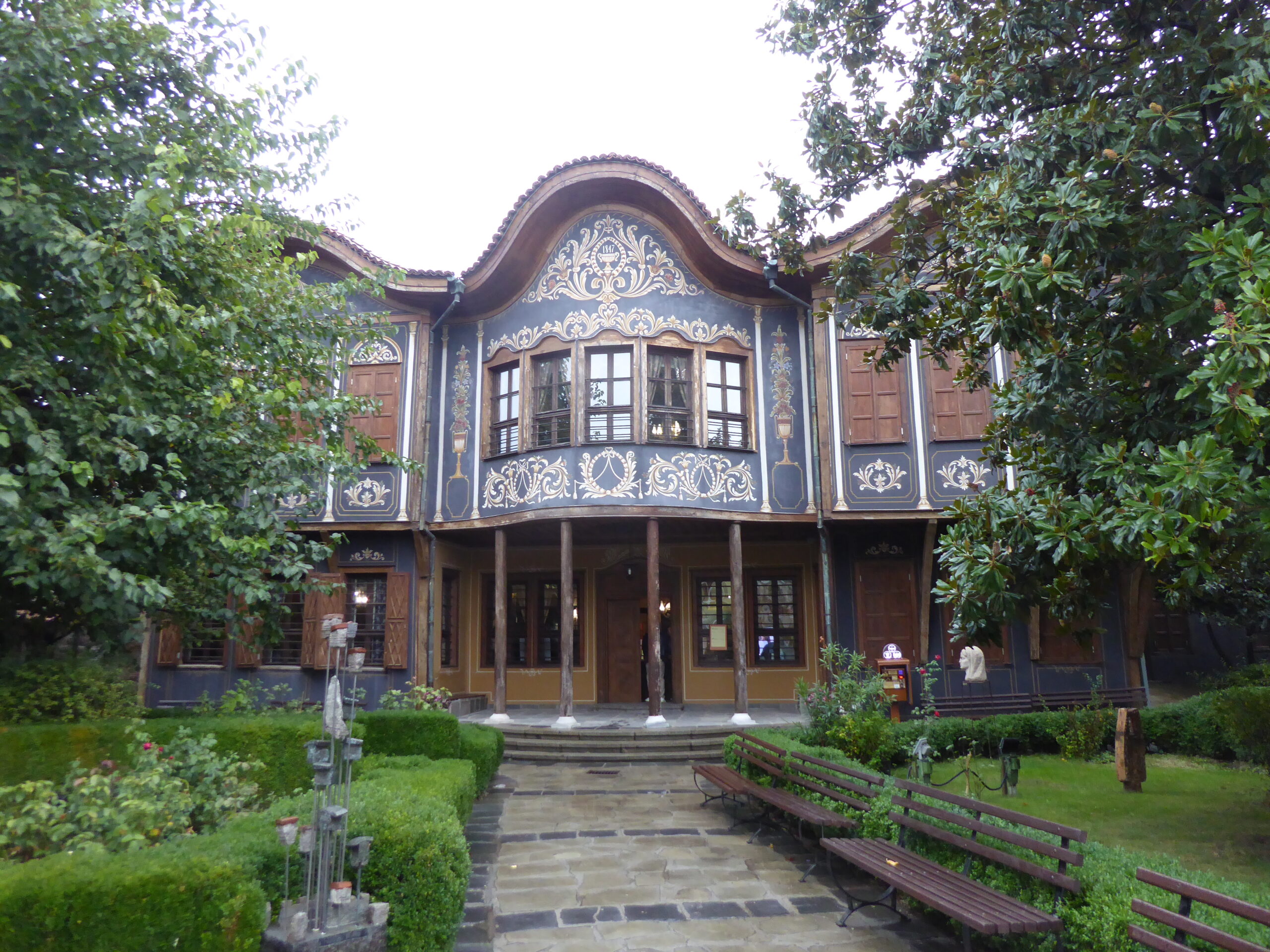
Kuyumdzhiogh House
From Plovdiv our last stop before Sofia was Pamporovo where we were in ski chalets – yes it was going to snow! It had rained all day and overnight and one car was trapped by a landslide which closed the road – we were ahead of that, visiting Asen’s fortress (built around 1200)
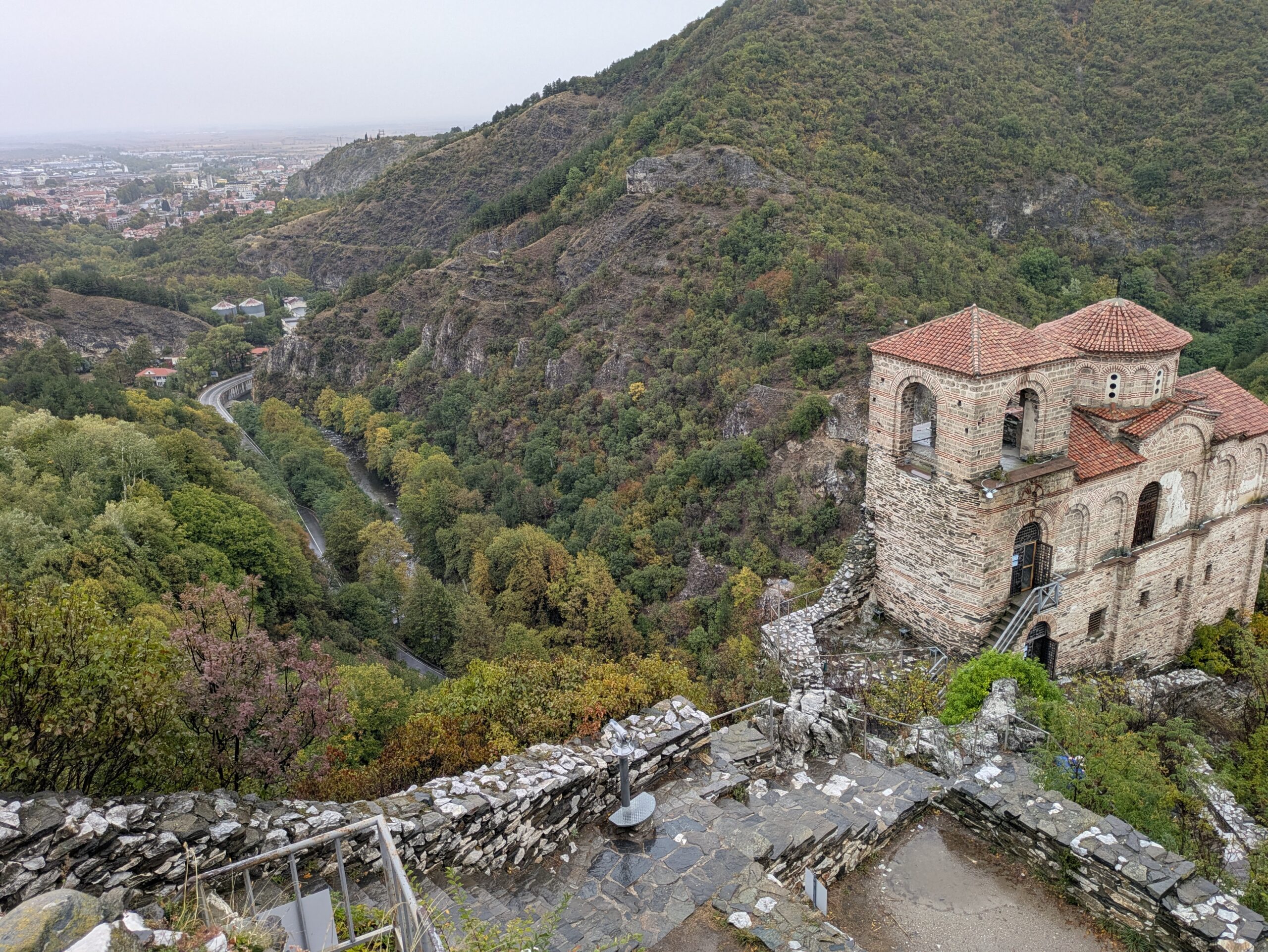
Asen’s fortress
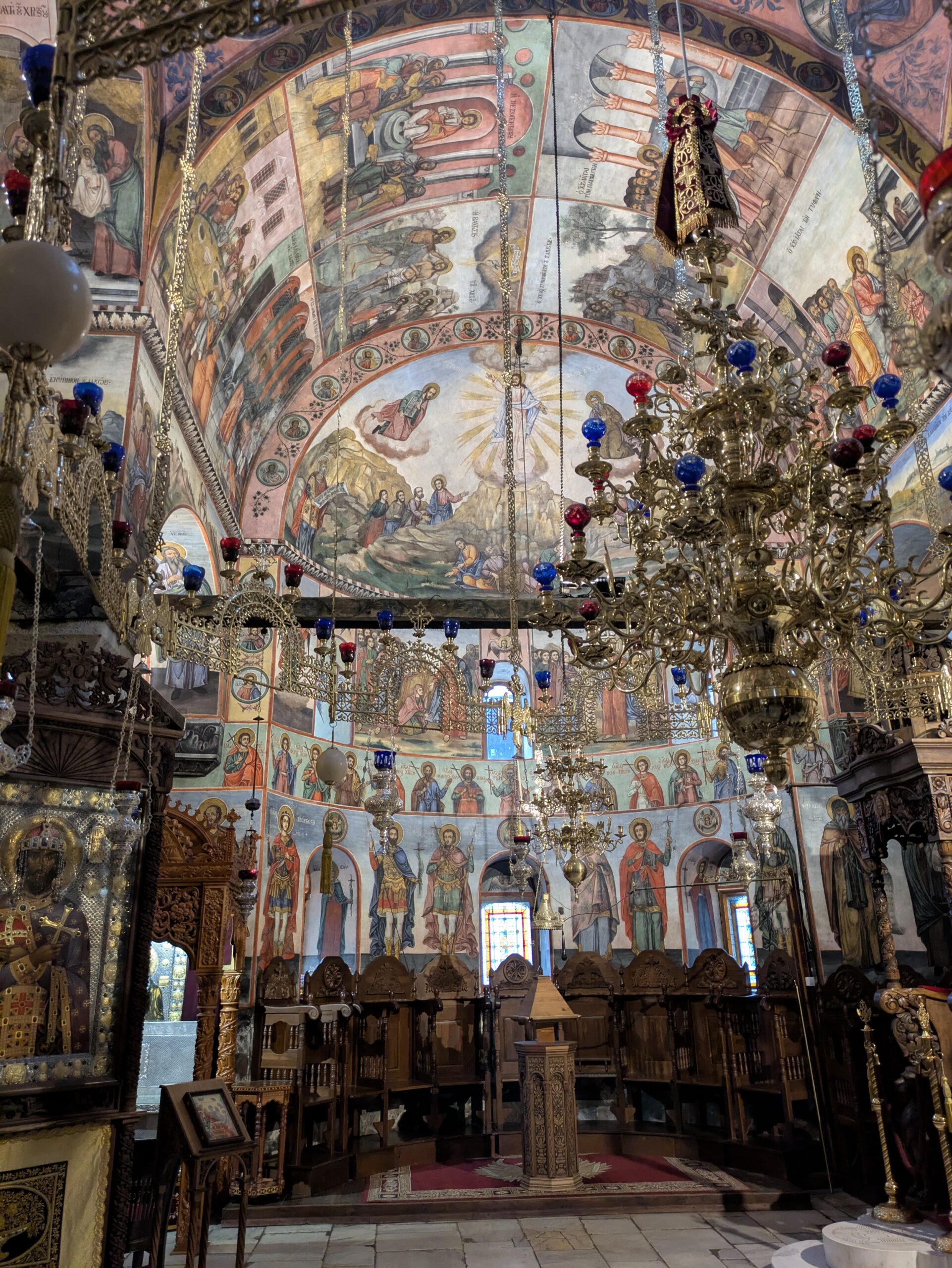
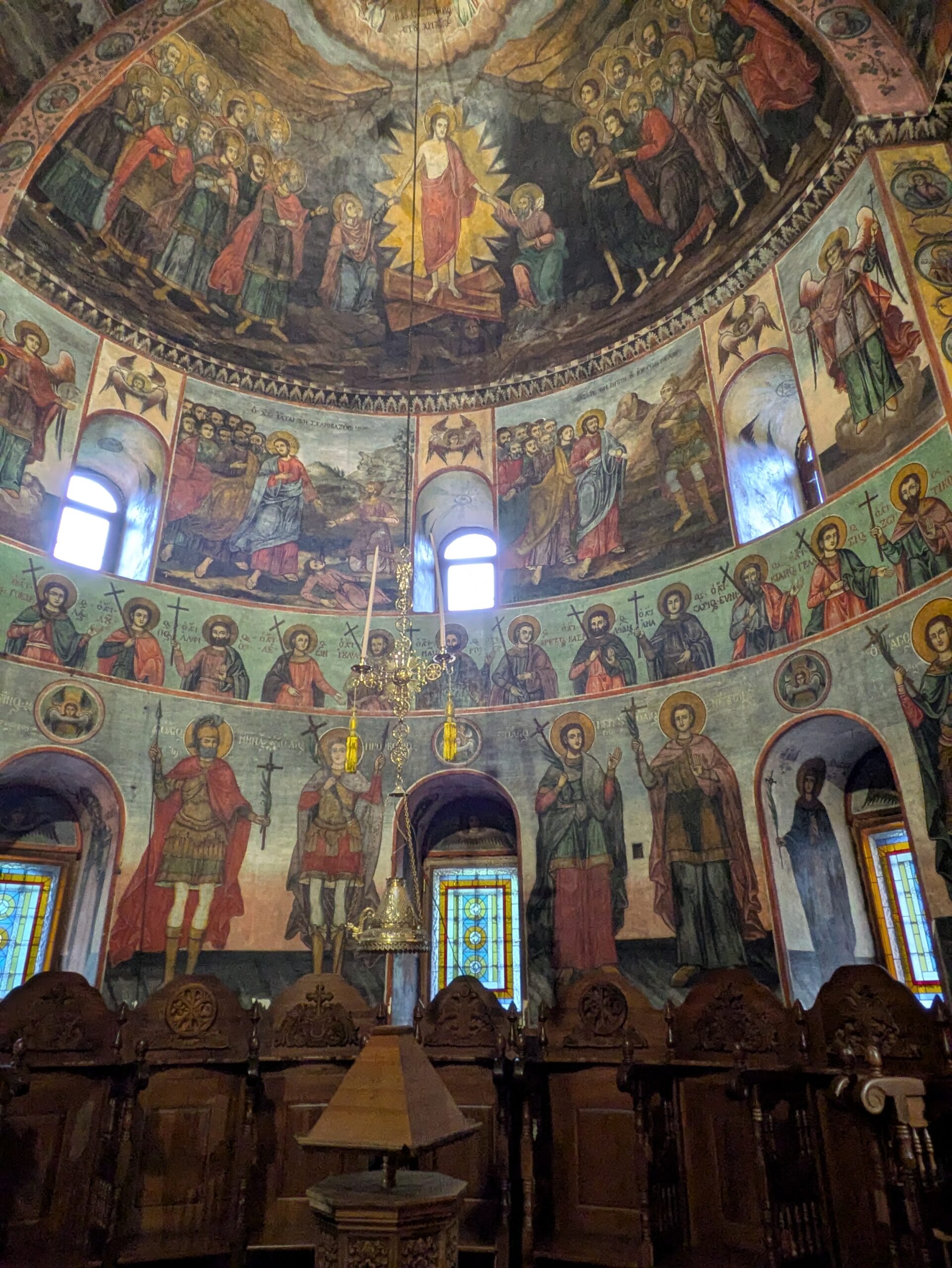
Bachkovo ceiling
 Outside it was still raining and not nearly as splendid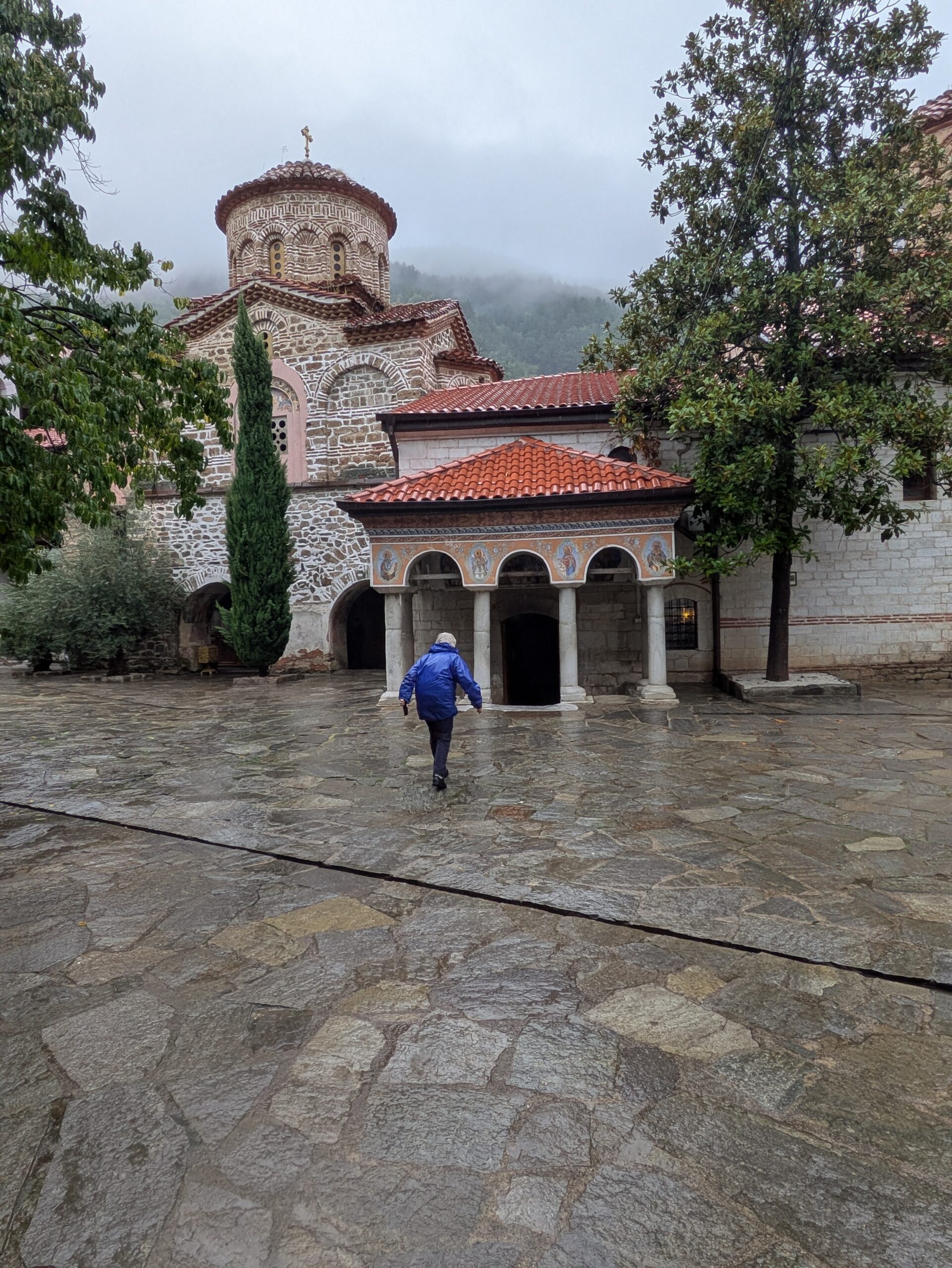
As we neared the ski area, the continuing rain turned to snow which did not suit the Porsche at all. The main roads had been ploughed and we needed more ploughing before we could reach the chalet parking area
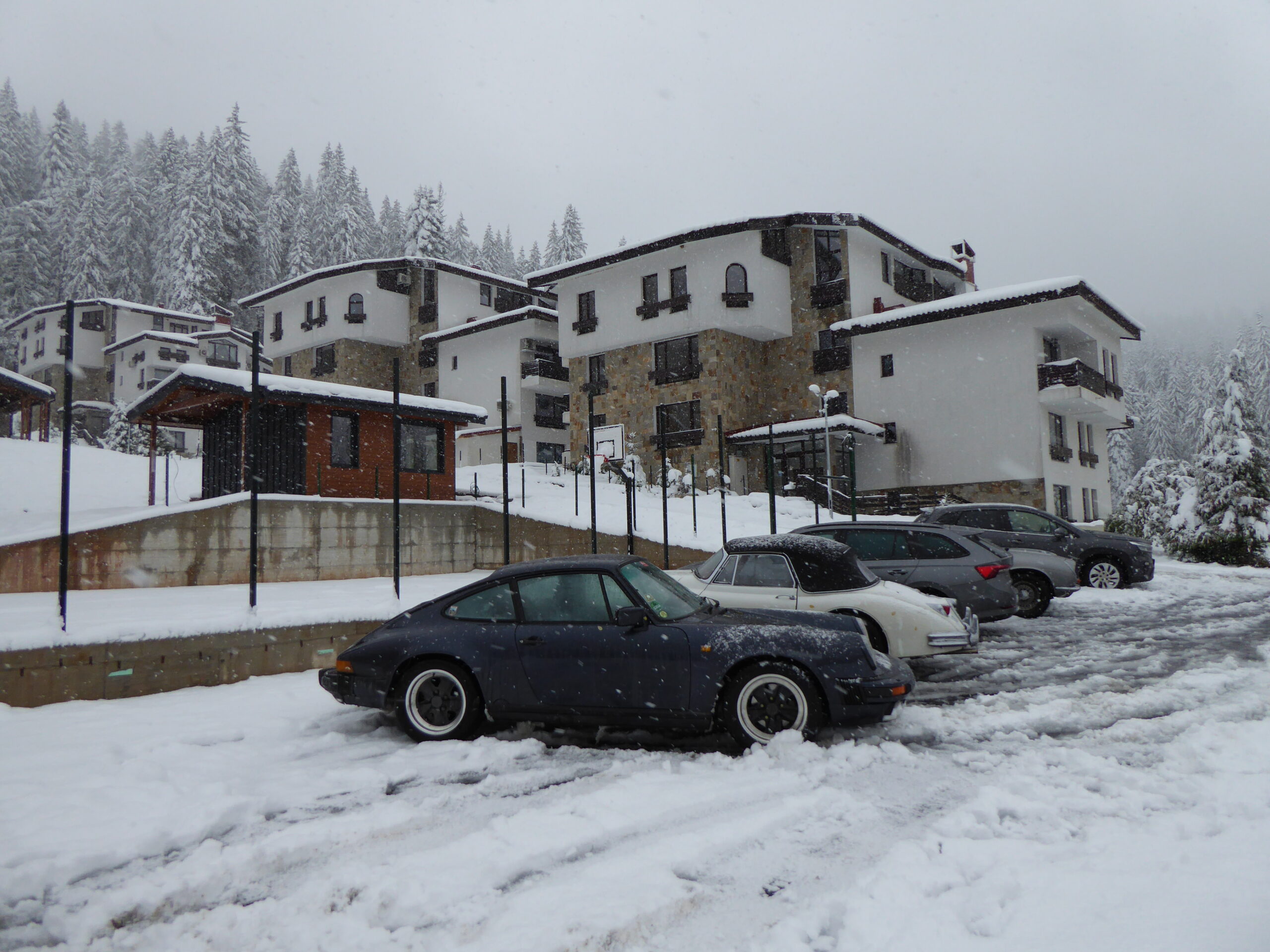
In the snow
Leaving the Pamporovo ski chalets wasa easier than arriving as the snow had melted slightly and it was an easy run to the Yagodinska cave complex where we had a group tour.
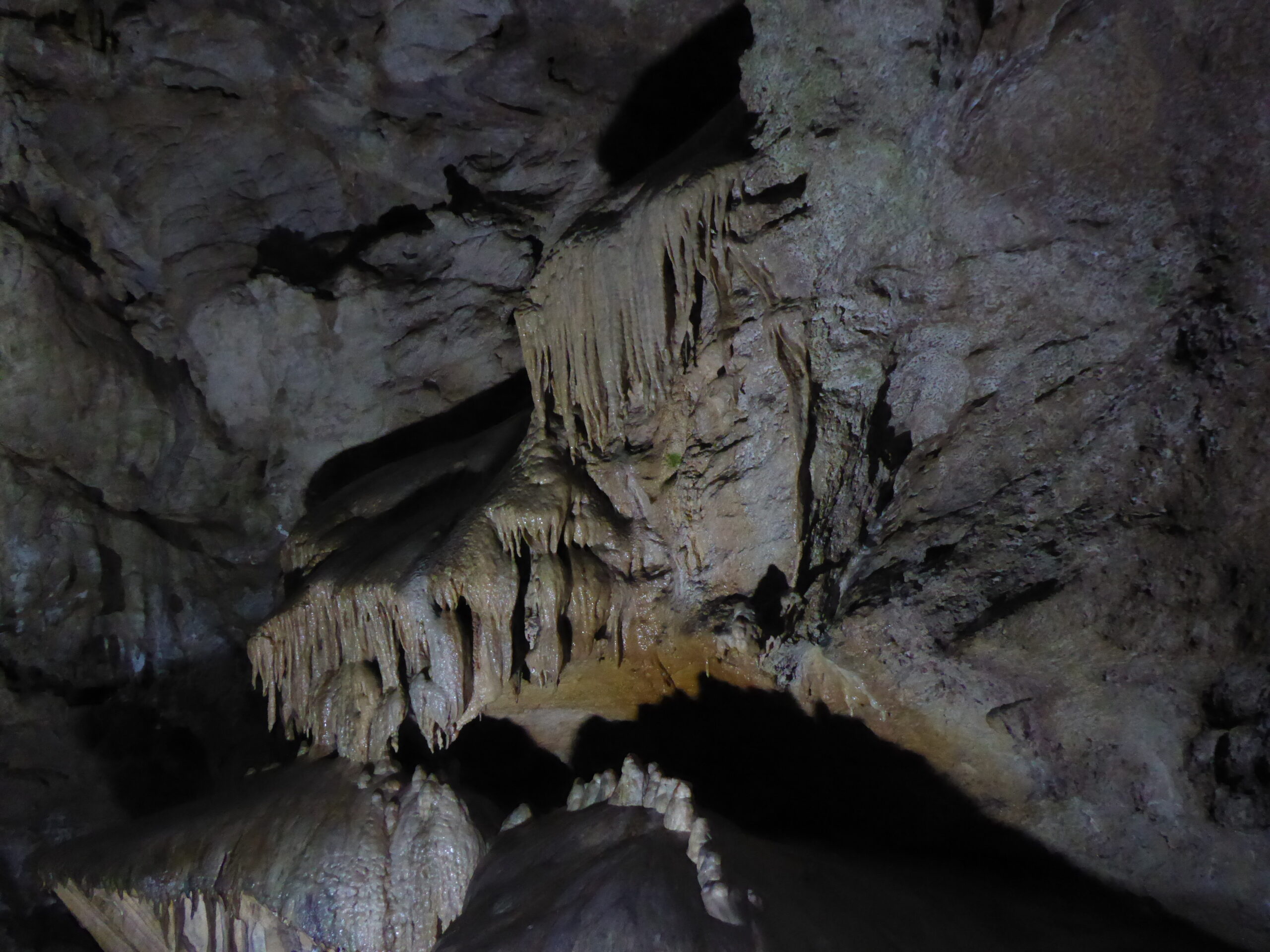
Yagodinska Caves
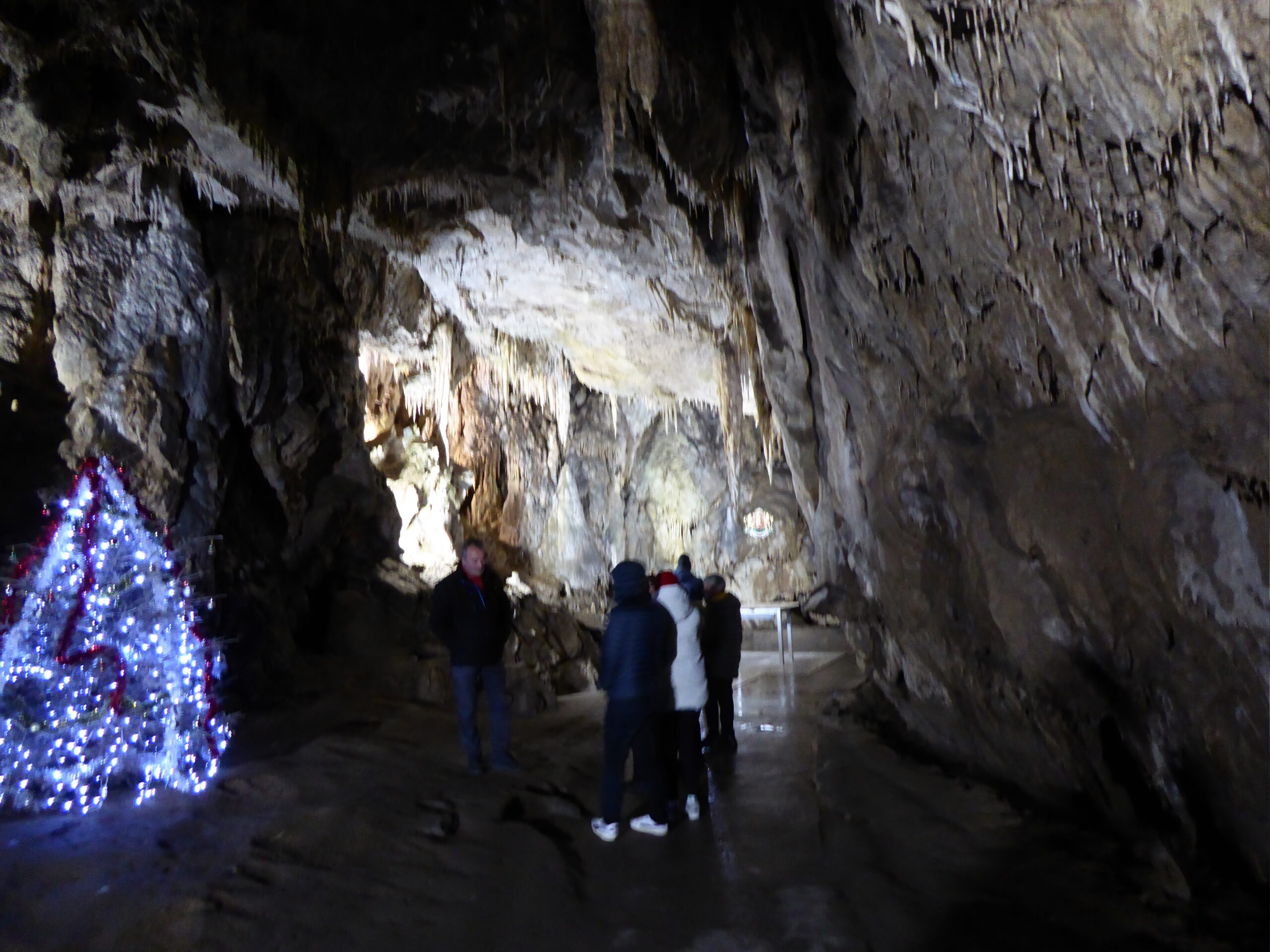
Yagodinska caves
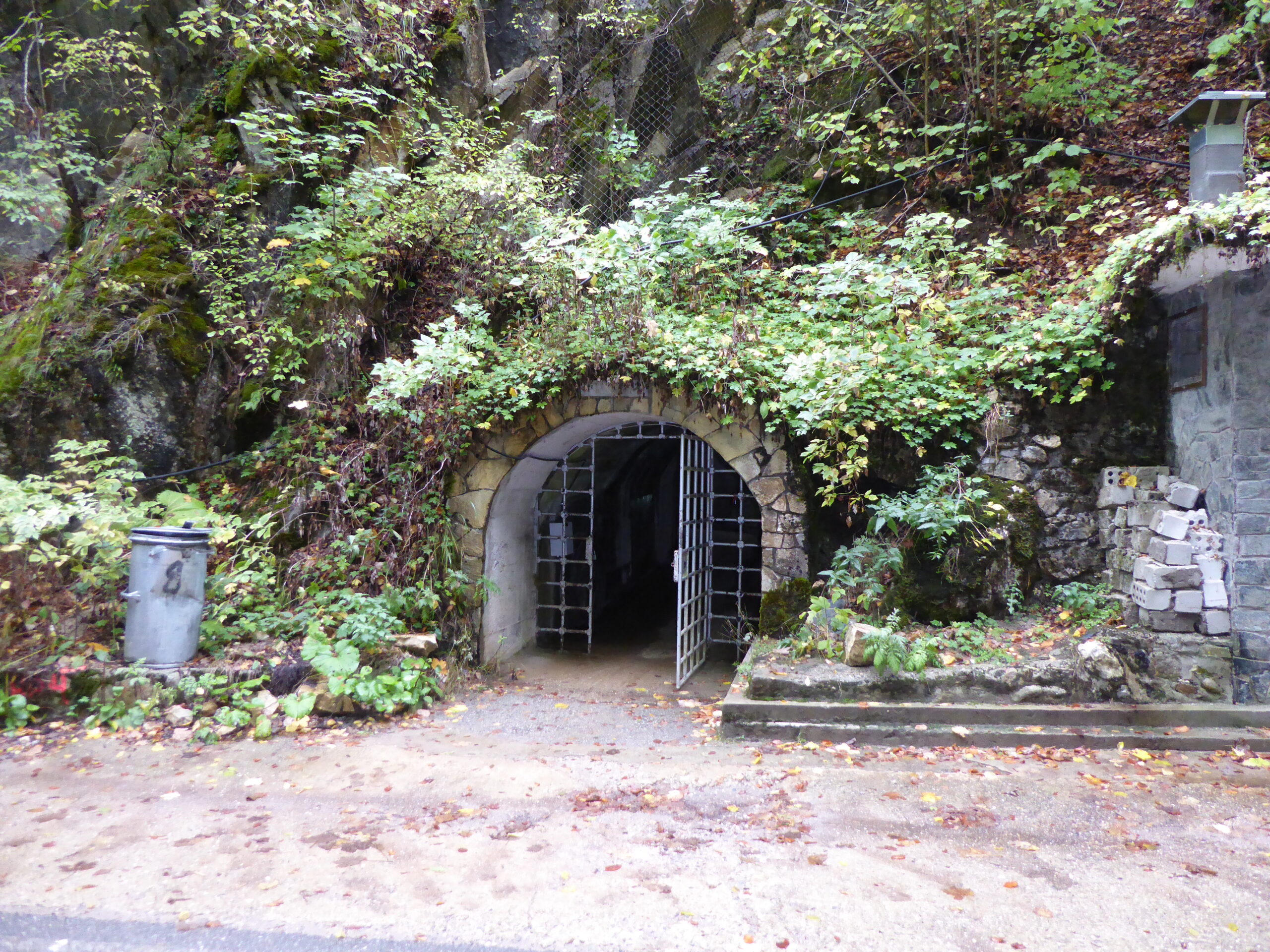
Cave exit
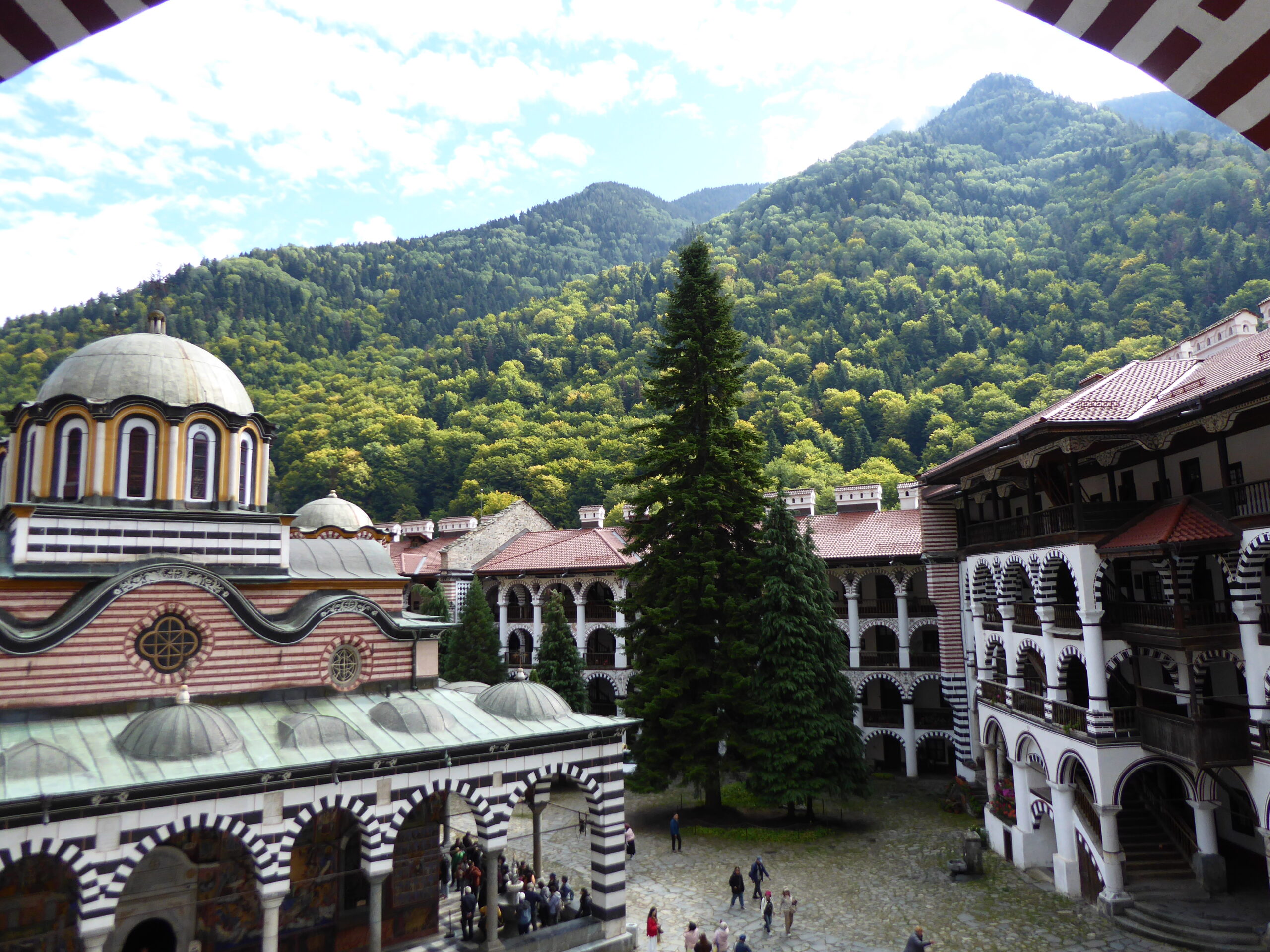
The highlight of our last day to Sofia was Rila Monastery
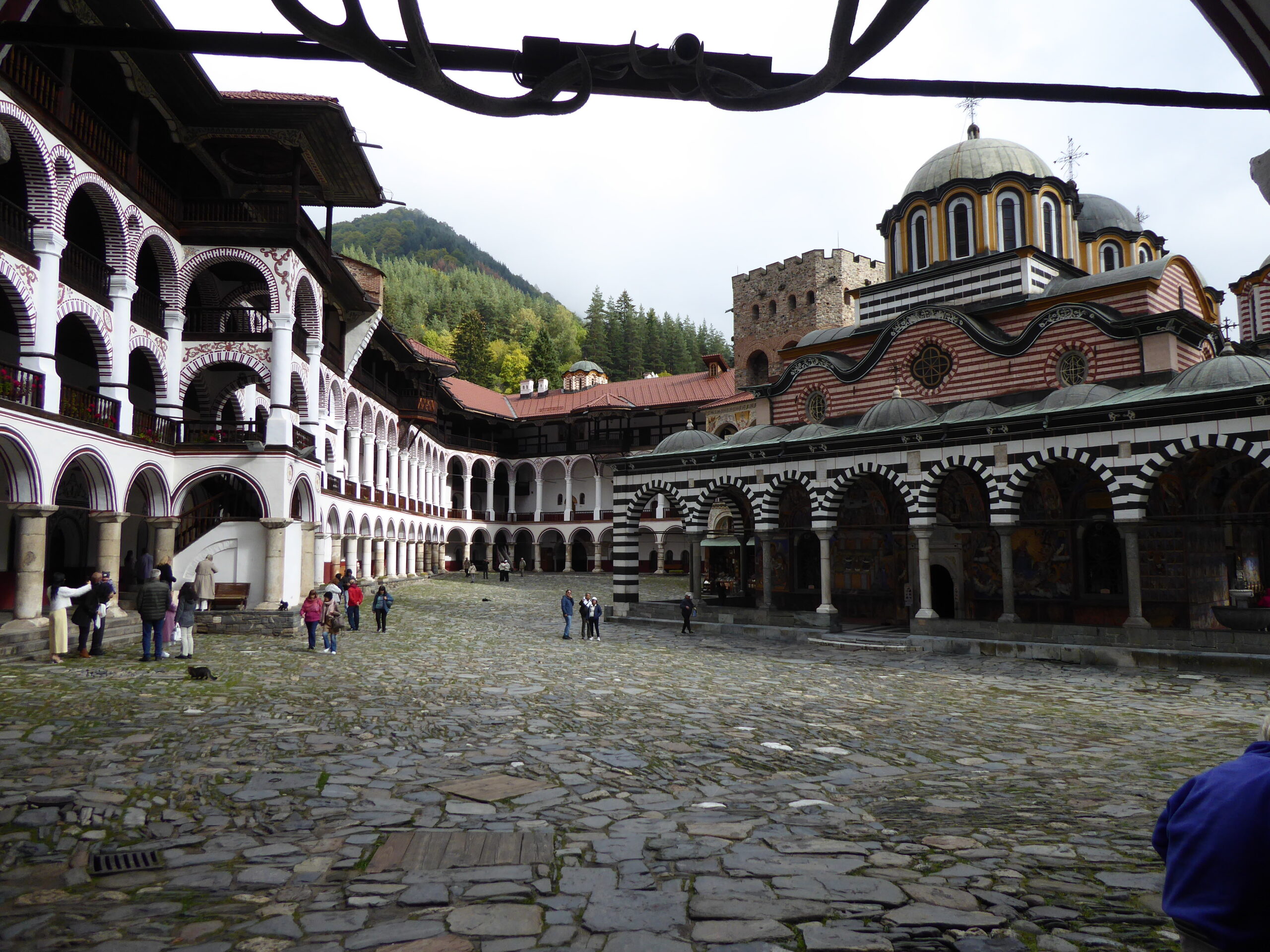
Rila Monastery
Rila Monastery
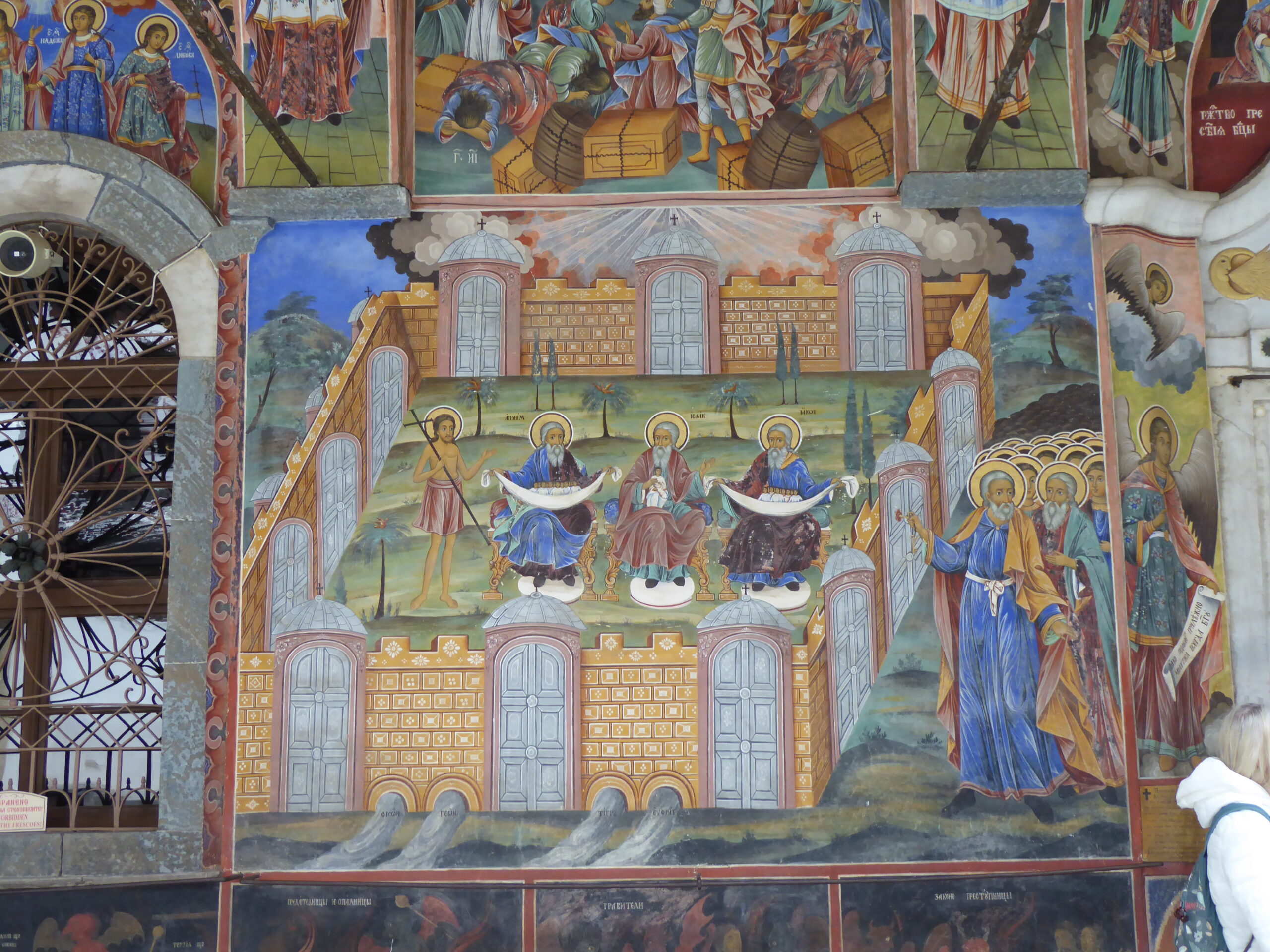
Rila Paintings
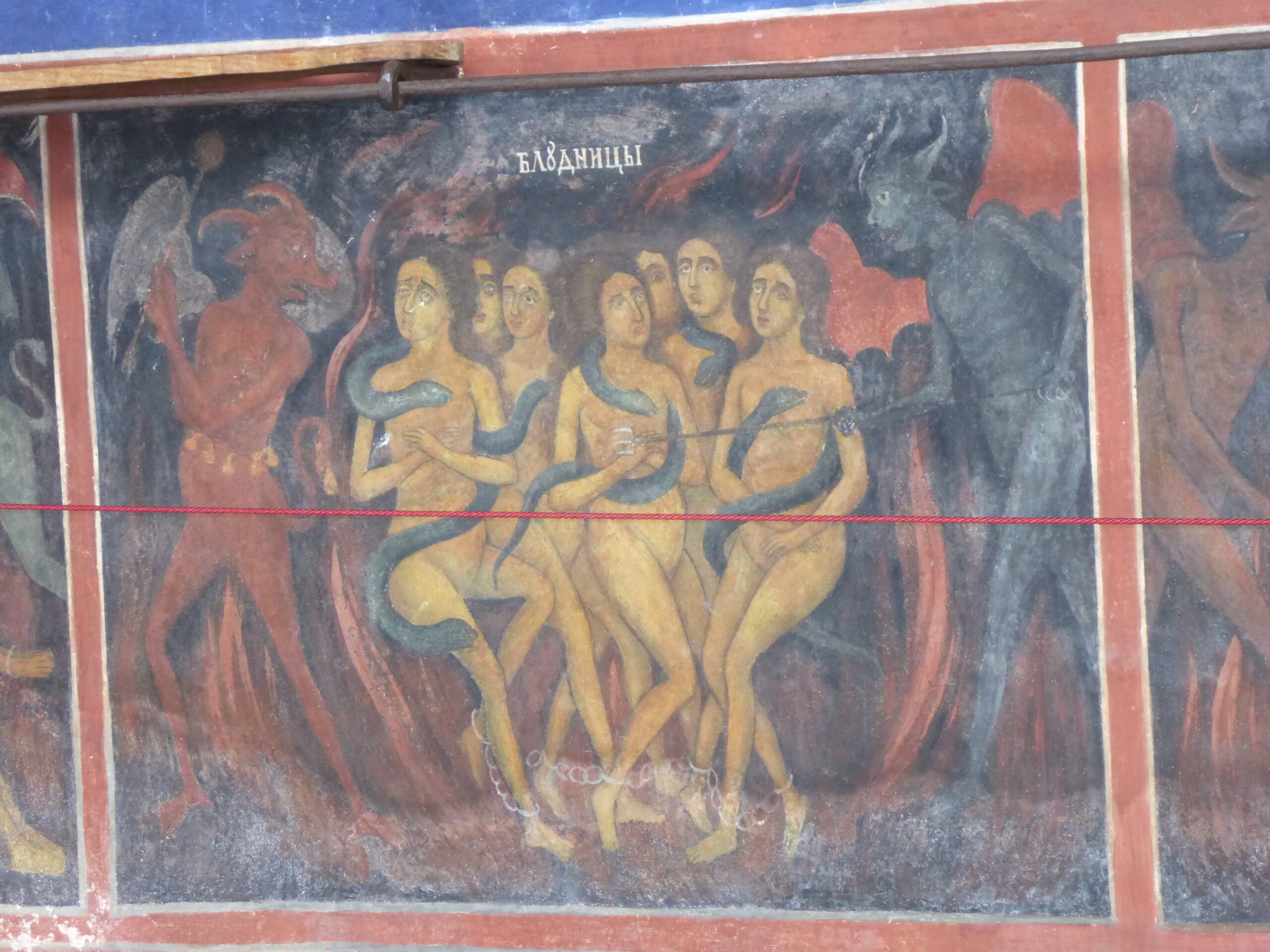
Rila Paintings