This trip had its origins back in 2018 when we signed up to take the Elan from Chengdu to Lhasa in May 2020. Covid intervened and the rally company folded so the outlook was bleak until Adrian proposed a similar trip in hired 4WDs and a much smaller group. Initially there were 4 cars but one couple dropped out, then Allison became unwell so eventually just 5 people did the trip with Adrian and his Landlady.
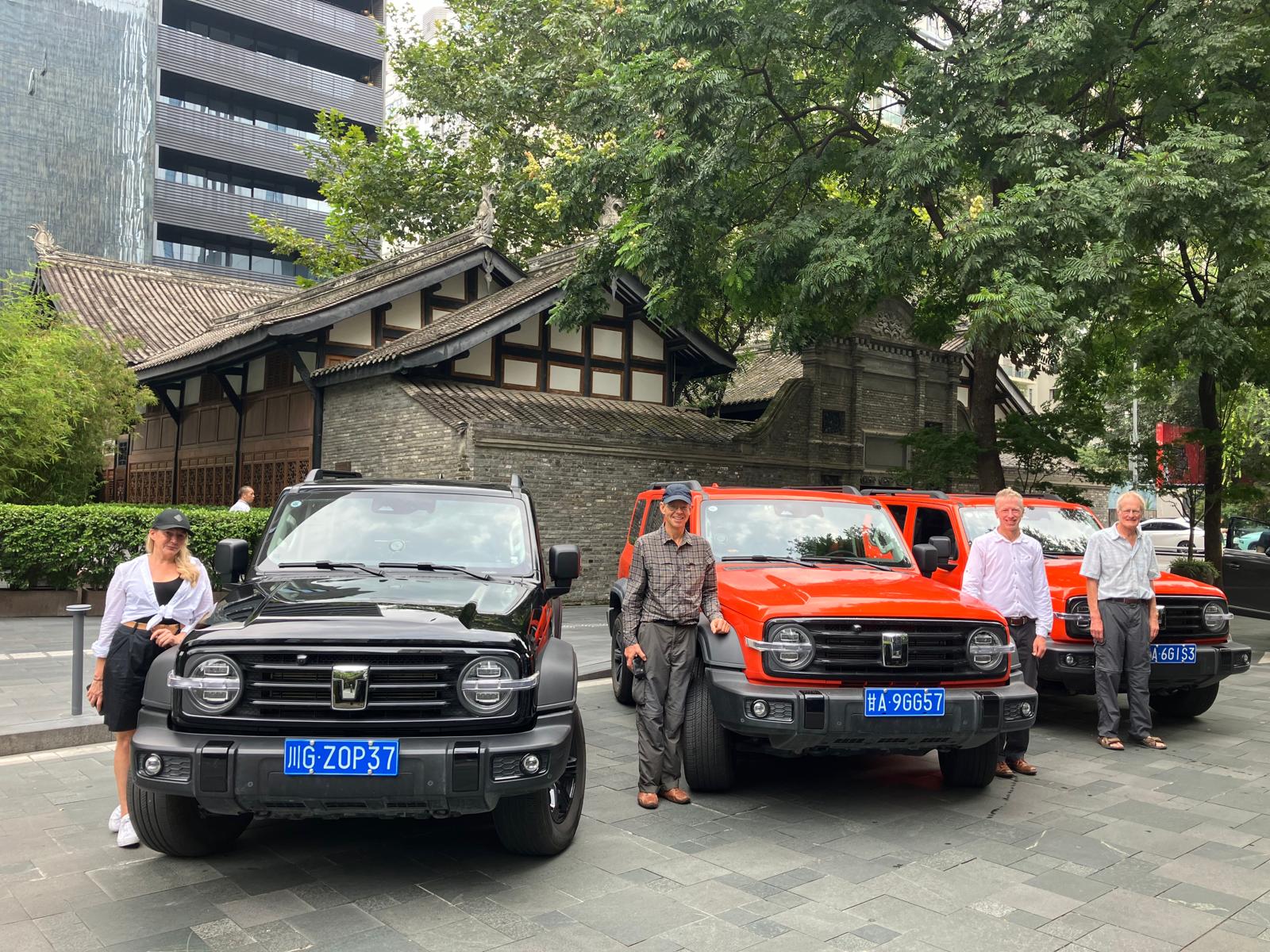
One car missing – in Chengdu
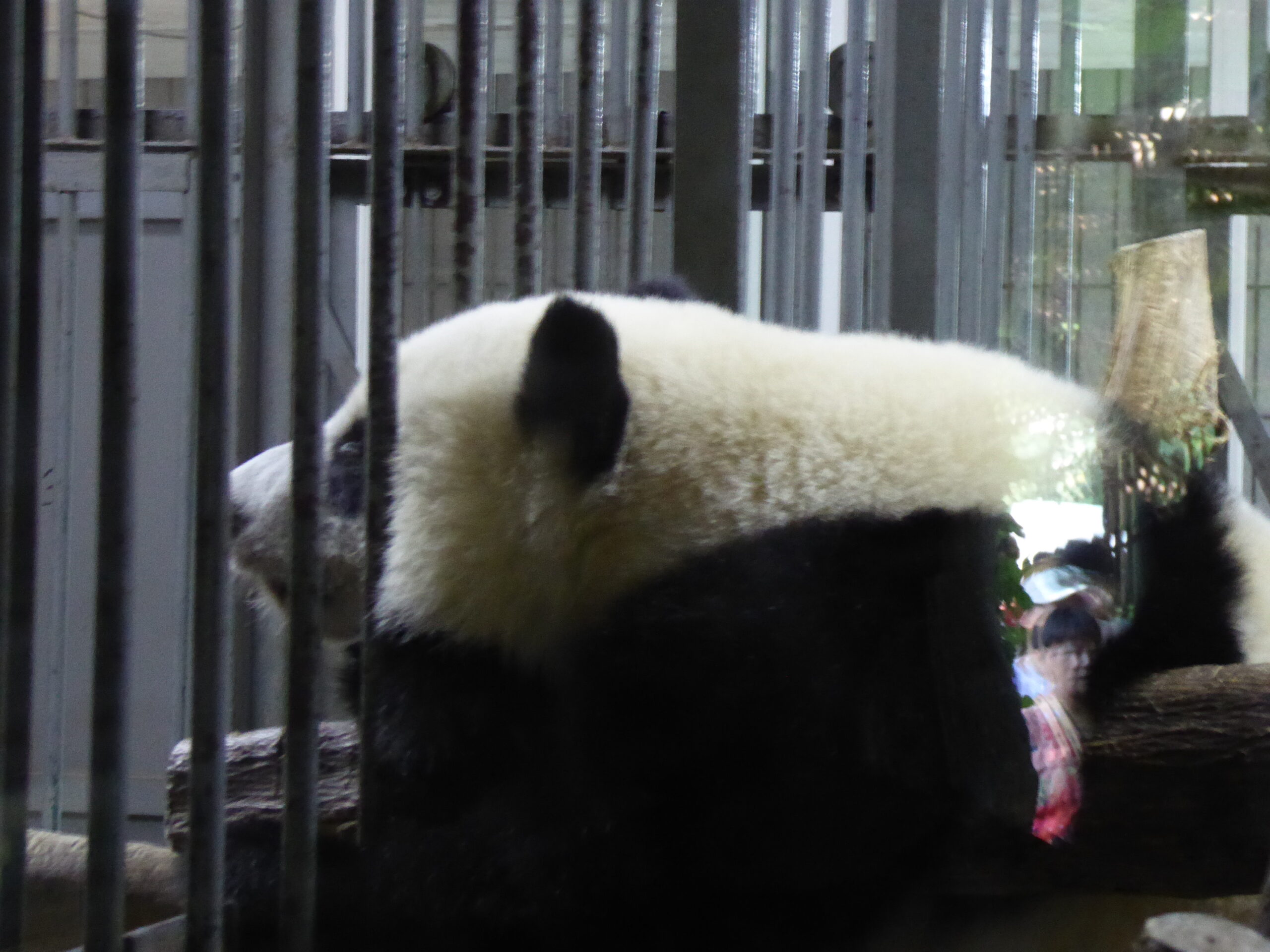
panda in shed

red panda in tree
Our first day was to visit pandas and then some old (tourist) streets. It was 38° and the black/white pandas were all snoozing in huts whilst the reds were sprawled out in the trees – so with all the crowds not much to see. In the afternoon we met our “Tanks” and were given supplies of water and an oxygen compressor – our route goes well over 5,000 metres.
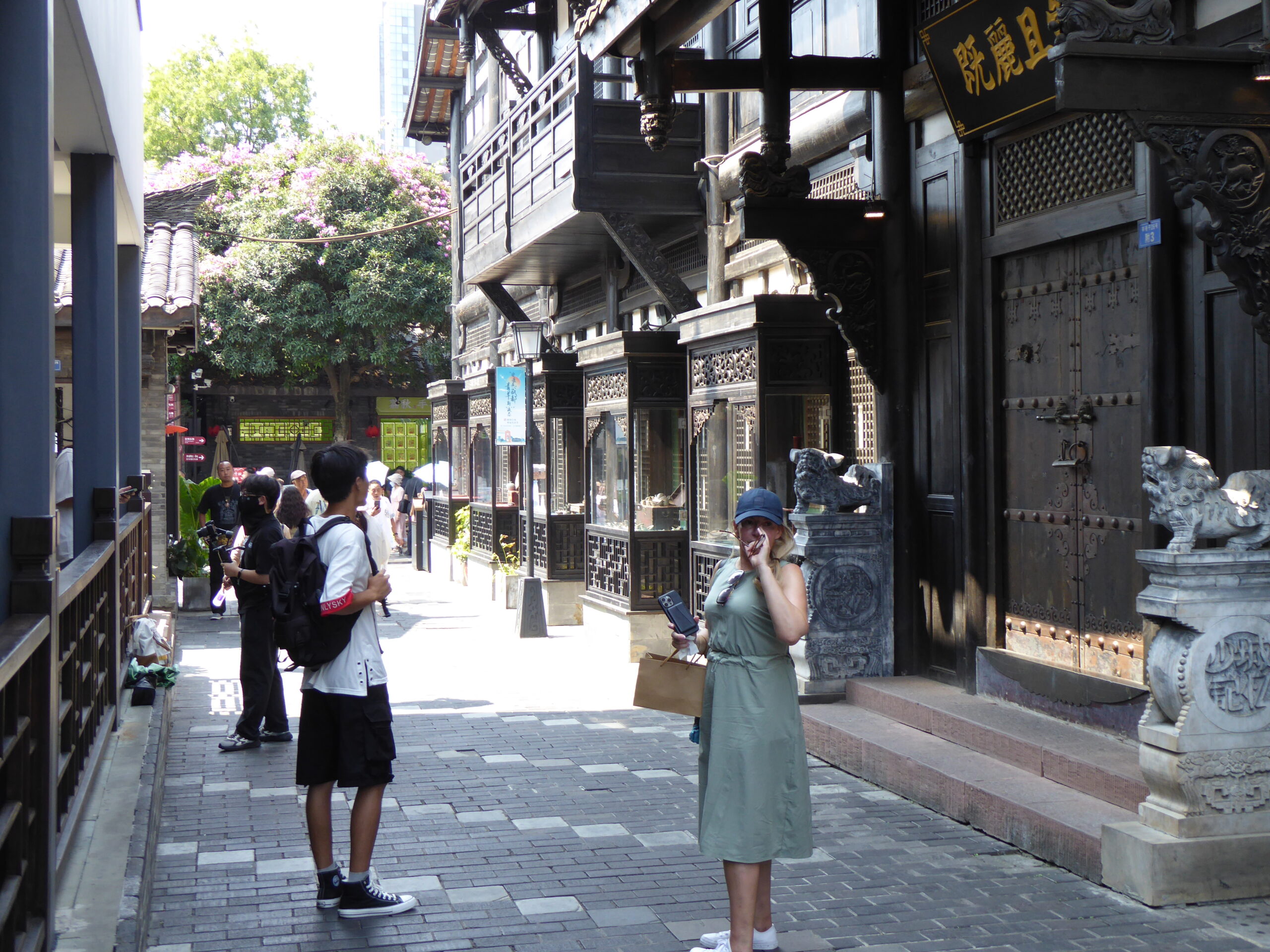
Chengdu historic street
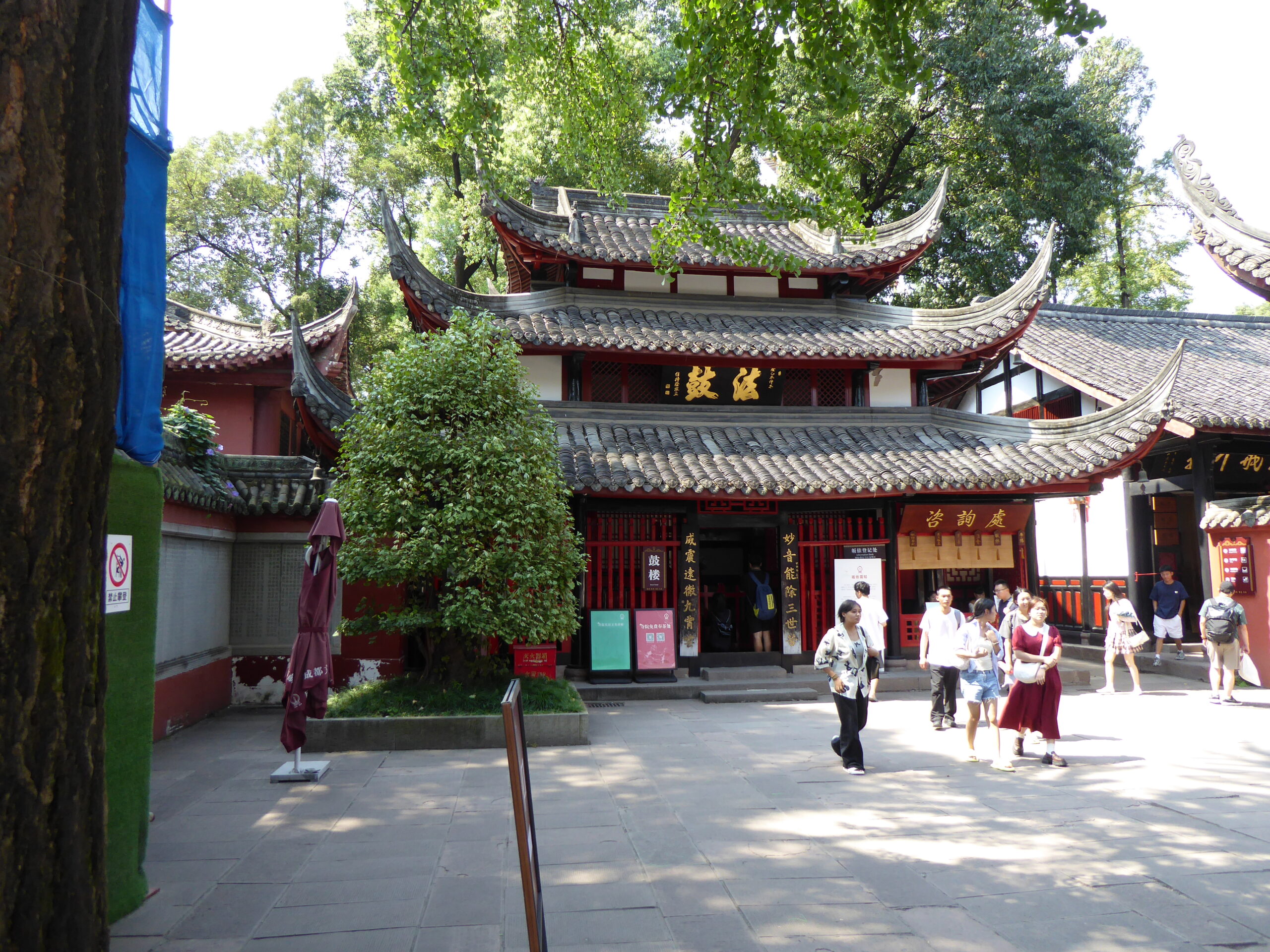
Chengdu temple

Tank in action
Our first day on the road was to Leibo and my first navigation error at a motorway intersection as I was following the wrong mapping app (see Technicalities). Lunch brought its own problems as we could not read the restaurant signs – so they gave us photos of the shop front in future but messed that up on day 2 by sending us to one location with a photo of another restaurant in the same town with the same name! After the motorway we were on ordinary roads with plenty of aggressive overtaking on roads cluttered with cars, lorries and bends. See the map, we started in Chengdu (top right) far west and south to Everest before returning east to Lhasa
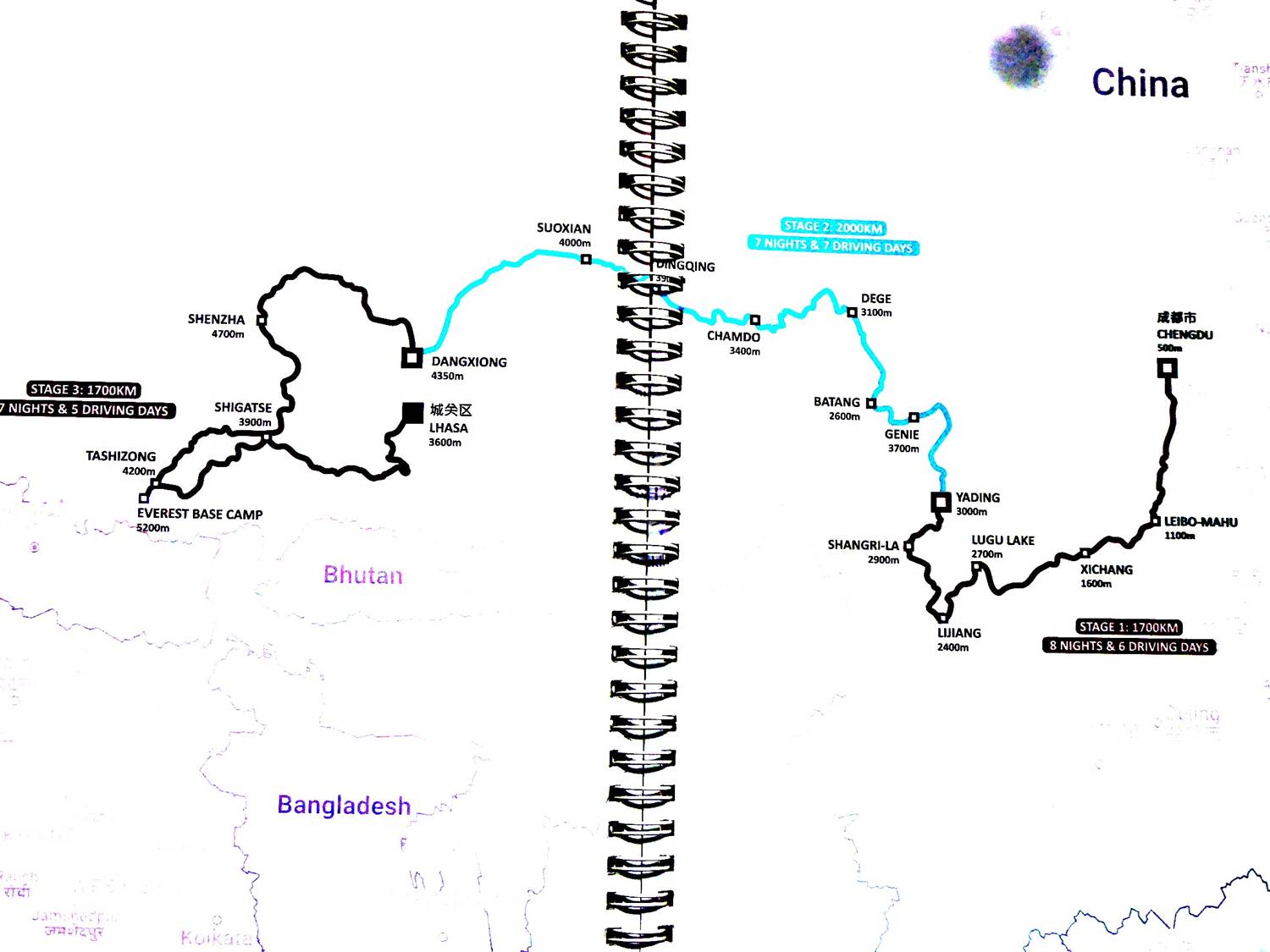
Our Route
In the first few days there were relatively few sights to see and driving occupied our full attention.
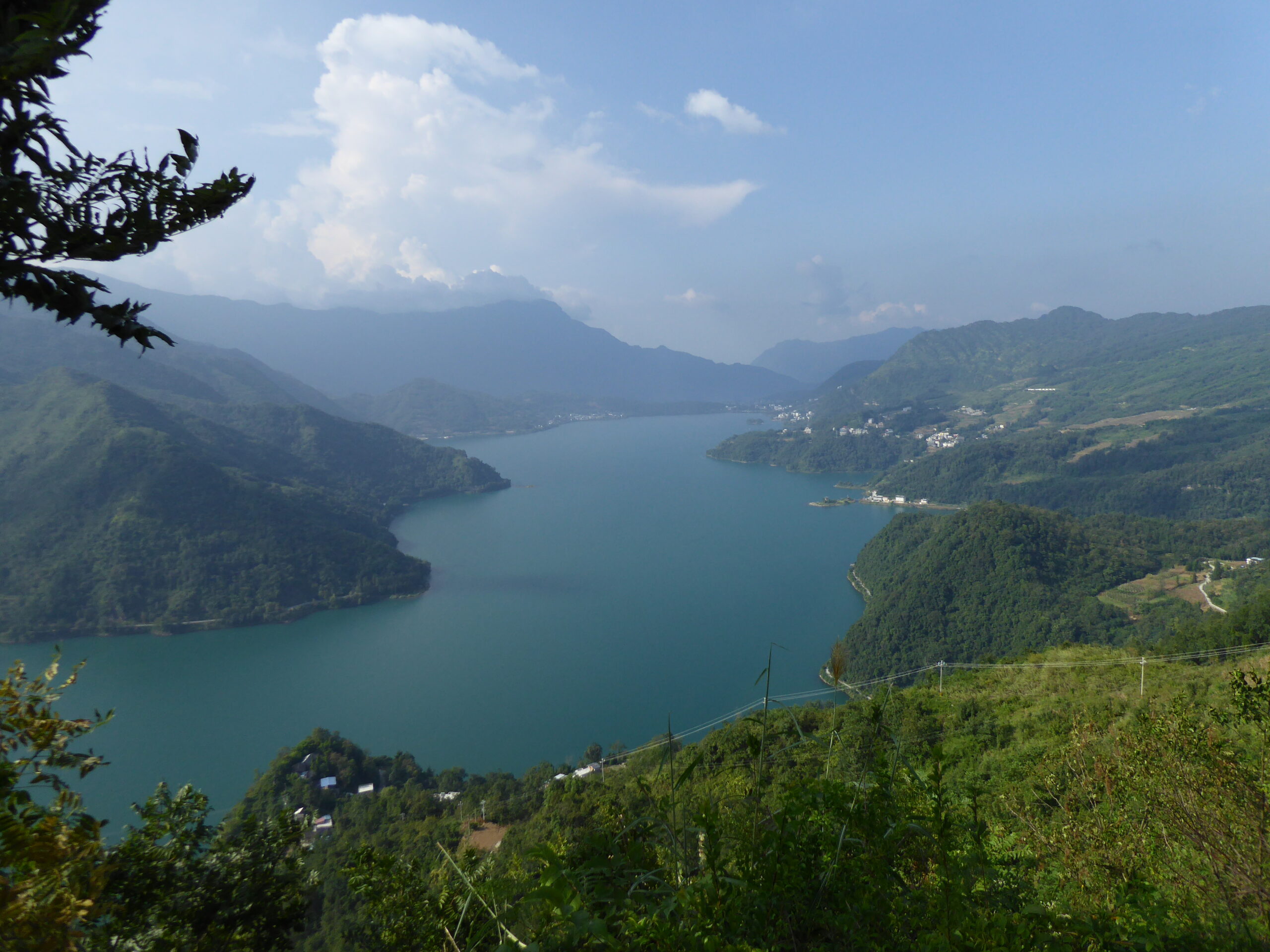
Day 1 view of Mahu Lake
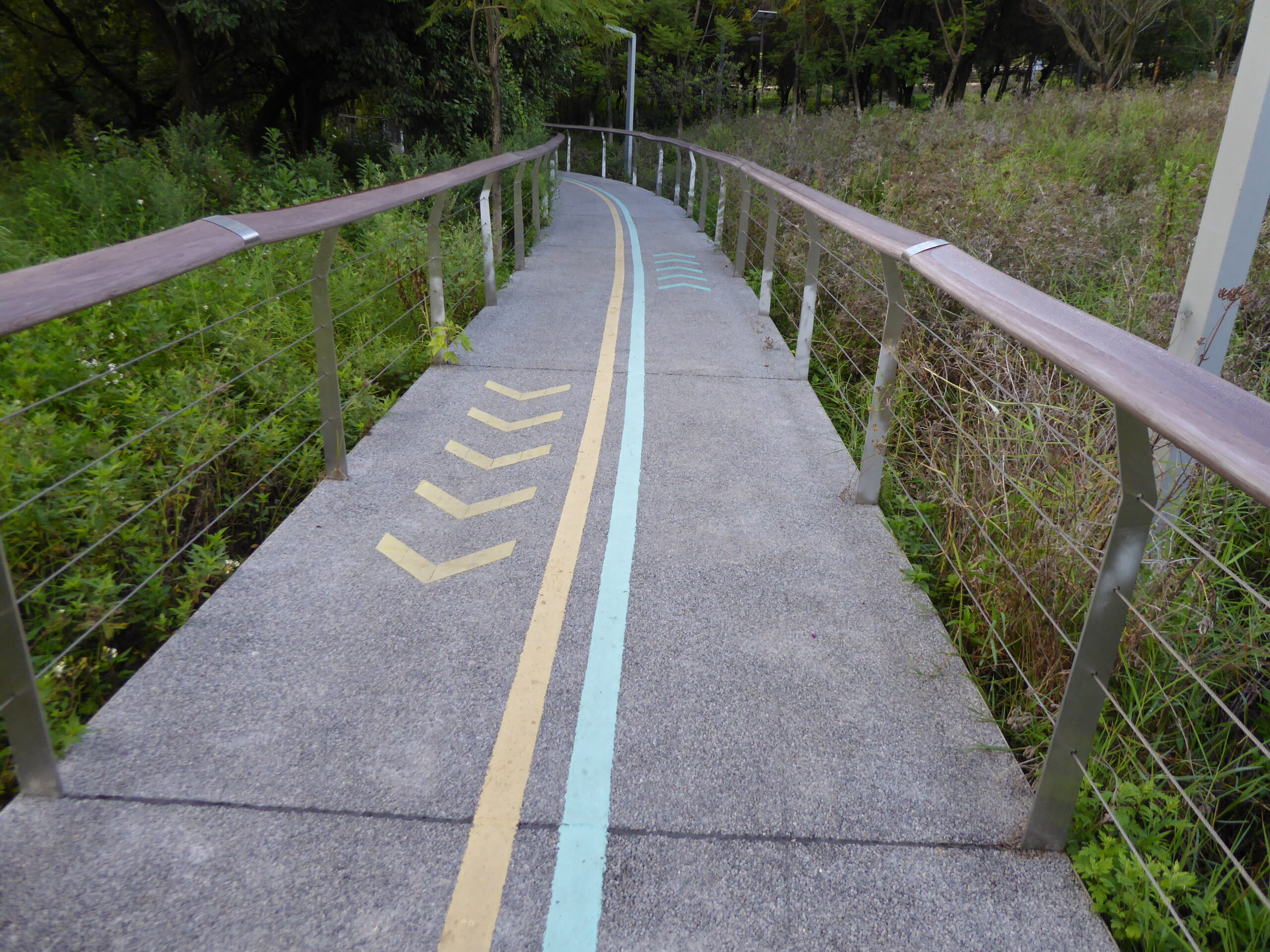
Controlled footpath
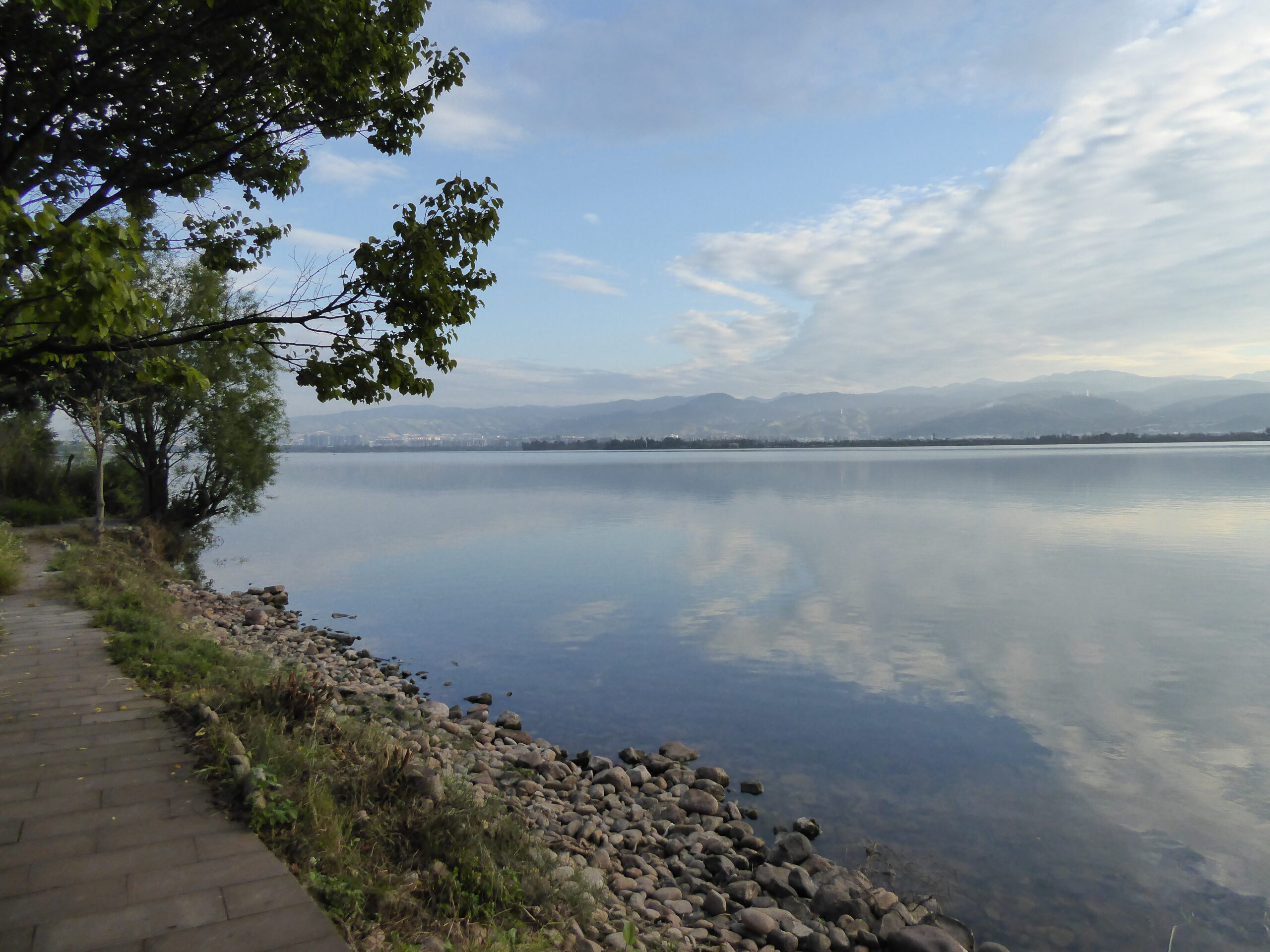
Xichang Lake
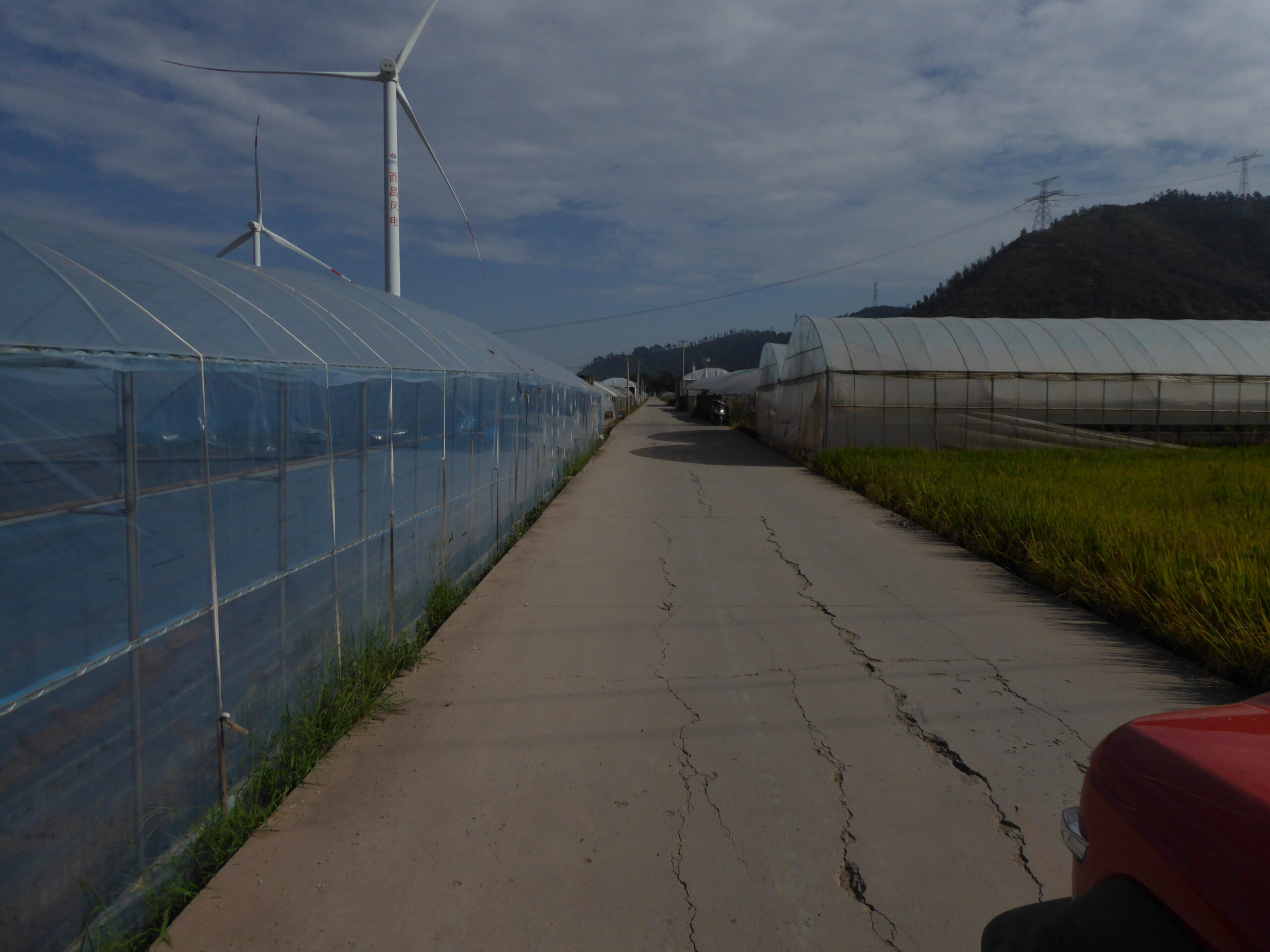
ok plastic greenhouses
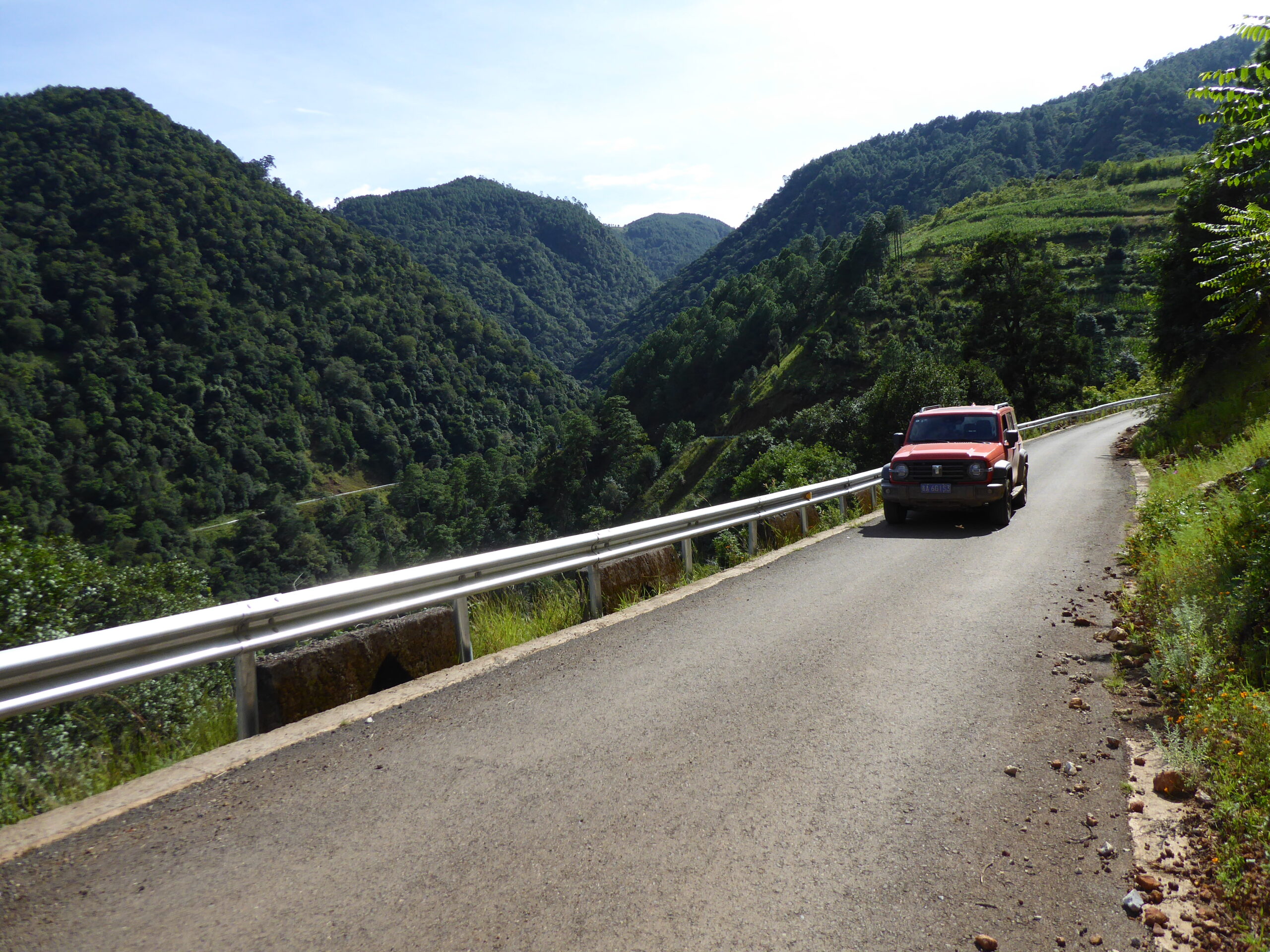
On a deviation
And on to Lugu Lake where we had the first rescheduling of the rally. Our planned hotel was deemed unsuitable so after hasty phone calls we went to another some miles away, arriving after dark – brand new and almost empty but somehow they conjured up beer and food.
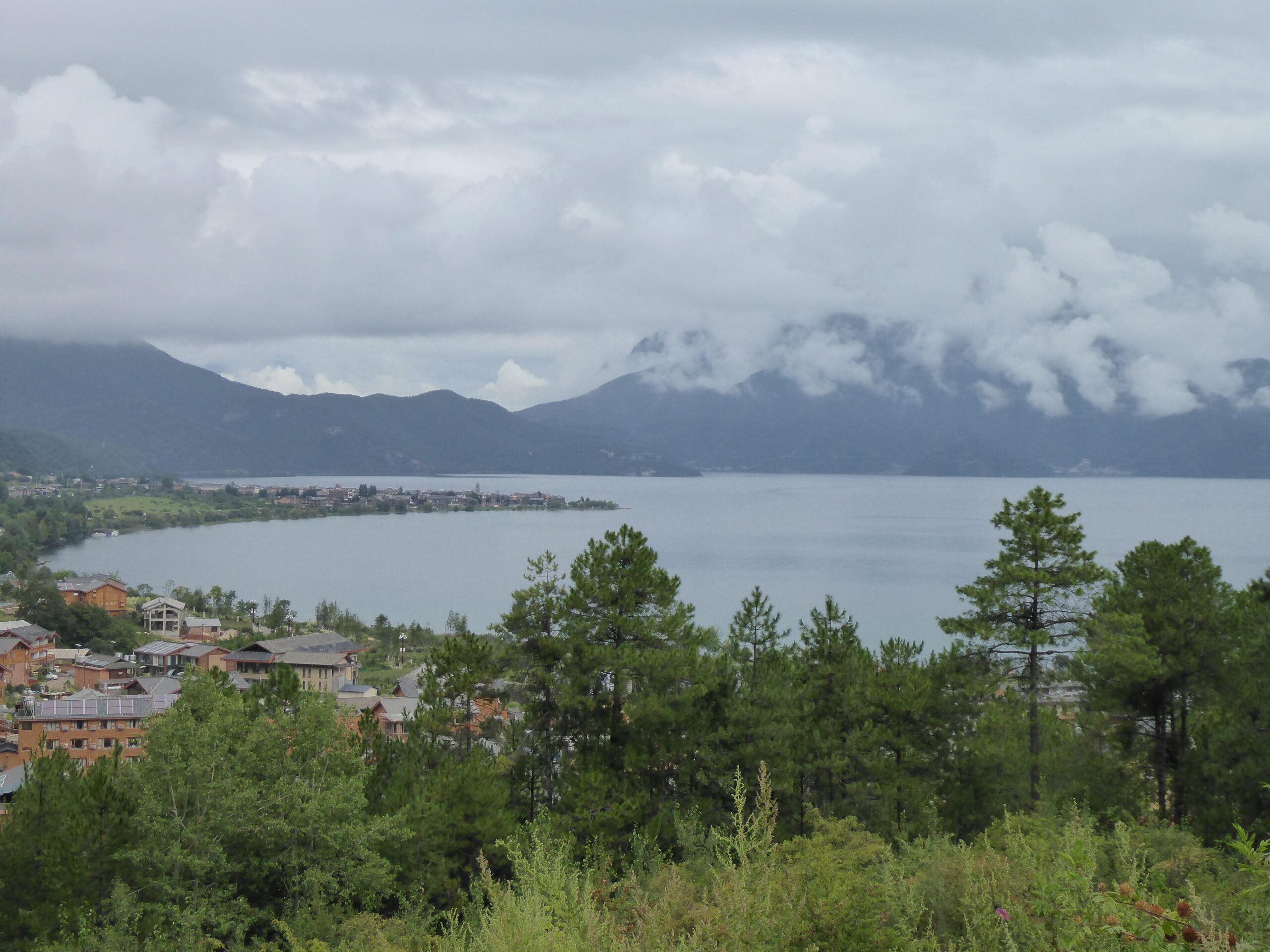
Lugu Lake
The meals were fairly consistent in that our guide ordered for us, gradually realising that we didn’t like it too spicy. I guess it was all air fried with loud extractor fans and plenty of oil which I invariably split on my trousers as we sat on low chairs and were using chopsticks. Pork and mushroom was a favourite along with stringy greens (always stuck in my teeth), broccoli and various beef and chicken dishes, accompanied by rice; relatively few noodles. Breakfasts in the larger more western hotels were standard buffets but became more challenging in the smaller Chinese hotels where everything was a random selection – steamed buns (aka dumplings) were safe and almost edible. Melons, dragon fruit and mangos were usually available.
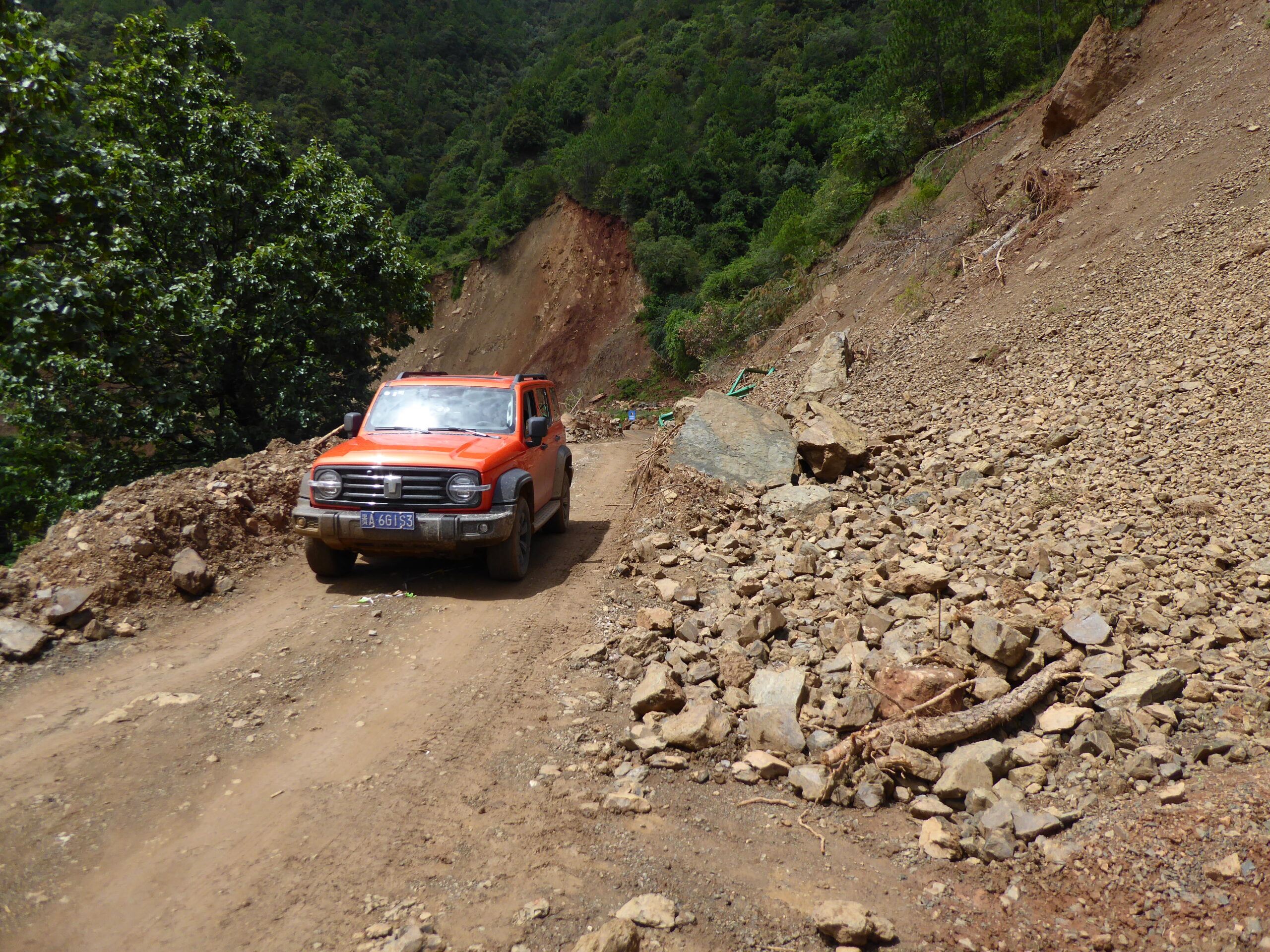
Road to Baoshan
From Lugu our route included a side trip to Baoshan Stone village (lunch stop) to the ancient city of Lijiang, our furthest point south. A sign in Baoshan showed Tea Horse Road;
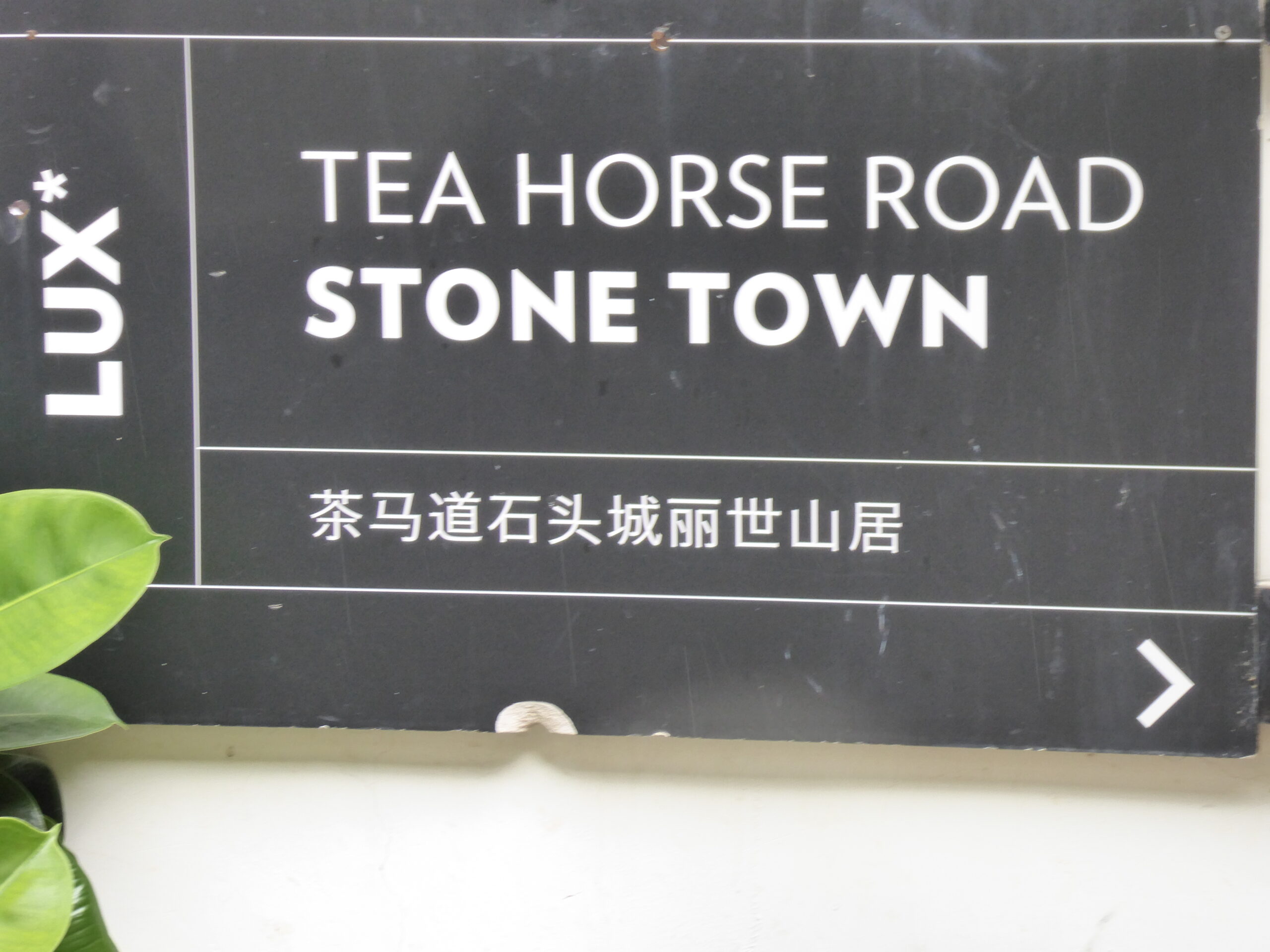
Tea Horse Road
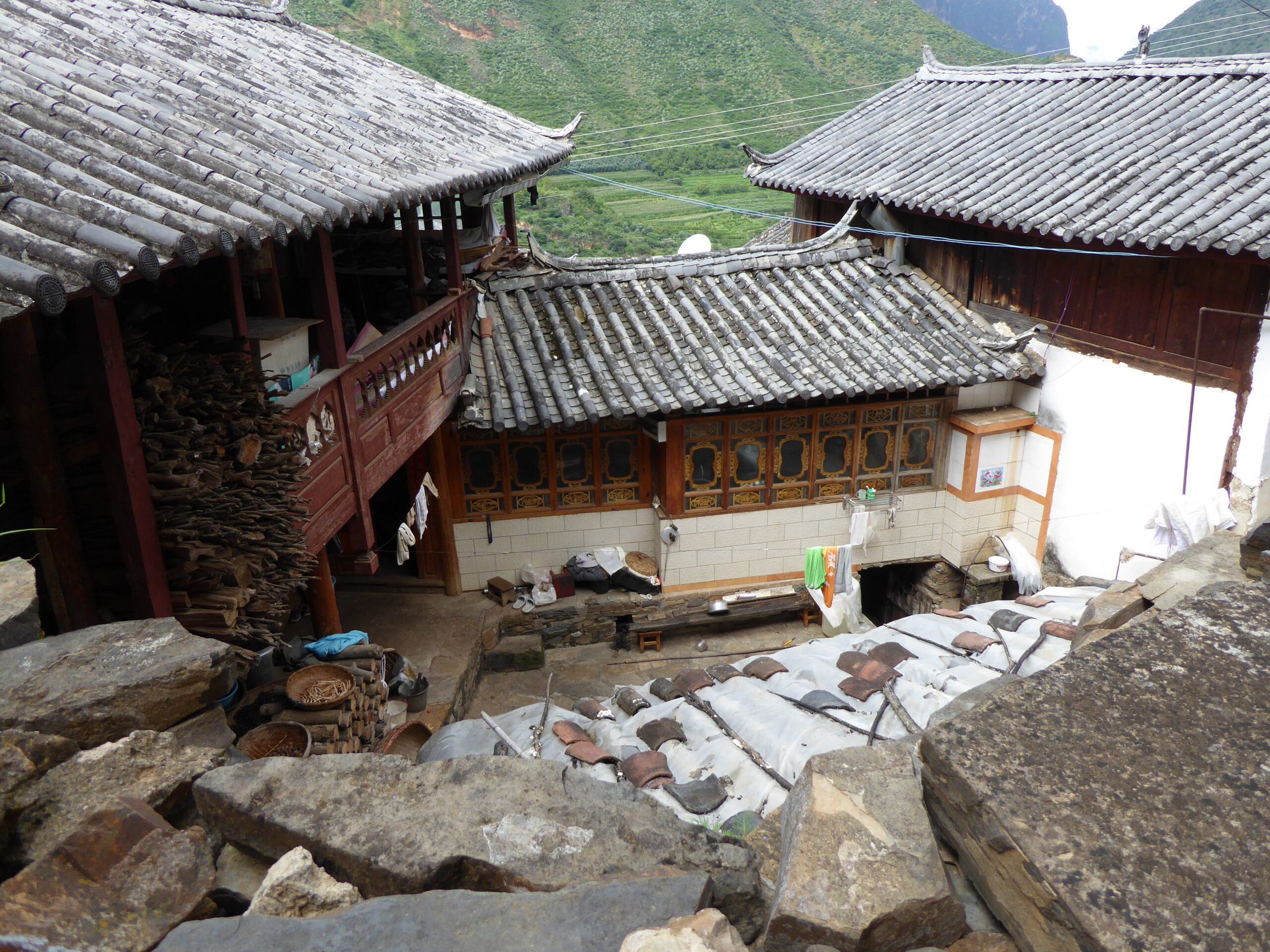
In Baoshan
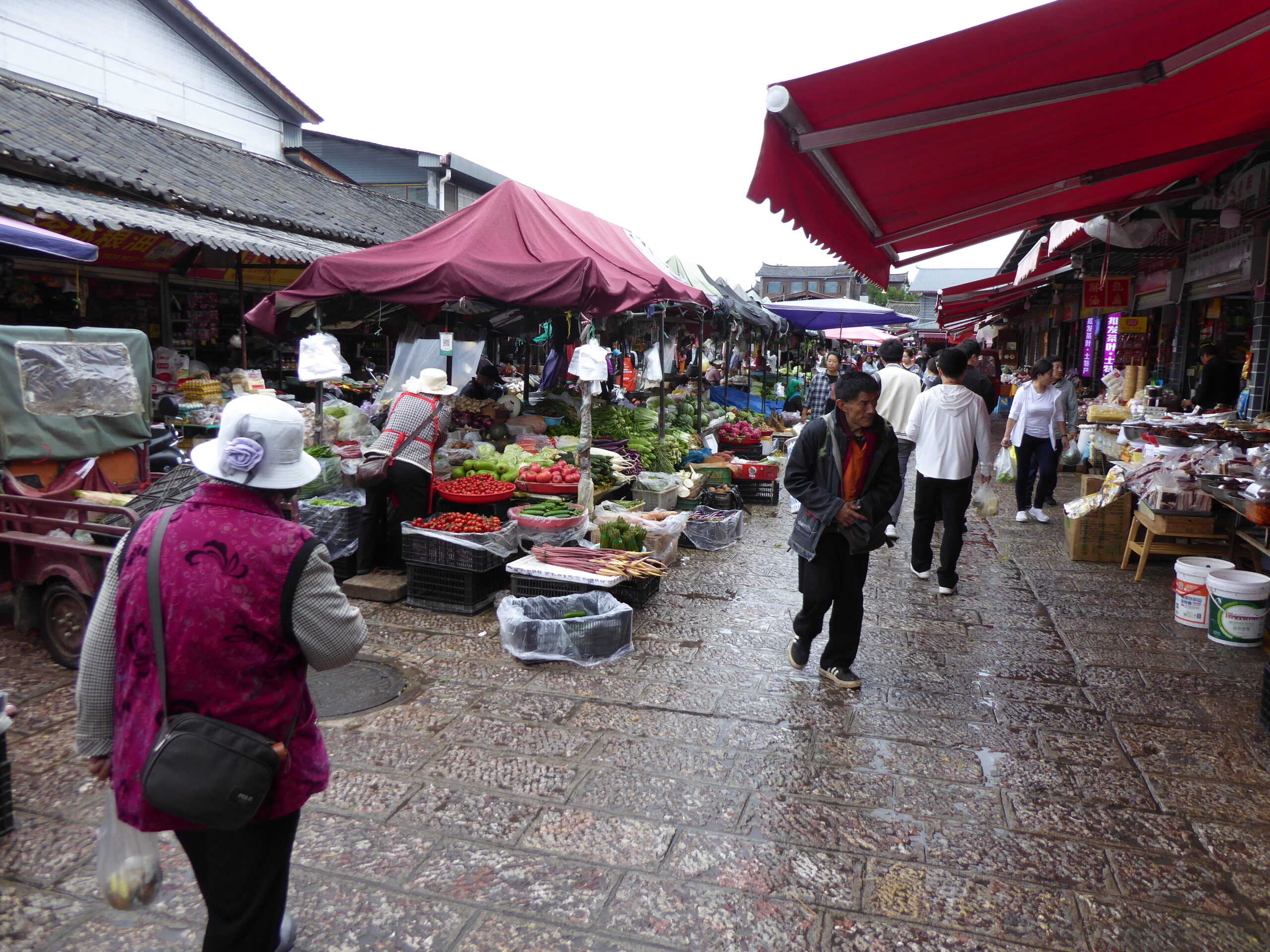
Damp Lijiang market
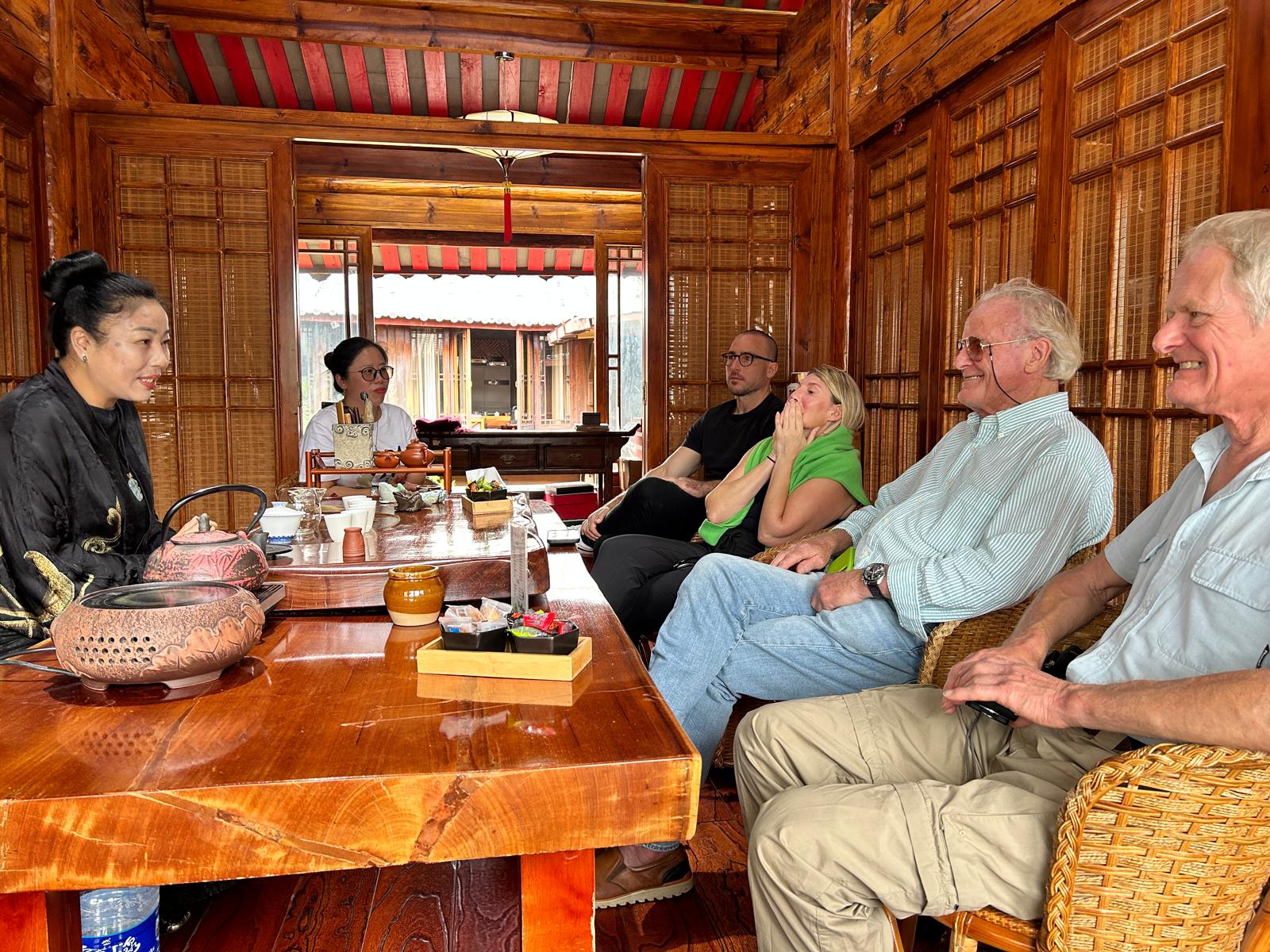
Lecture on teas
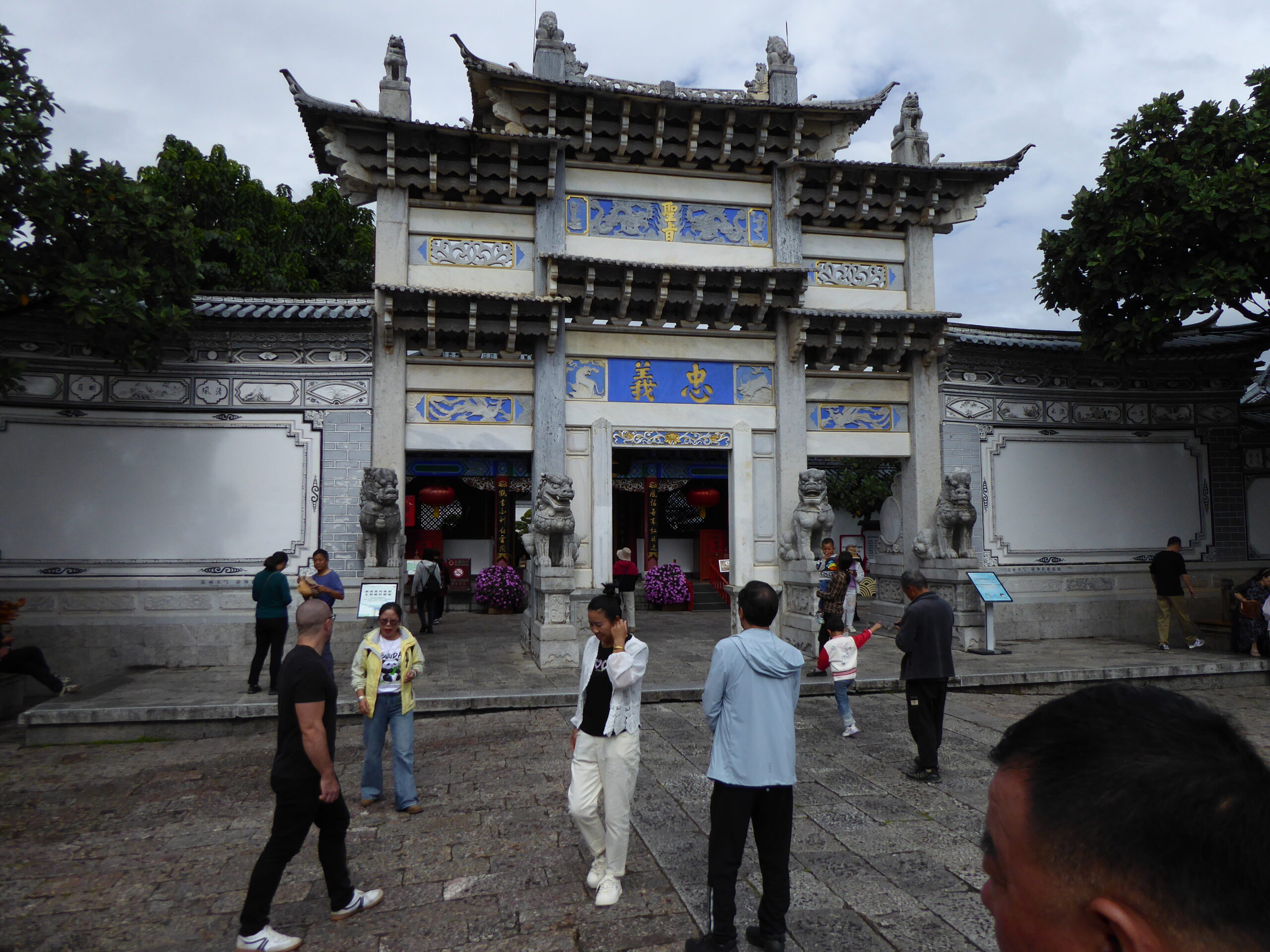
Lijiang Mu’s Mansion
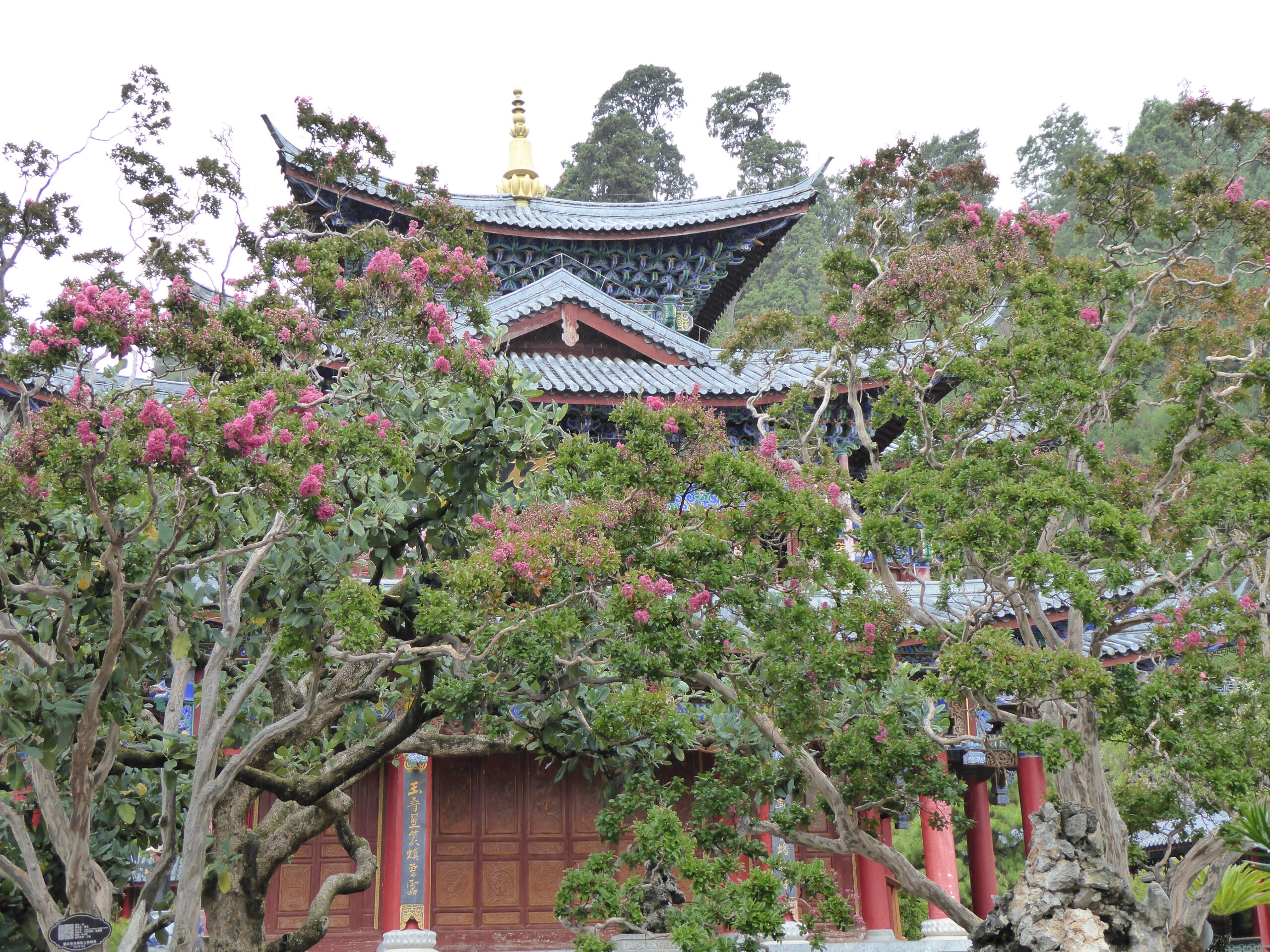
Temple in the gardens
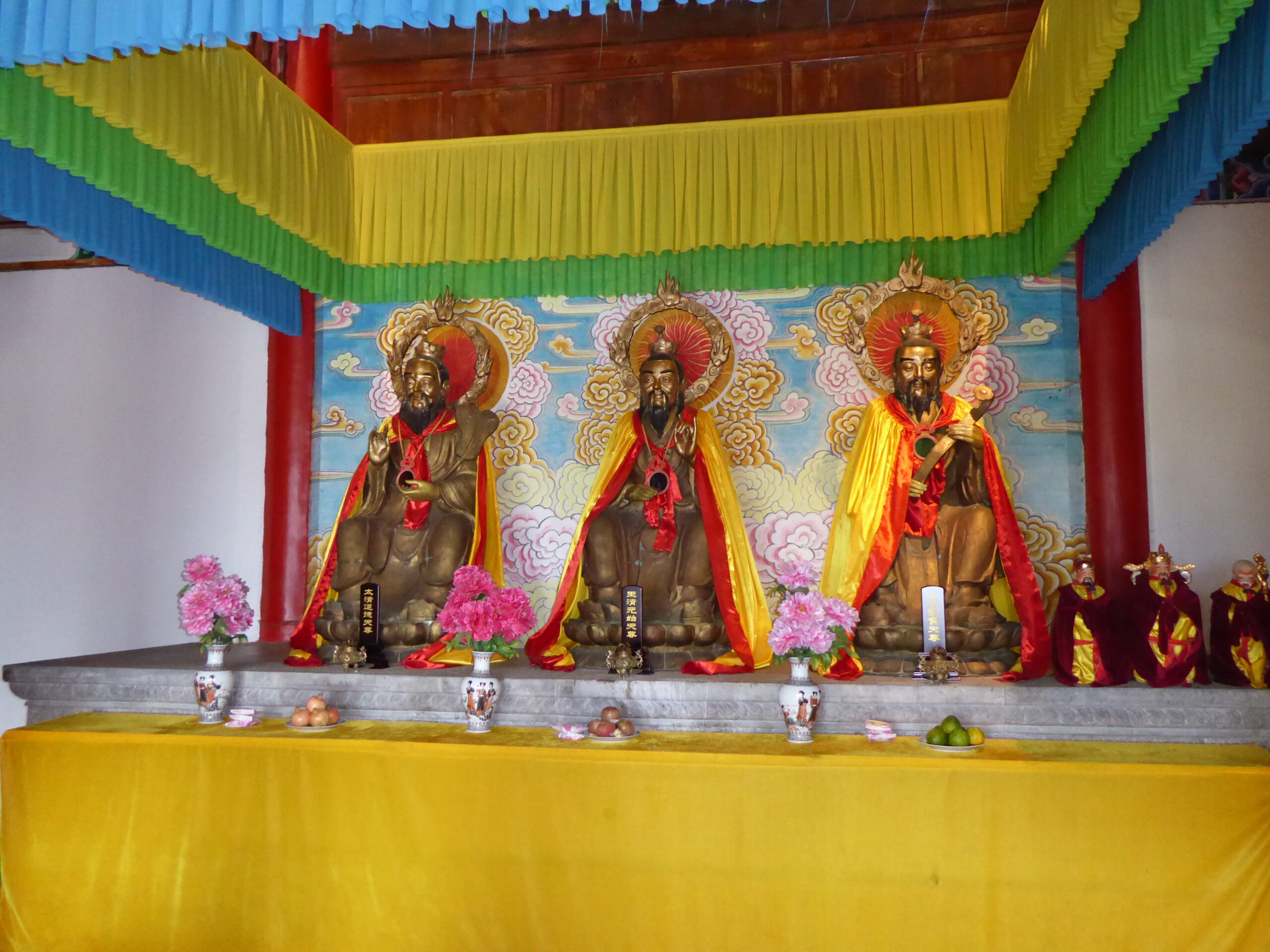
Temple
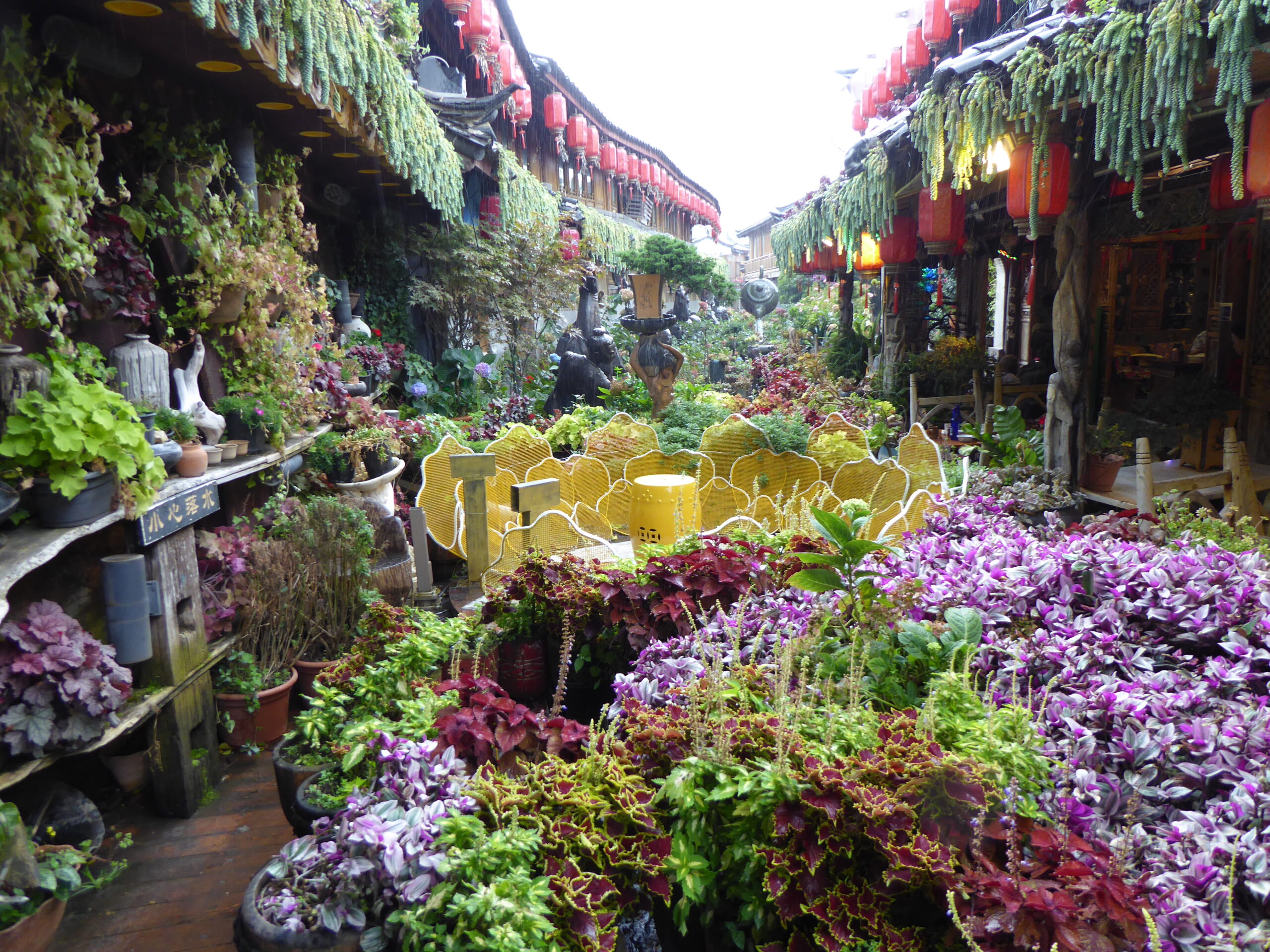
Canal outside our lunch stop
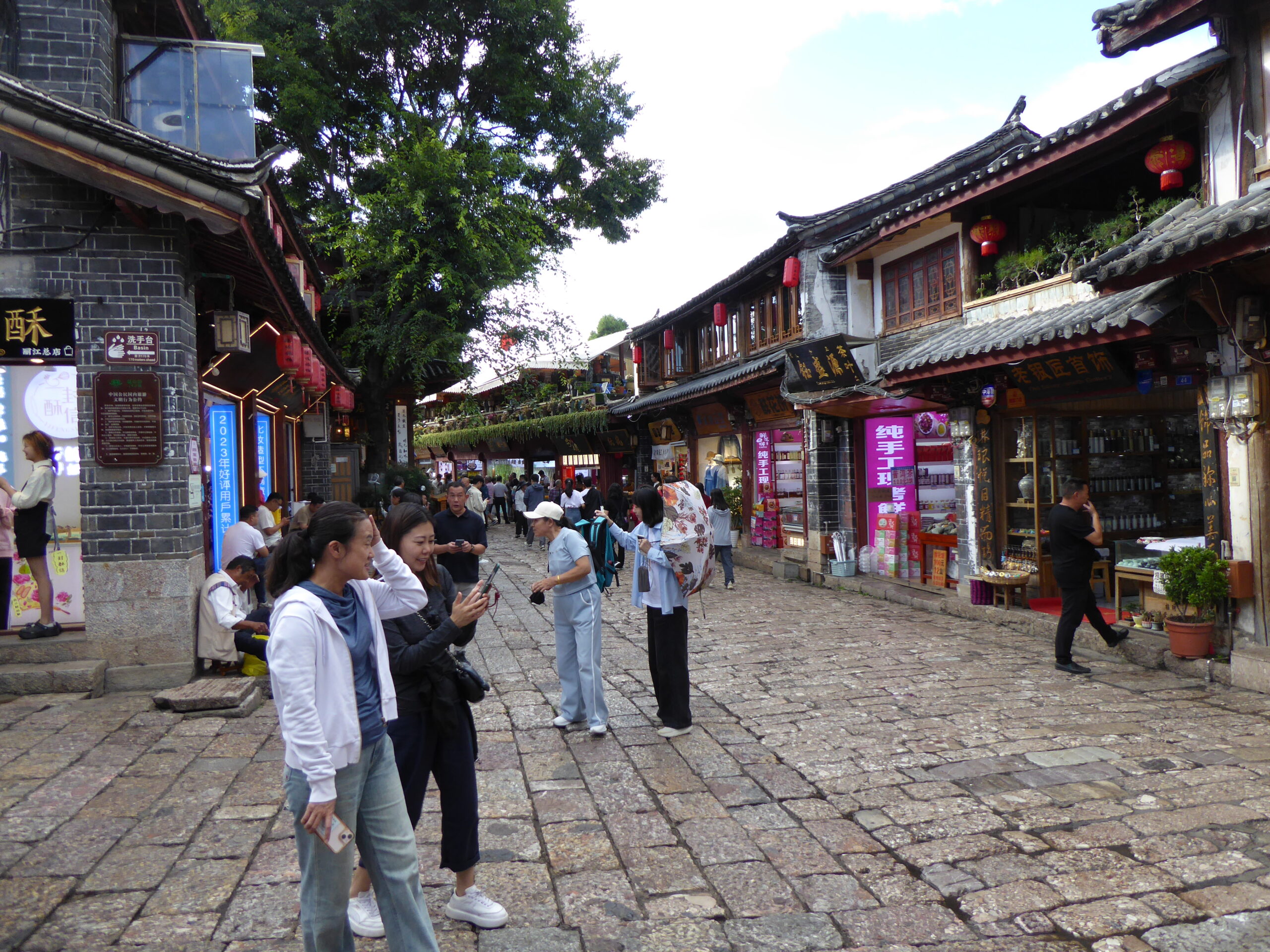
street in the old town
Our next stop was Shangri-La and the route was via Tiger Leaping Gorge – unsurprisingly where Tigers are said to have leapt across the gorge.
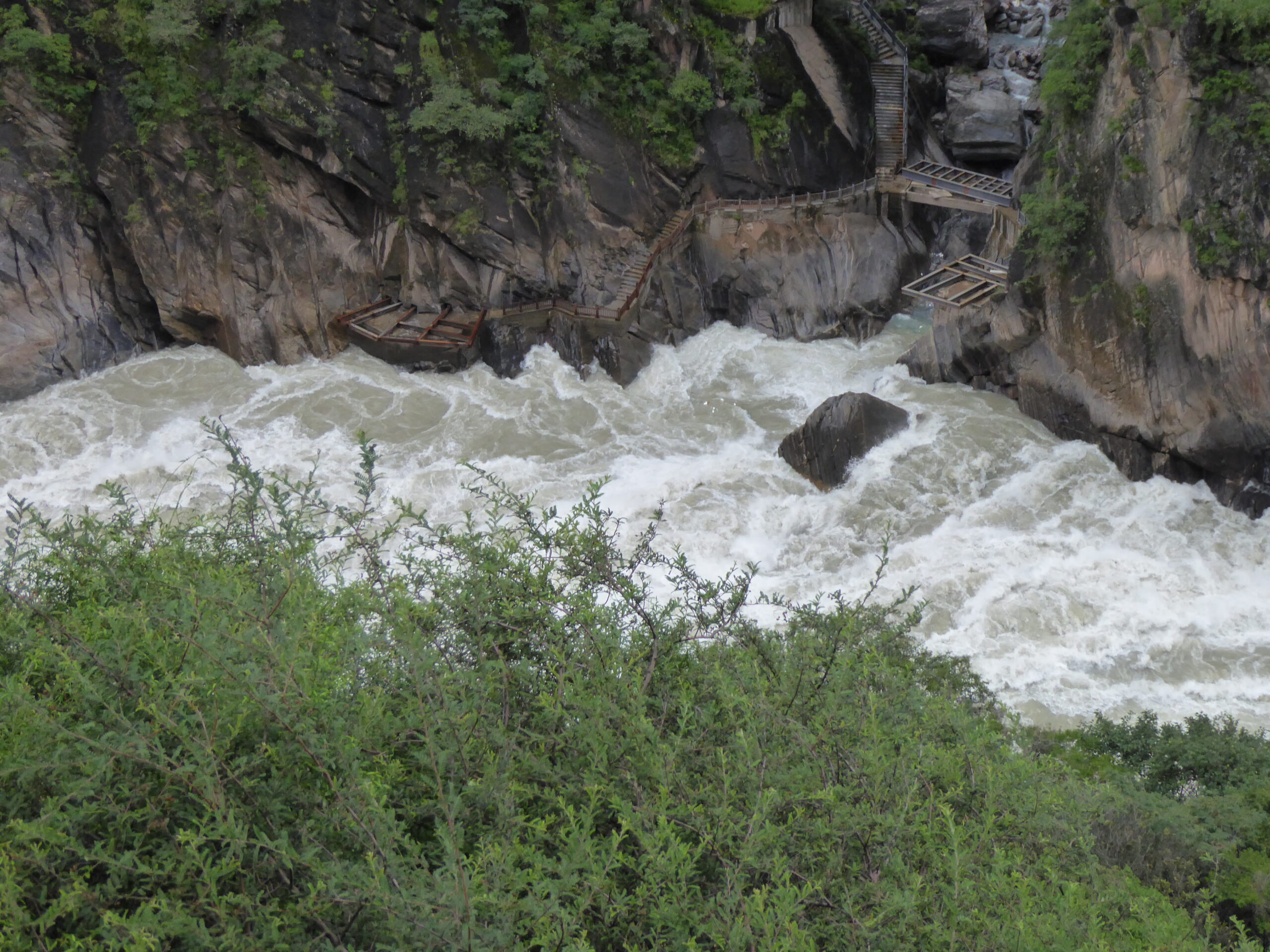
Rock for Tigers to leap onto and across
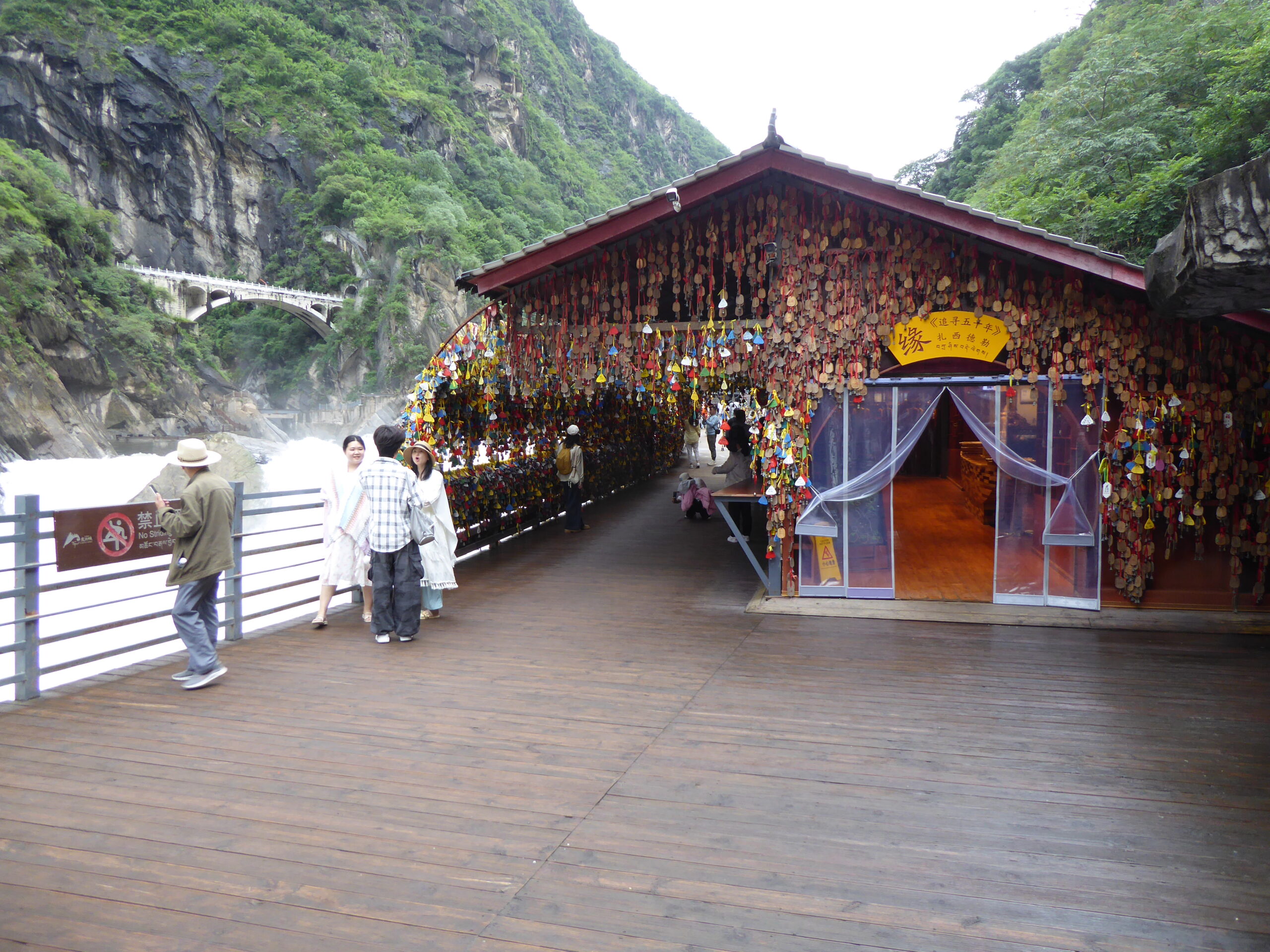
Viewing area; rock just visible. no tigers today
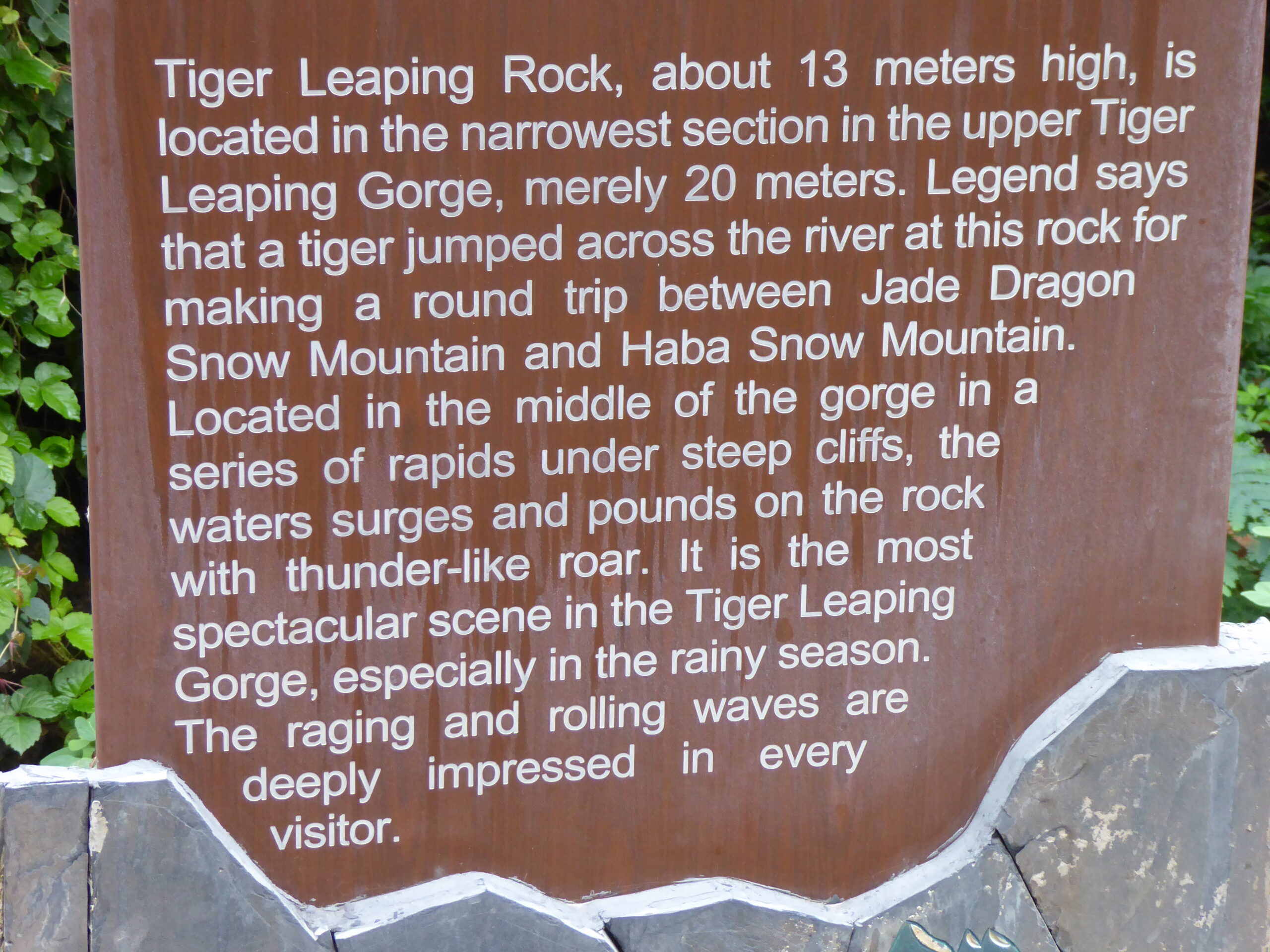
Explanation
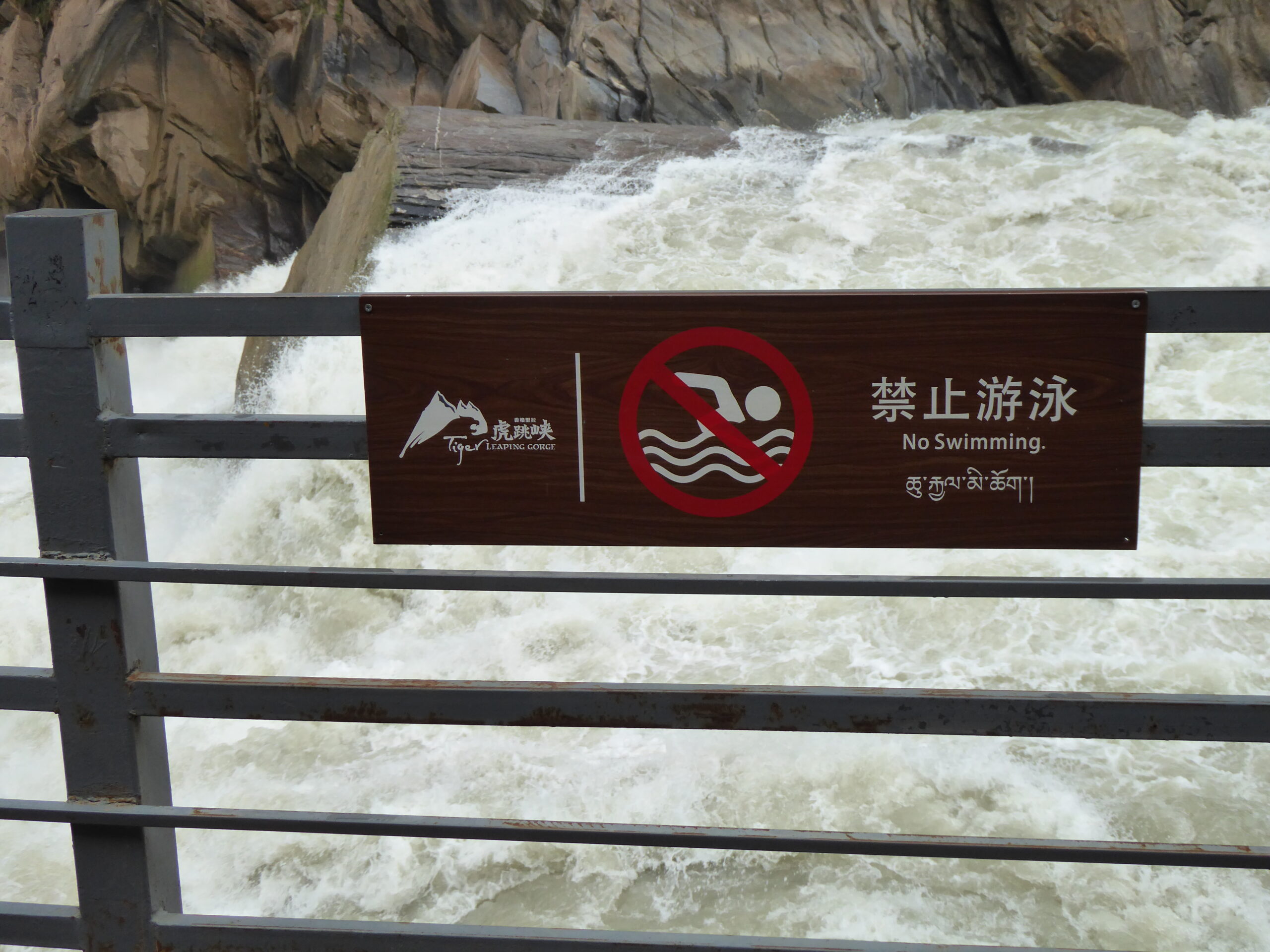
Not that I was planning to
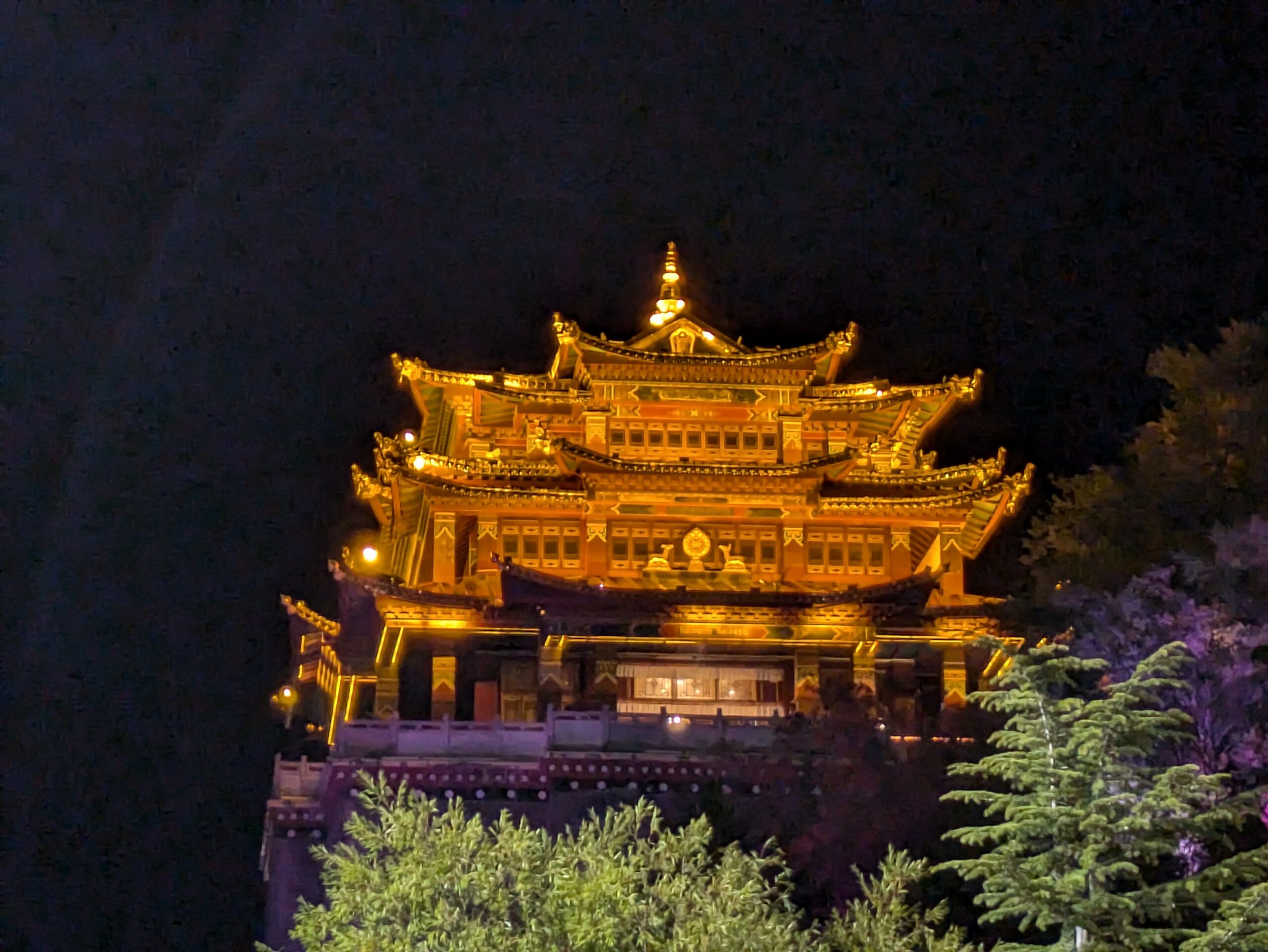
Shangri-la all lit up
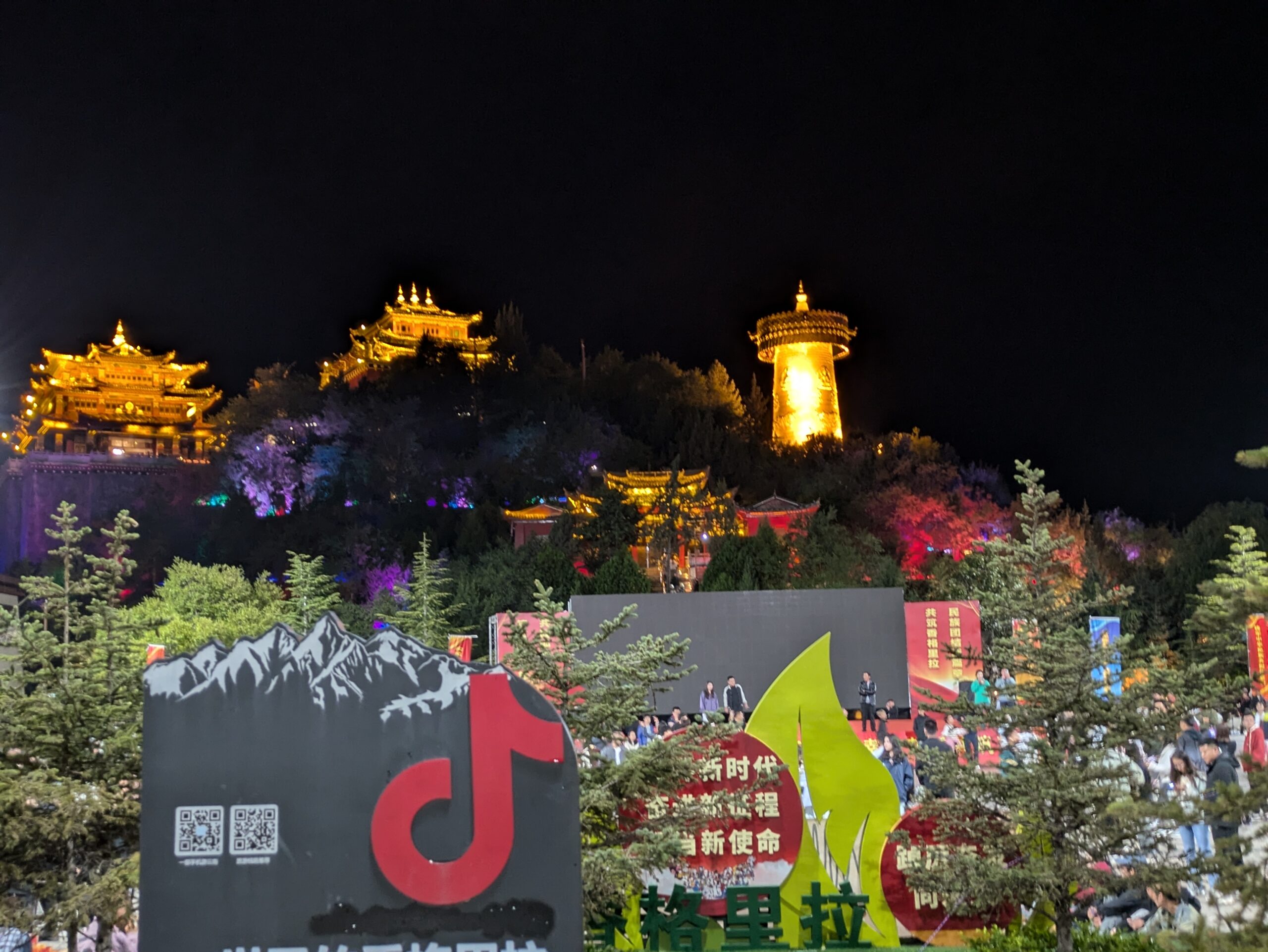
Shangri-la
From Shangri-la we headed back north towards Yading, where a rest day was planned but that all changed as did our next couple of hotel stops. Our first stop was Songzanlin Monastery, from 1679, often known as Little Potala (after the Potala in Lhasa), this is an important place of study for Tibetan culture and religious history.
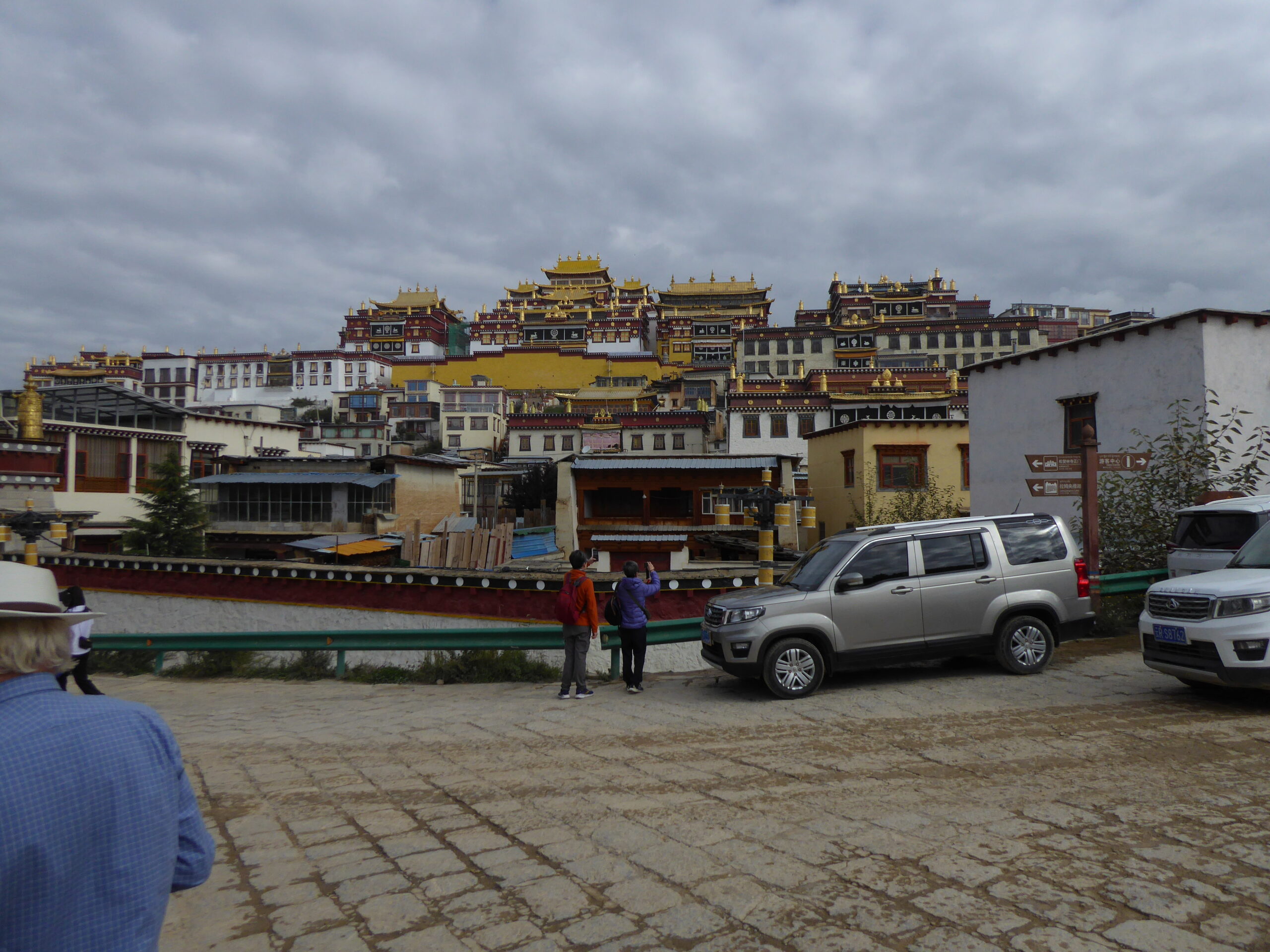
Songzanlin – unimpressive from below
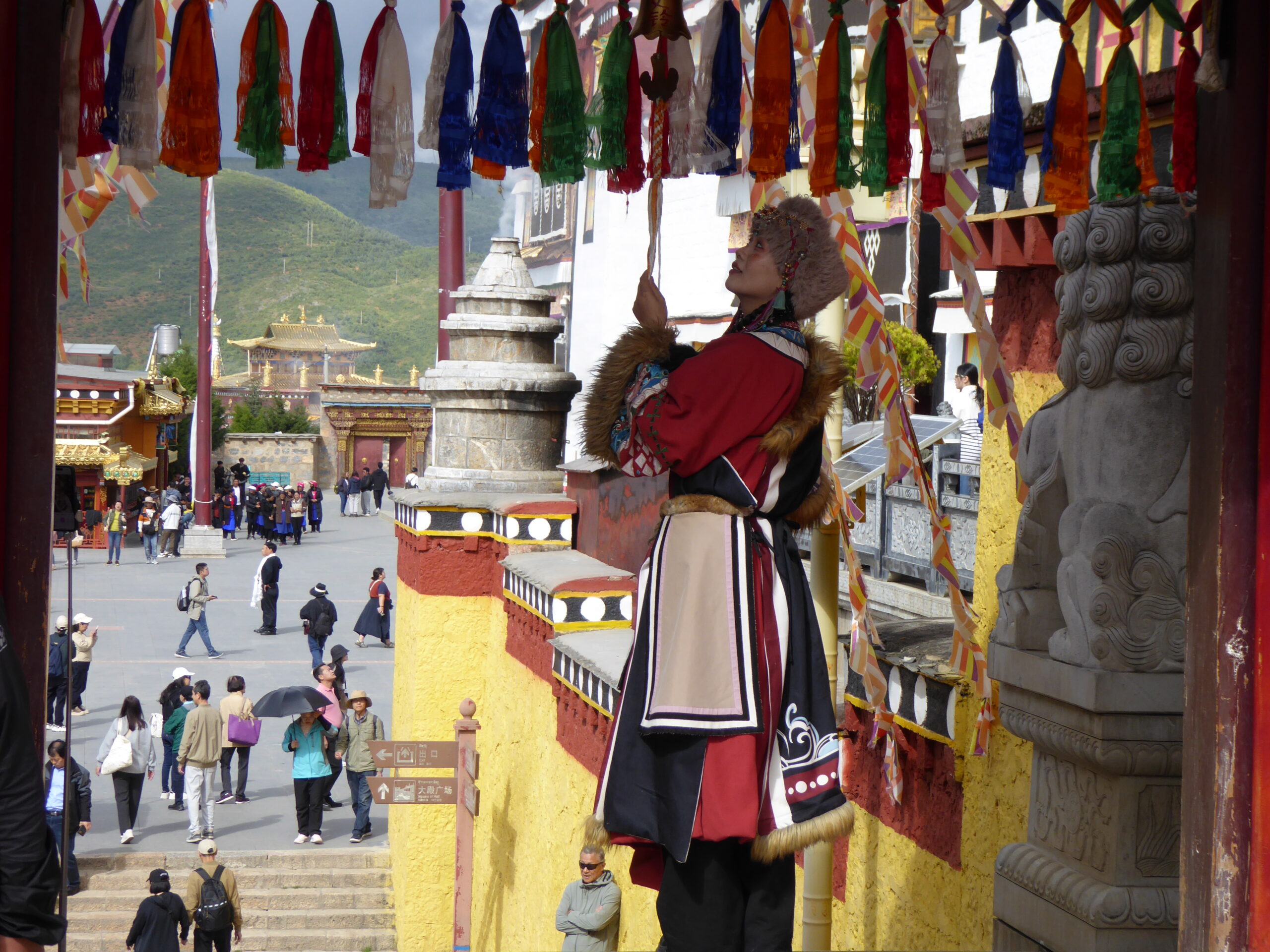
Songzanlin
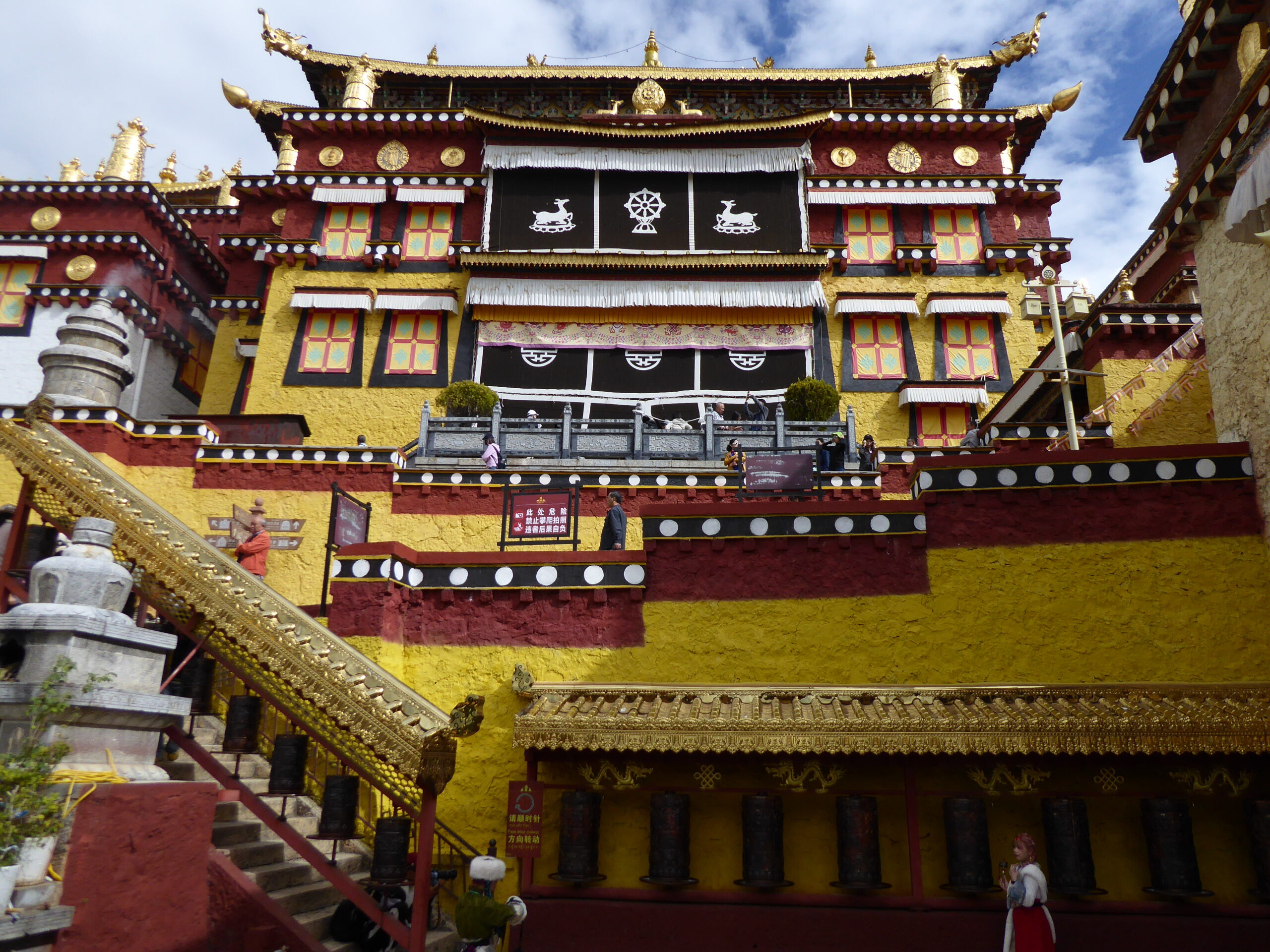
Songzanlin
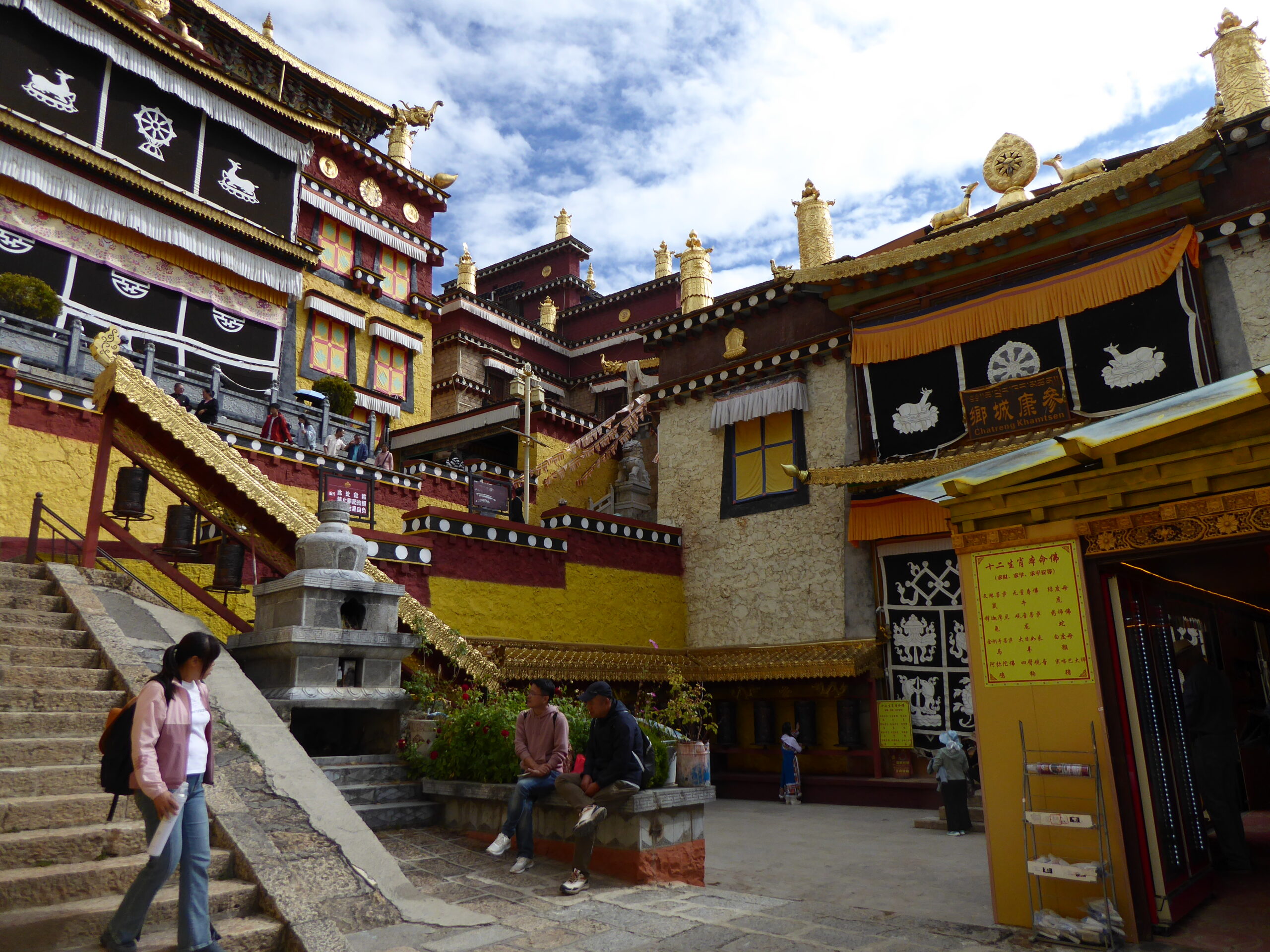
Songzanlin
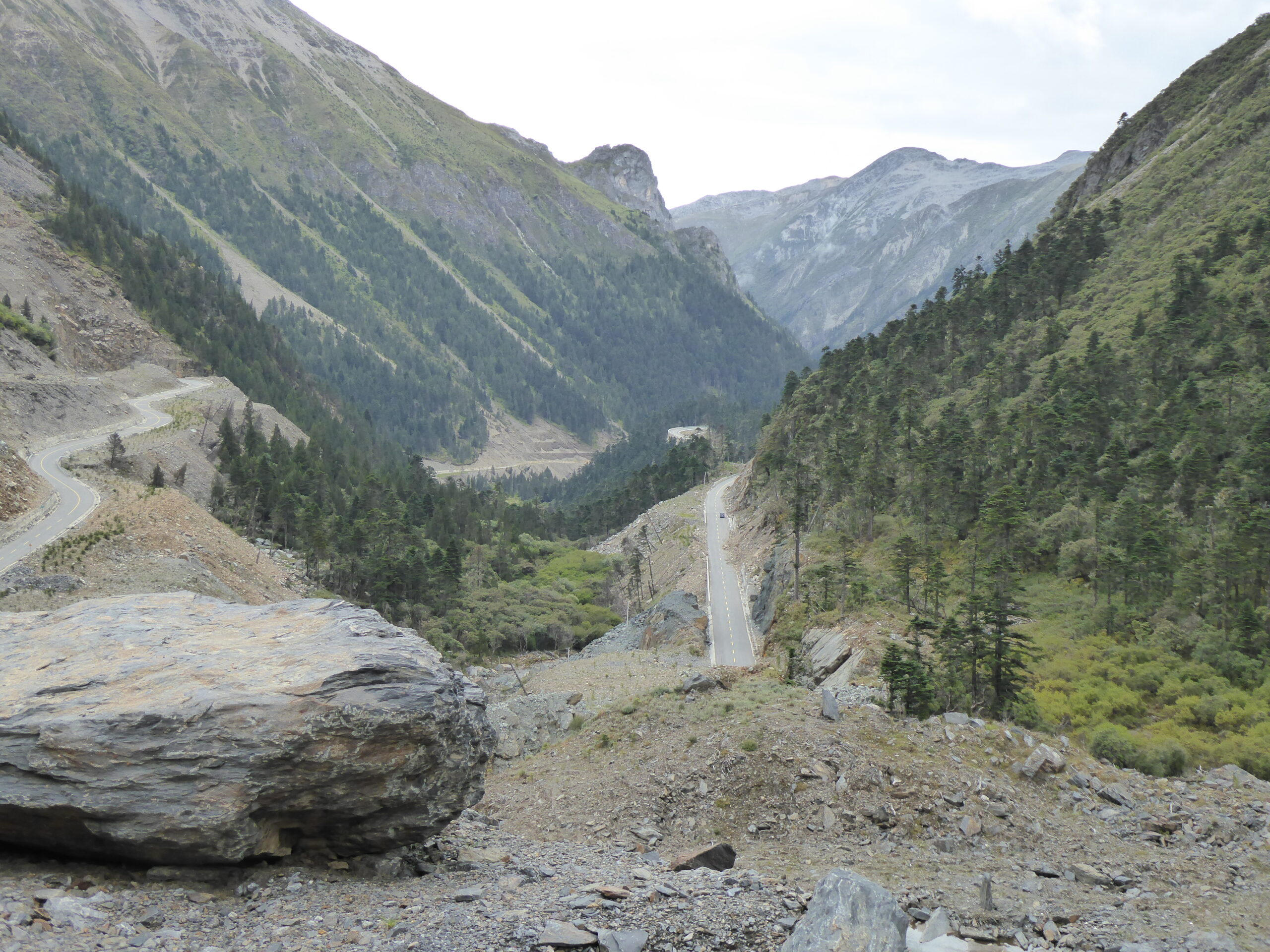
remote road
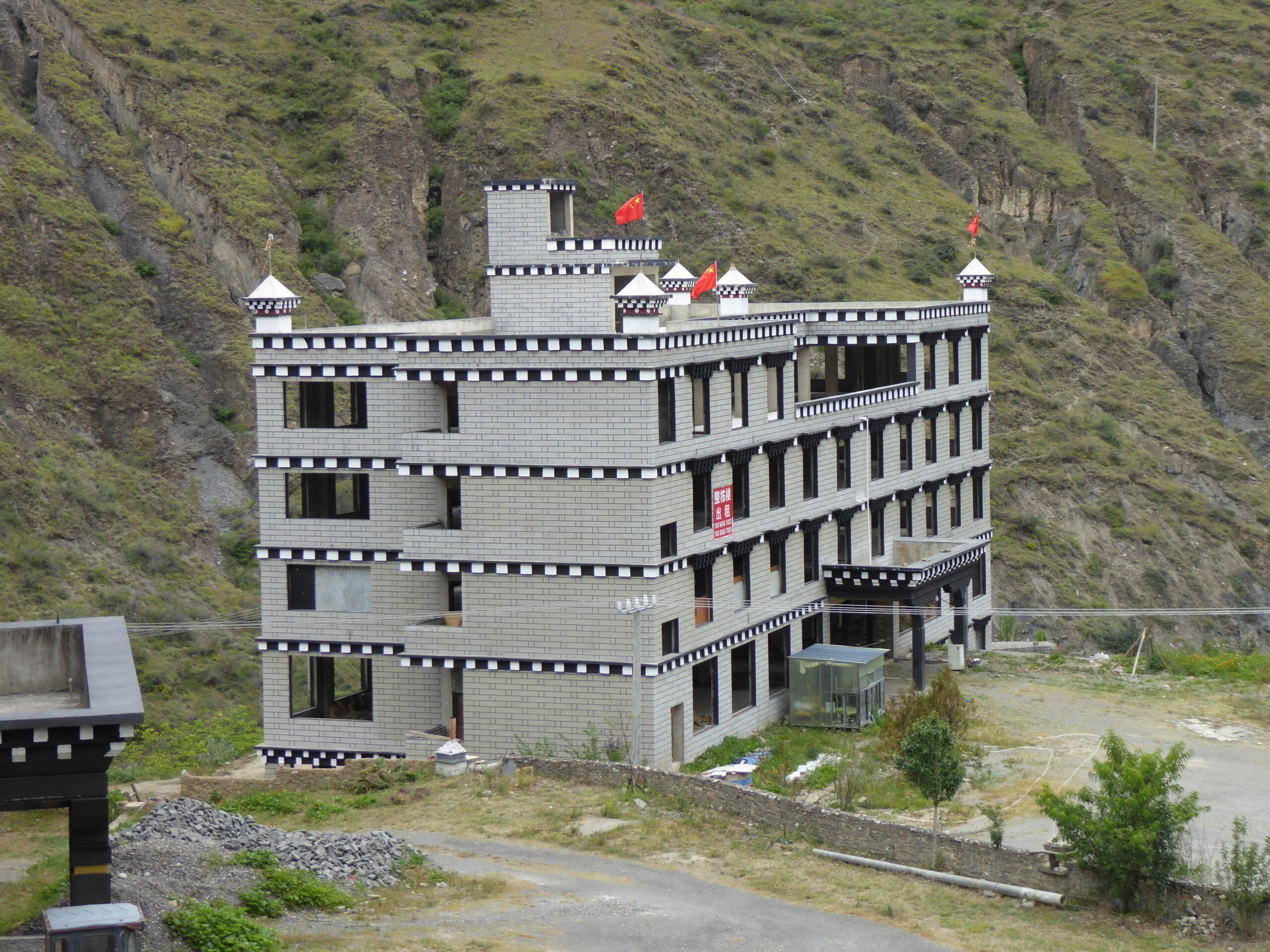
In the middle of nowhere
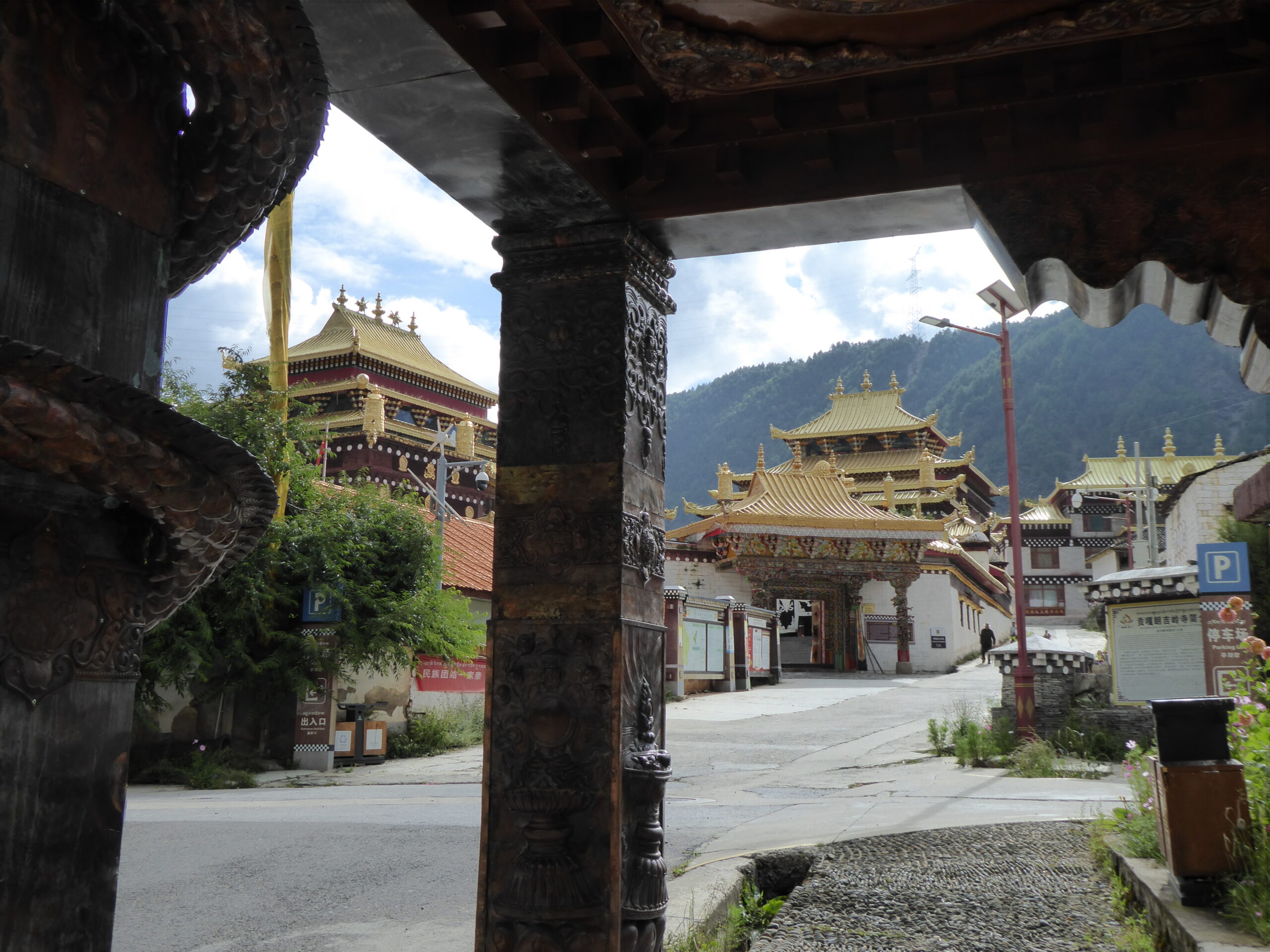
Langjiling Monastery
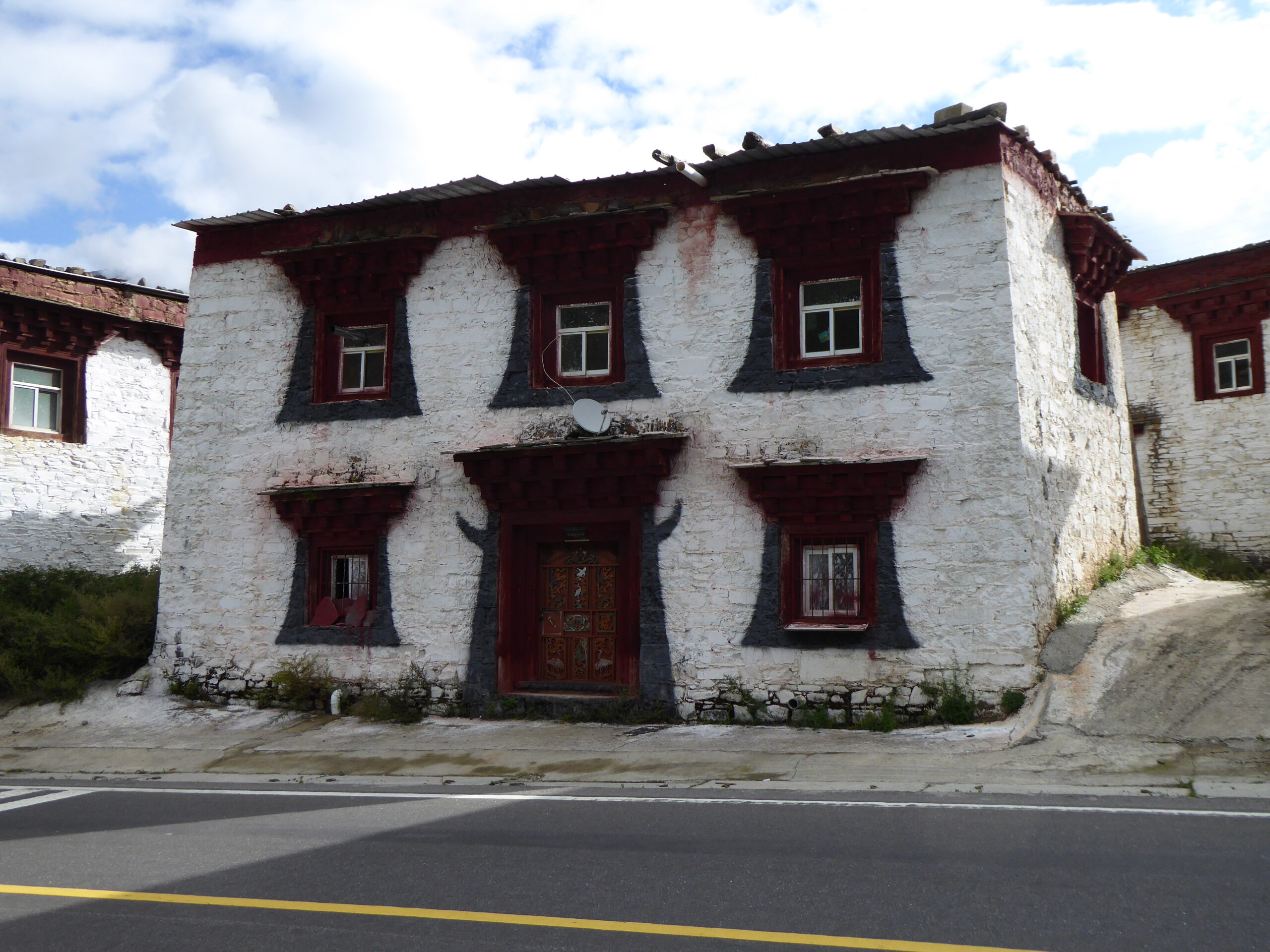
House at Langjiling
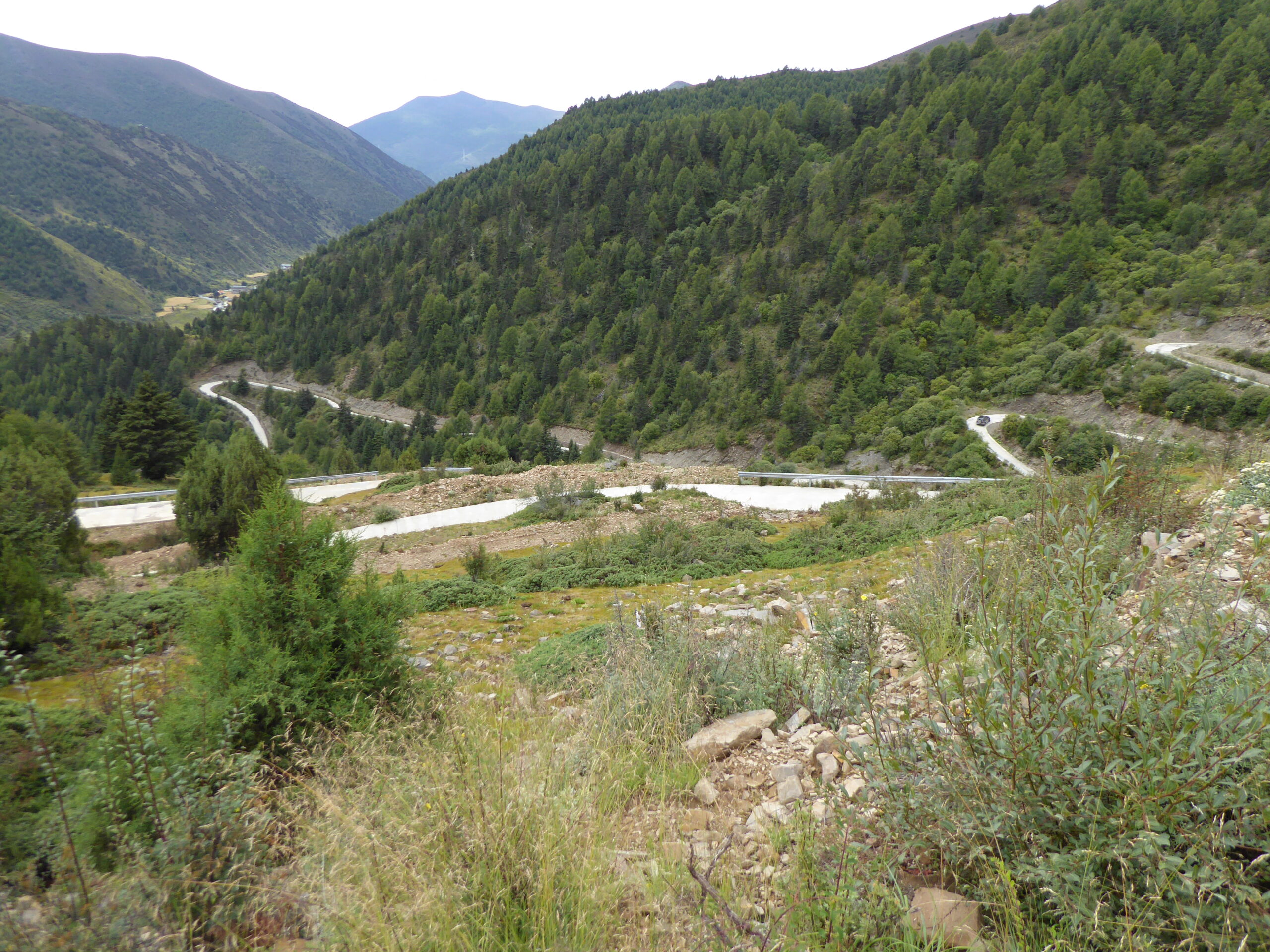
scenic hairpins
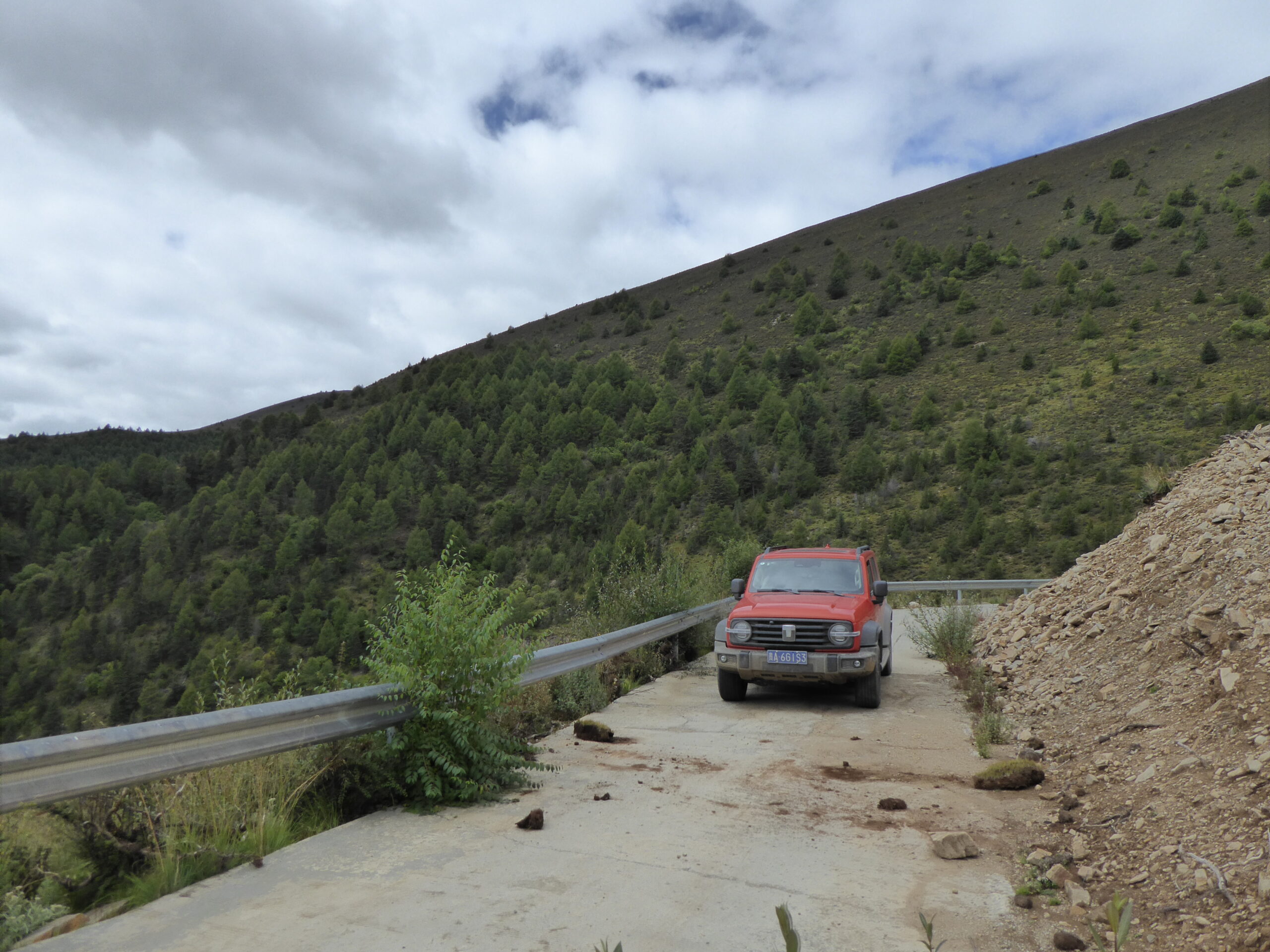
….on narrow roads….
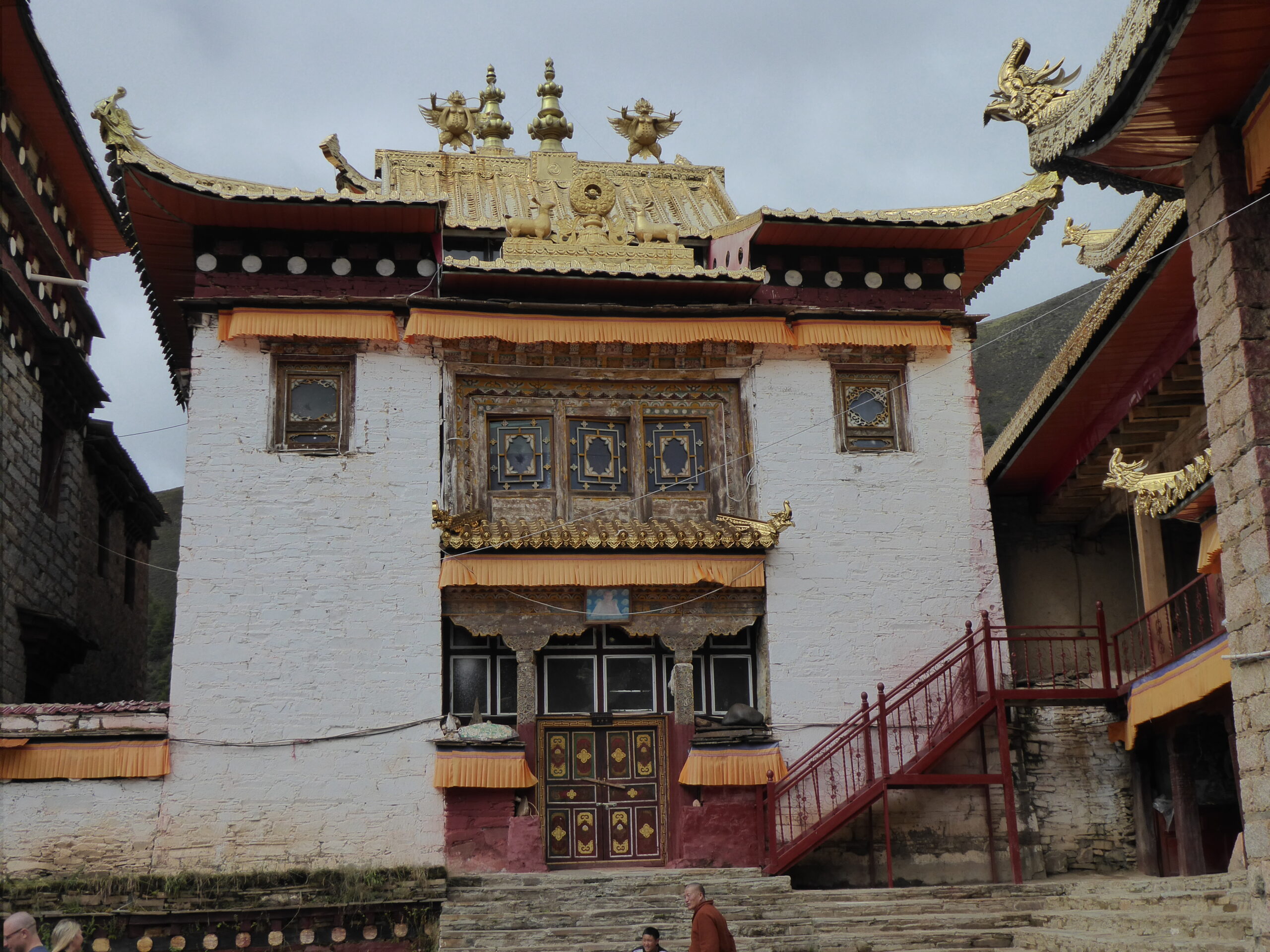
..to a monastery with no name..
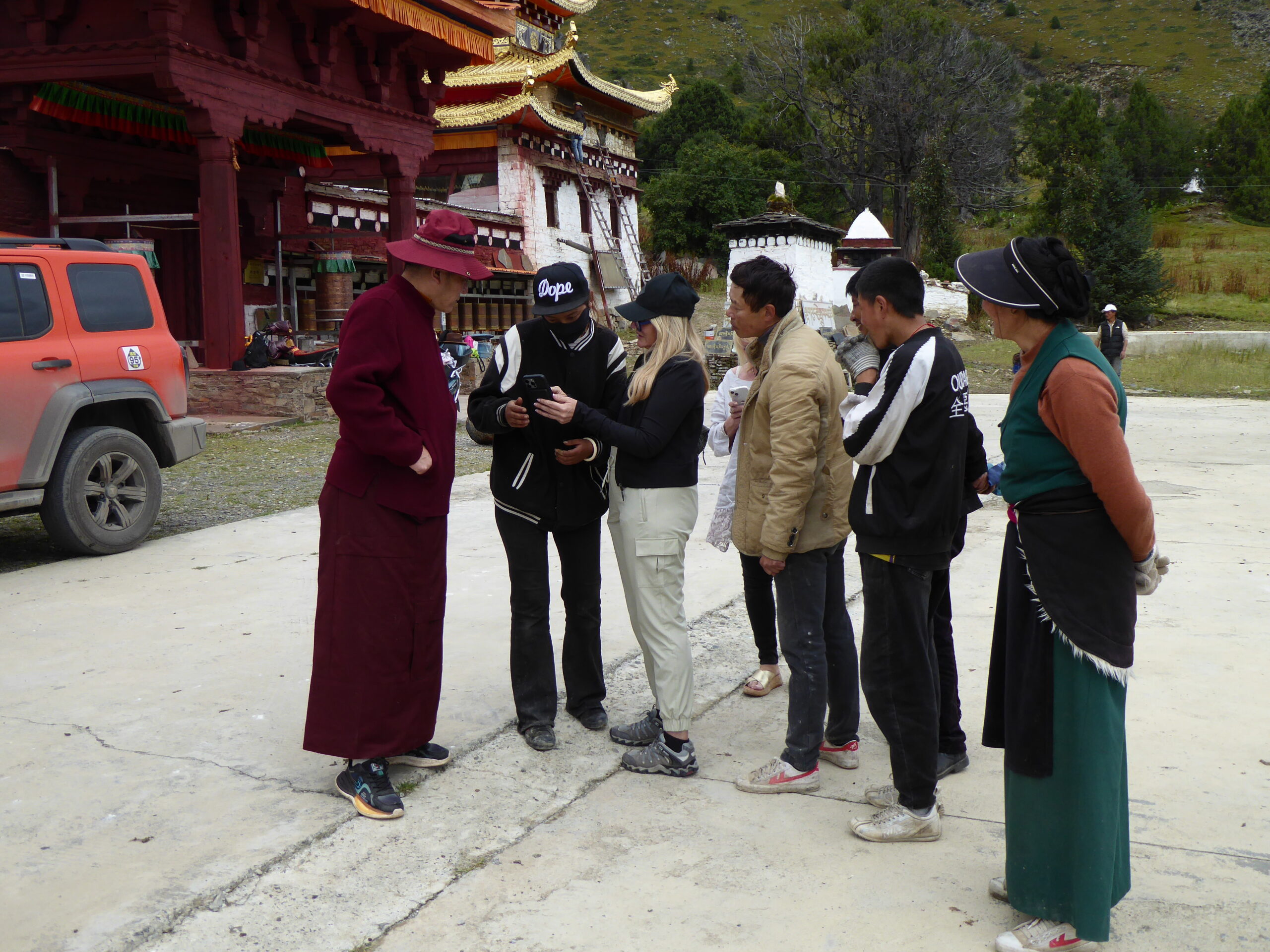
…where Christina tried to explain..
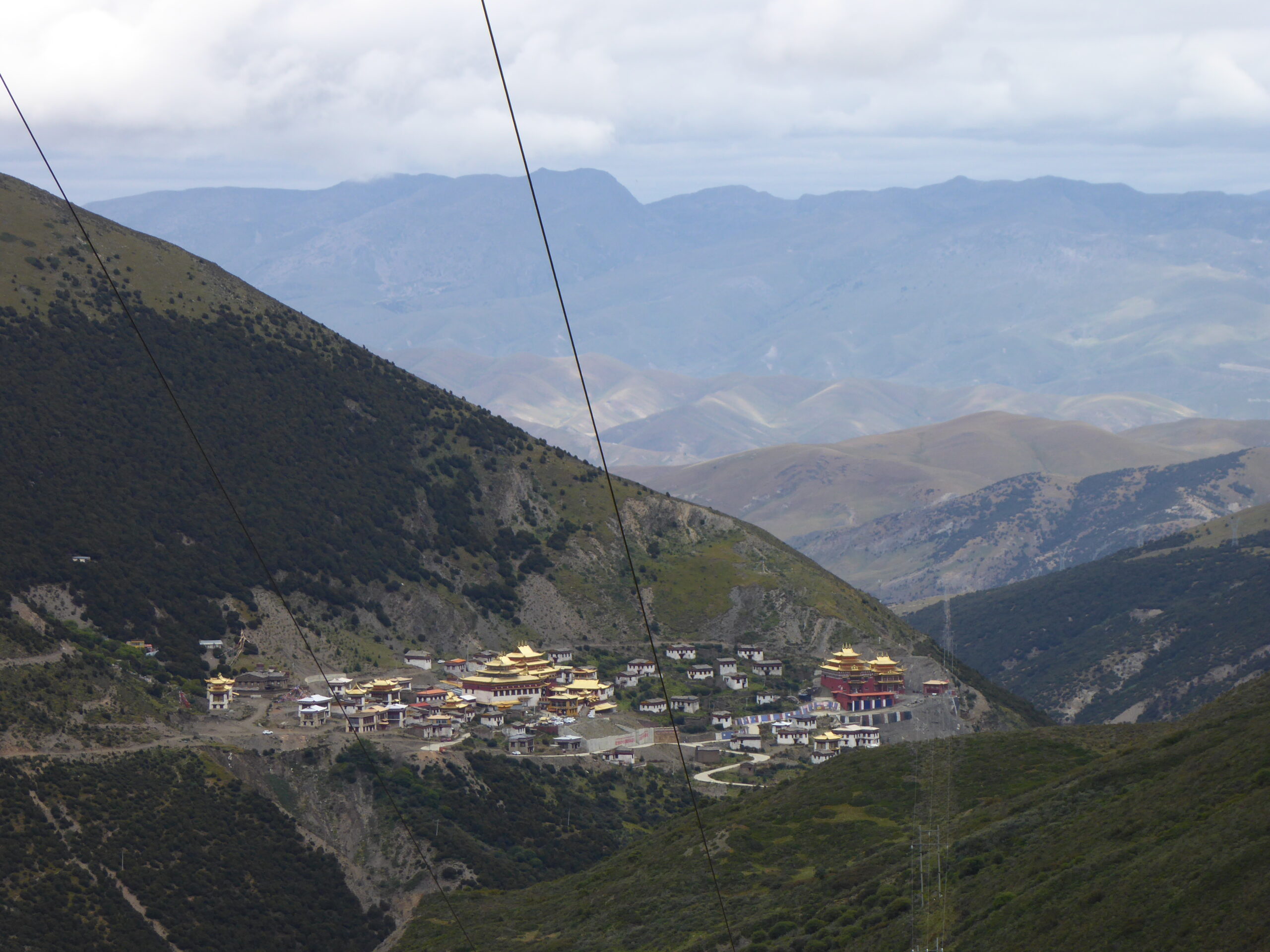
distant temple
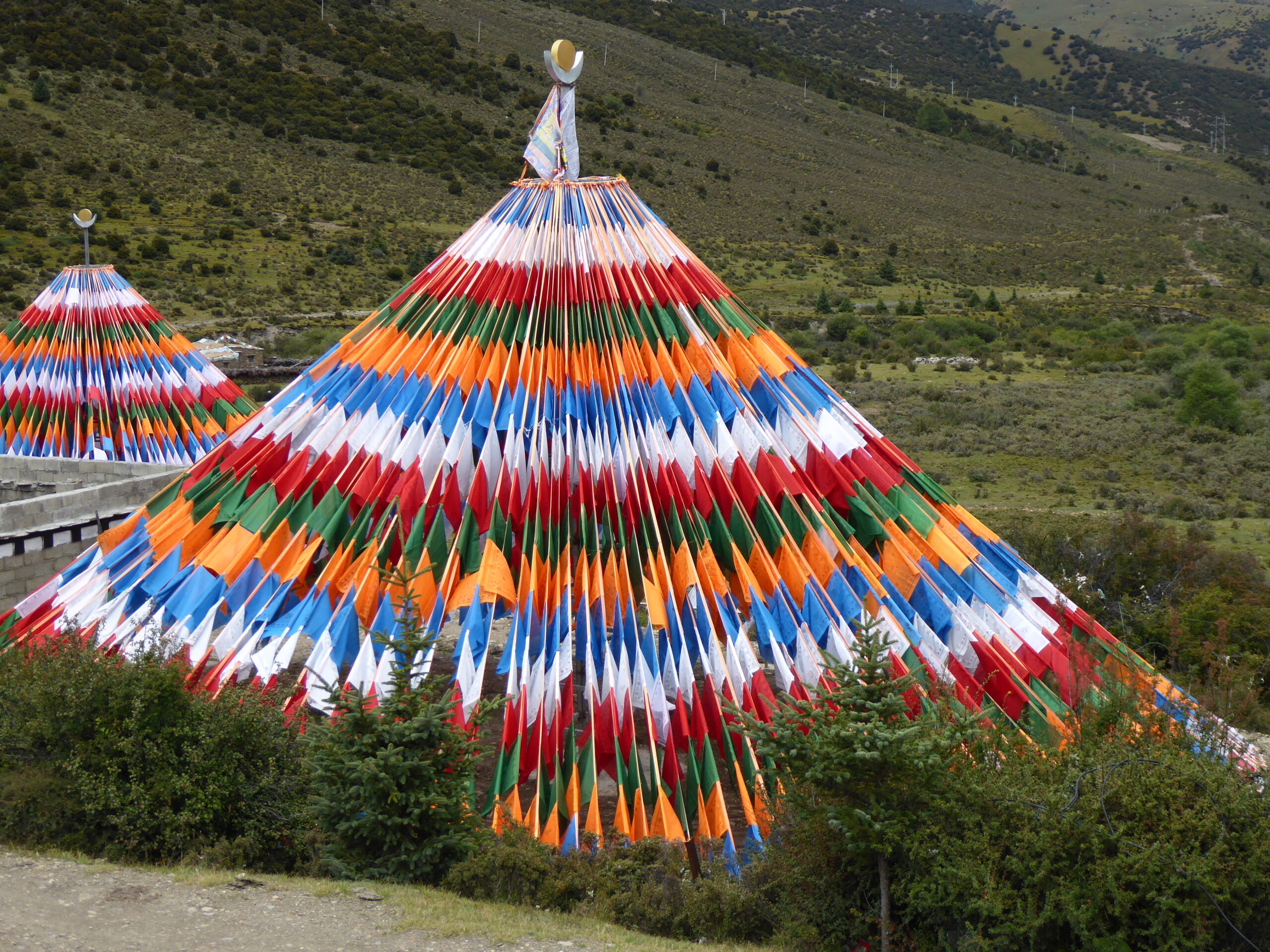
Prayer flags
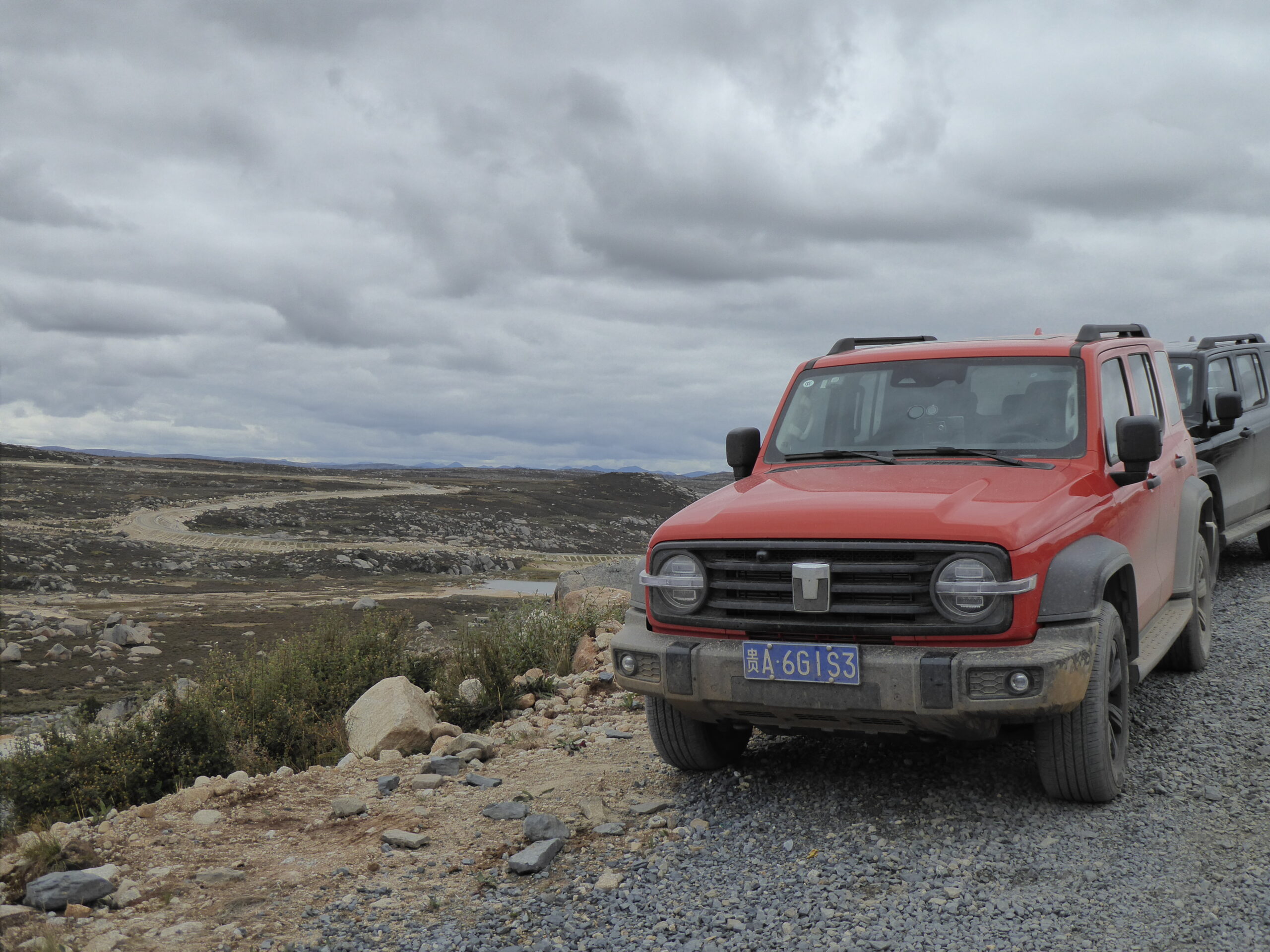
Not a great picnic spot
Litang had a different feel from other places we’d been to. There were police posts on junctions and groups of men standing around on the opposite corner.
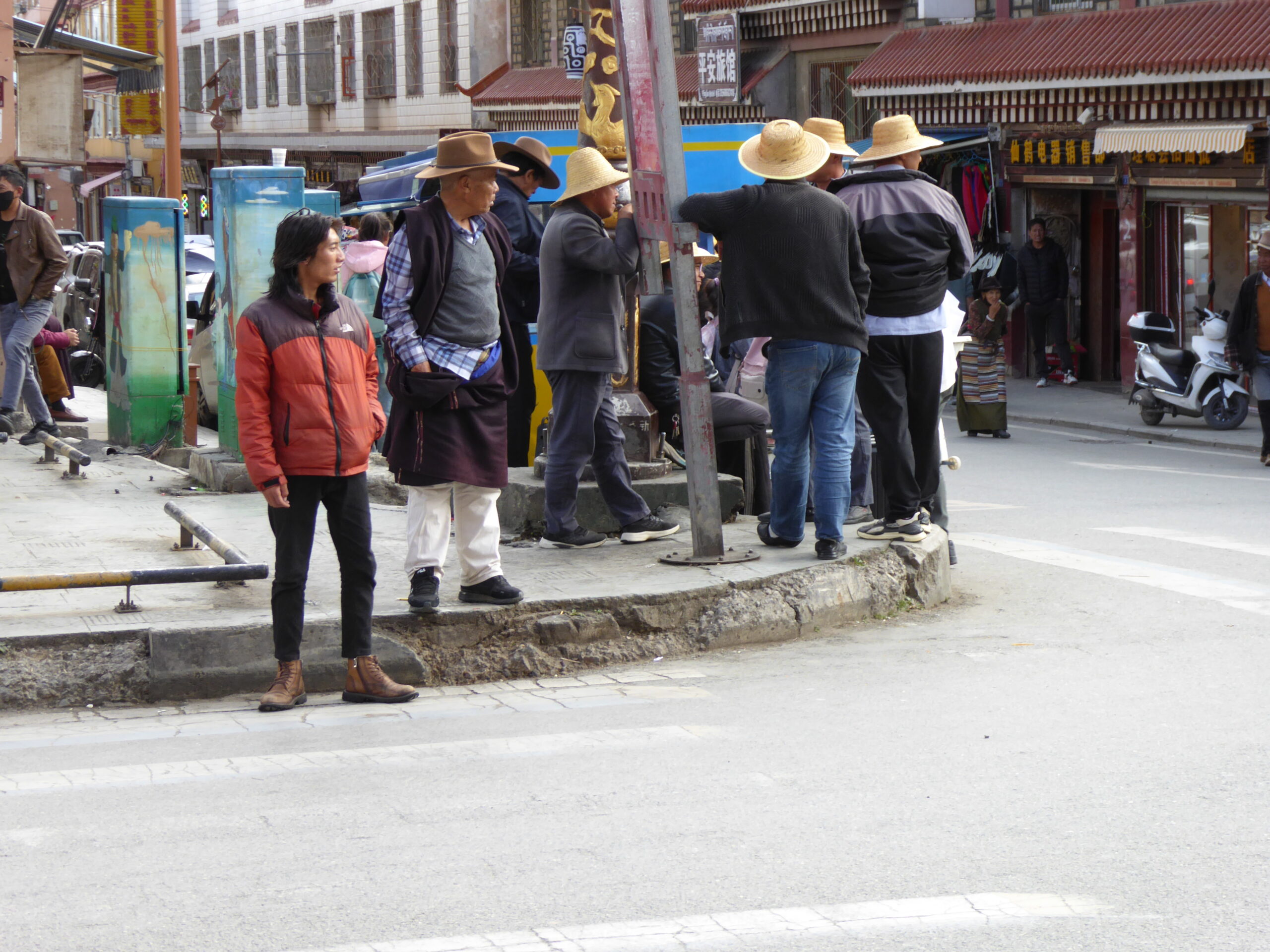
just hanging around
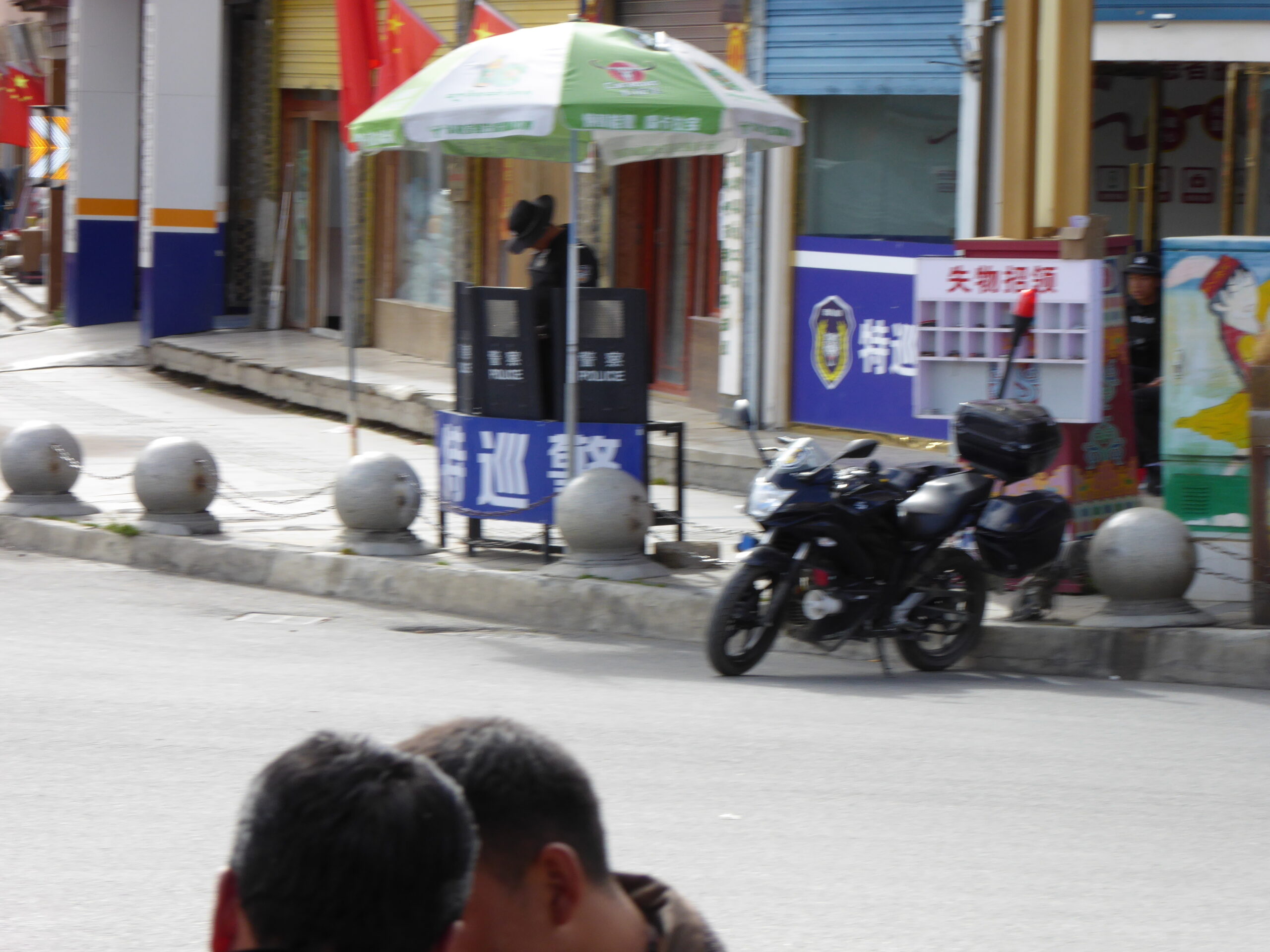
…watching the police
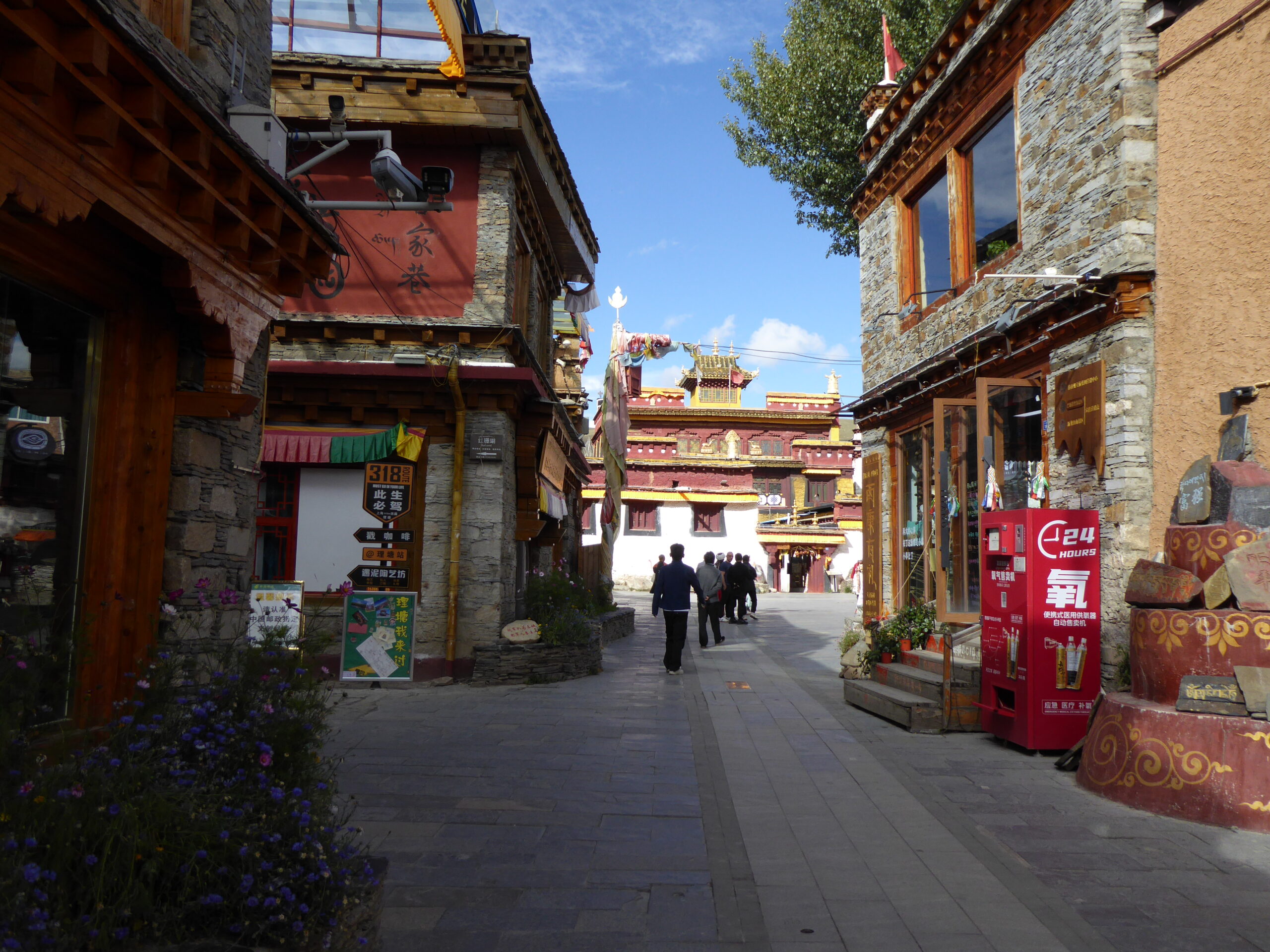
old square
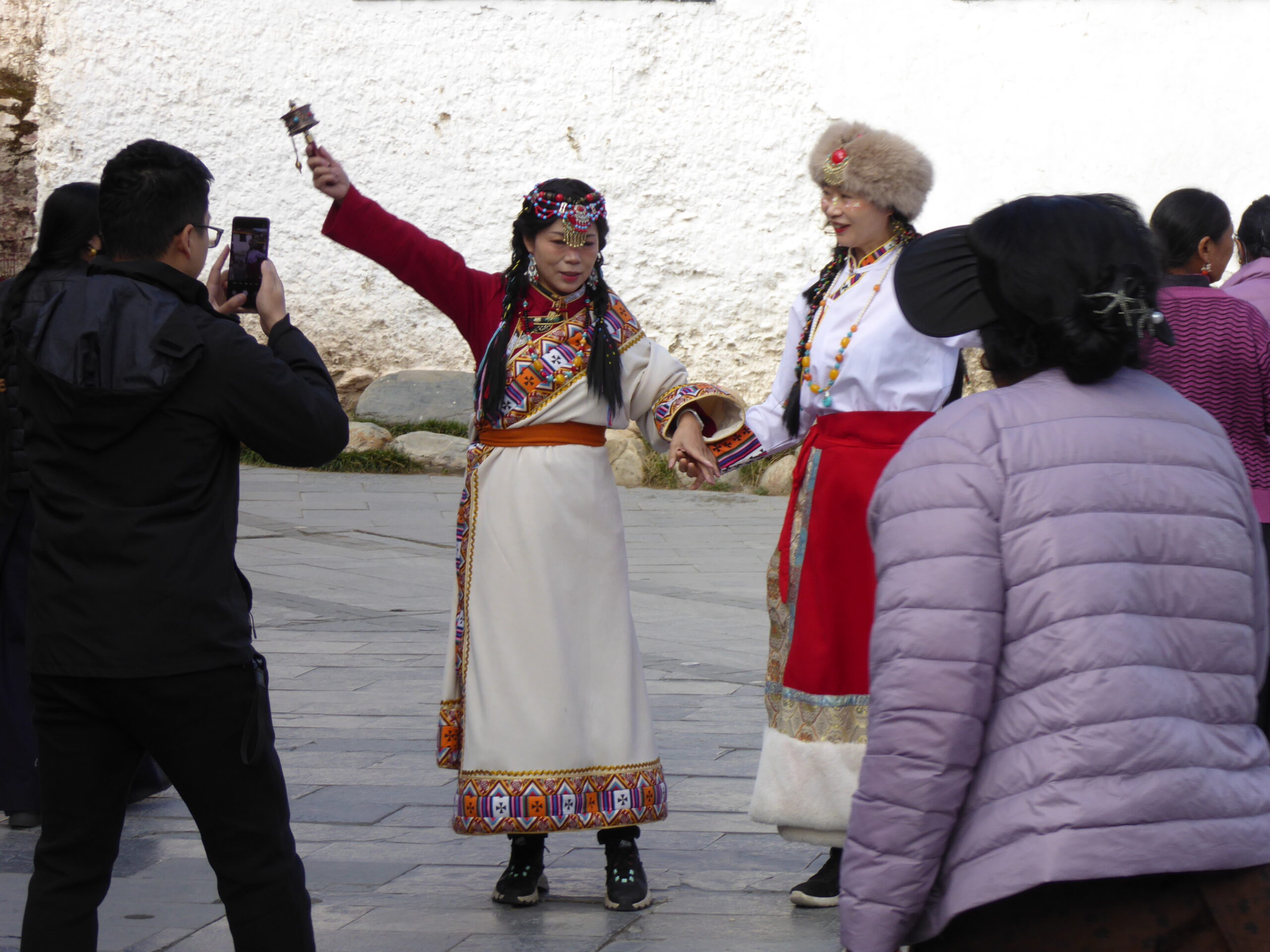
traditional dress
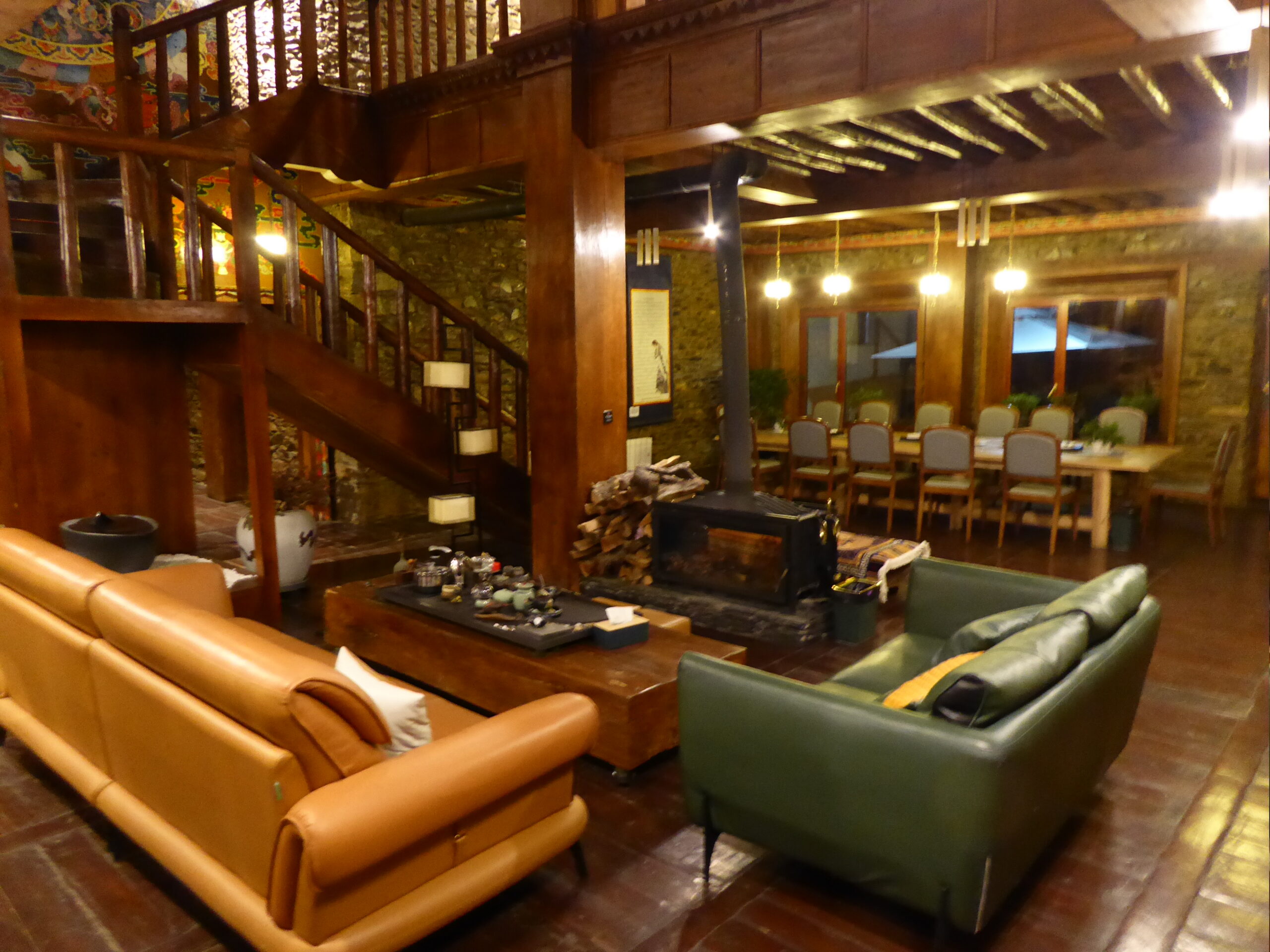
hotel lobby
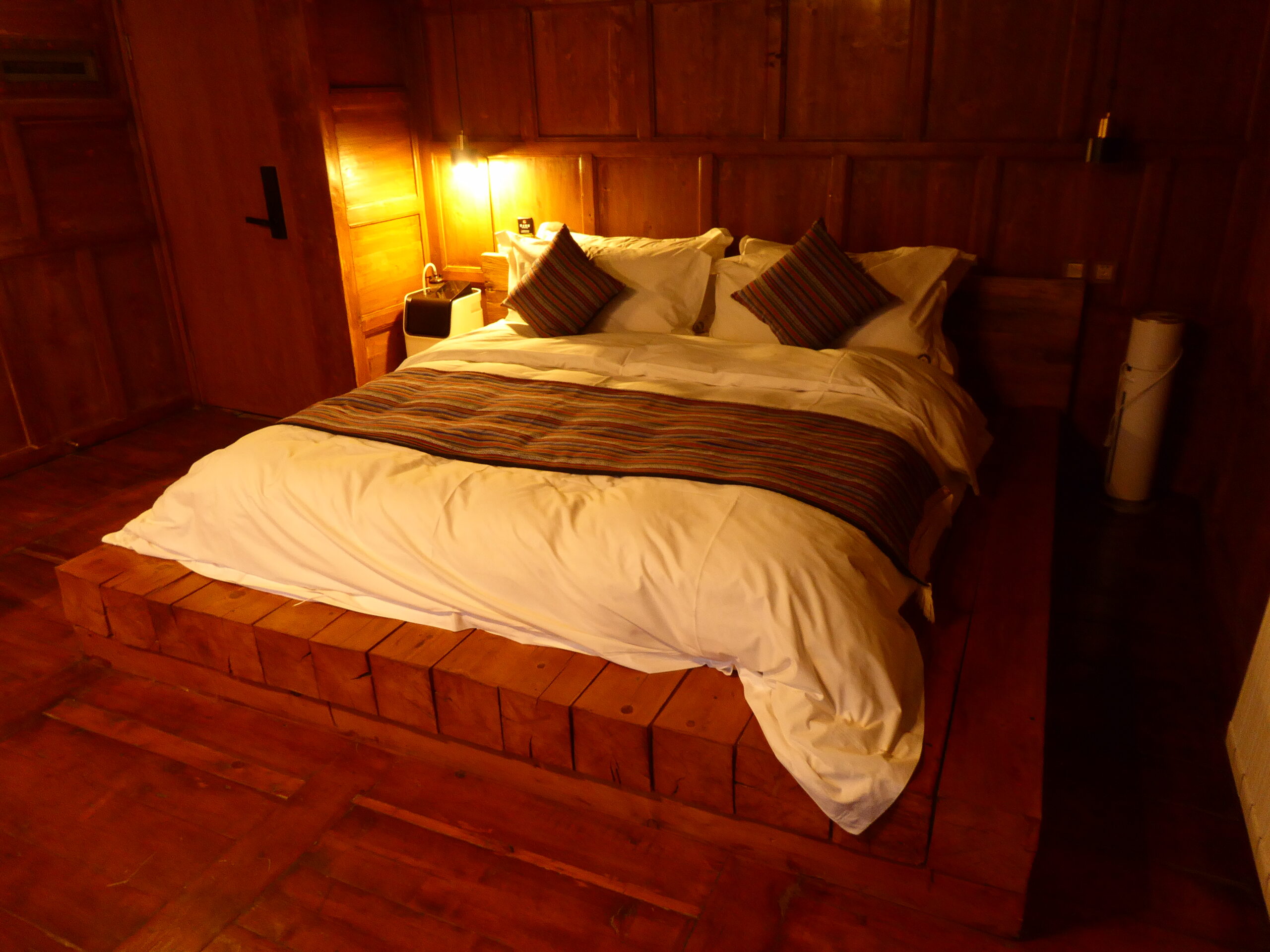
bedroom
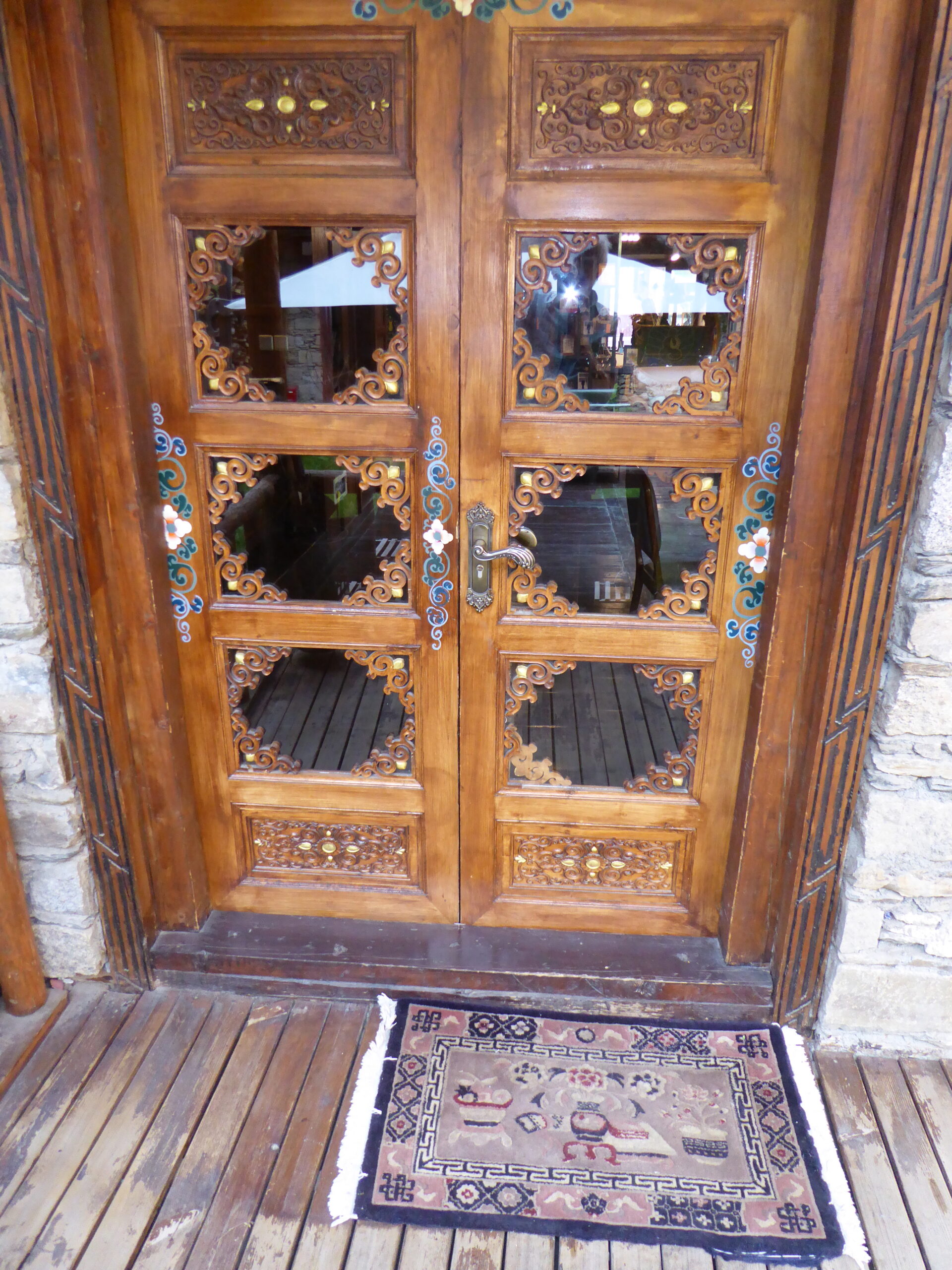
back door onto old square
From Litang we continued in an at times bleak landscape, via another monastery whose name I’ve lost – it was on a detour off the planned route – to the Eye of Genie holy Mountain
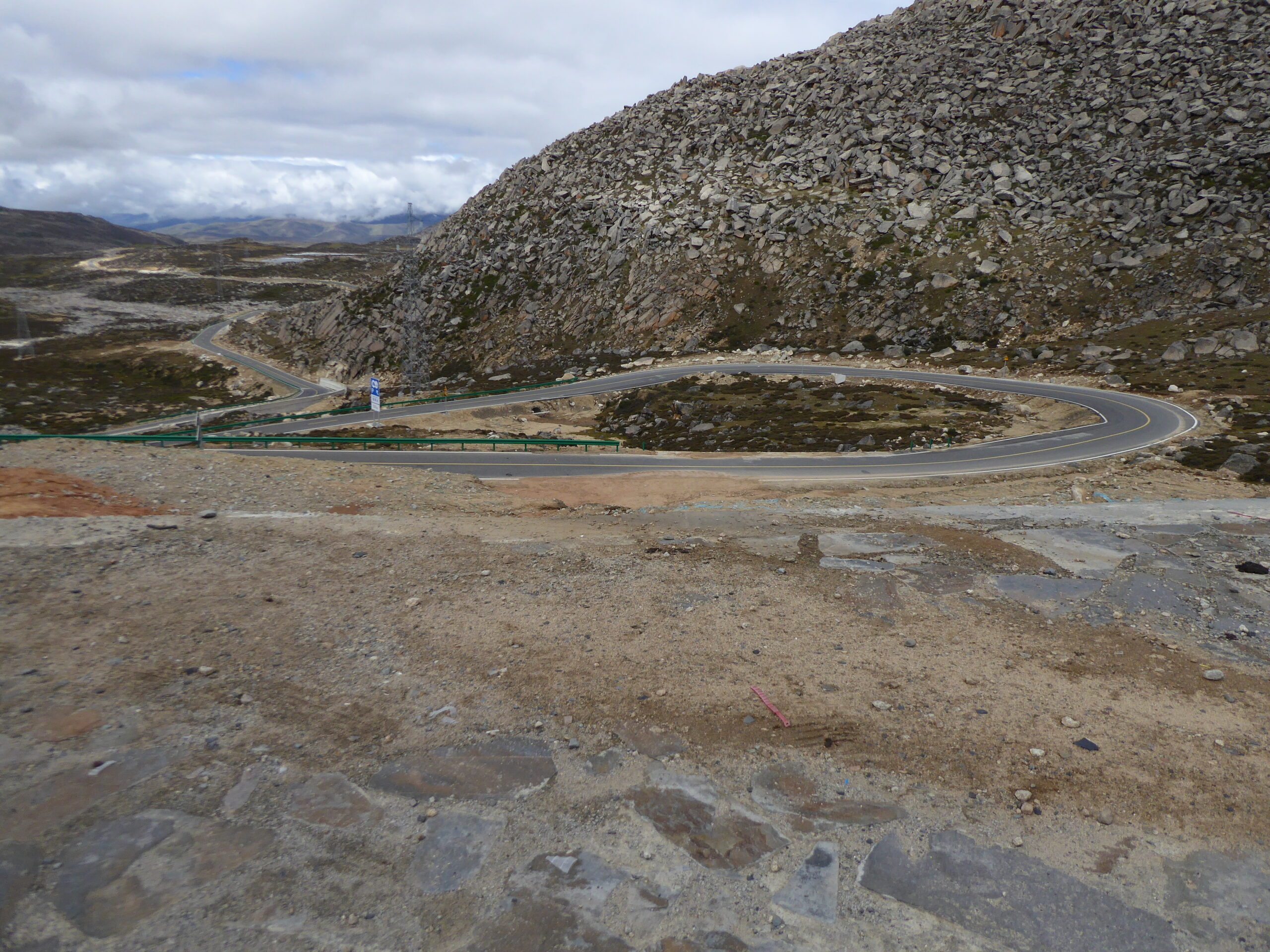
Bleak landscape at c. 4200 metres
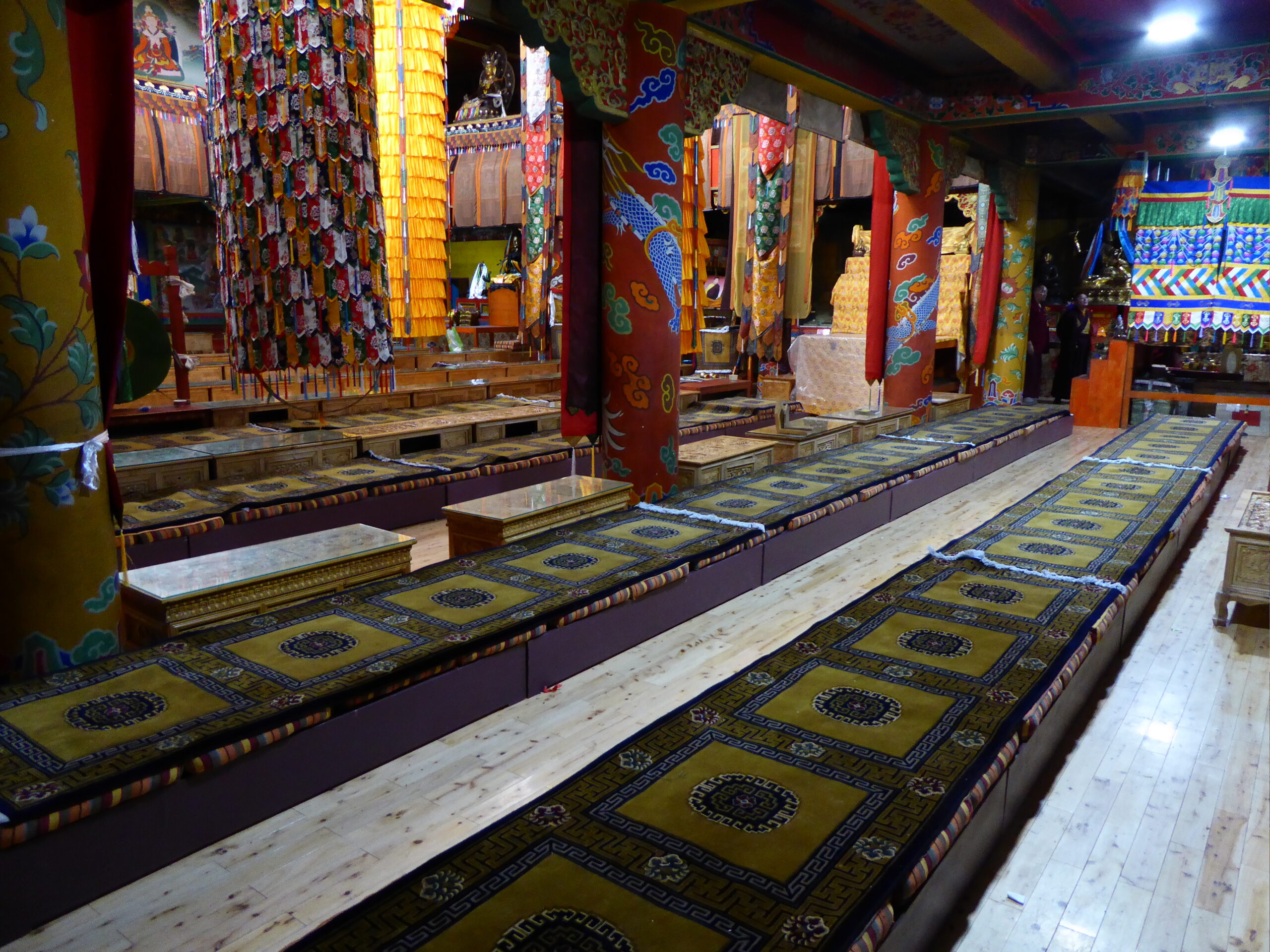
Interior of monastery
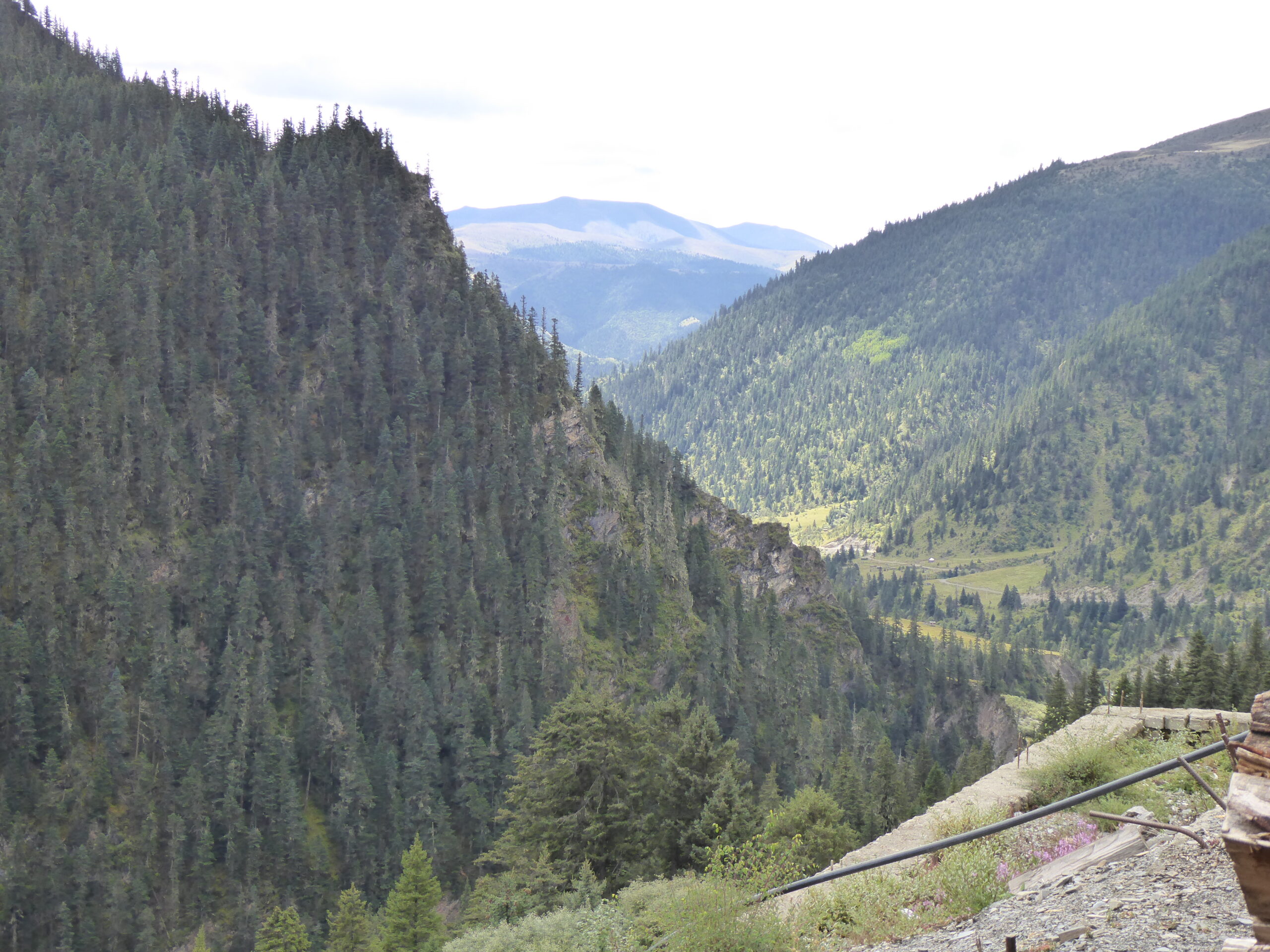
view from monastery
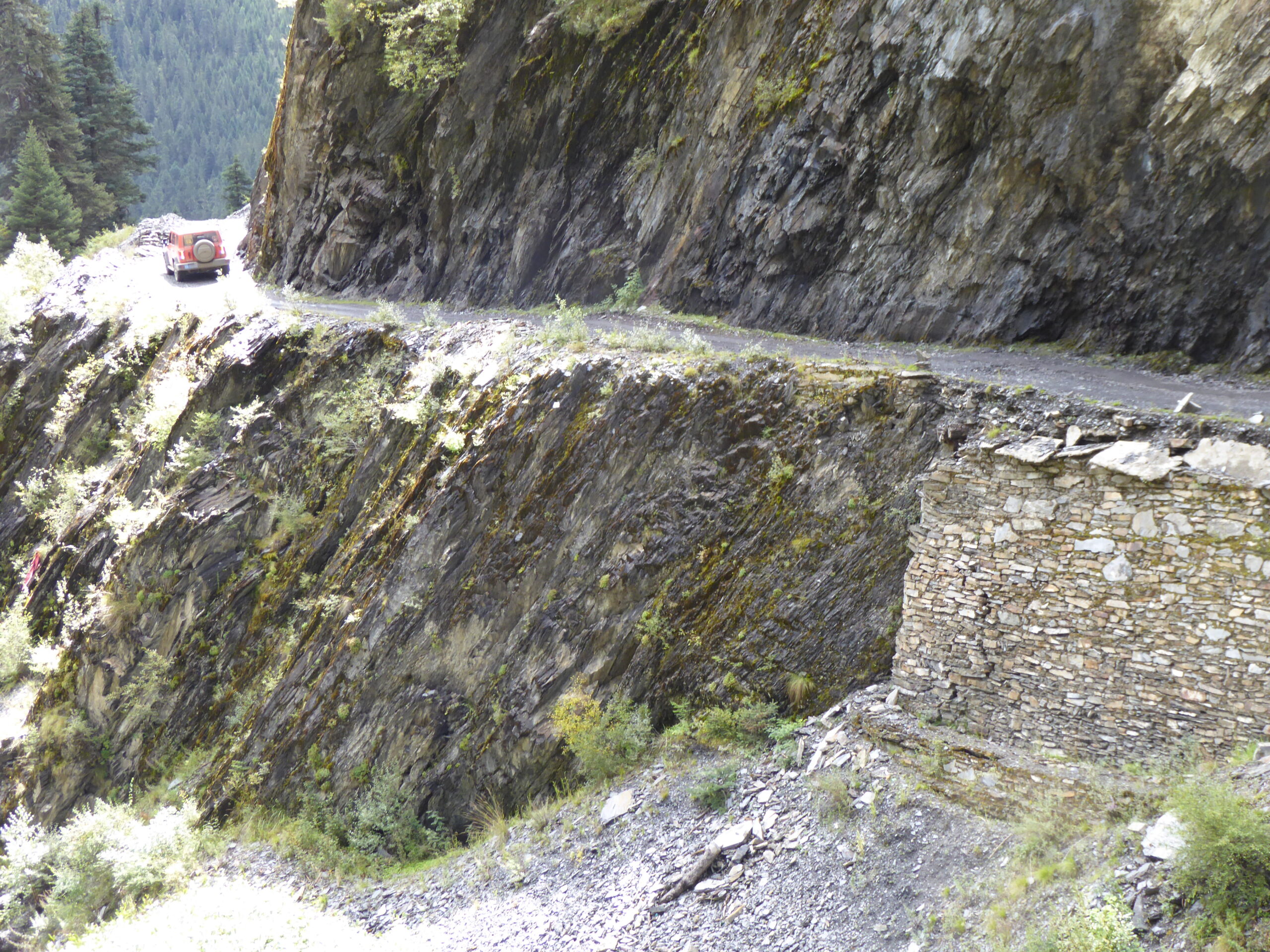
access road
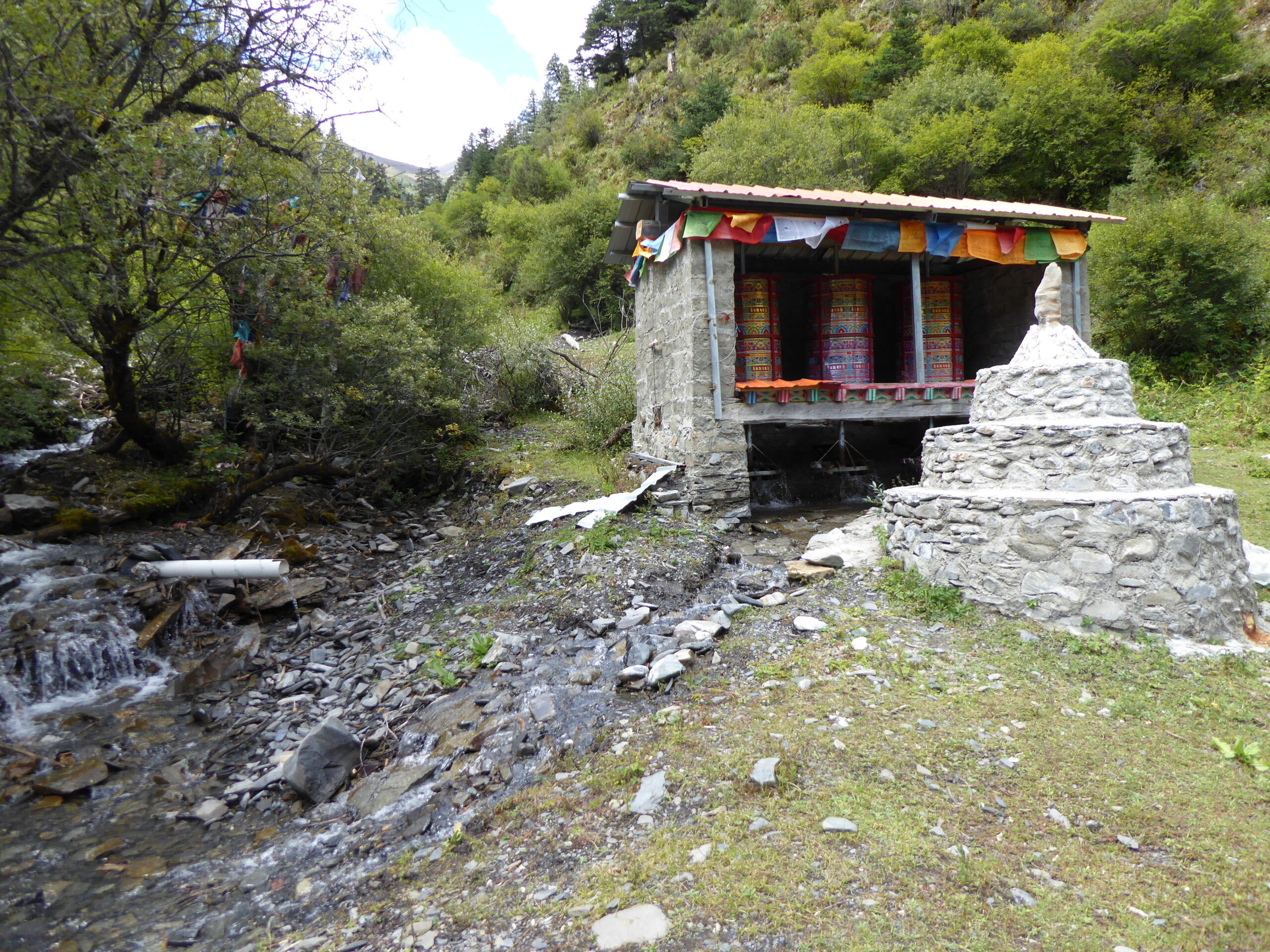
water powered prayer wheels
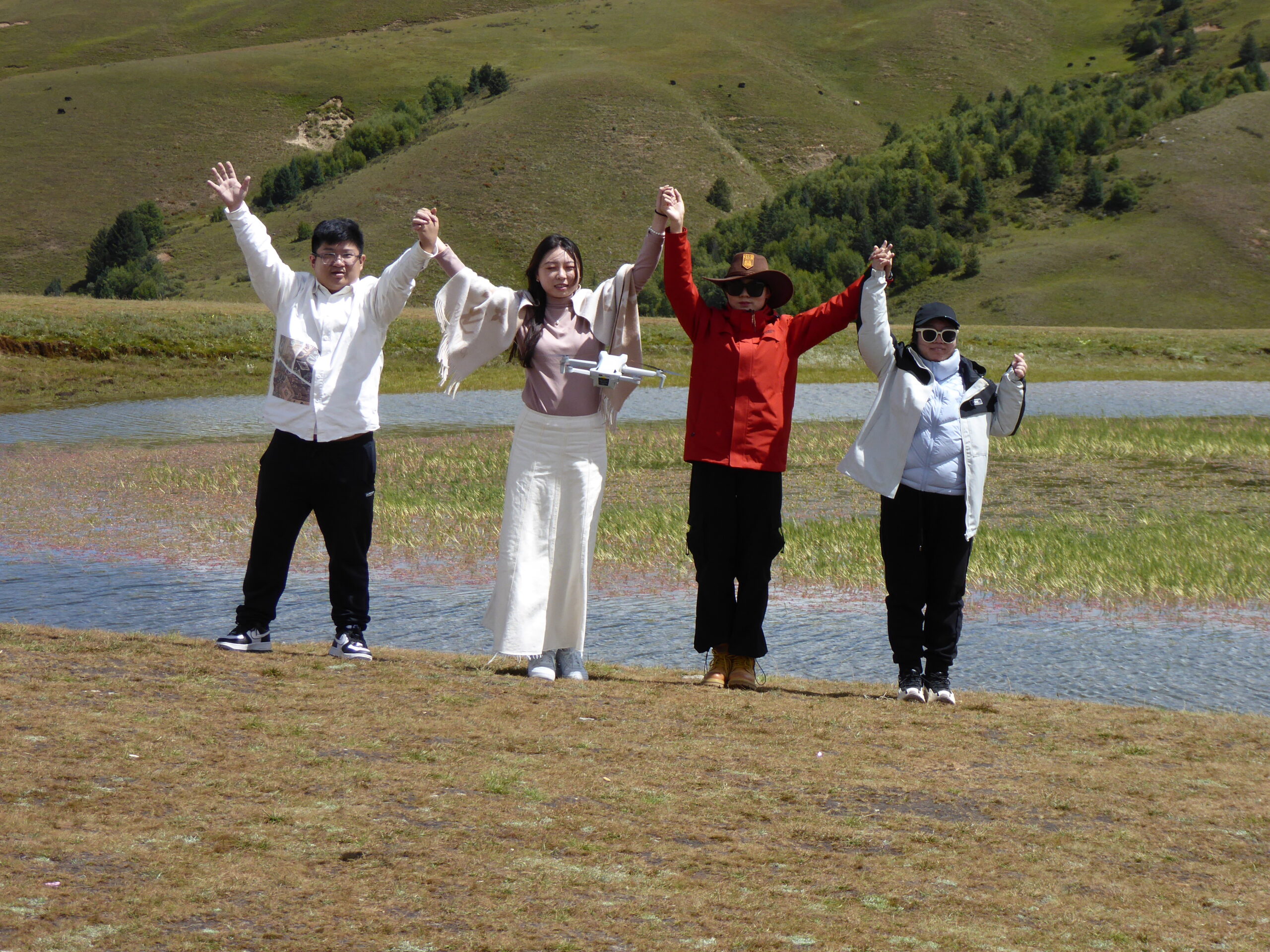
the Eye of Genie with locals and drone
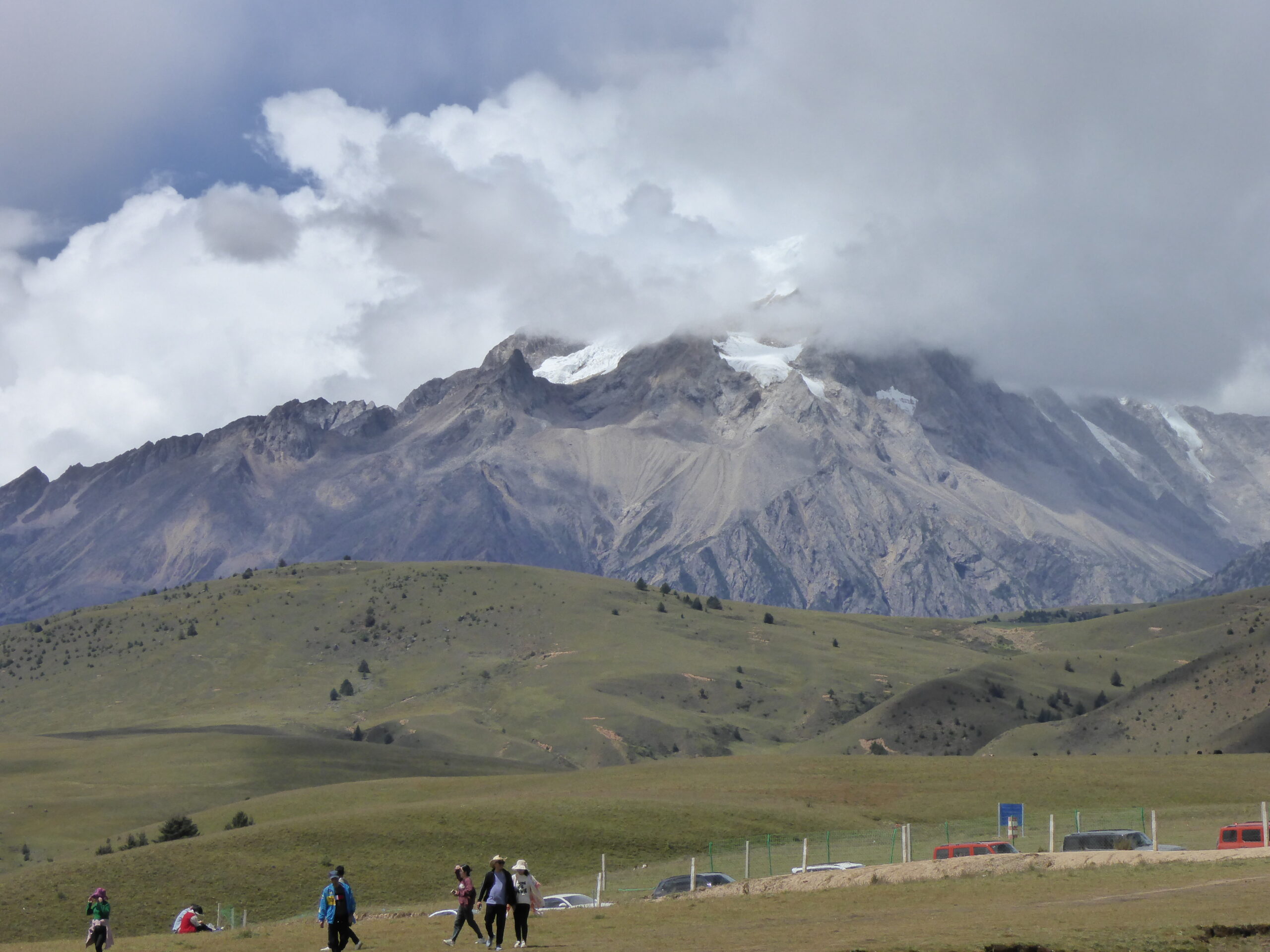
Genie Mountain
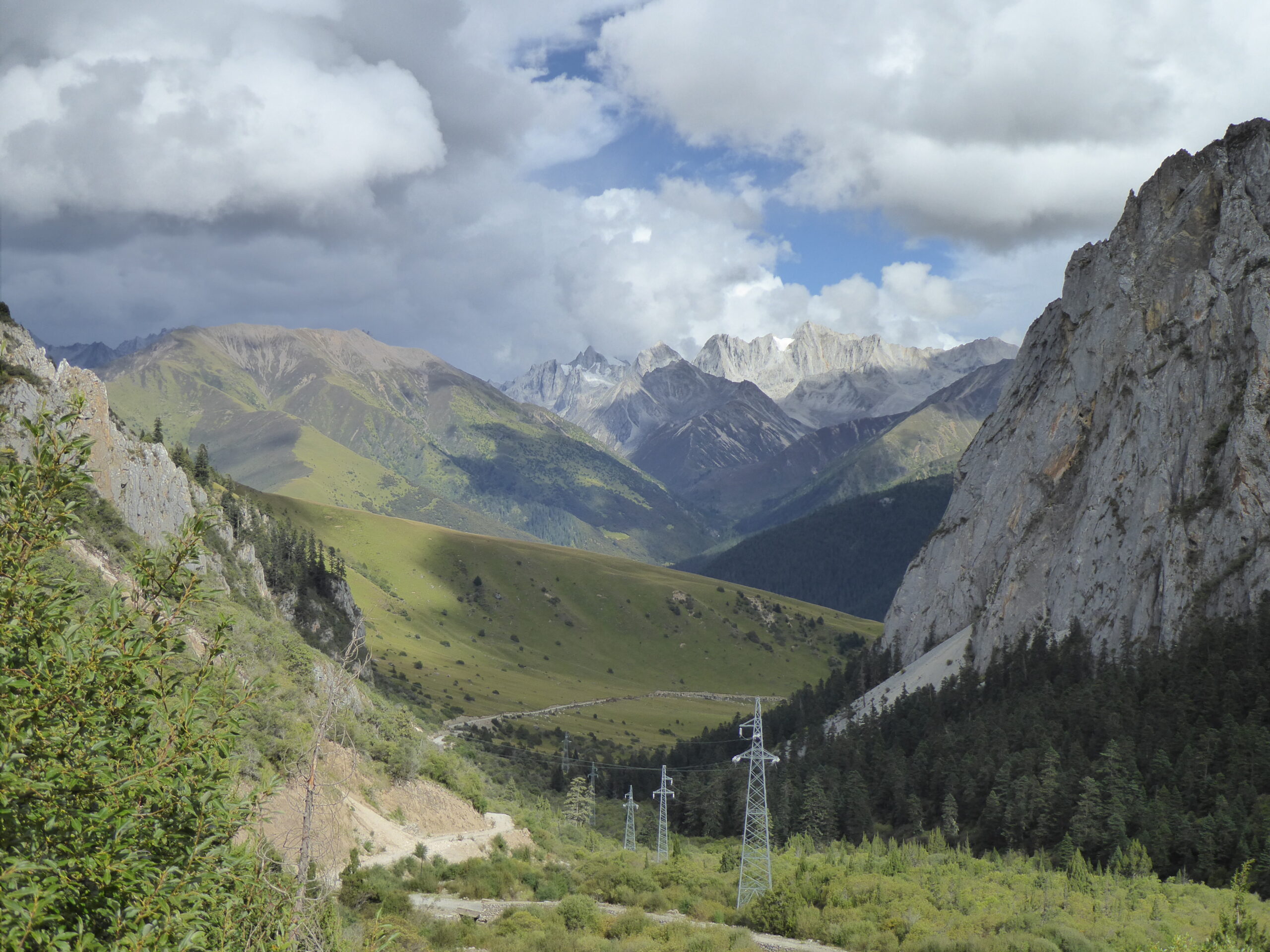
Looking back on the way up
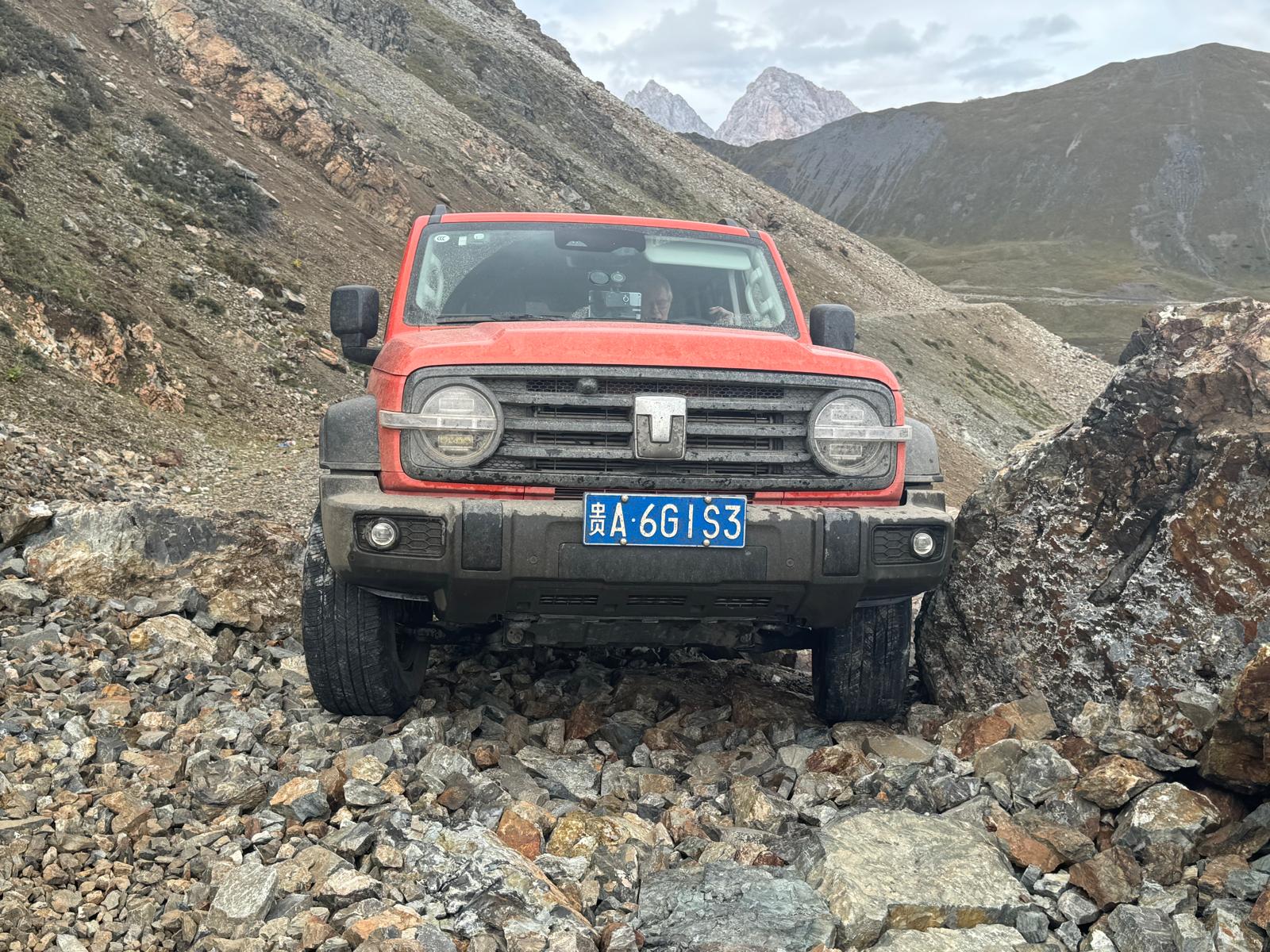
tight squeeze
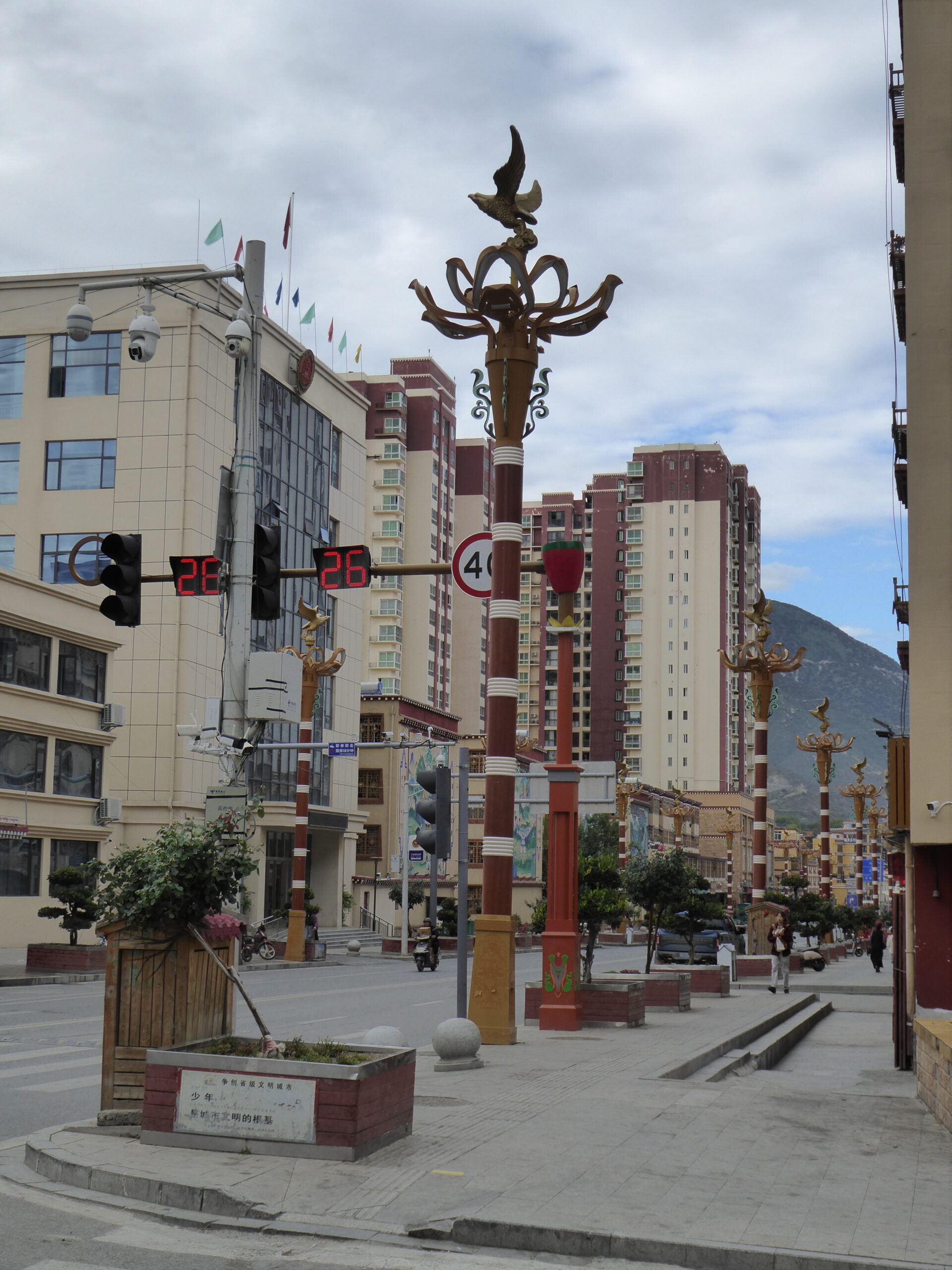
Batang street scene
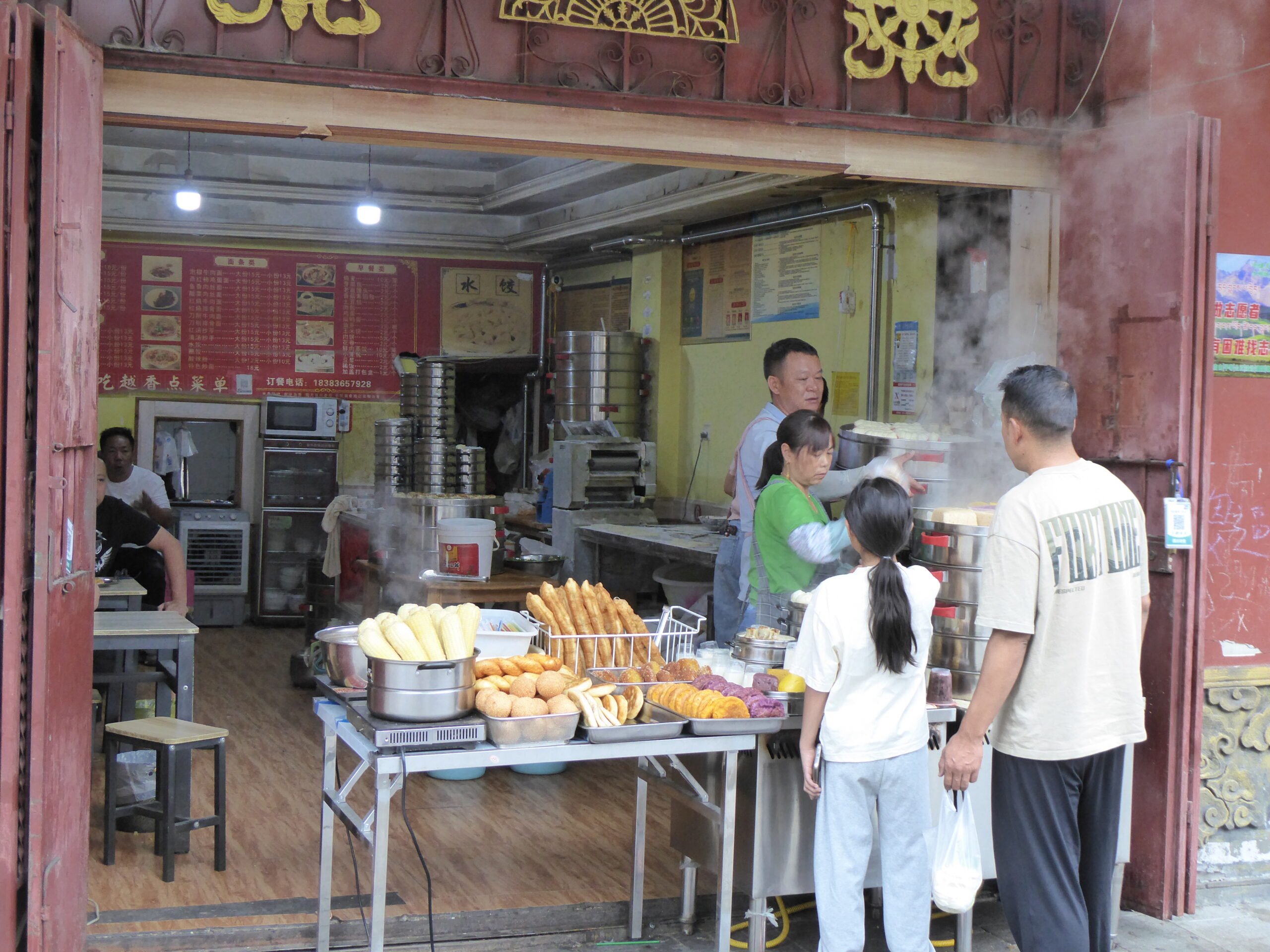
Batang fast food
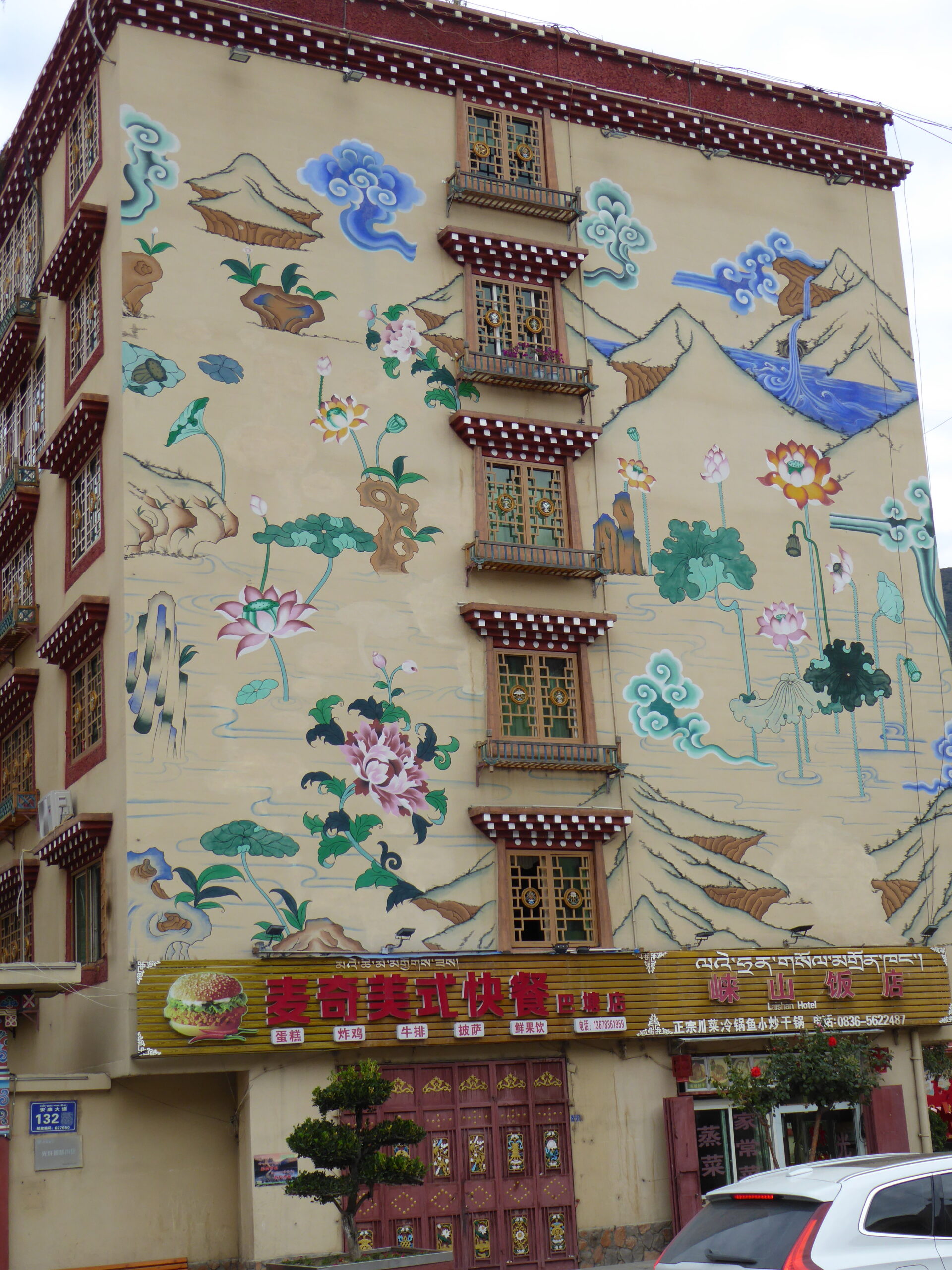
Batang street scene
Leaving Batang, another deviation was suggested, running parallel to the busy main road but the other side of a river, along an empty gravel road. I was the lead car and came across this landslide
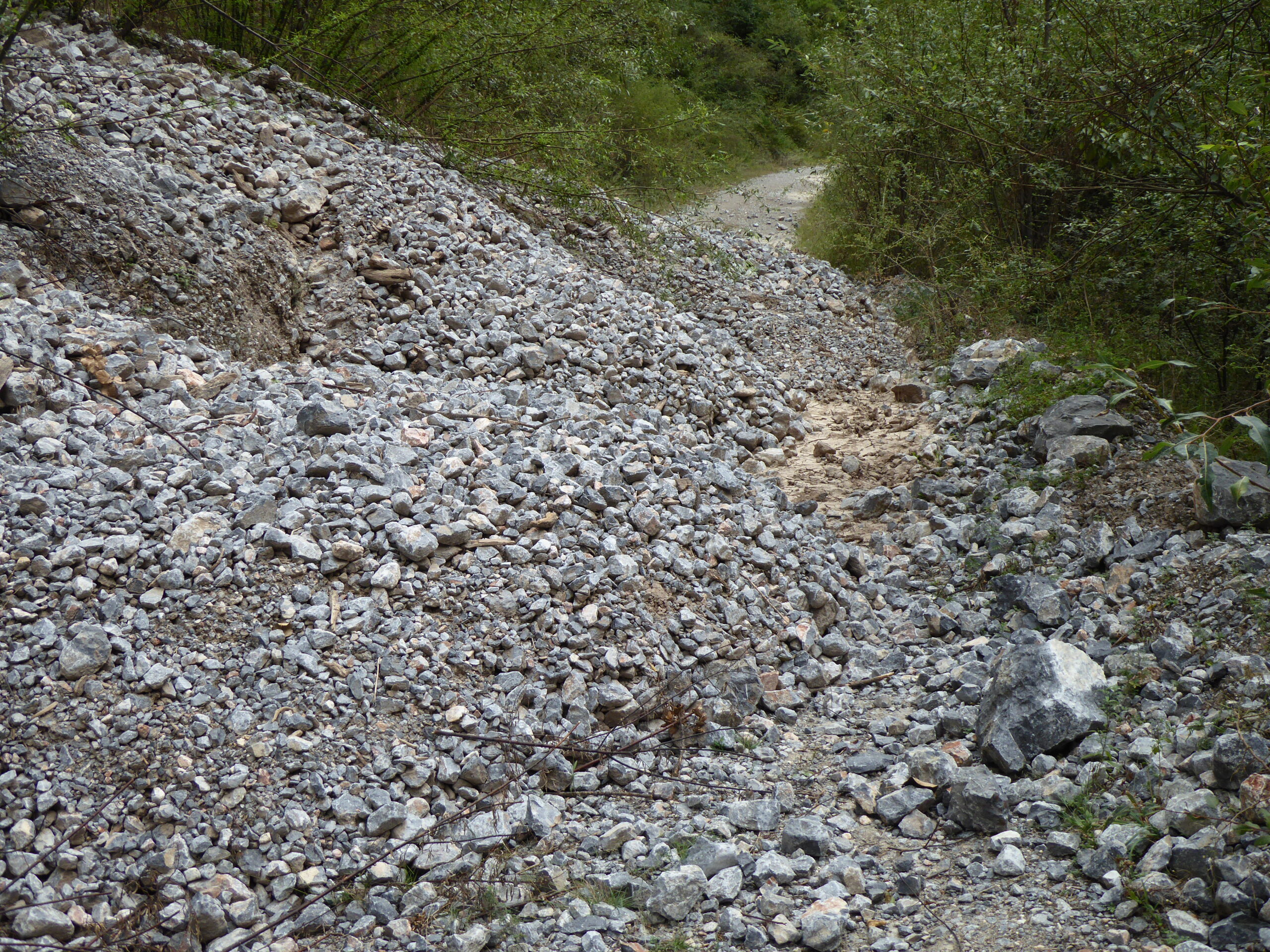
This is why the road was empty
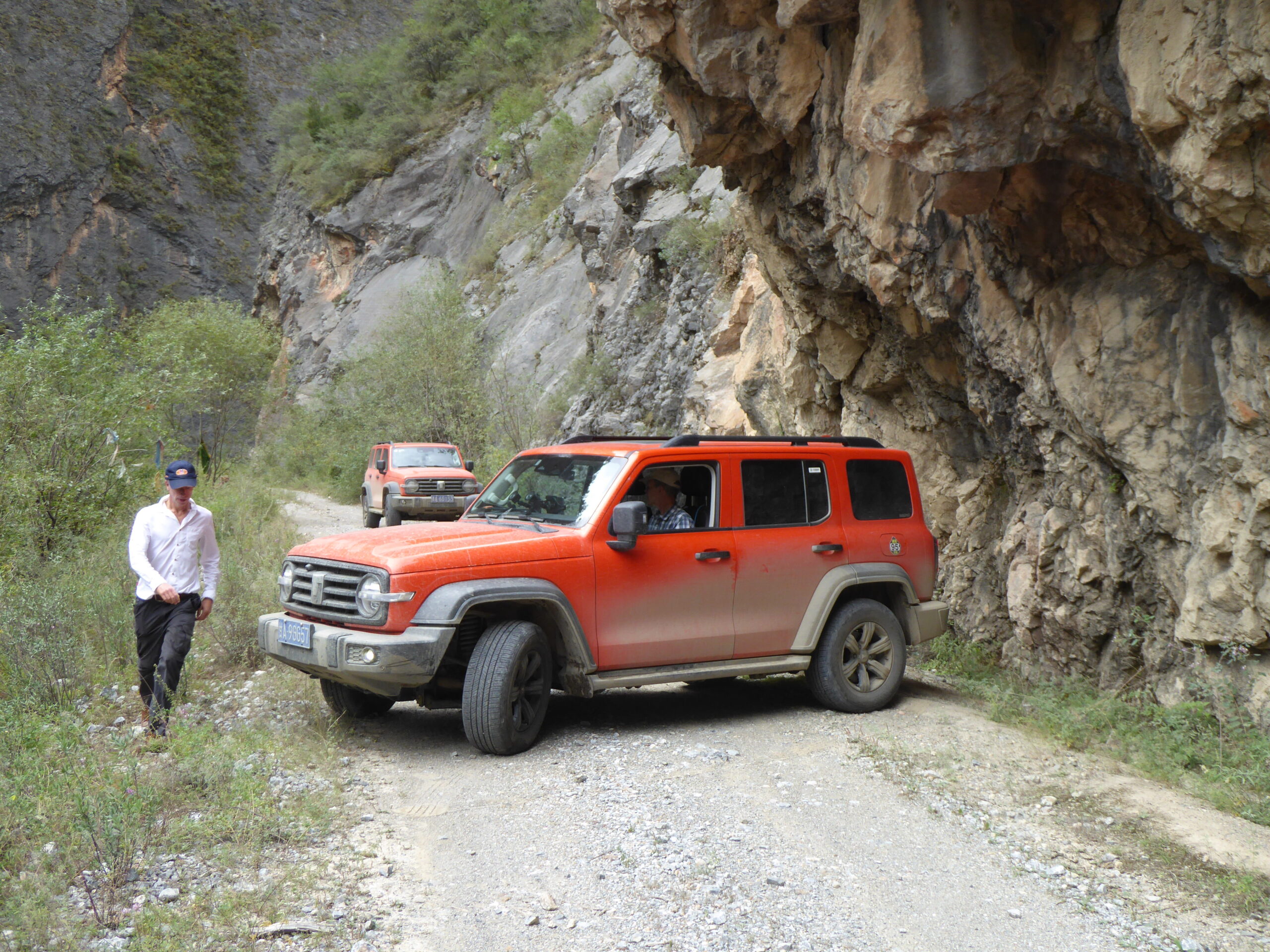
Limited turning circle
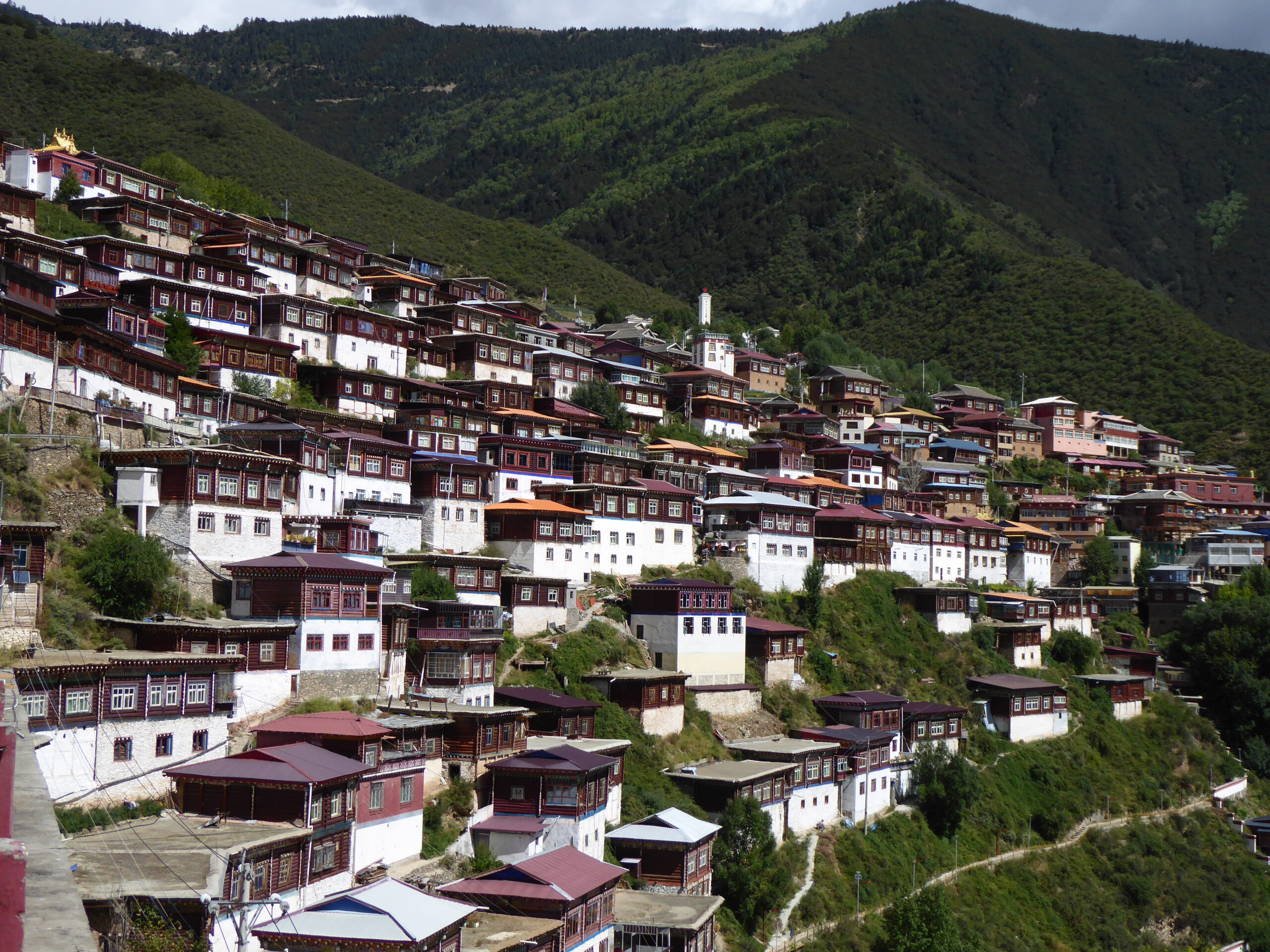
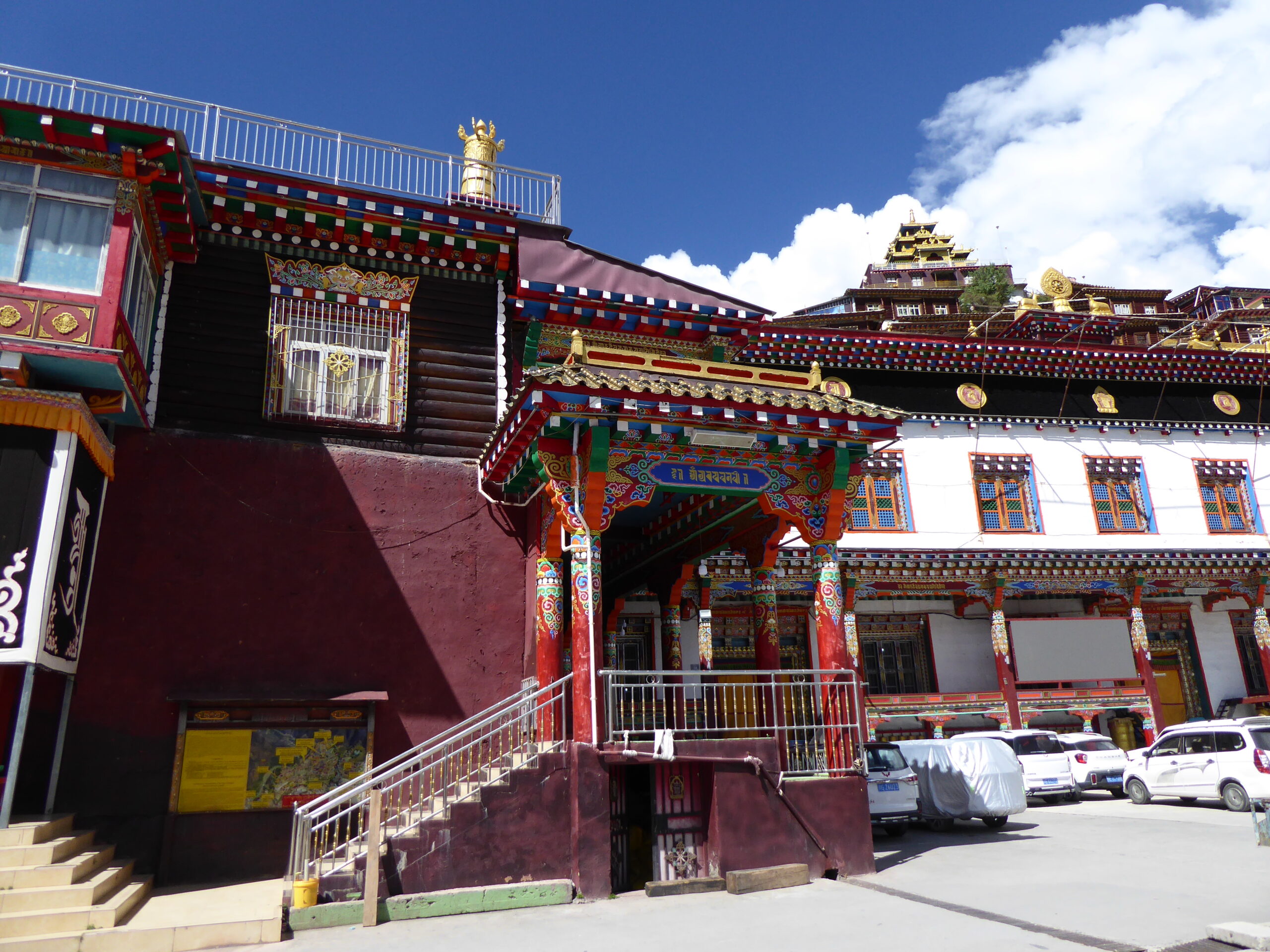
Palyu Monastery
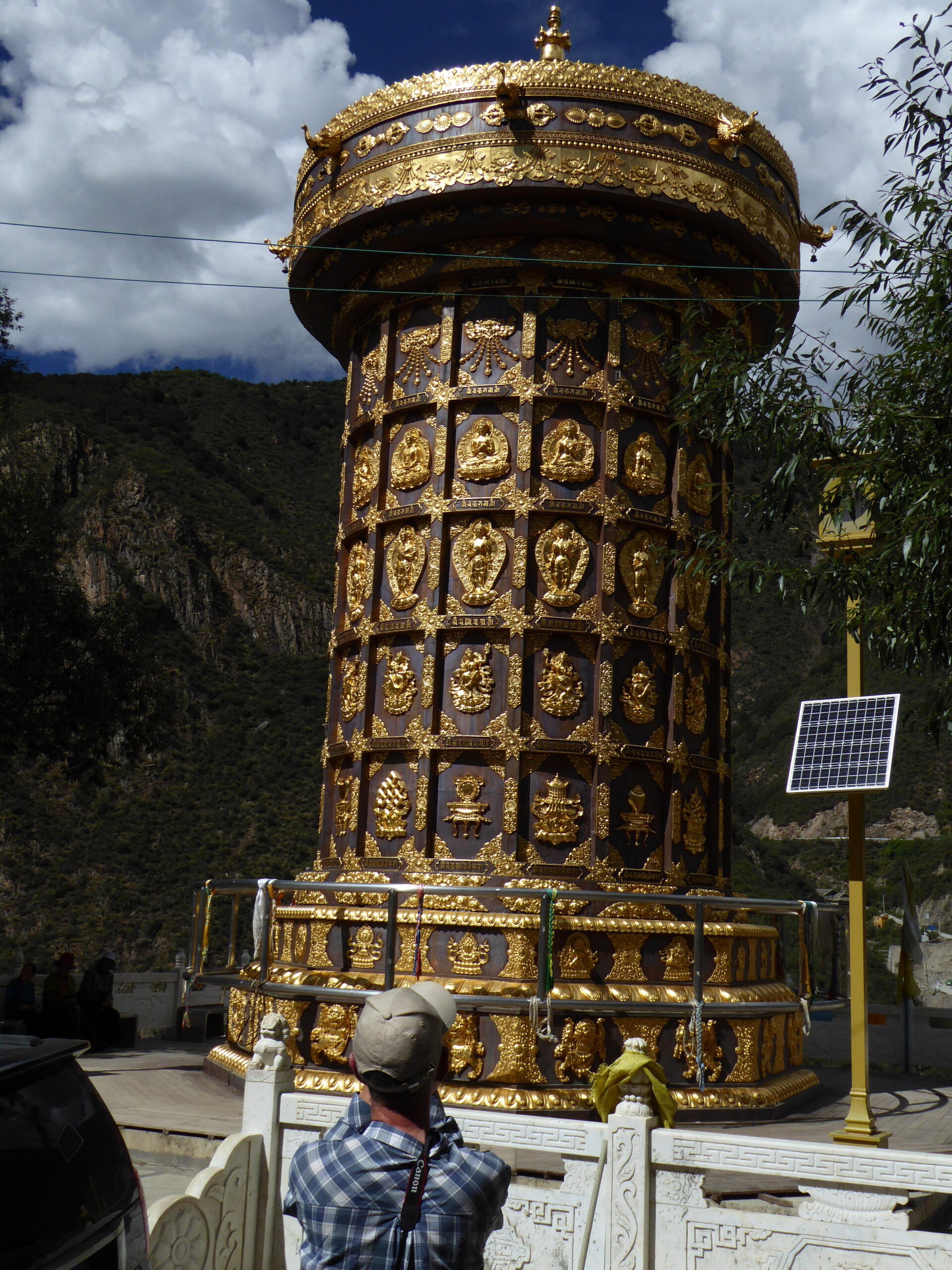
Baiyu Prayer wheel
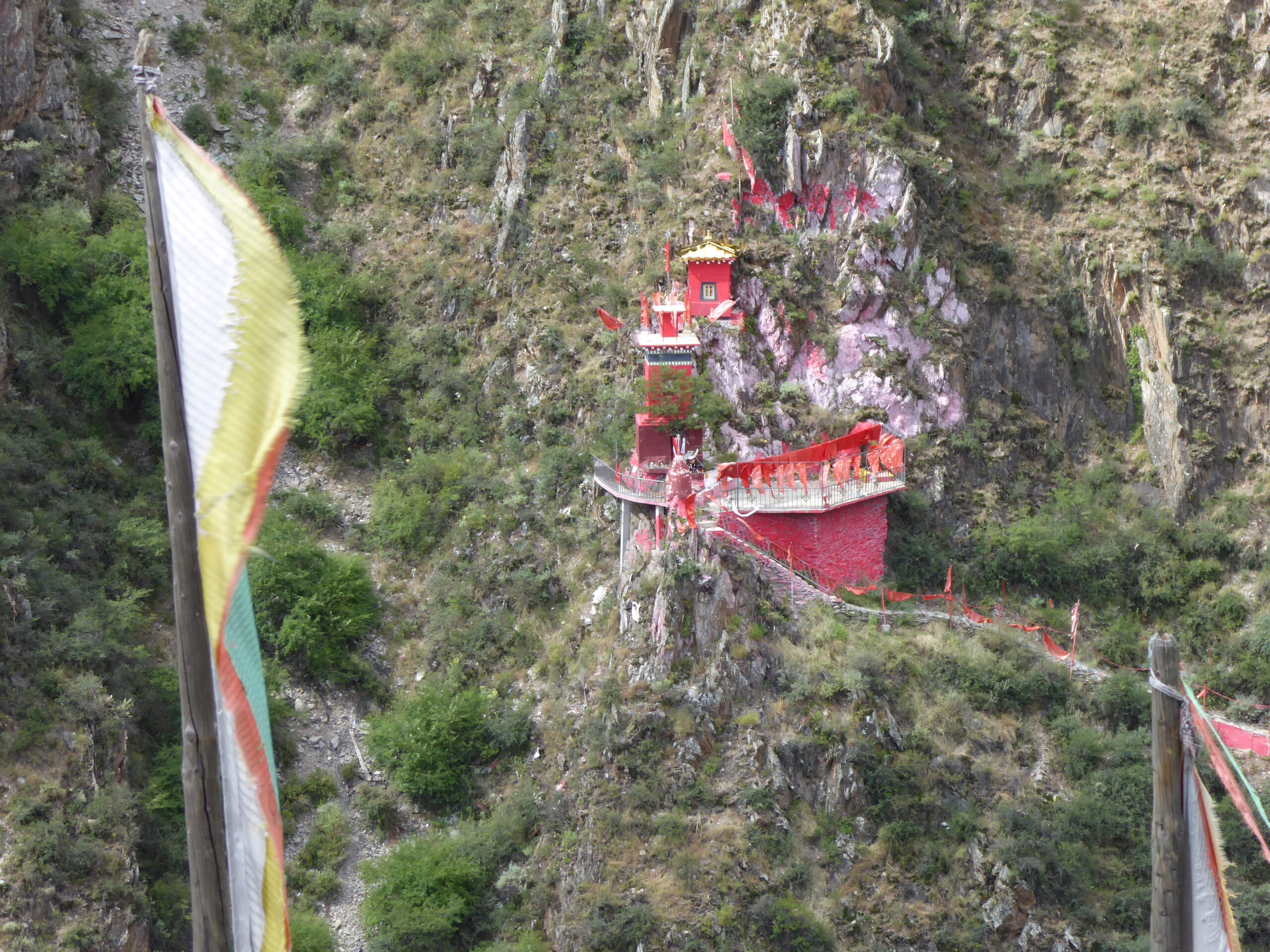
Hillside scene
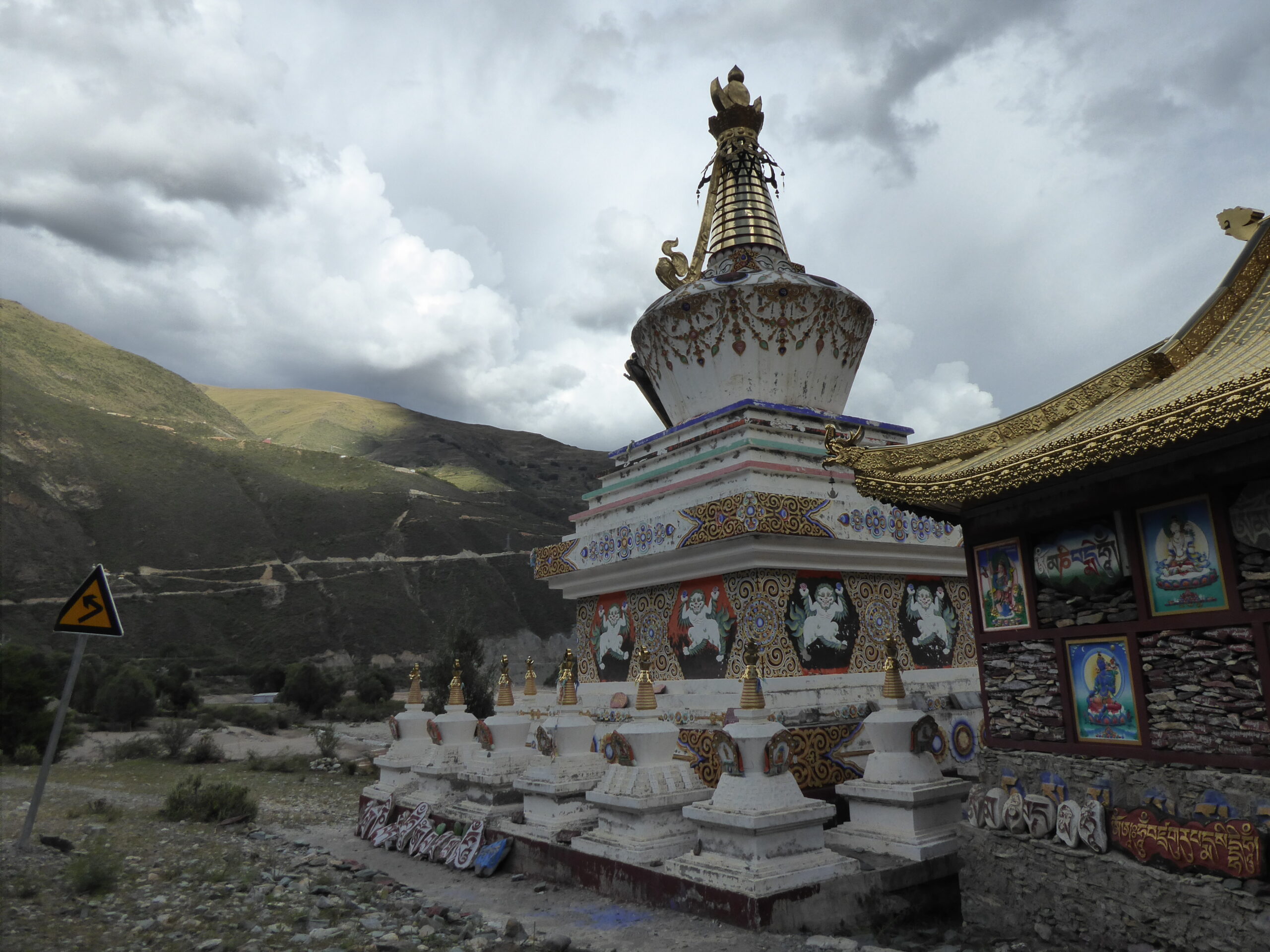
Roadside shrine near Dege
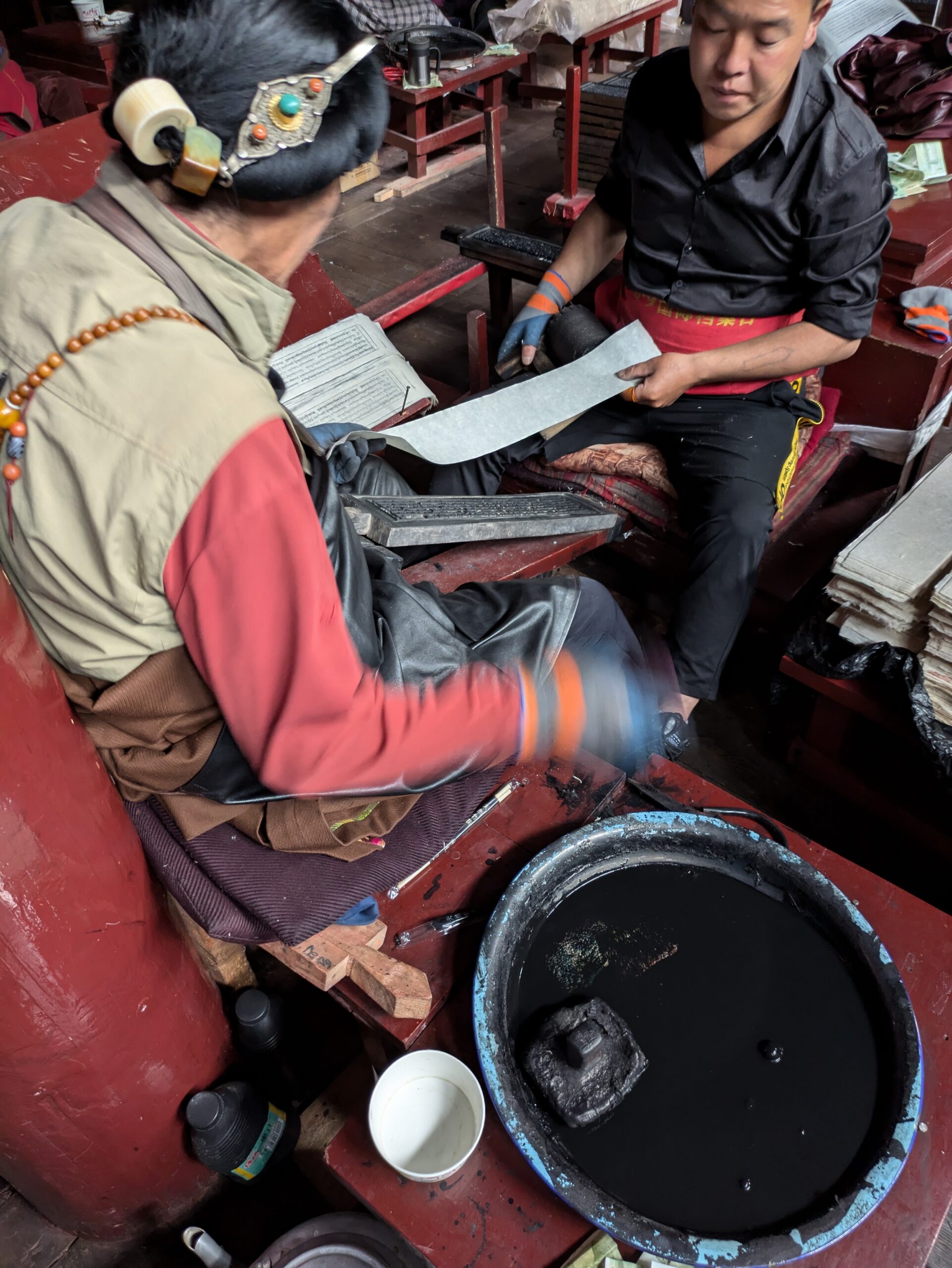
Woodblock printing
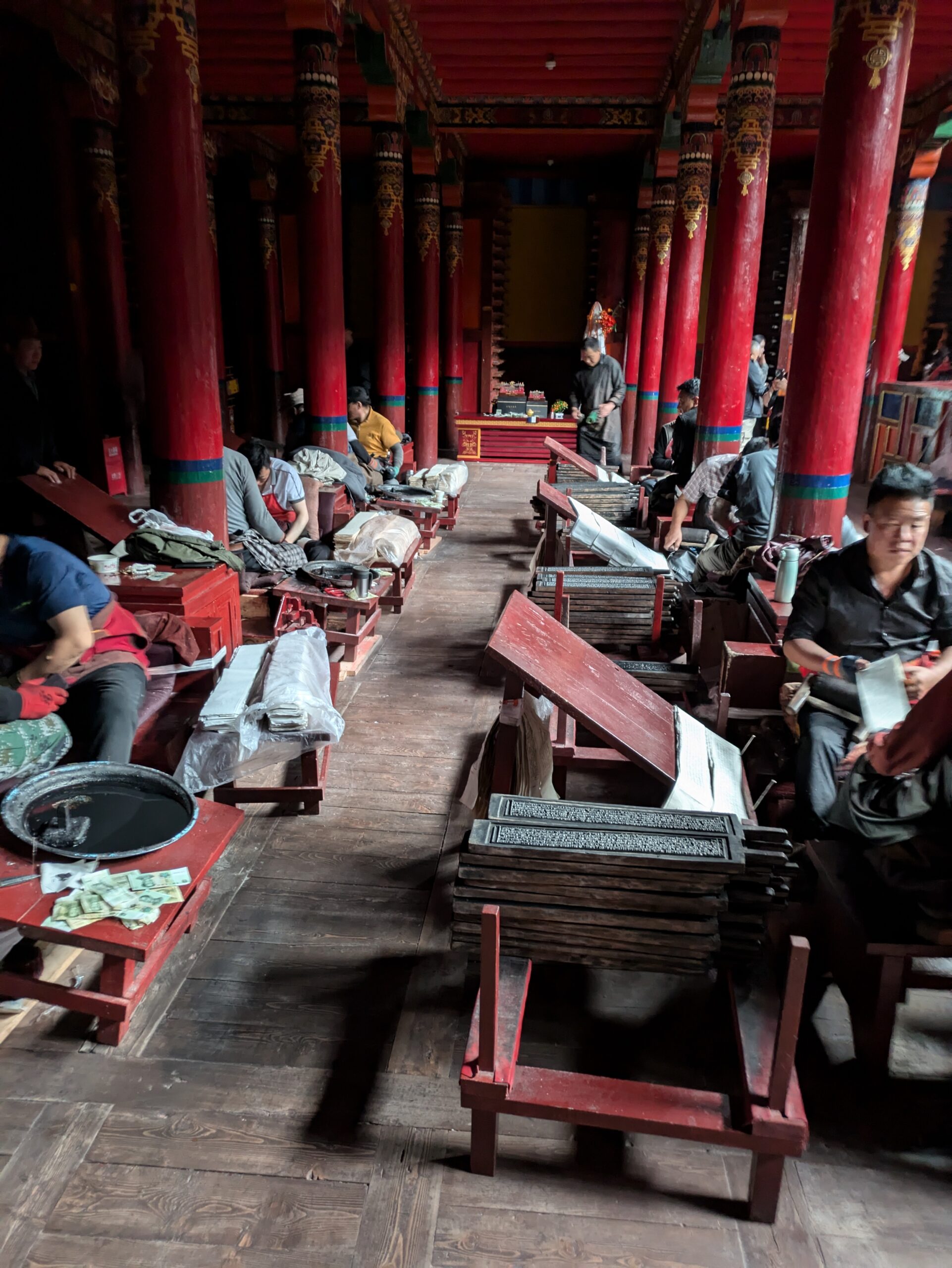
The printing hall
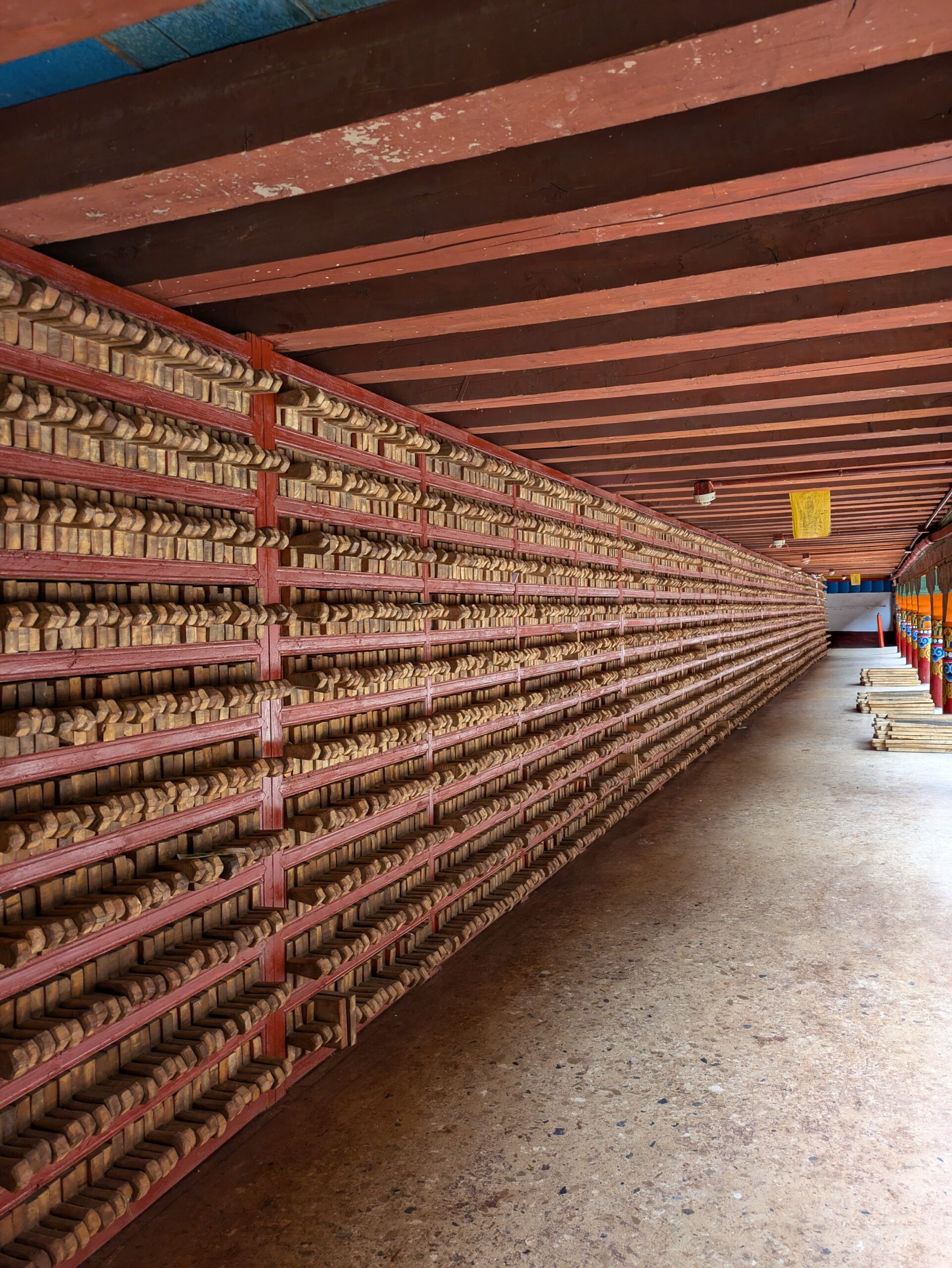
Woodblock storage
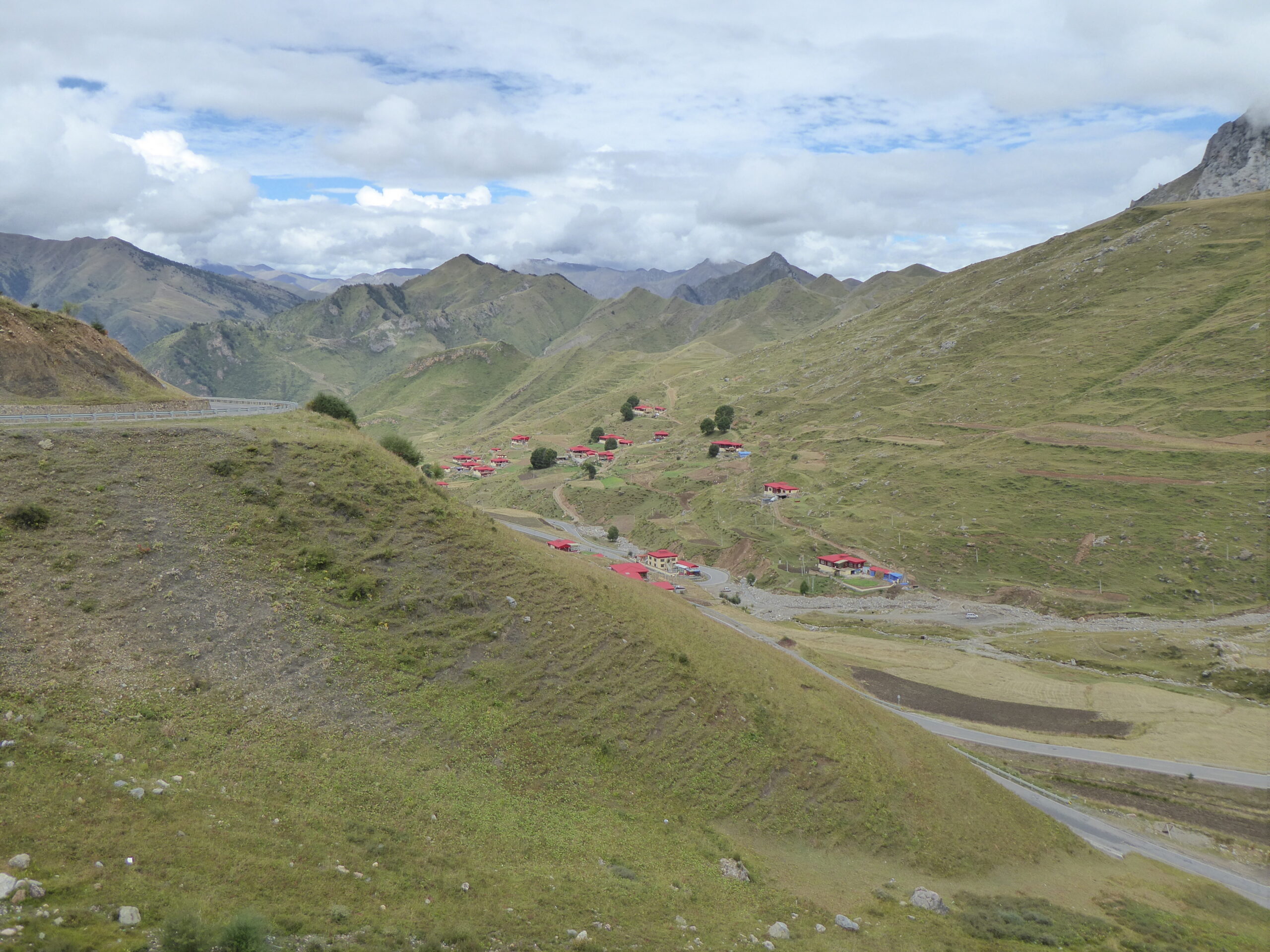
First view of Tibet
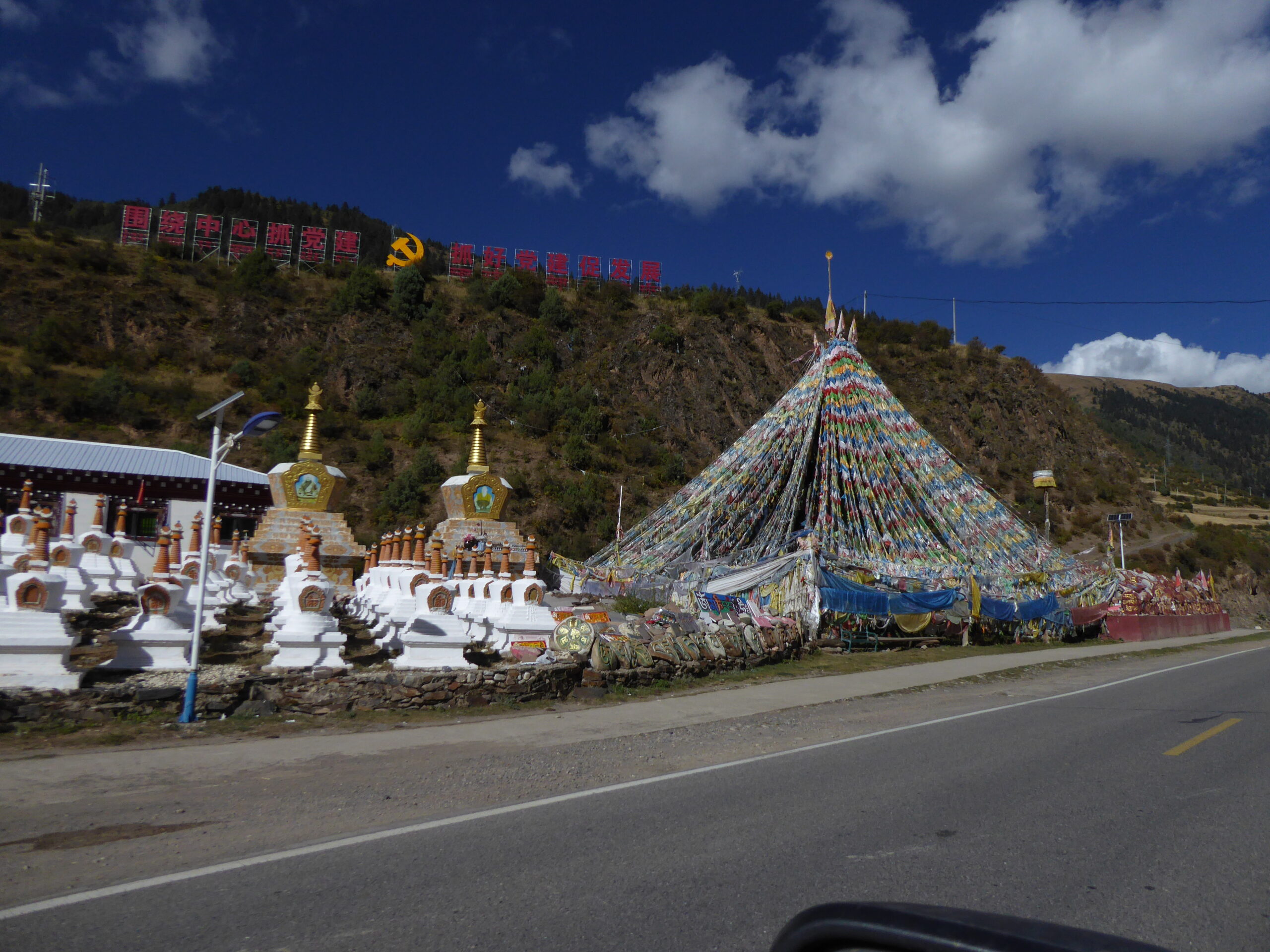
Roadside scenes
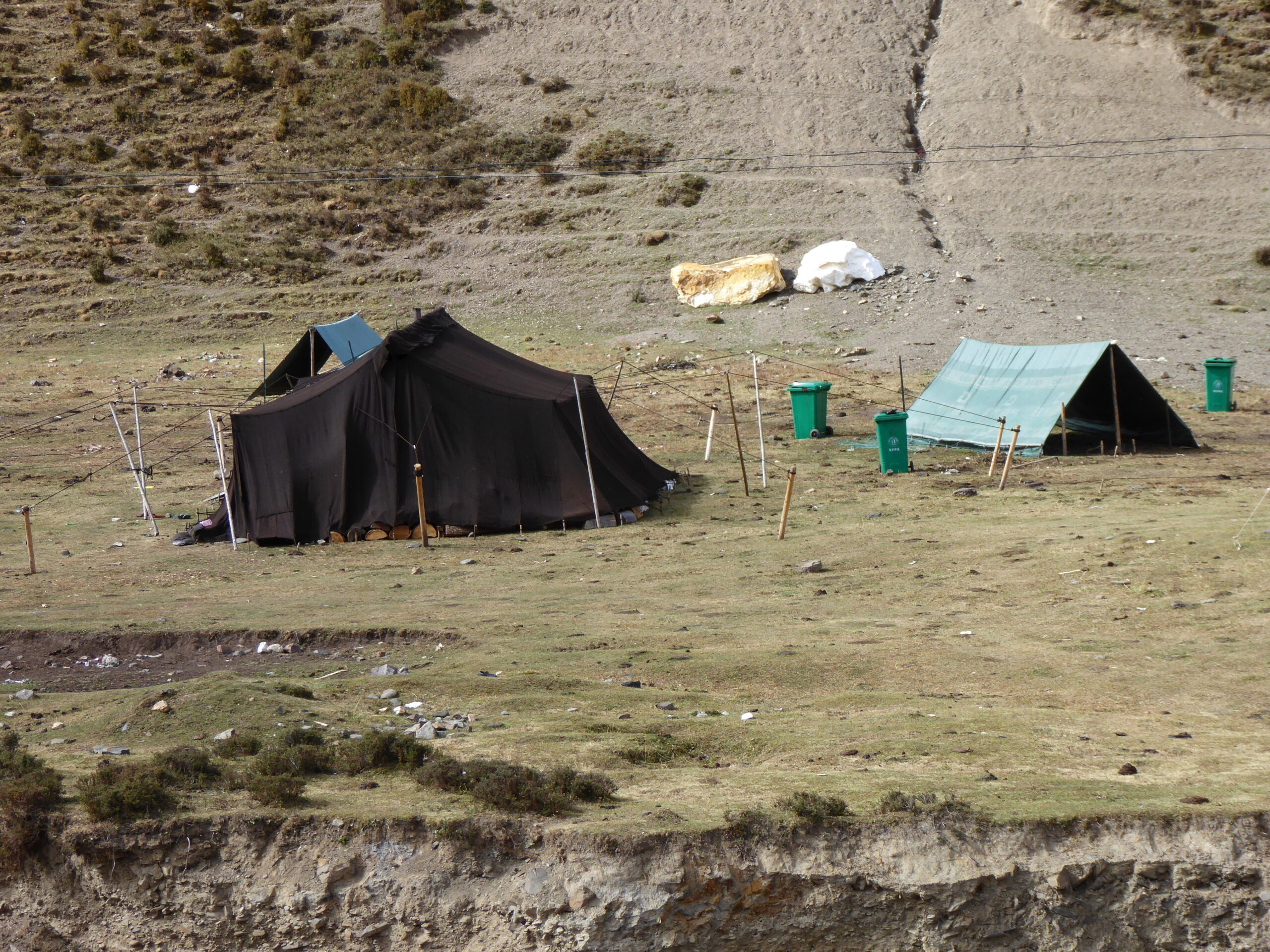
Tents with wheelie bins?
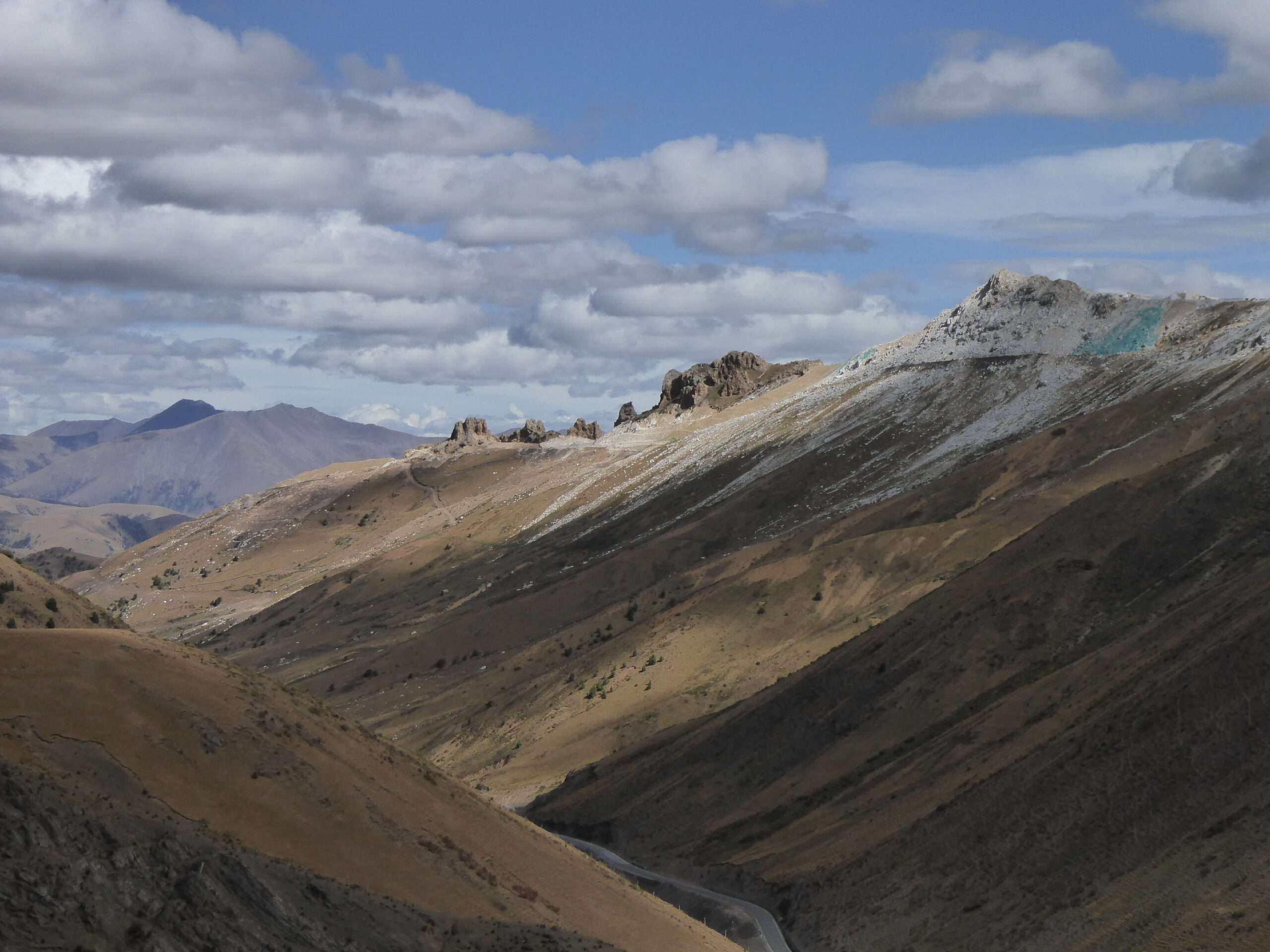
Landscape
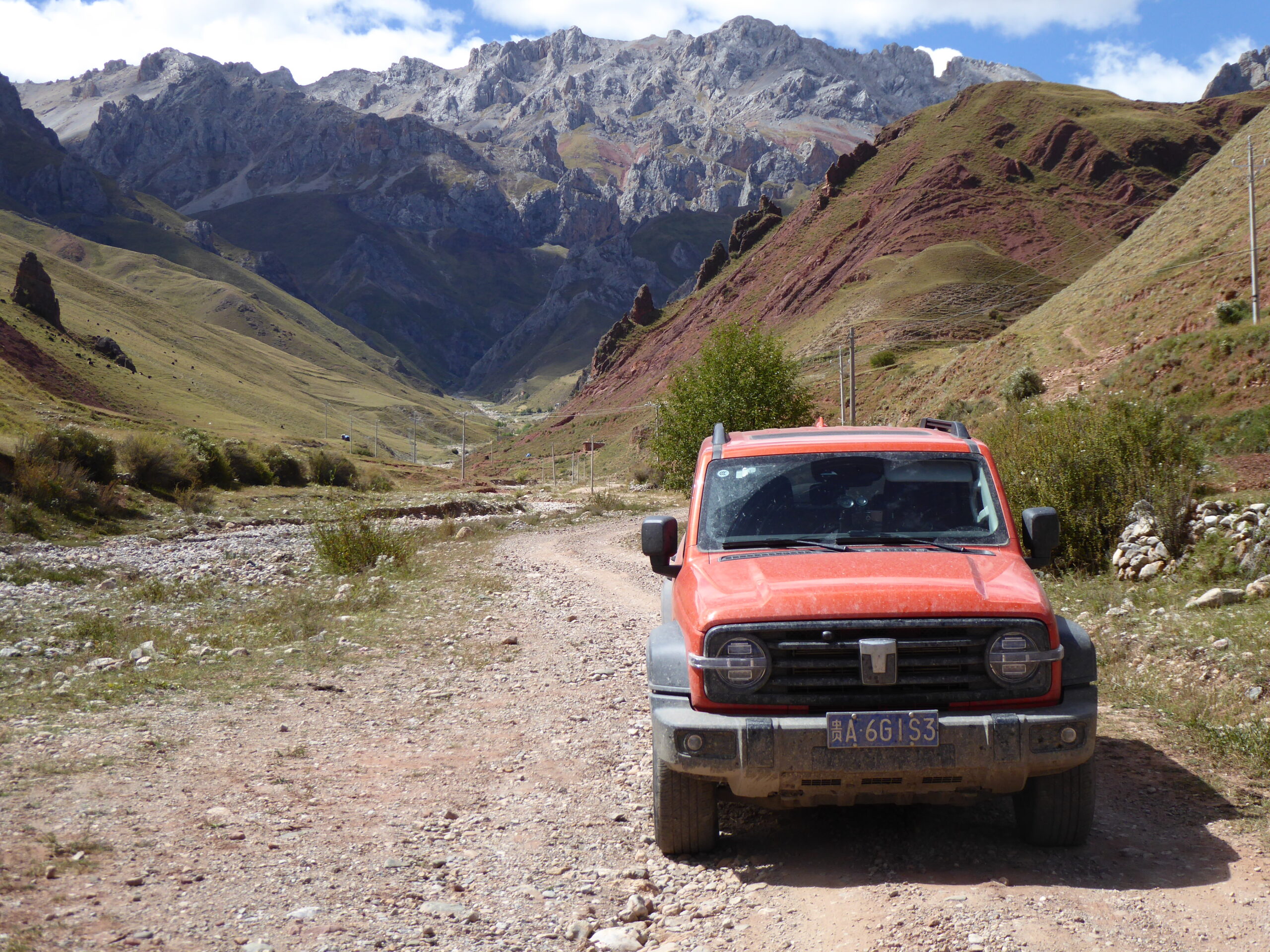
The road to lunch
This was now day 2 in Tibet and we were off to the spectacular Zizhu Monastery, approached by a steep dusty road, in a queue of vehicles, having to drop back frequently as visibility was so poor – but the monastery was worth it!
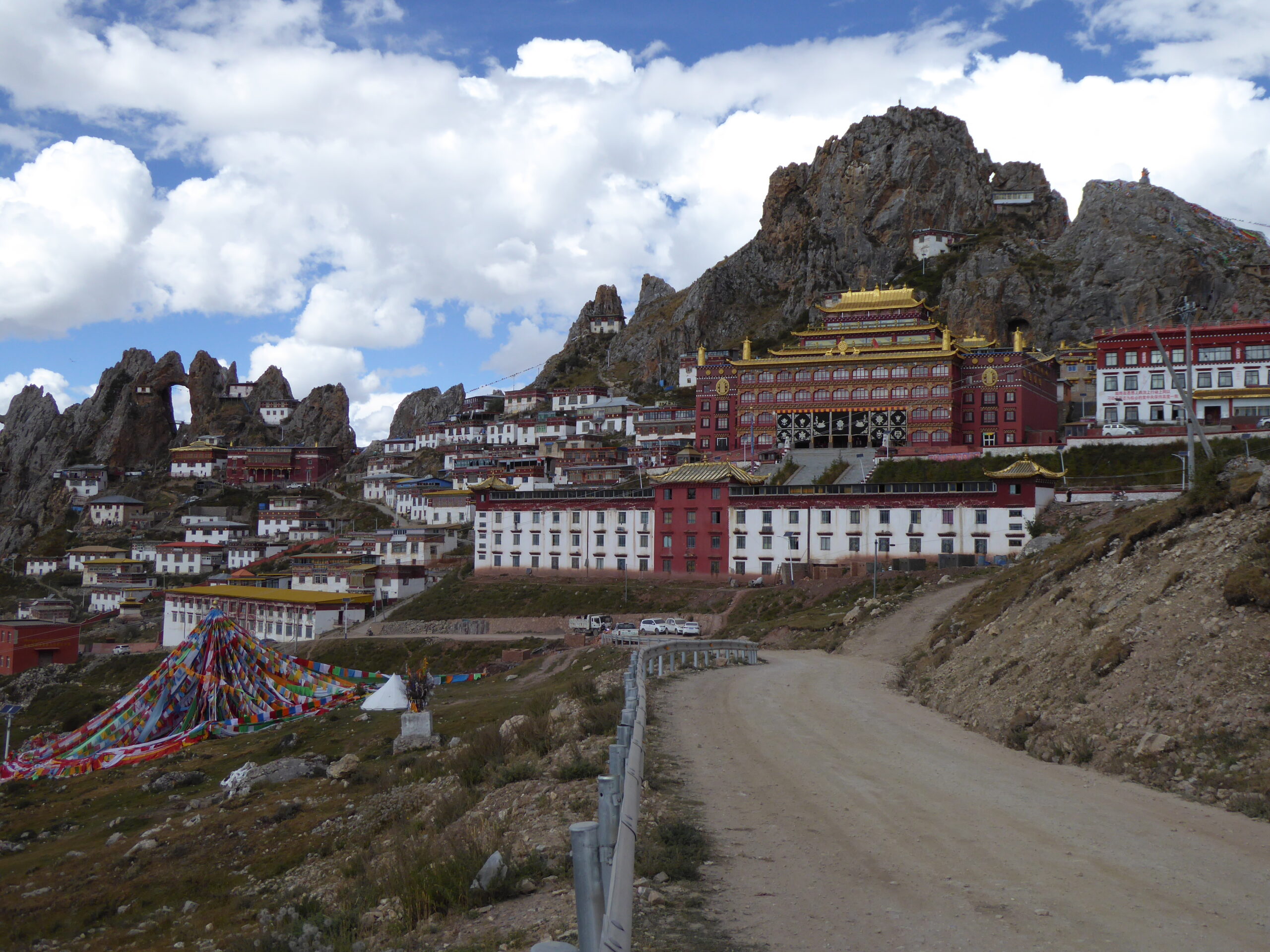
Spectacular Zizhu
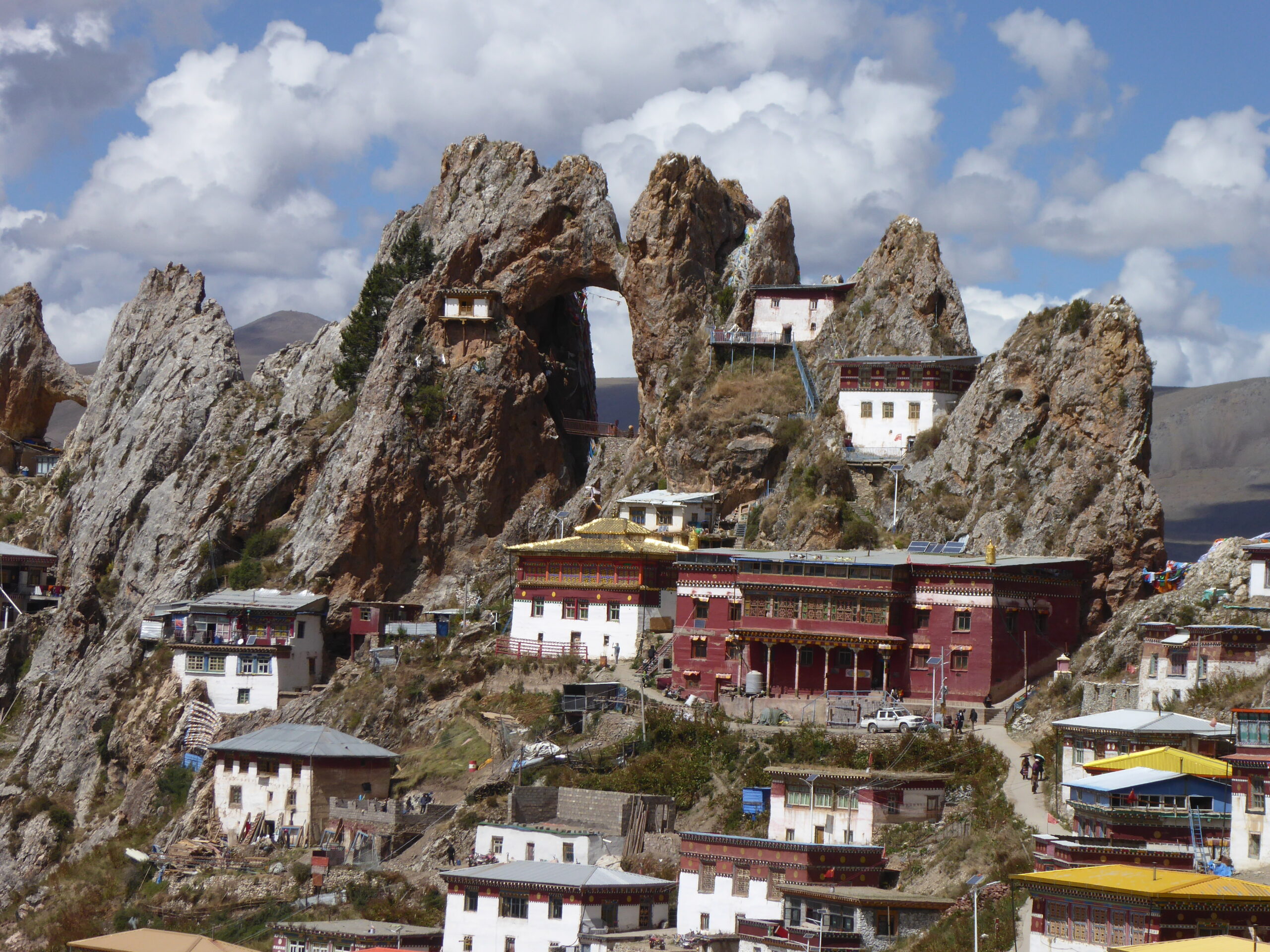
Zizhu
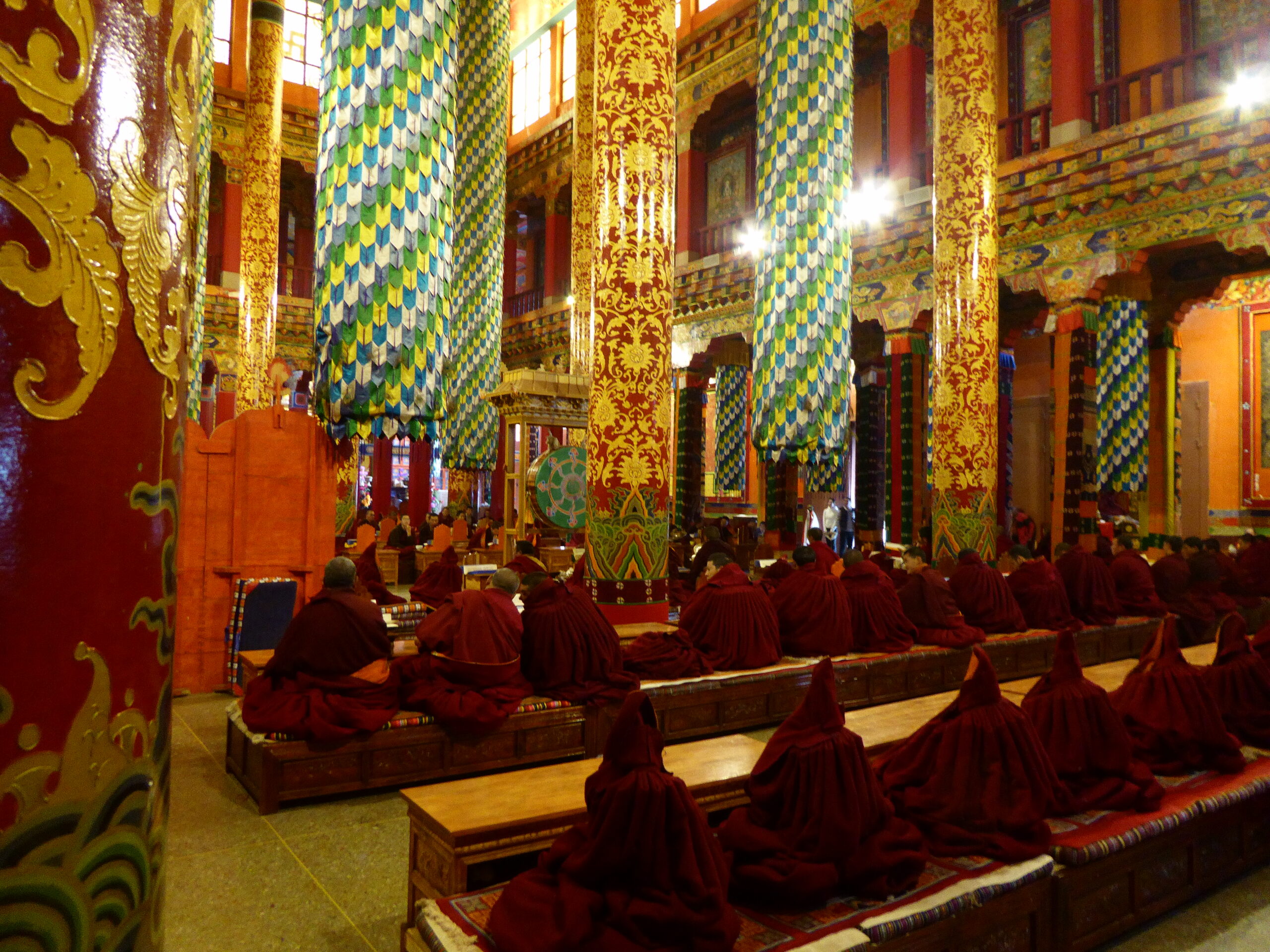
Monks at Zizhu
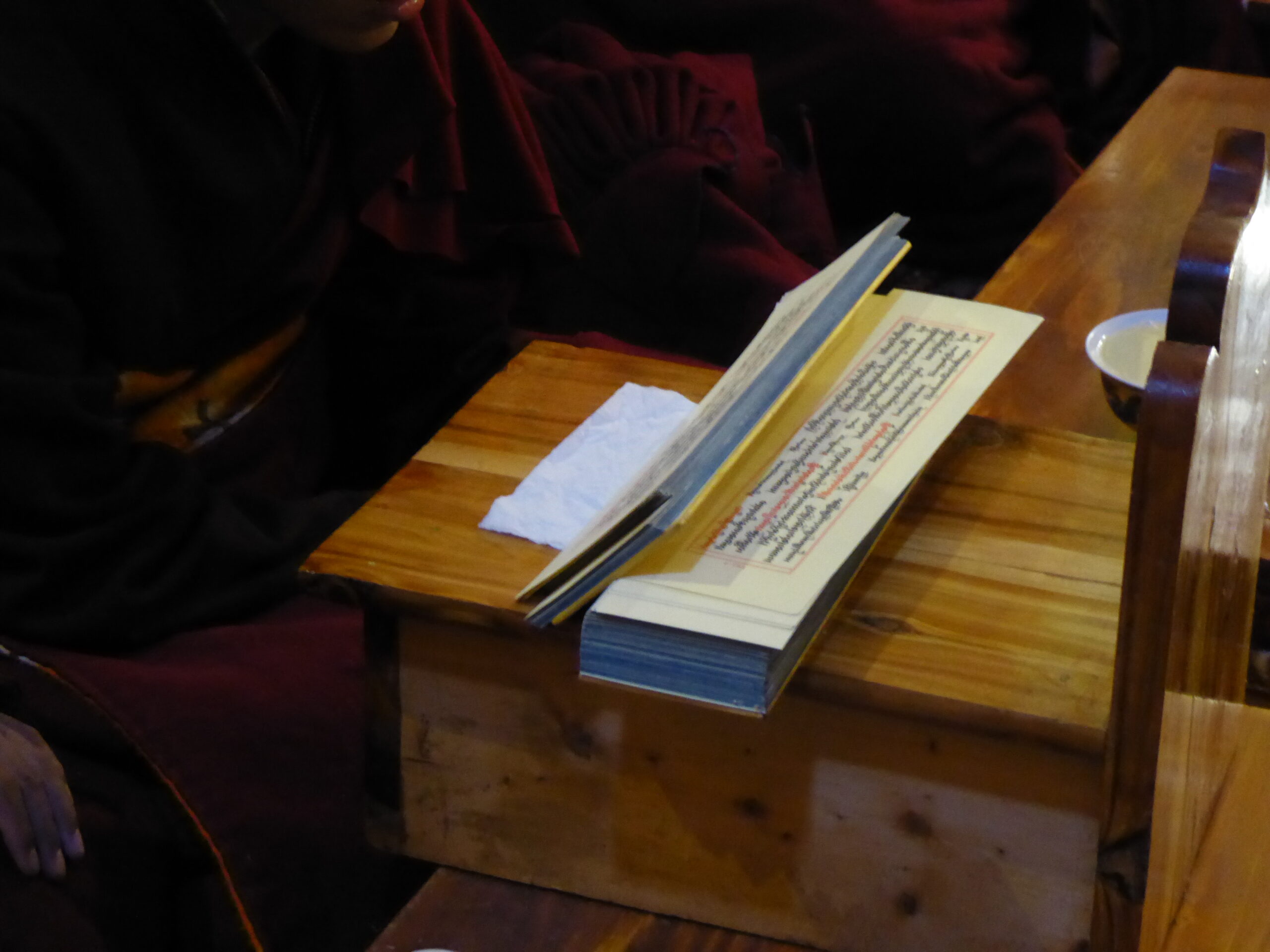
Printed Chant sheets
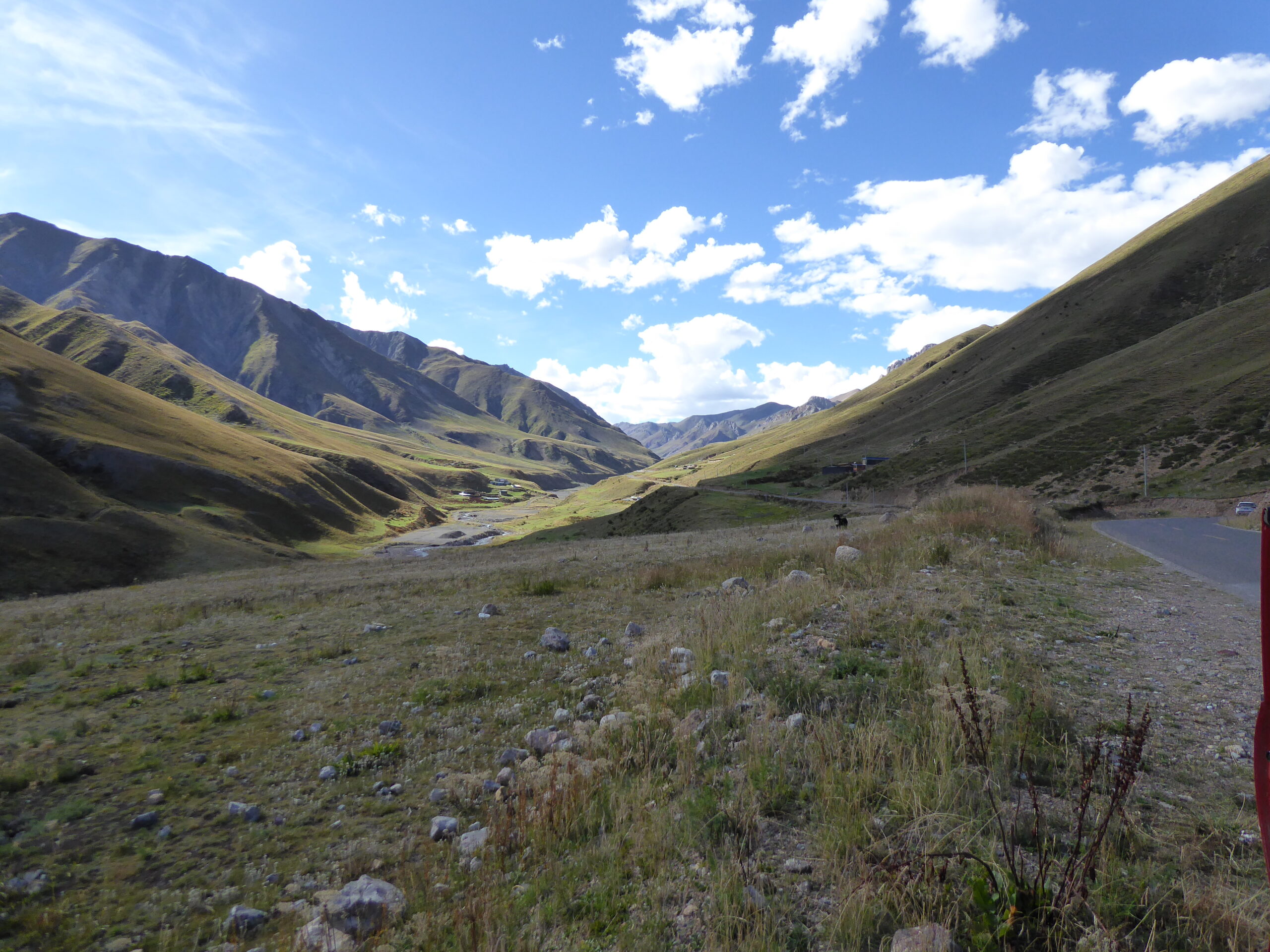
Road to Dingqing c. 4000 metres altitude
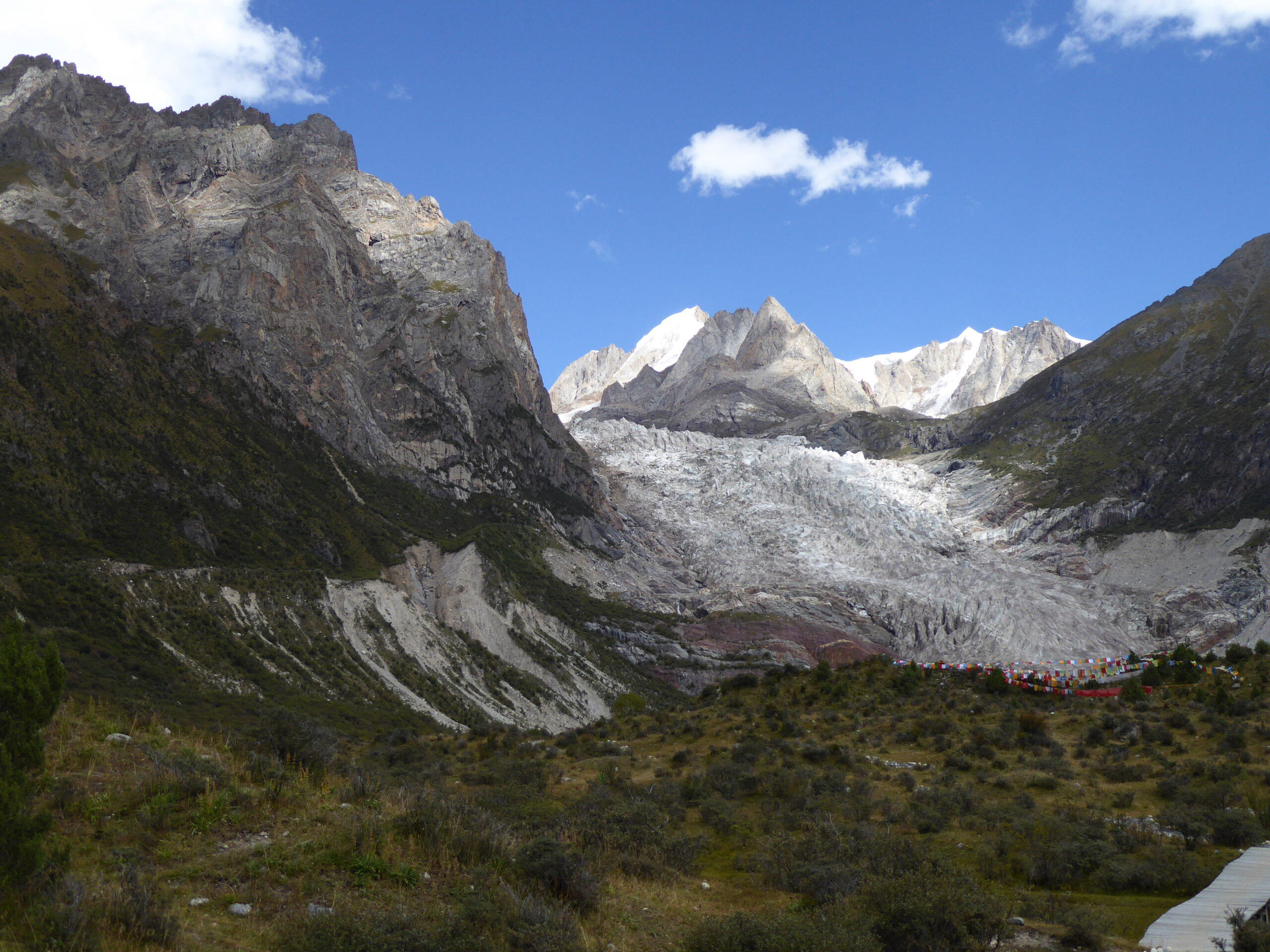
Bujia Glacier
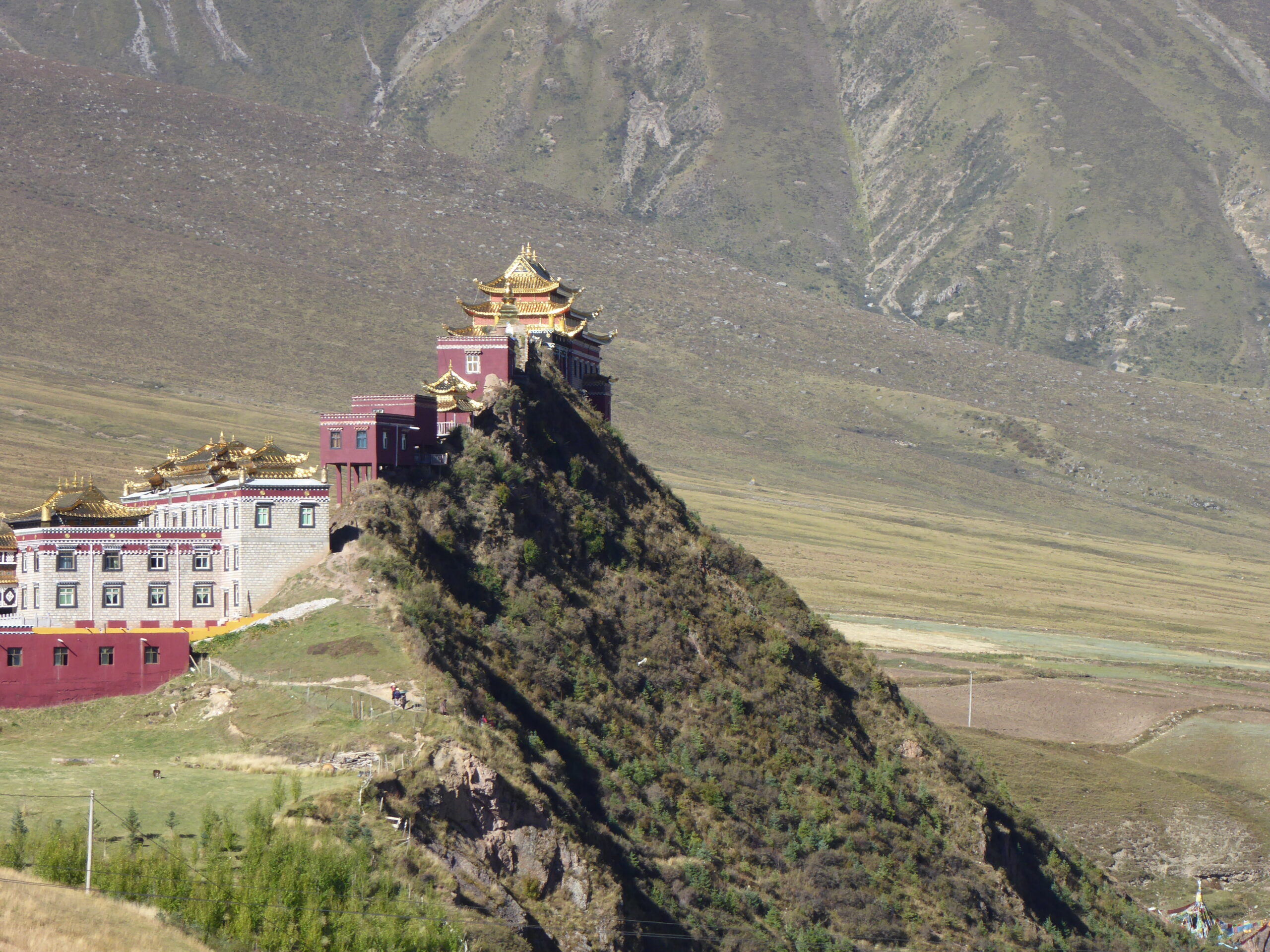
Temple we passed by
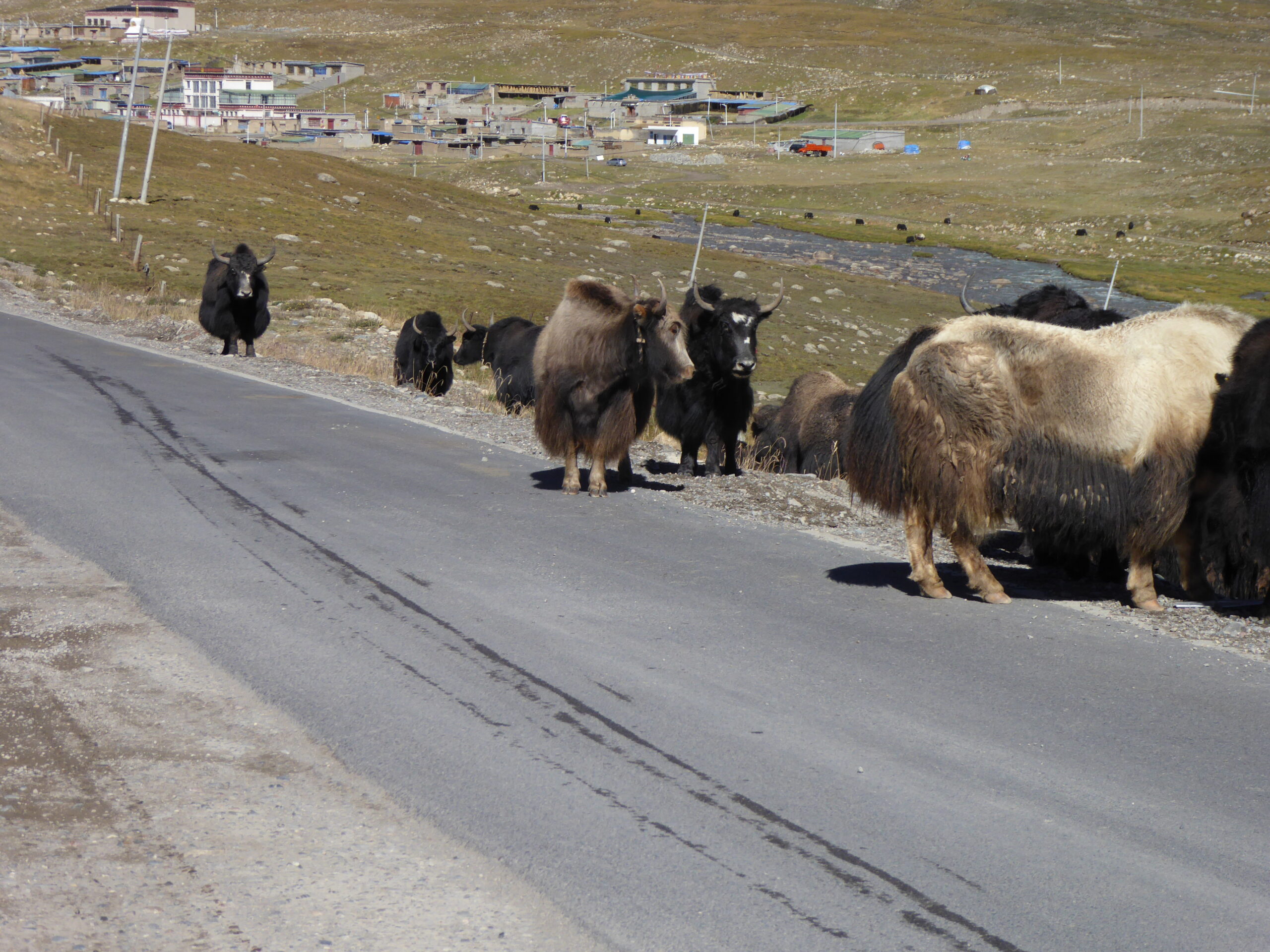
Yaks
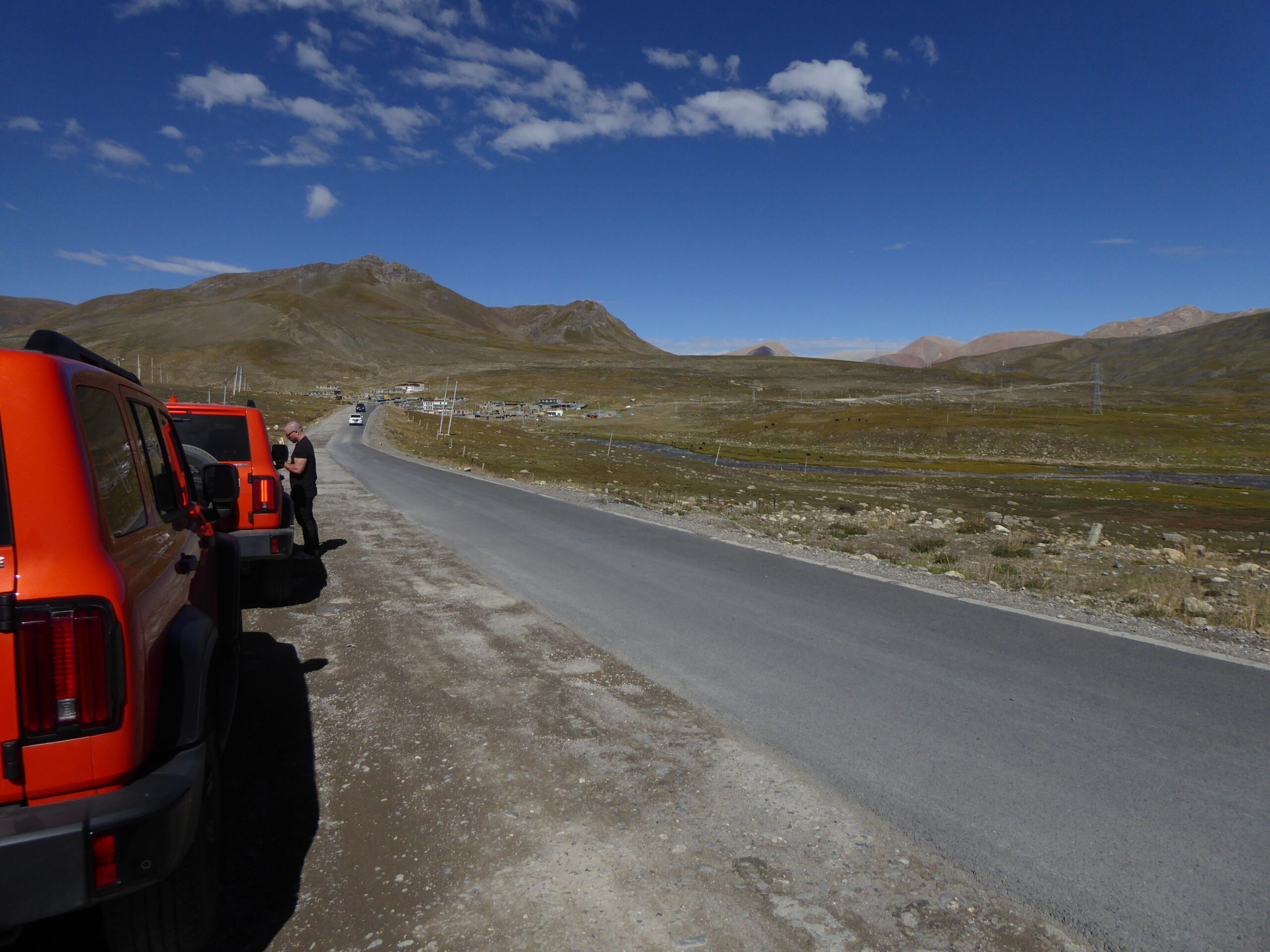
Waiting at the roadside
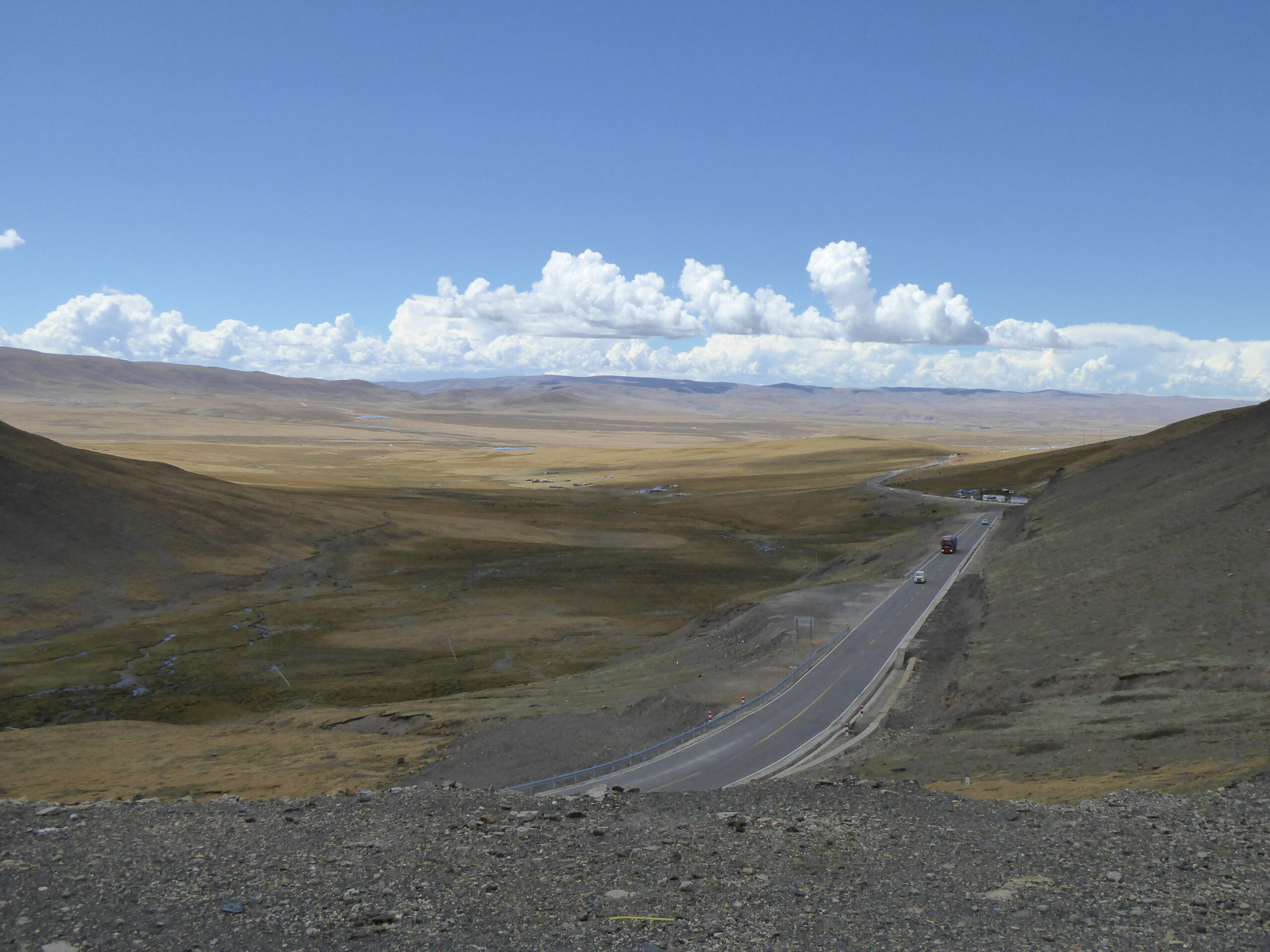
The road just carries on
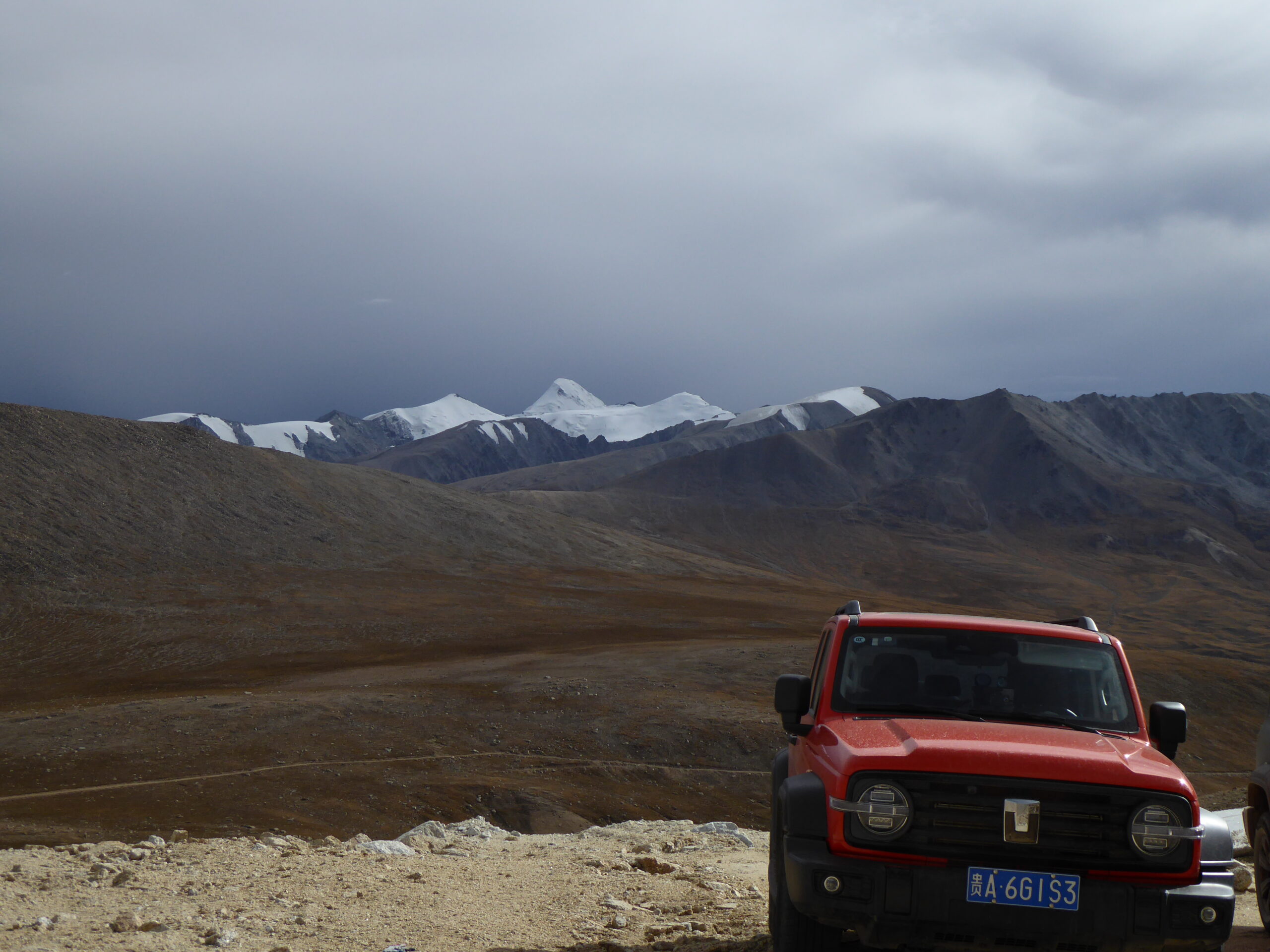
View at 5200 metres on deviation
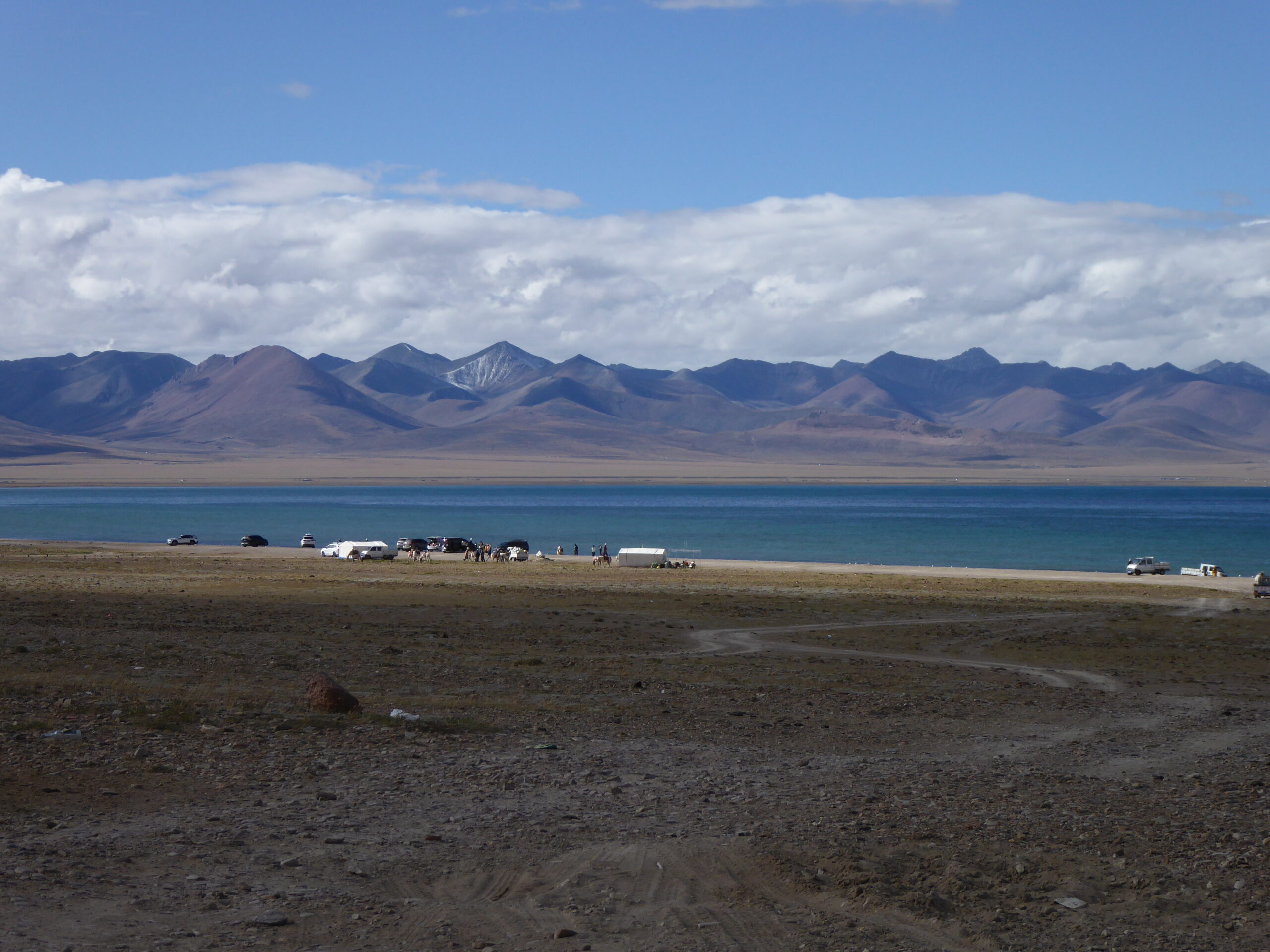
Lake on the Great northern Route
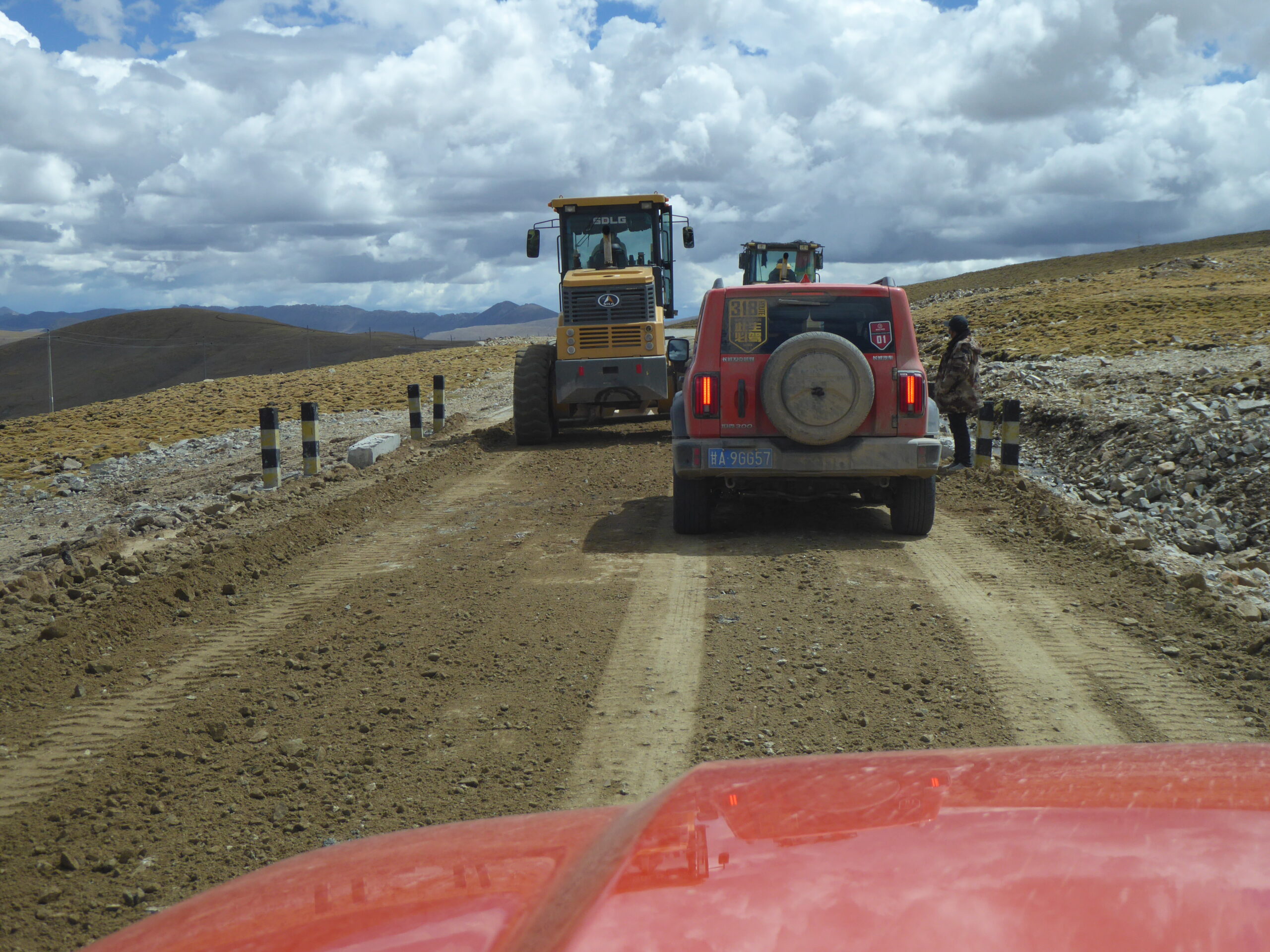
Smooth gravel
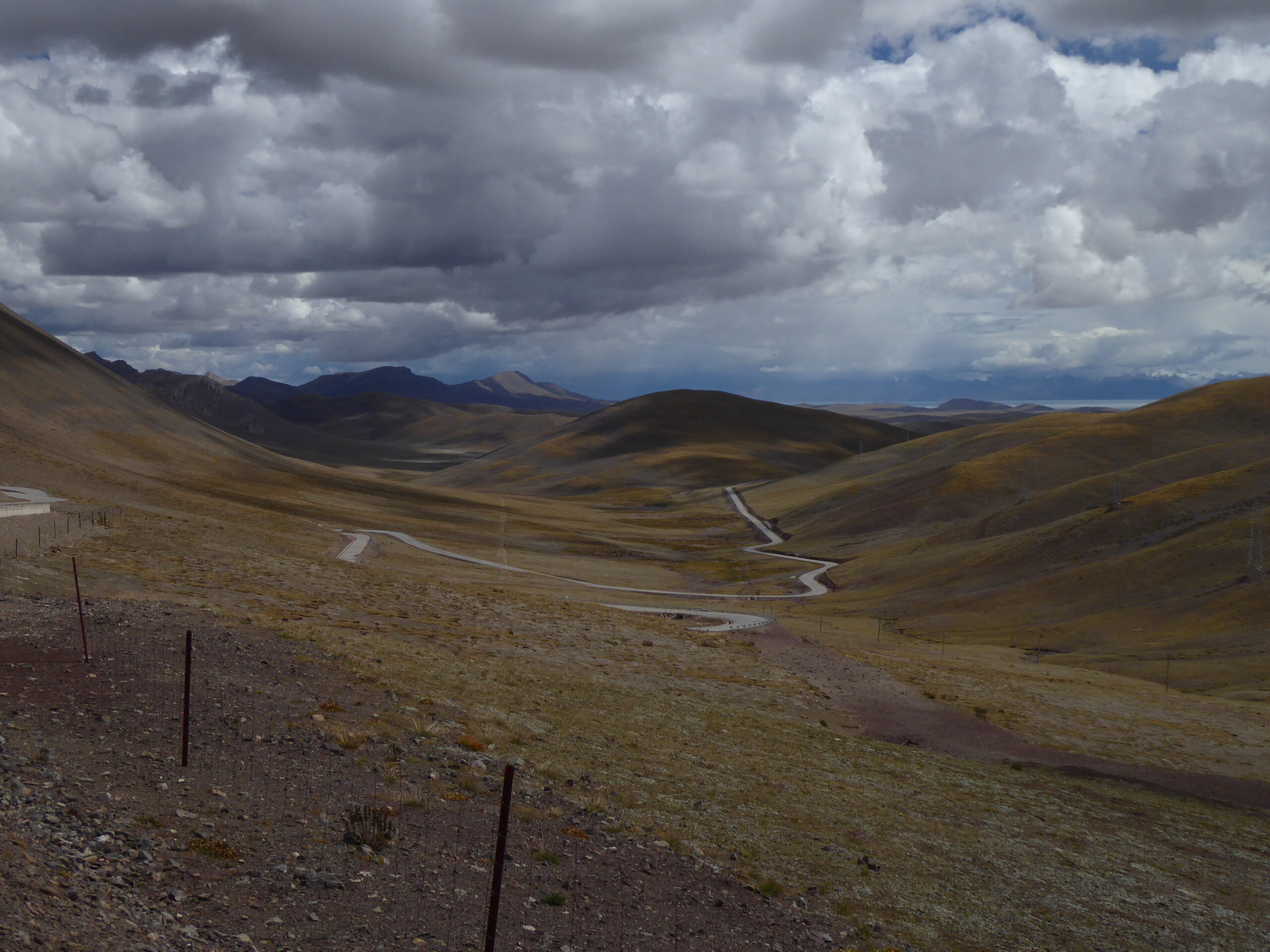
The wildest part of Tibet?
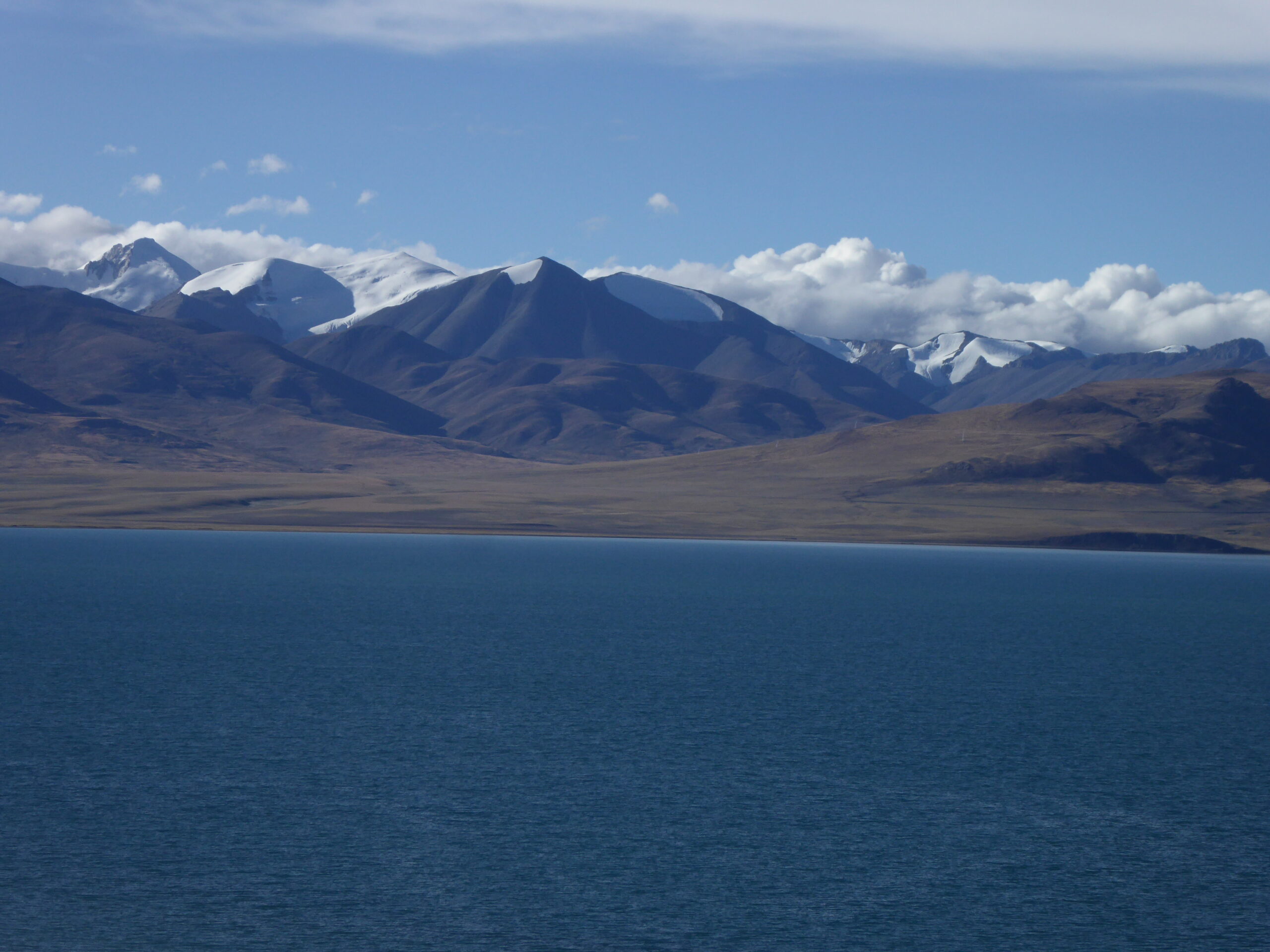
Geren Tso Lake near Shenza
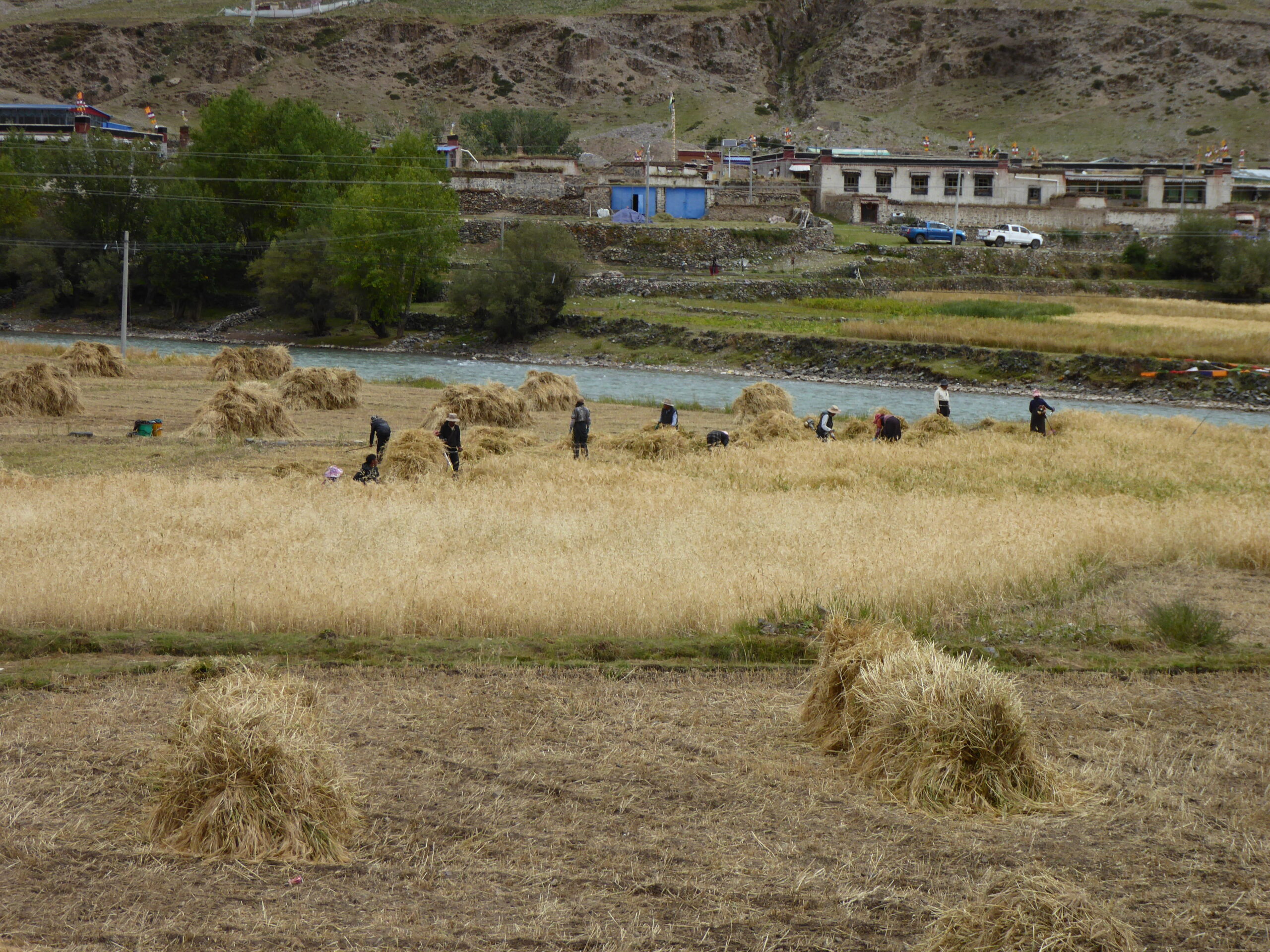
I think its barley
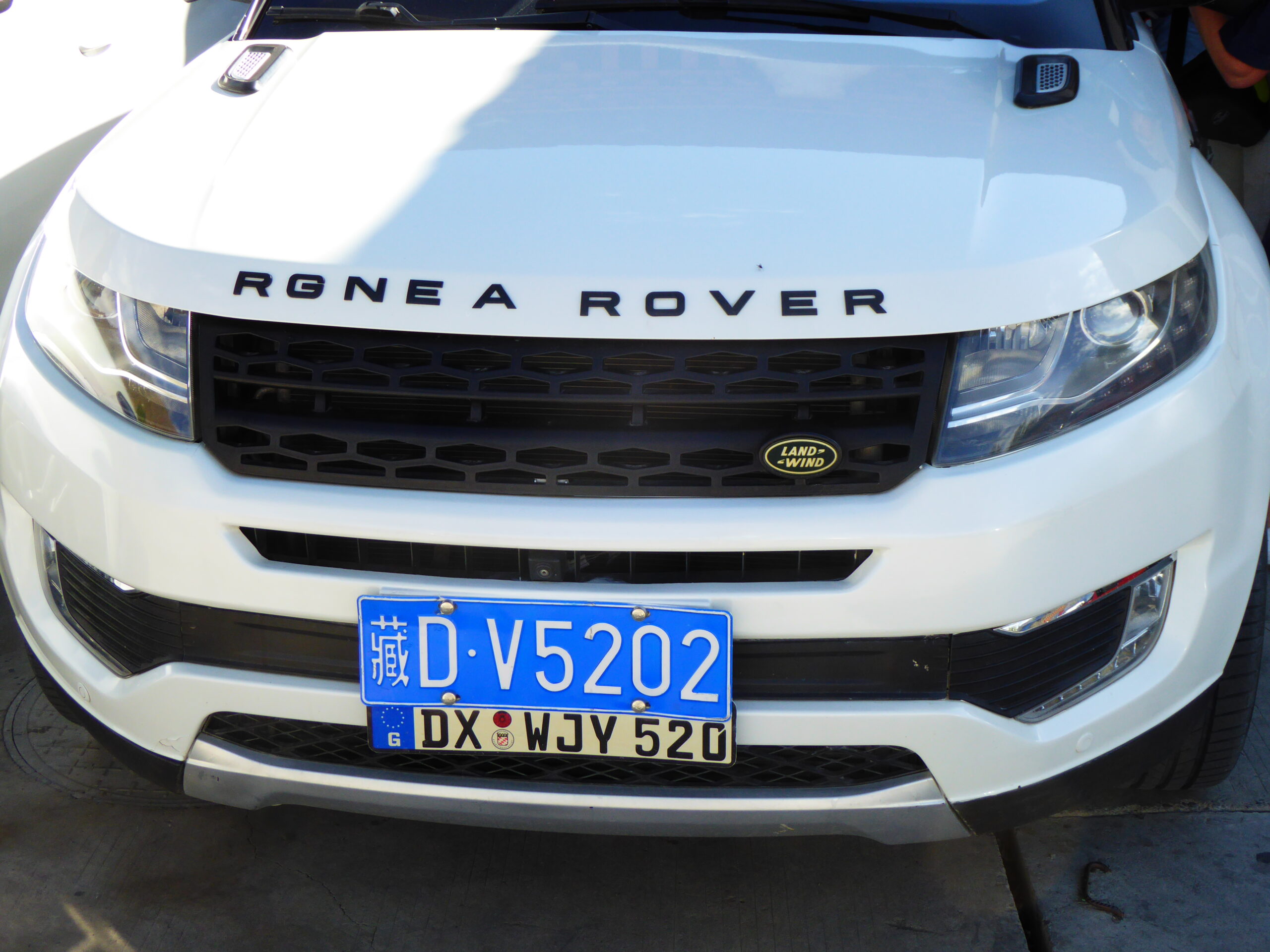
What sort of Rover?
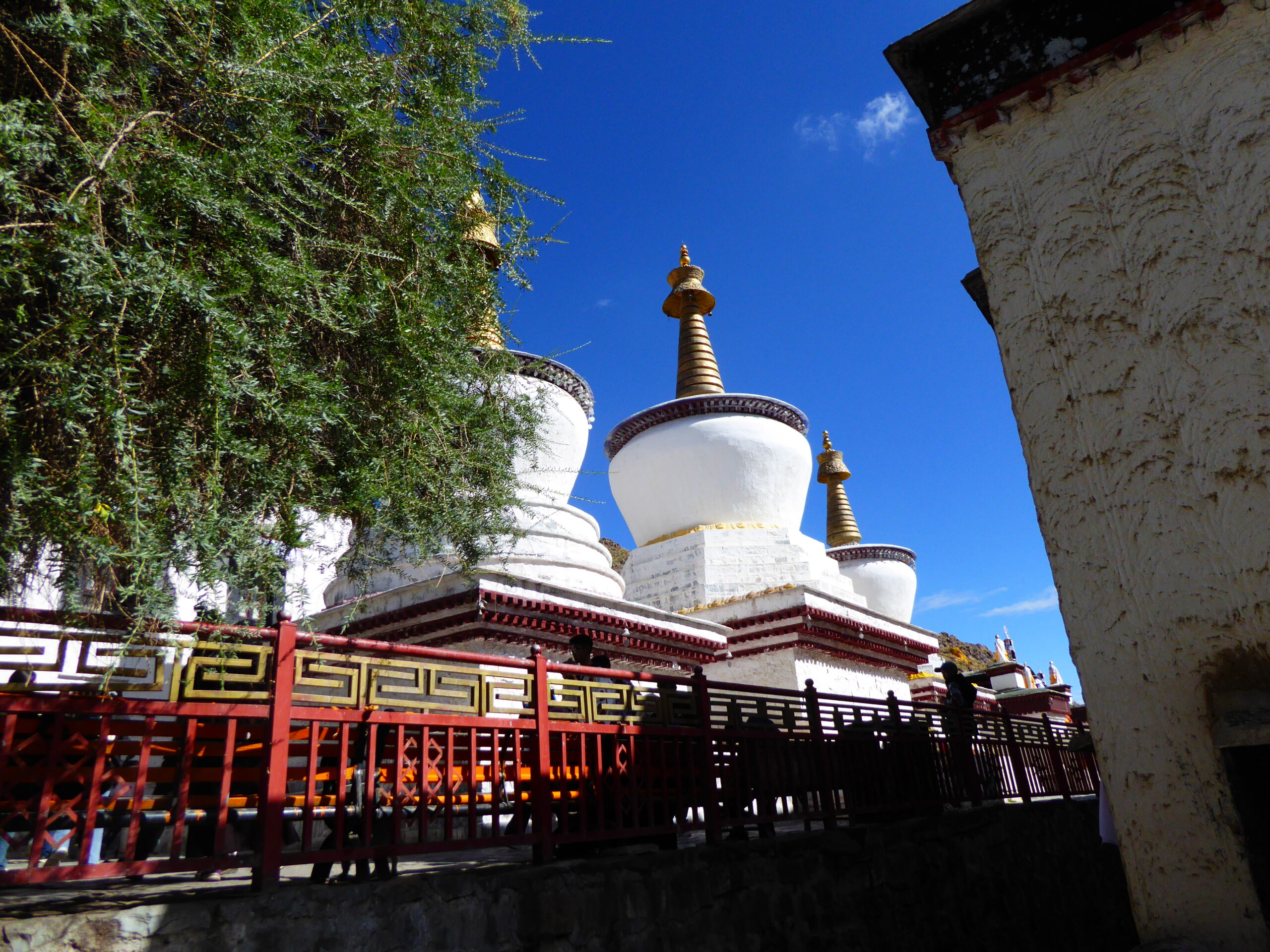
Stupas at Tashi Lhunpo
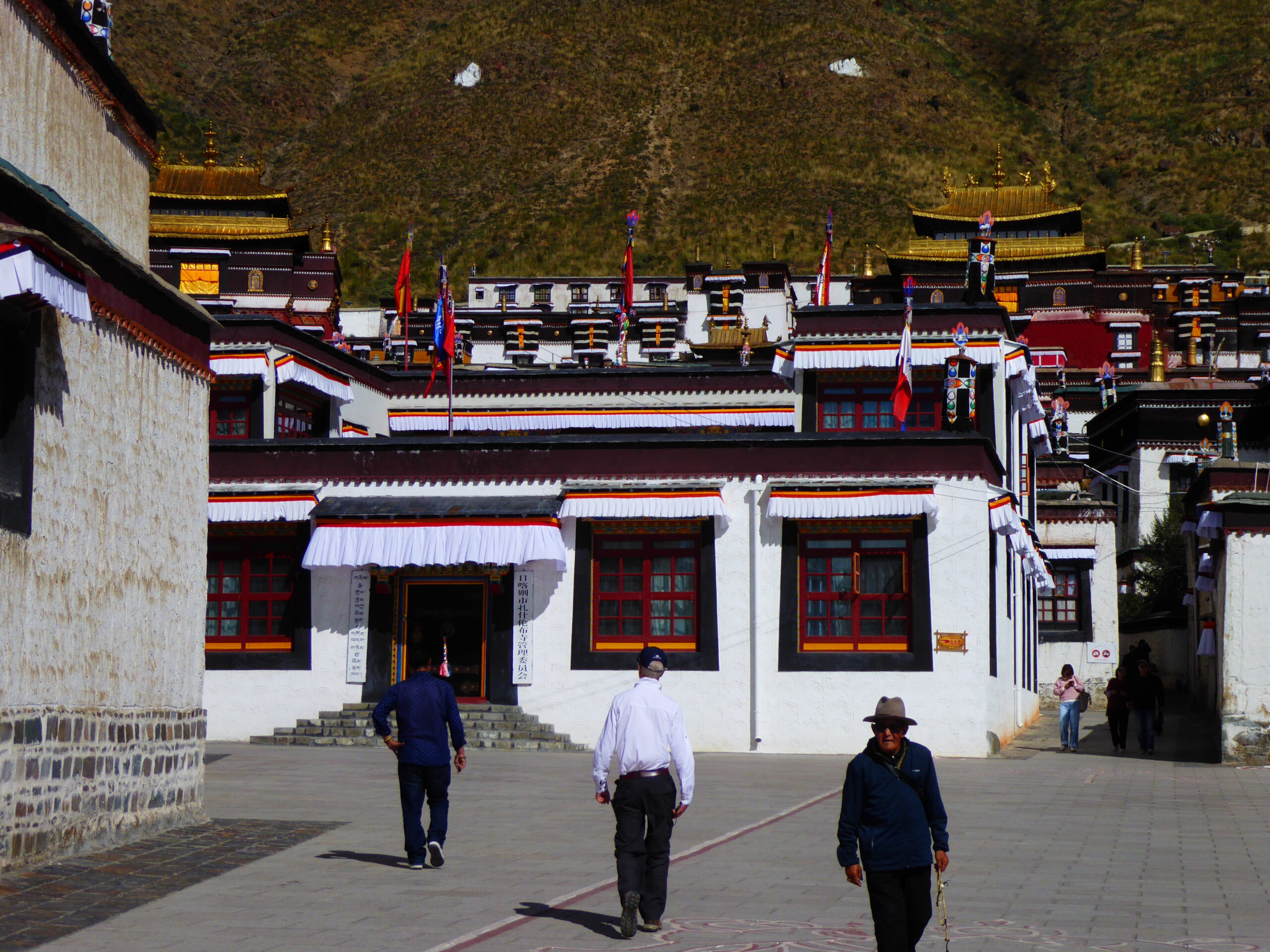
Tashi Lhunpo
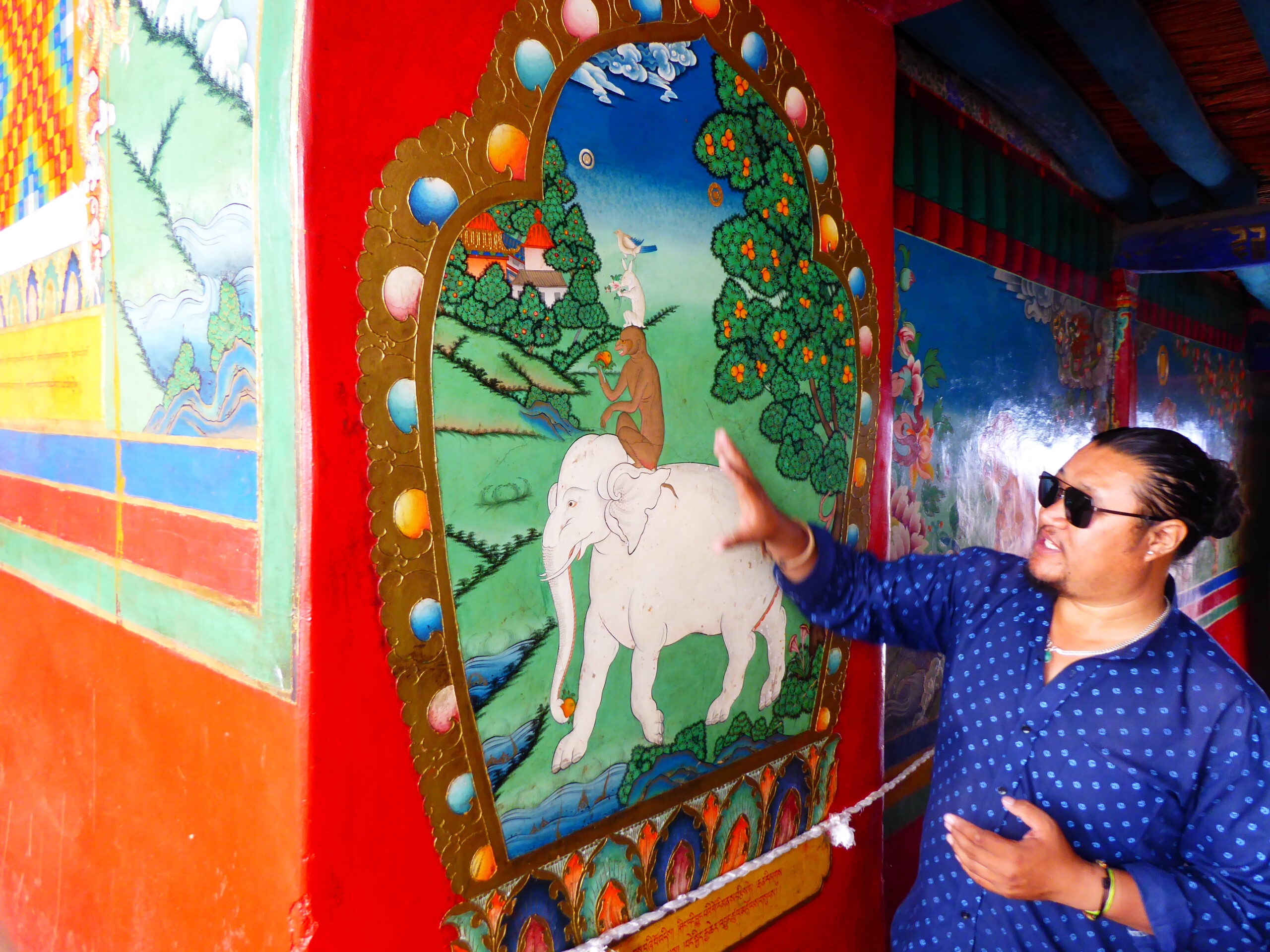
Explanation of a parable
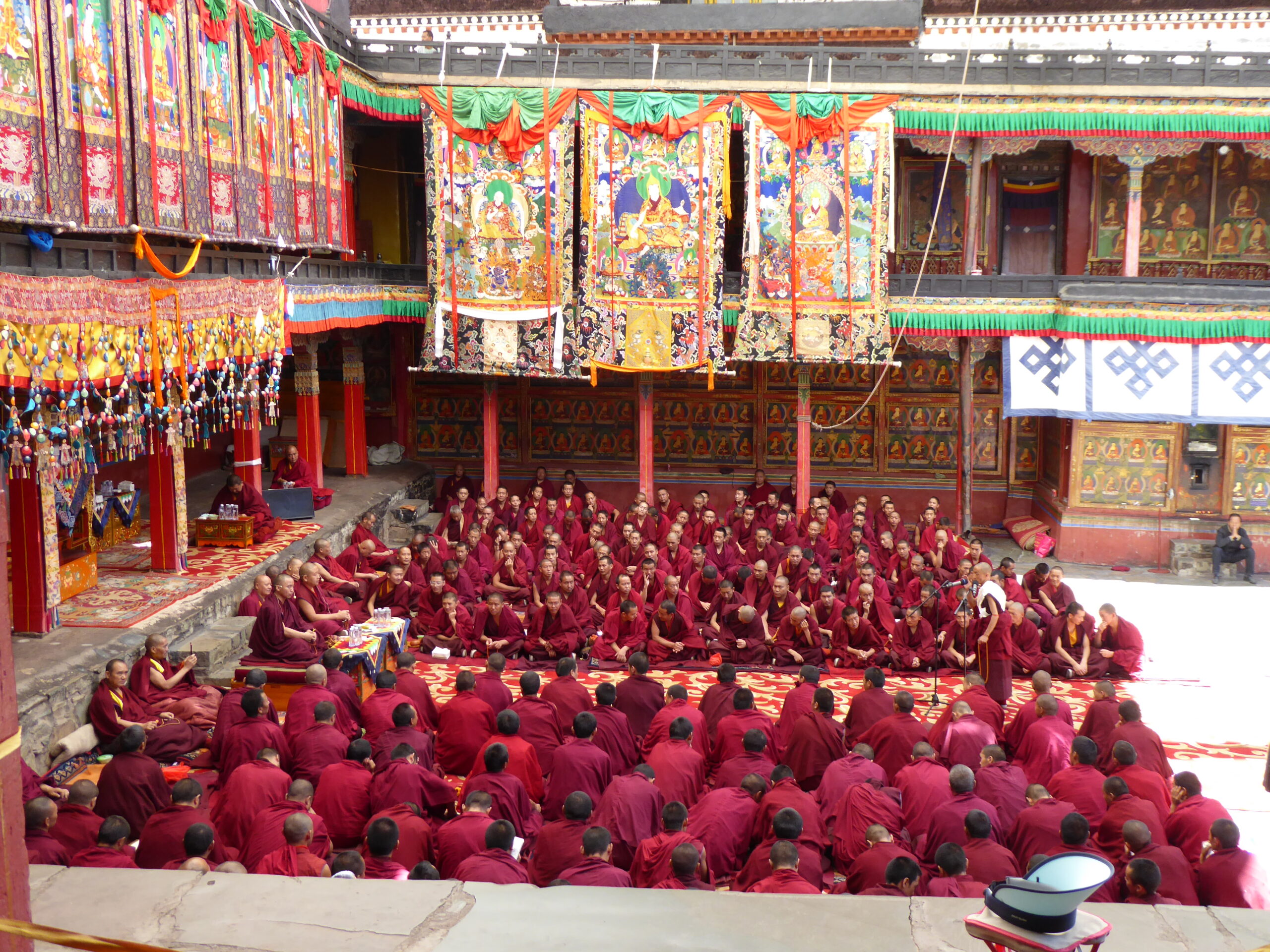
Theological examination
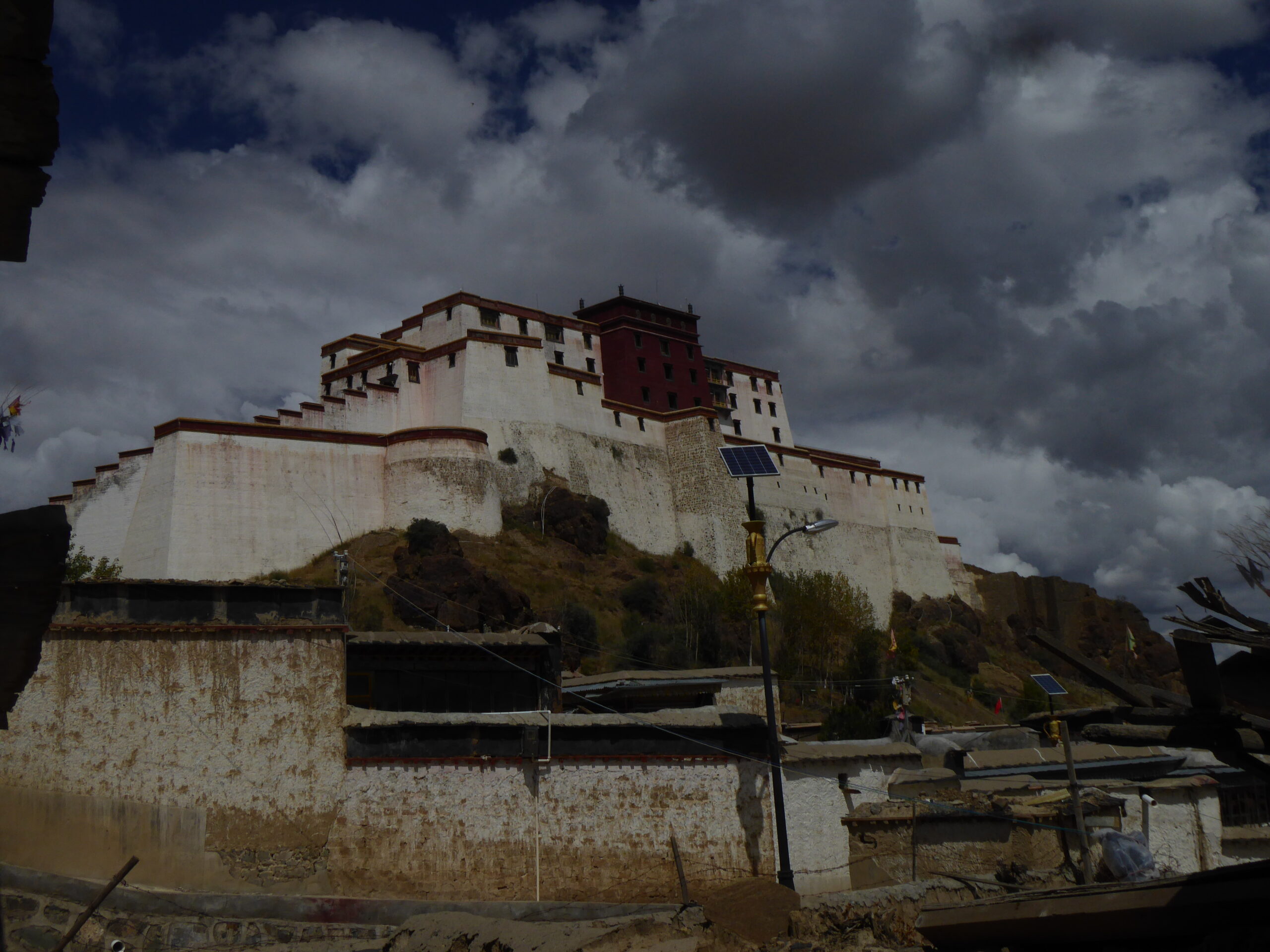
Zhong
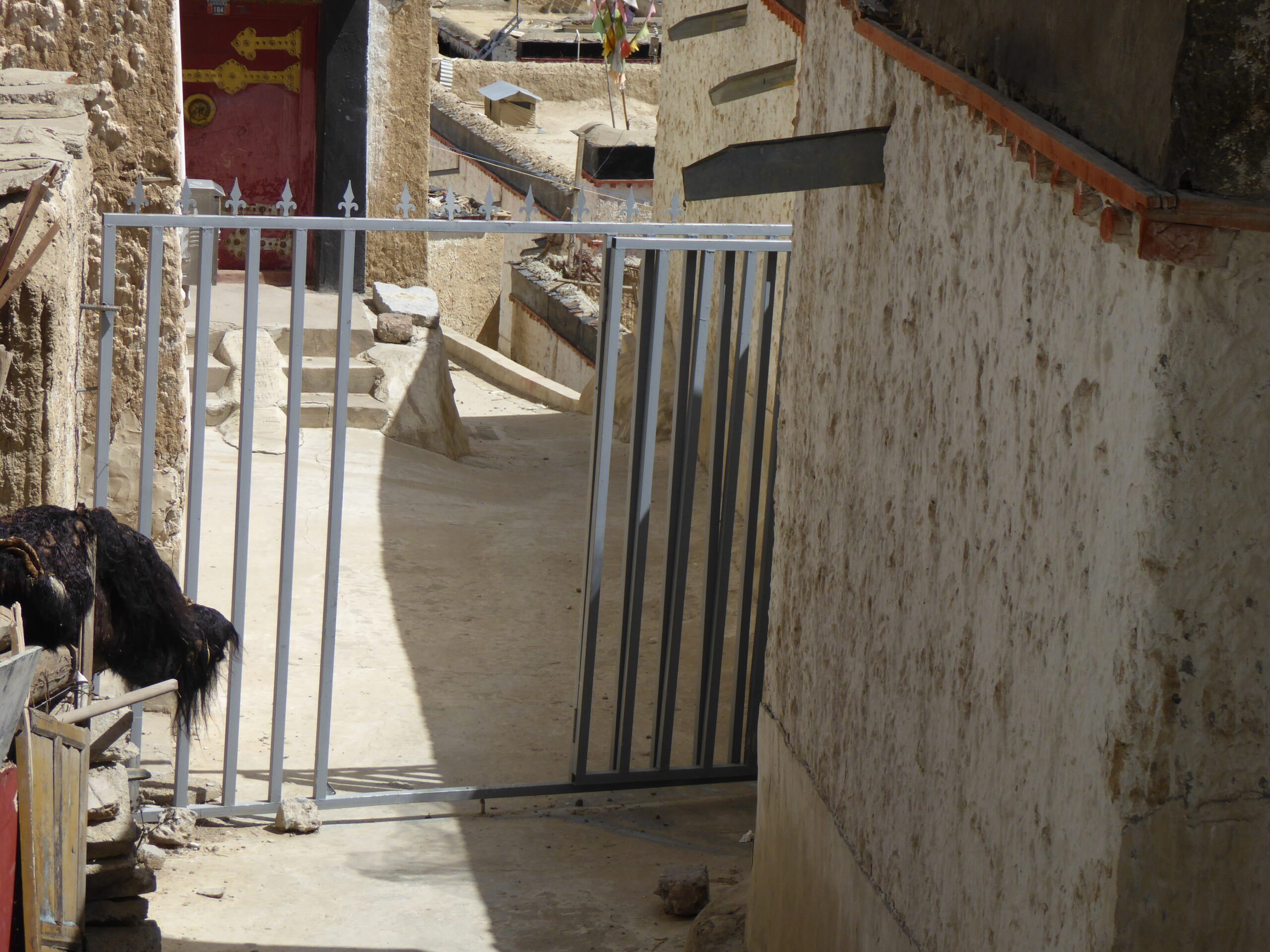
What were these gates for?
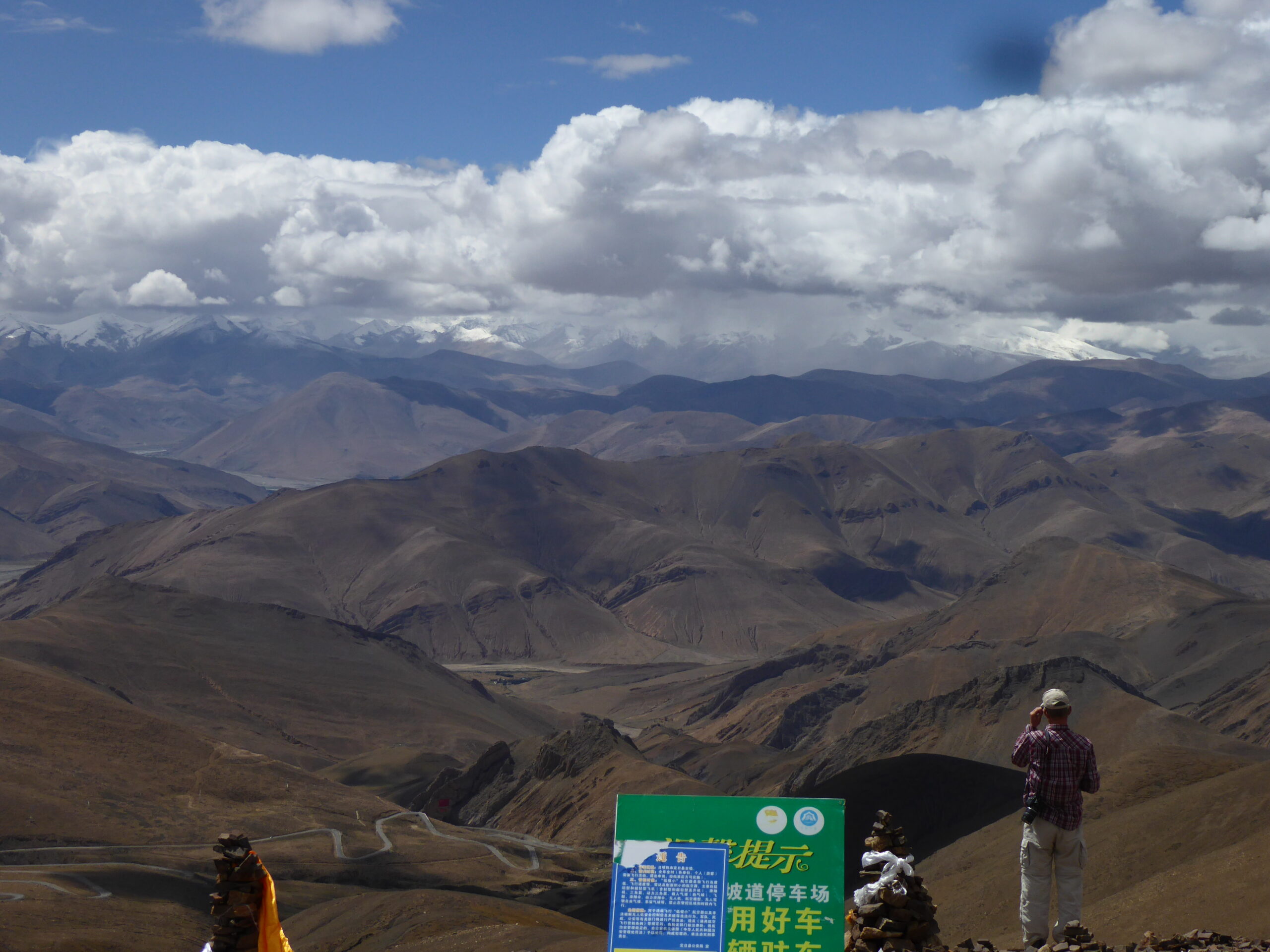
From Everest Viewing Platform c.30km by road
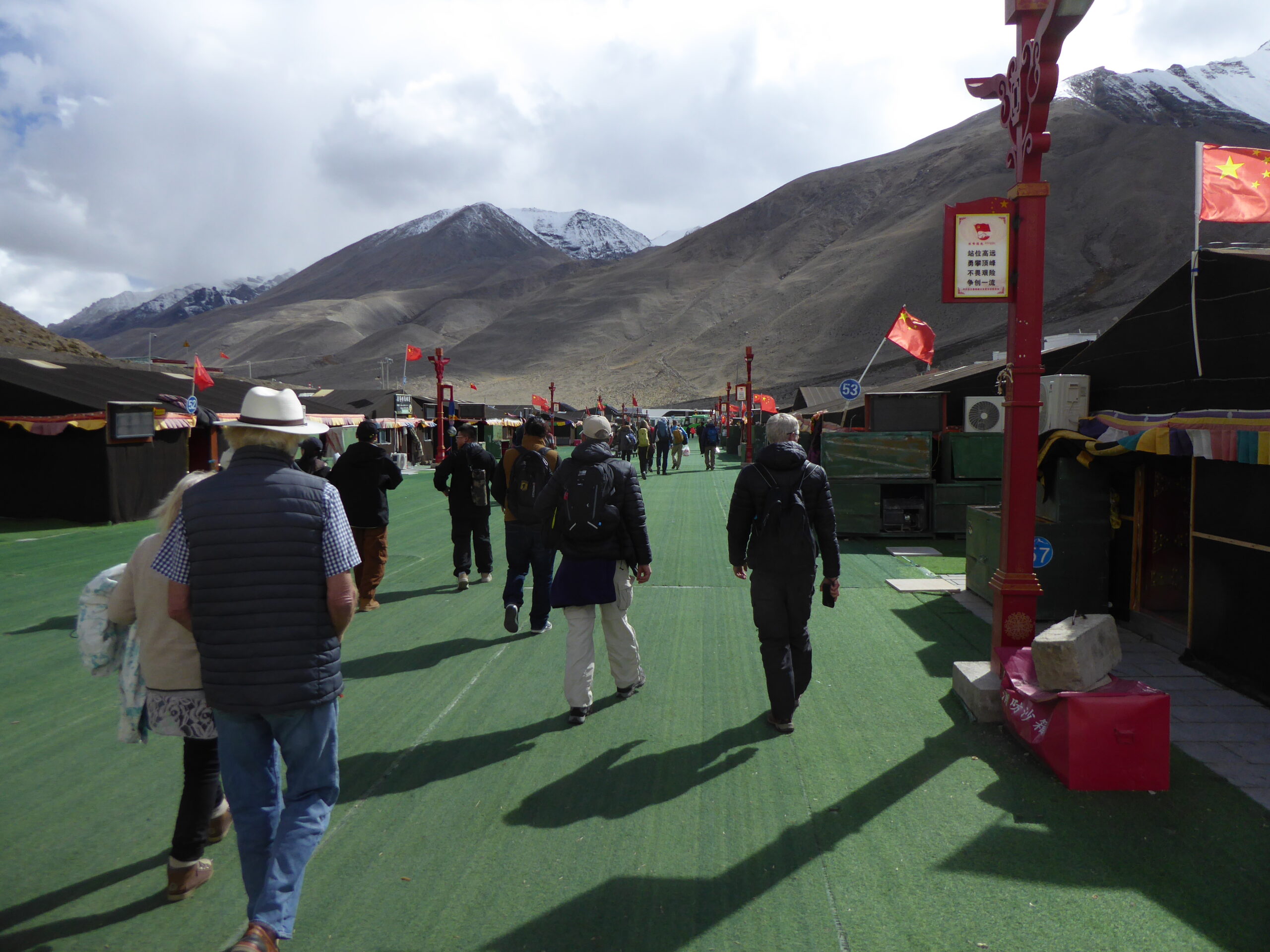
sanitised approach
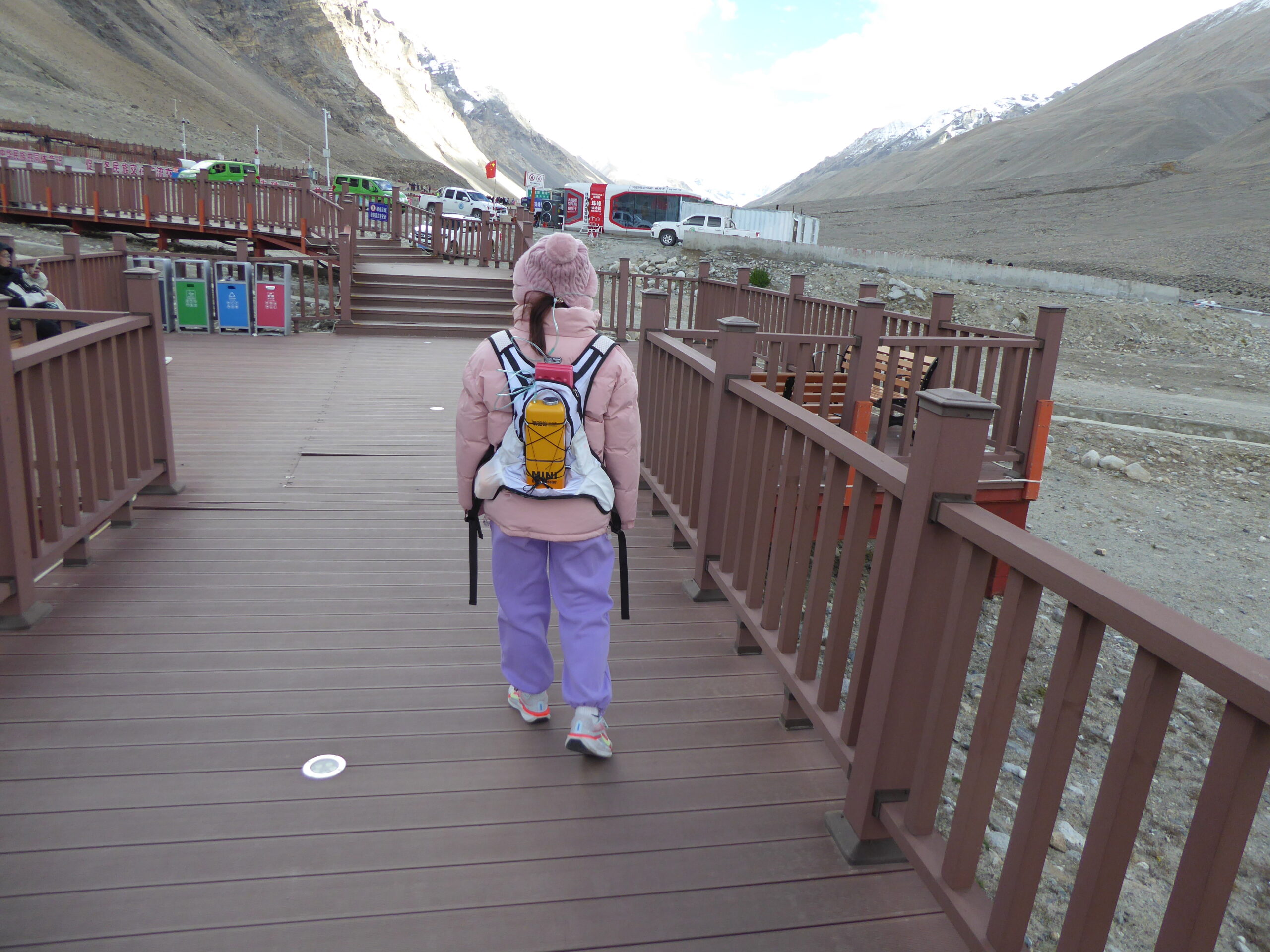
Boardwalk and backpack
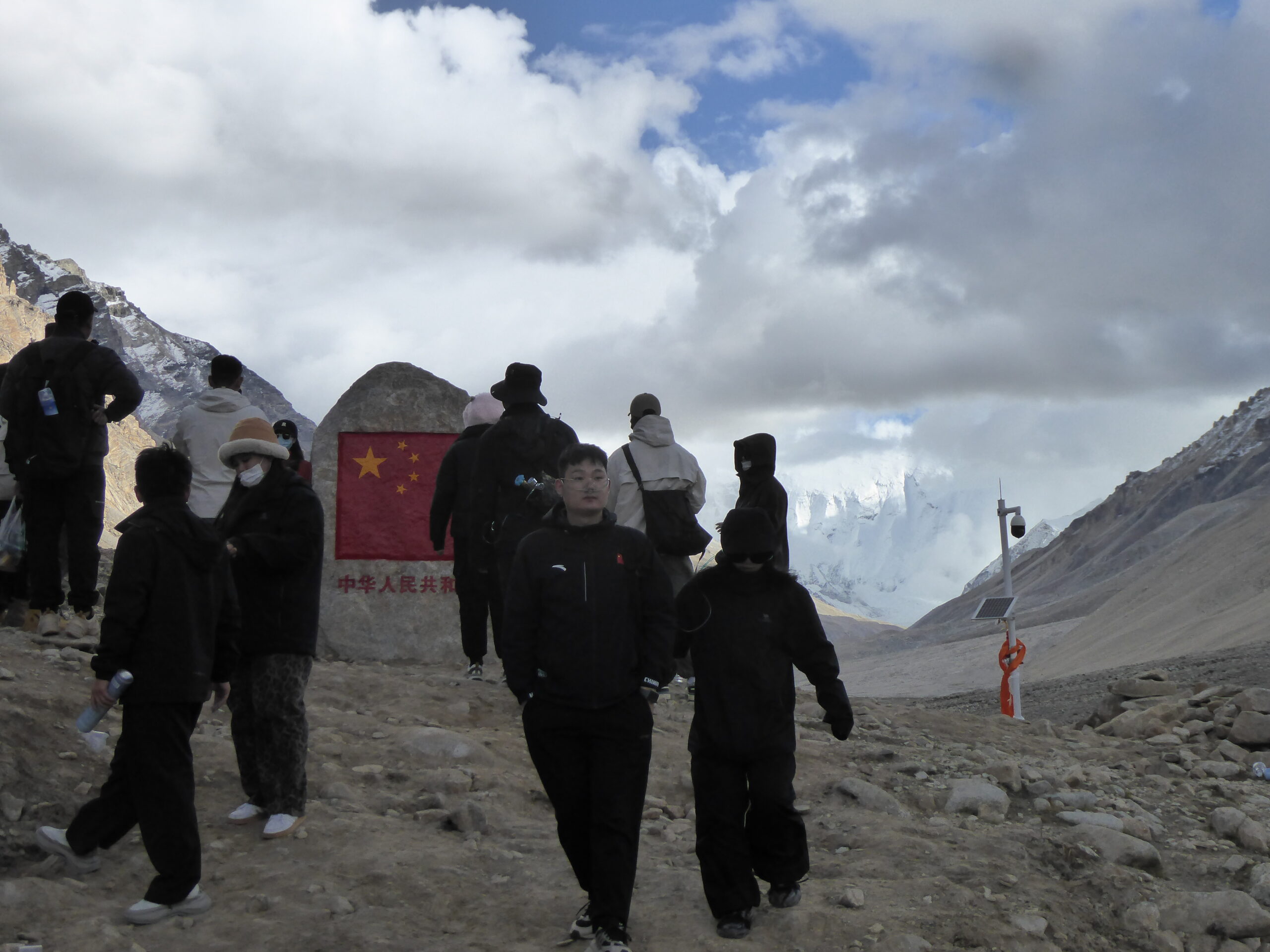
Only one flag allowed
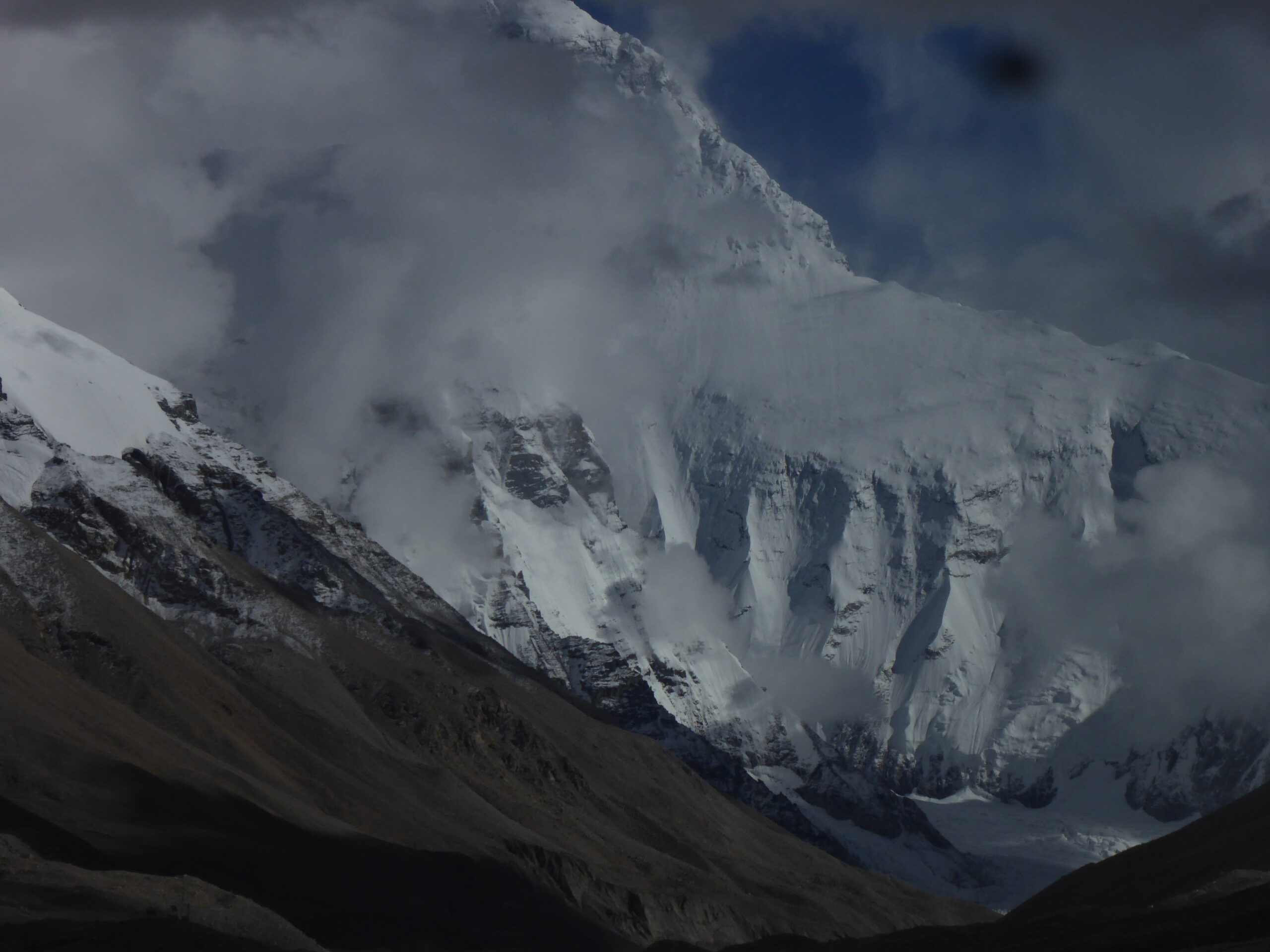
Everest is there somewhere!
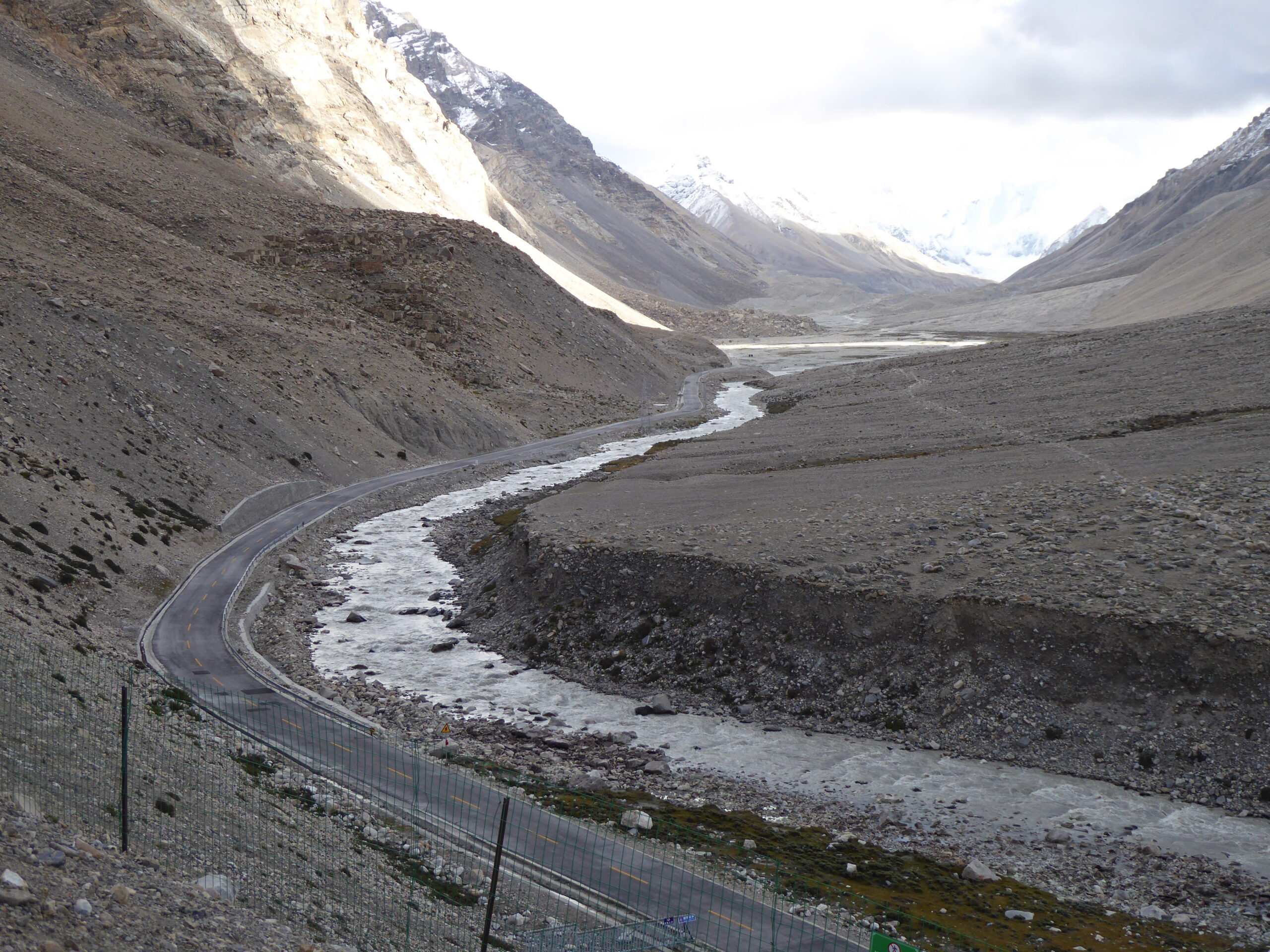
The road to the proper base camp
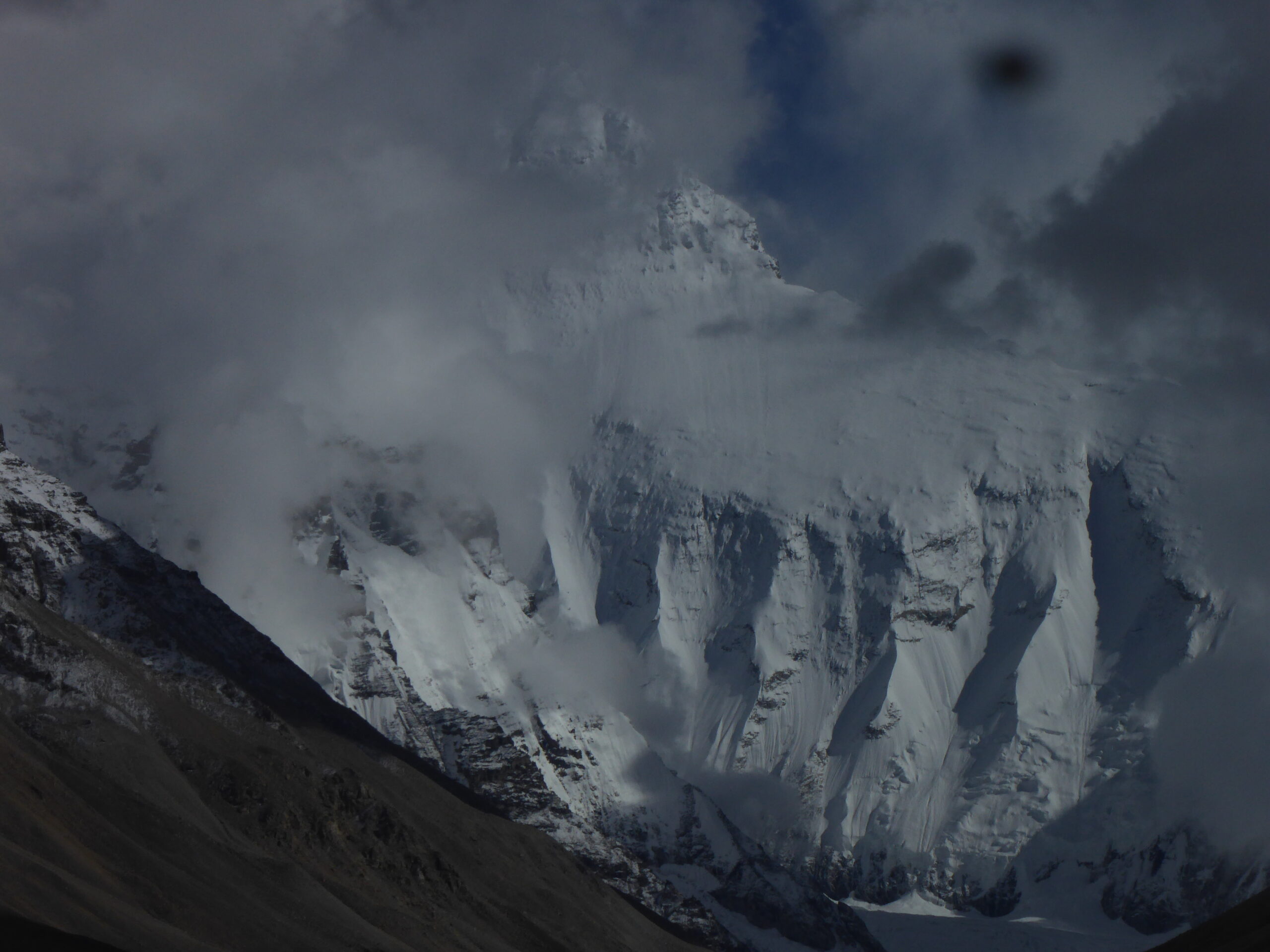
What we came to see
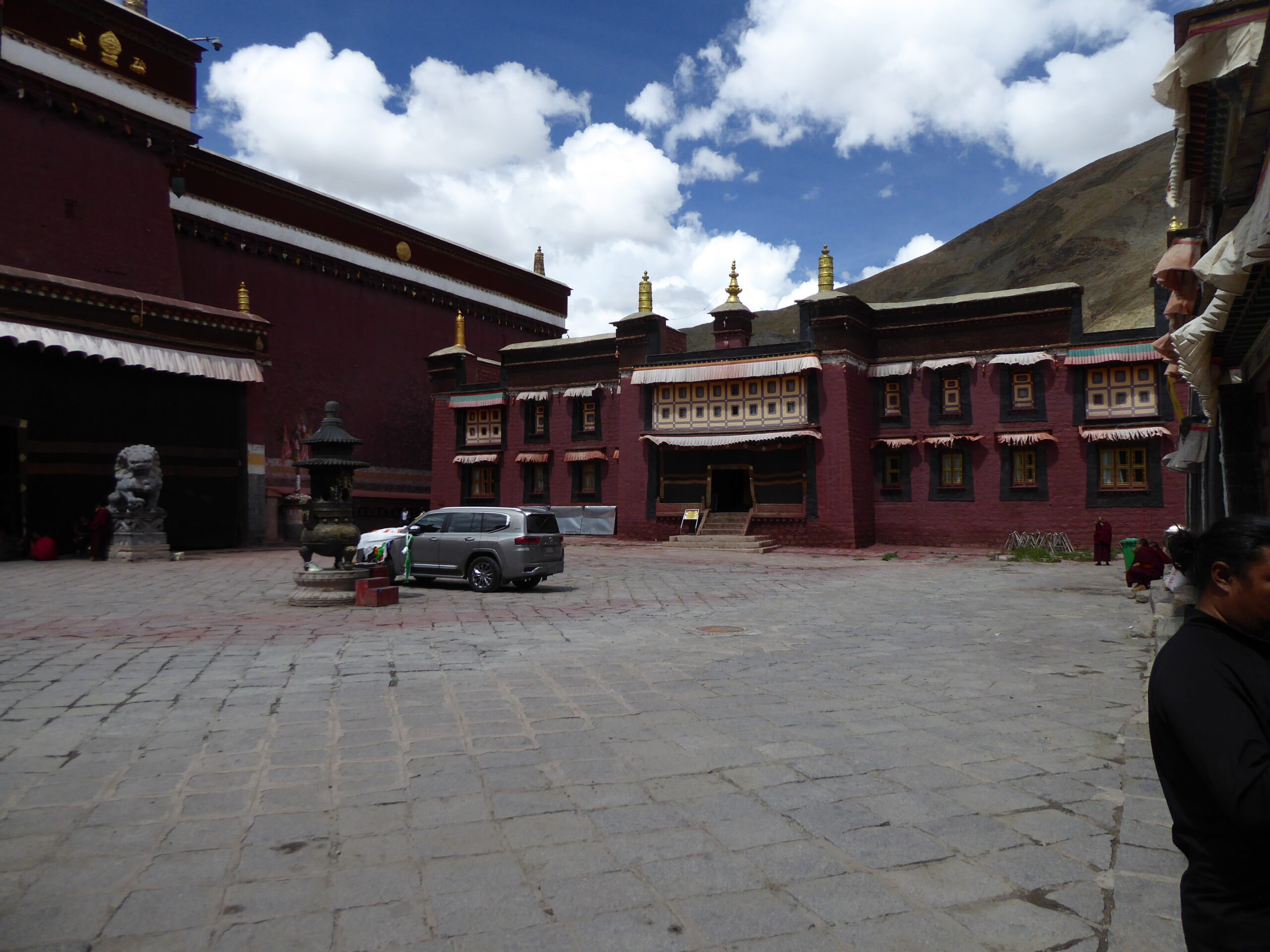
Sakya Monastery
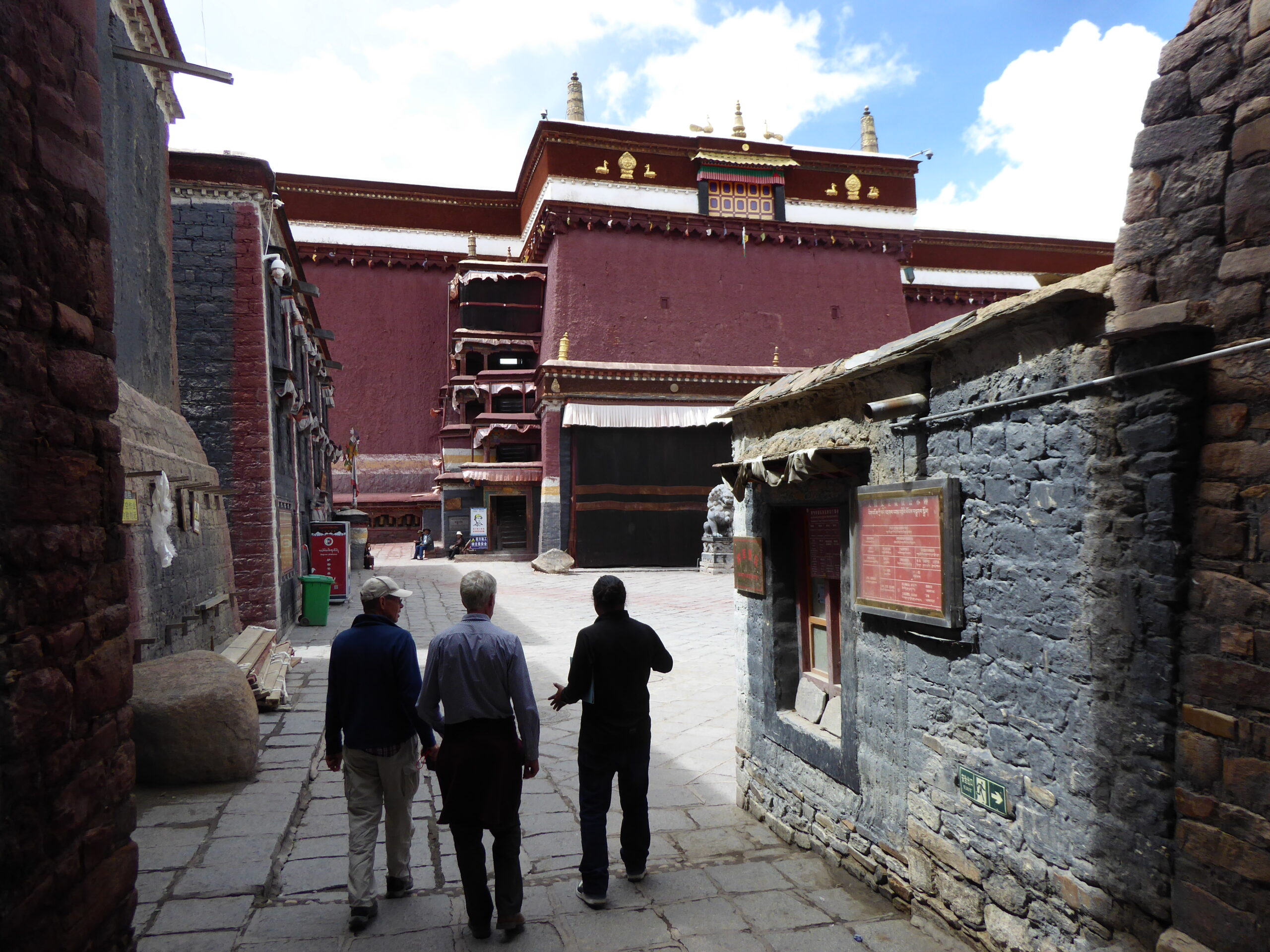 Leaving the monastery, I got lost and found myself heading towards the marked track but going through a checkpoint which was not in the routebook. Then I realised I was heading towards the outbound track from yesterday and not today’s return track! I went back through the checkpoint where I had to show my passport whilst I was on the radio to the group checking where I was. I dropped my passport on my knees – and that was the last time I saw it. Some hours later I realised it was no more but by that time, I’d taken a number of photos, driven along a lake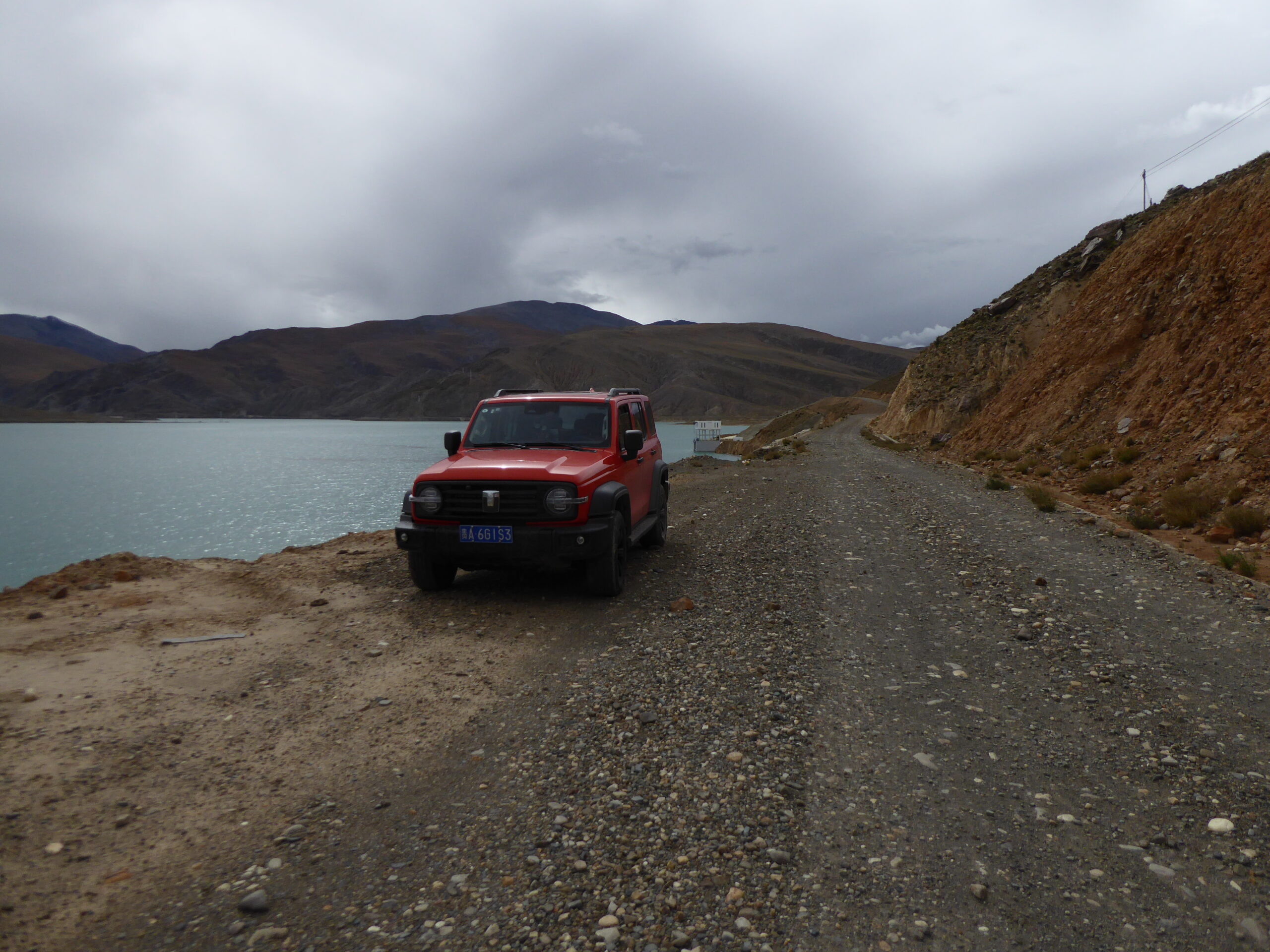
Another lake
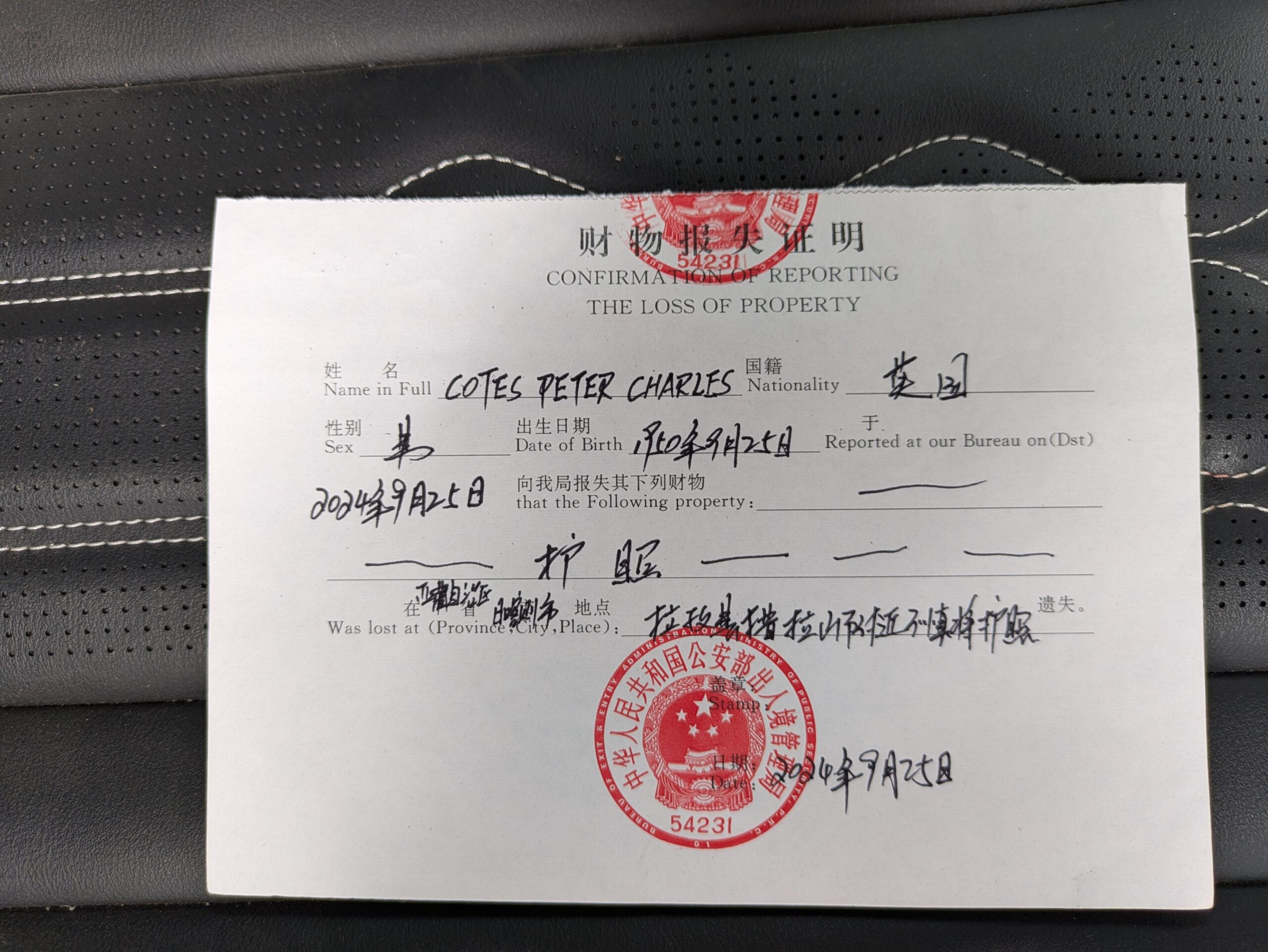
Lost Document Report
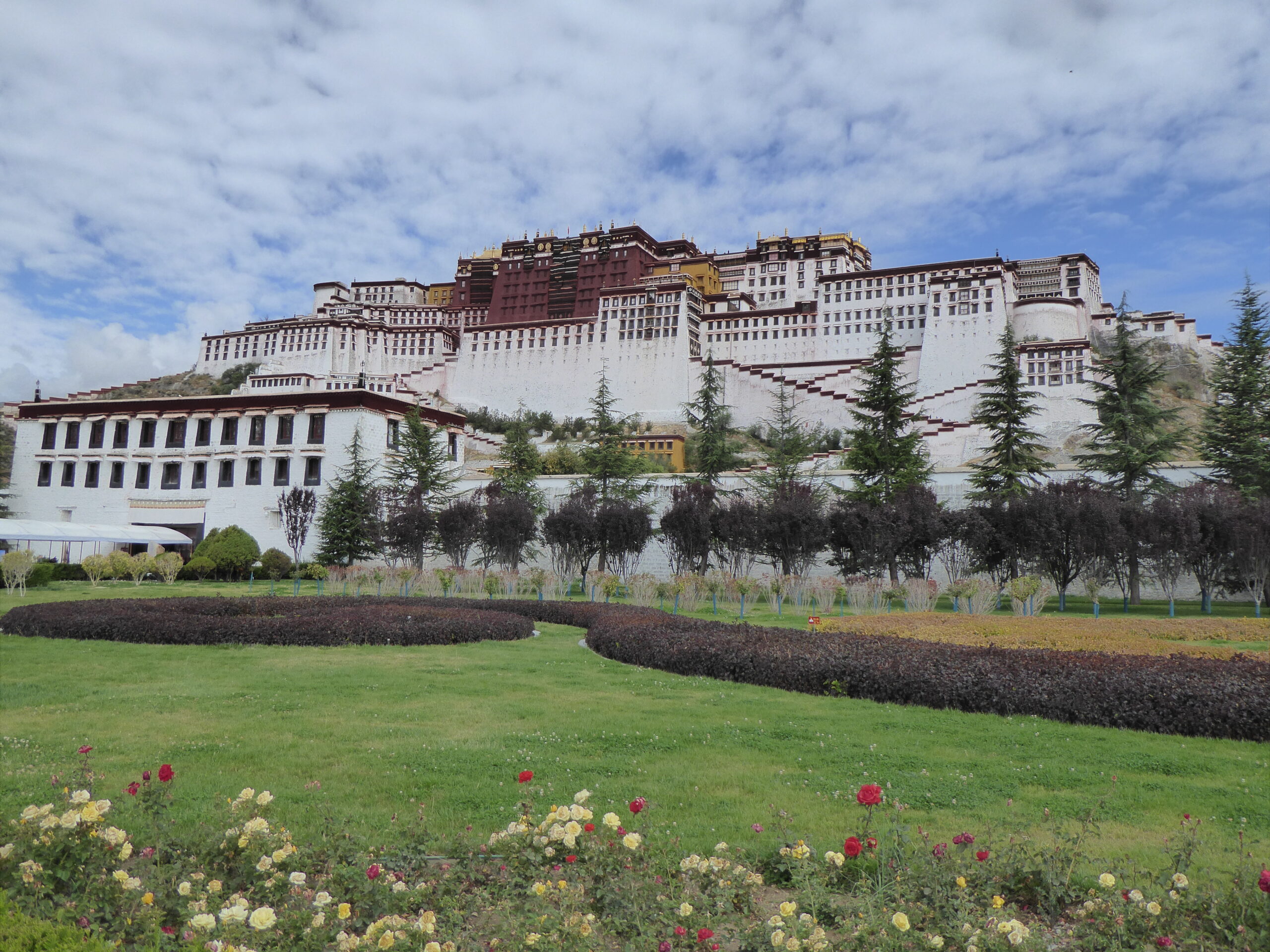
Potala Palace
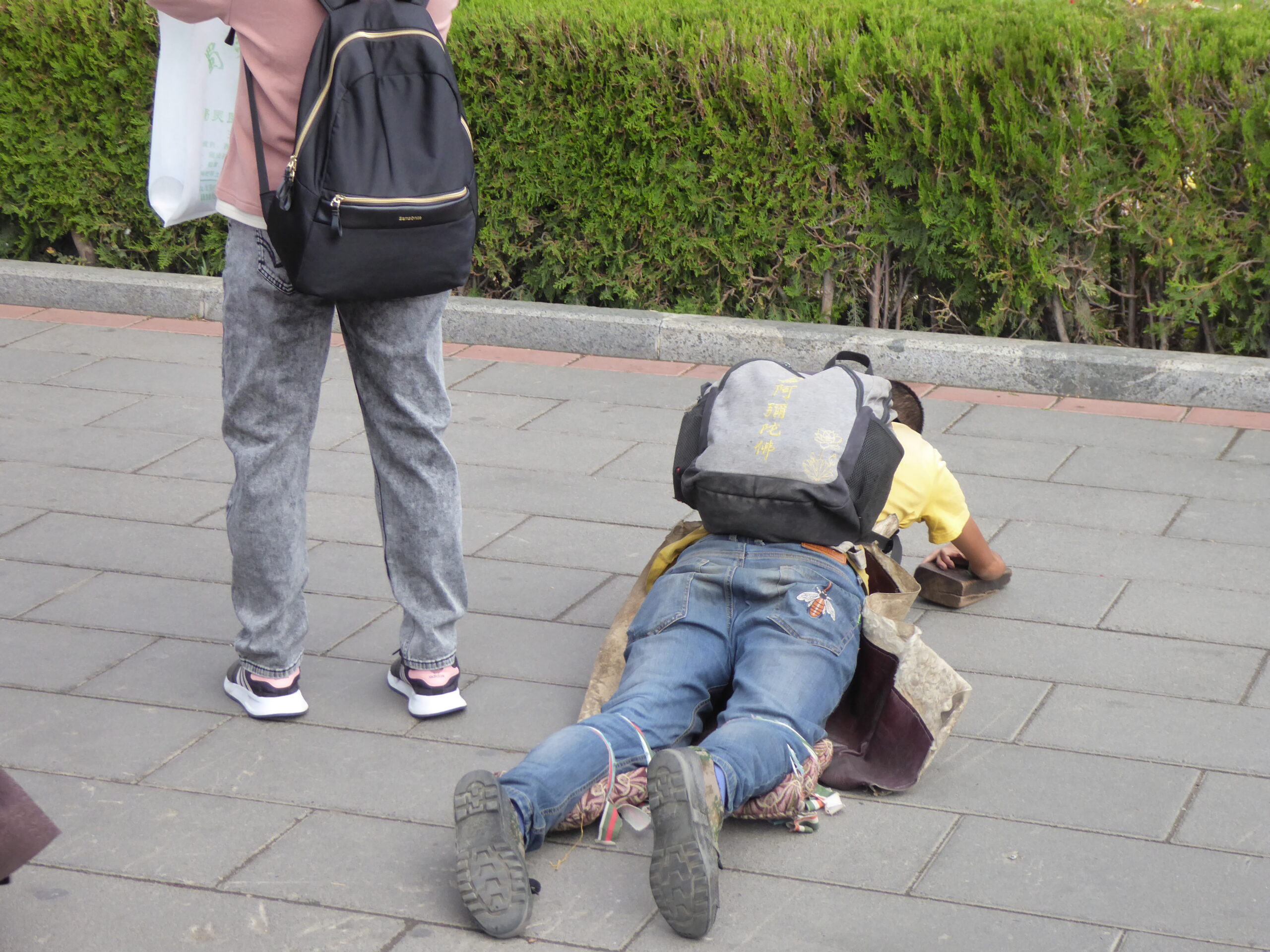
Pilgrim
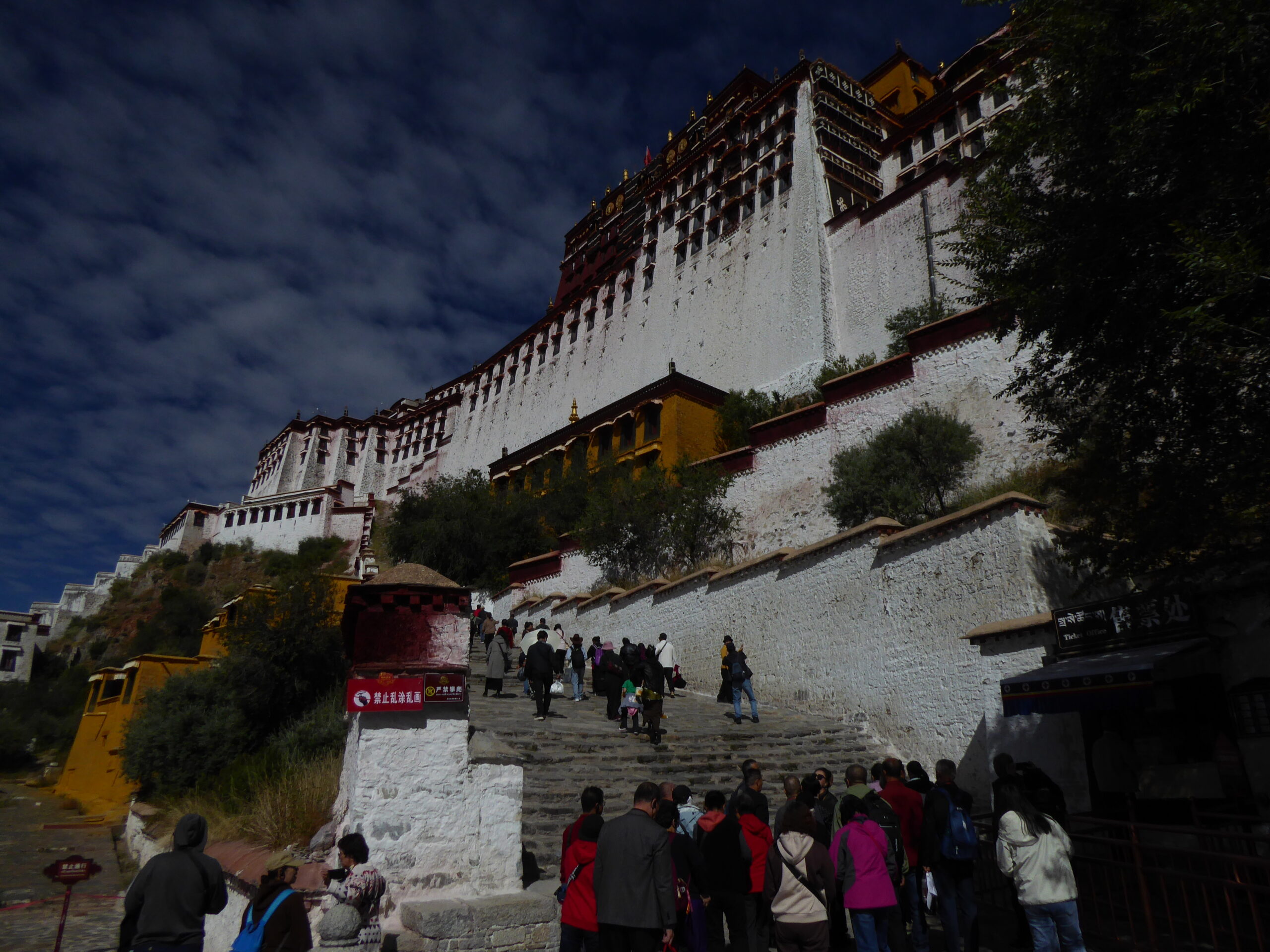
Potala Palace
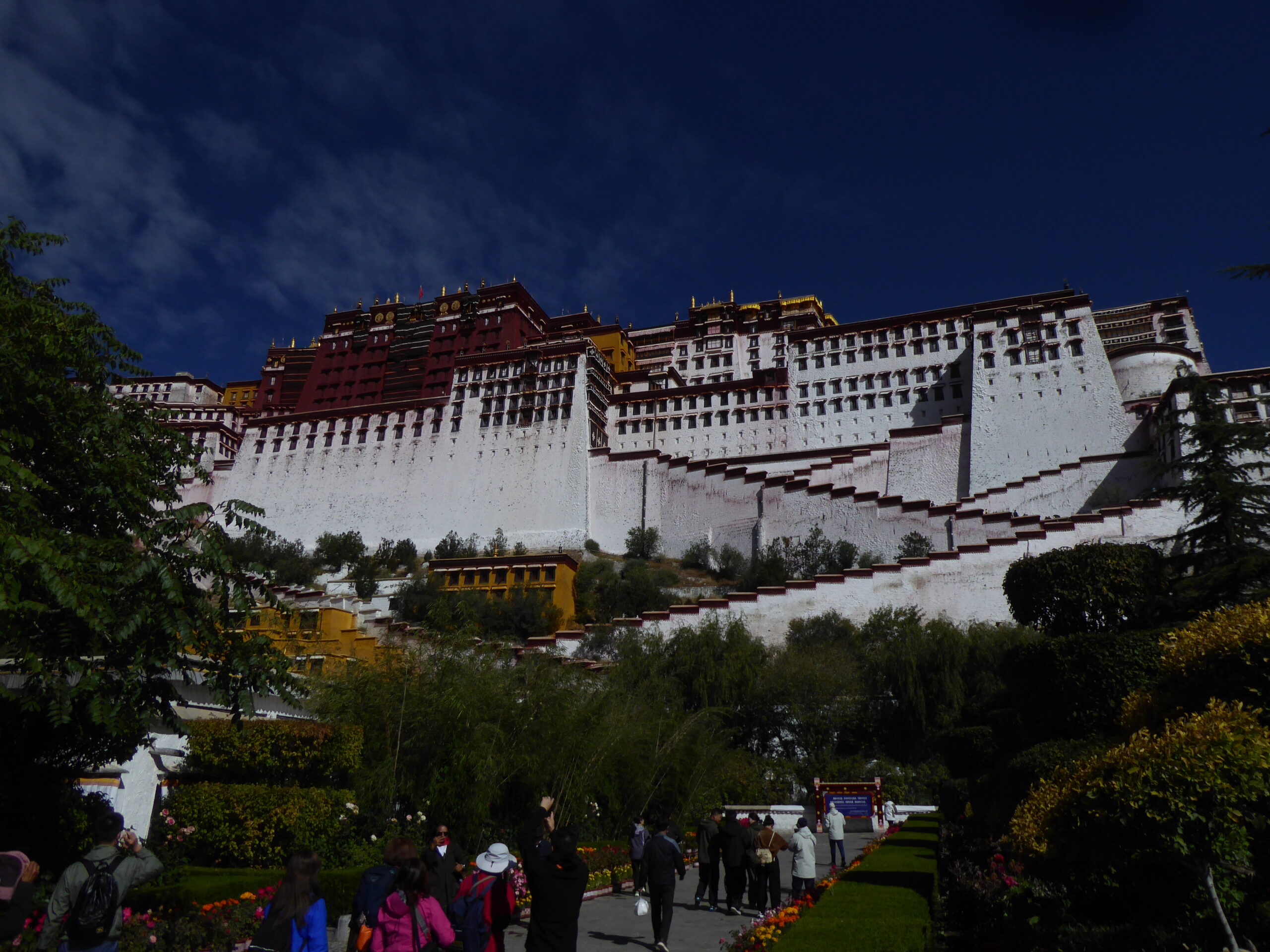
Potala Palace
Arriving at the British Embassy, the passport was ready but I was told I had now to get a visa in the temporary passport (cost £100 and valid for one journey only). At the visa centre I was asked why I wanted to leave and told there was a 7 day processing time and a 7 day National holiday starting in a couple of days – say 3 weeks all told. This wasn’t looking good so I figured I would go back to Chengdu where I had arrived – they would have full details of my visa, plus I had a booked flight plus maybe they’d not be so strict and perhaps our guide was right that the police report was my “get out” card. In Chengdu I arrived in good time and got all the way to the departure Lounge, having gone through Immigration with no fuss and was relaxing with a cup of tea, thinking that this would work……when an airline official arrived and said Immigration would like a word with me. I answered a few questions and went back to my tea when I was again approached and taken right back to the airport entry hall. I was told that “our leaders have said that you must have a visa in your passport” and also that the man’s boss was very angry that I had taken up so much time. I was given the address of the nearest visa centre (not Chengdu) – but when the taxi got there – closed! Try again tomorrow. The driver found me a very nice hotel with marble pillars and reasonably cheap (definitely not on the tourist trail!). Next day I turned up and was told it was the wrong office and to go 1 km down the road. This was the right office but communication was difficult so I phoned the China guide who had what seemed to be a very animated conversation and the upshot was….they could not issue visas and I must go back to Chengdu! Back in Chengdu I was told the same 7 days story but really didn’t fancy an extra 3 weeks in China. Not only would I be completely on my own but Allison was already worked up about my predicament. Only one card left to play. I told the lady I was an old man (true) and all my group/friends had already left for home so I was all alone (true). Ok come back 4pm tomorrow!! But first she wanted to see my flight booking to ensure I was actually going to leave. Of course my flight had been and hone and no refund possible but booking.com did the necessary so that was all ok then? Not exactly. I see you’ve in Tibet may I see your Tibet travel permit. I didn’t have that so I texted the Tibet guide to send me a copy – which he did….on WhatsApp. What is banned in China? Yes WhatsApp! Fortunately the lady passed on that so an exit was possible. After a few more misunderstandings I finally got home only 3 days late. Moral-don’t ose your passport and whatever you do, don’t lose it in China and most certainly not in Tibet!
To Be Continued
Technicalities
The trip required preparation – from our end: Chinese visas, altitude insurance (our standard policy stopped at 4500 metres) but we would be going 1,000 metres higher, the balance between warm and cold weather clothing (Everest base camp could be cold but Chengdu was 38°/40°), arranging an E-Sim and a VPN (virtual private network), flights, London – Chengdu return and a single flight from Lhasa to Chengdu, plus the usual airport transfers, car parking, dogs into kennels, cash and credit cards – the list went on and was longer than usual and the arrangements continuously changed. For example we were told that anyone over a “certain age” had to take a Chinese driving test which would occupy our first day in Chengdu so there wouldn’t be time to see the pandas – and who would go to Chengdu and not go to see the pandas? So we booked an early return from Lhasa to Chengdu to see pandas but then our driving licences were arranged so we cancelled the early flight to have longer in Lhasa.
Then Allison was too ill to travel so I went alone, cancelling her flights, then the airport taxi didn’t arrive – “sorry we forgot” – so a rush to arrange 3 weeks airport parking and an unexpected drive to Heathrow.
Adrian had arranged Chinese Sim cards for us and helped set up the VPN so we could use WhatsApp for easy communication – but its banned in China so the VPN hides your location. We were told we had to use a Chinese phone app called WeChat (similar to WhatsApp) which had a payment feature as credit cards were not commonly used, the majority of payments being by phone. Being old fashioned I wanted some cash – the hotel didn’t have any and the local ATM promptly swallowed my card! I thought about going to the bank the next day but as the card was in Allison’s name, I decided that would require a lot of explanation so bye, bye card! Then my phone died as I exceeded my data allowance when the wifi failed whilst I was calling back to UK. That meant I couldn’t load my credit card onto the WeChat app because I couldn’t access the bank’s pass code – which was sent to my UK phone number……. Fortunately, Allison was able to pay off the mobile bill, Alastair had a spare phone (as mine couldn’t take 2 physical Sim cards) and a few days later I was back in operation. Too many dominoes!
Navigation is much easier when there’s a driver and a navigator in the car as I found out when I messed up a motorway intersection and was 20 minutes late for lunch. We had been given 3 mapping options:
• Guru maps which showed the track to follow but not speeds or instructions at junctions but it did show the “deviations” which Adrian liked to follow,
• AMaps, like a Chinese version of TomTom but in Chinese. This did show big white arrows at intersections and speeds but not the deviations
• WeMaps which the guides used but served only to confuse everyone else!
Speeding was a concern to us as China has overhead camera gantries all over the place, in towns and on country roads – and twice as many in Tibet as in China. Most flashed at you because you were there irrespective of speed, some were actual speed cameras and others were Average speed – but we weren’t told that till much later and how AMaps could tell us. However Adrian and our China guide were initially relaxed about speeding – foreigners could not collect penalty points so at the end we would be invoiced for the financial penalties and charged the cost of getting people to accept the points – there is a thriving black market in getting others to take your points in China. This relaxed attitude changed abruptly when the first penalty notices started arriving – one at over twice the limit. “Please slow down” a tearful China guide asked us! In the event, I had no penalties, one had £10 and one was about £750. Maybe the cameras were broken!