This was our first trip with Great Road Journeys; we had booked for 2026 but whilst in Romania we had an email from Steve saying there was a cancellation for 2025 and would we like to go – so we did!
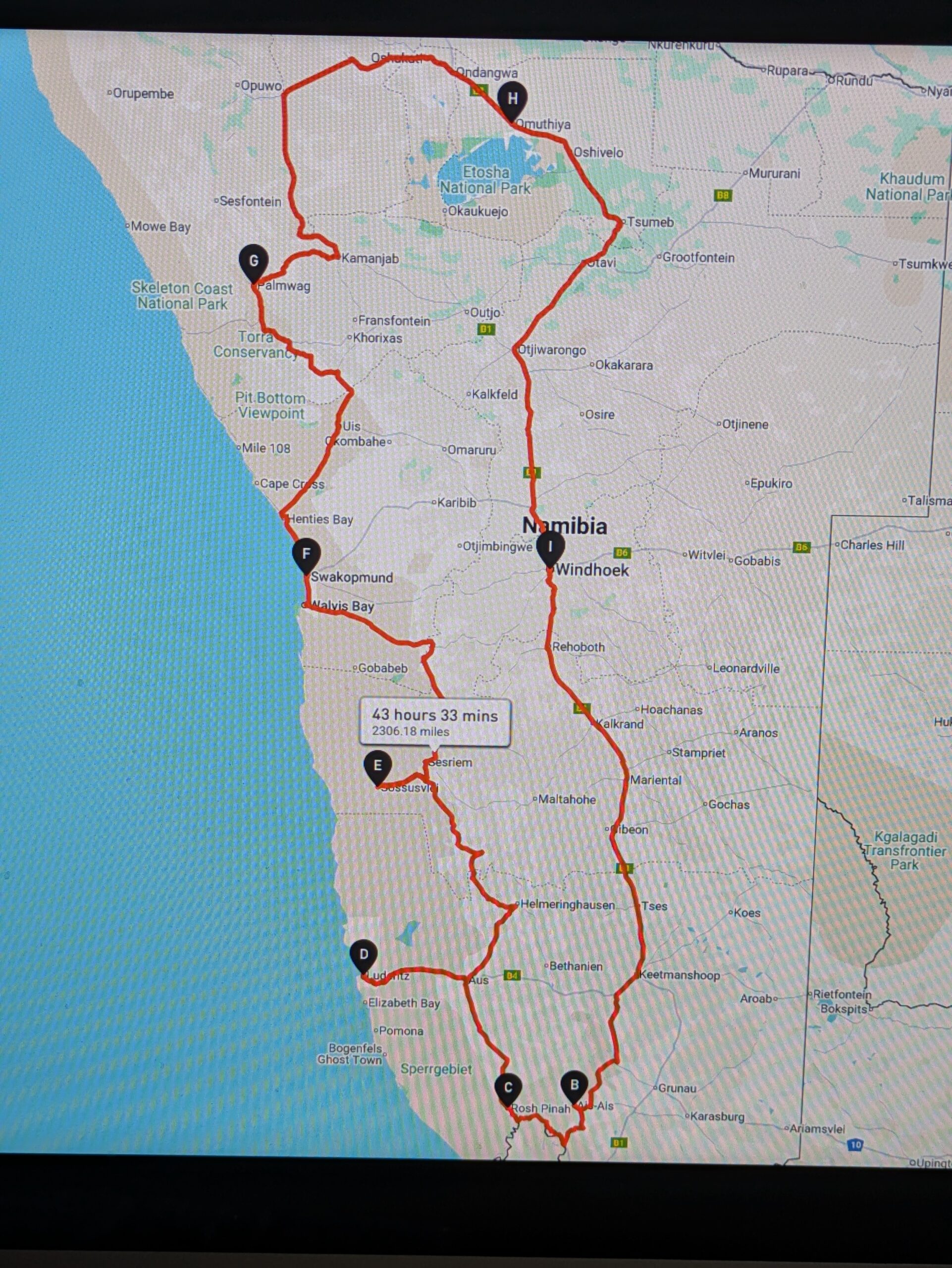
The Route
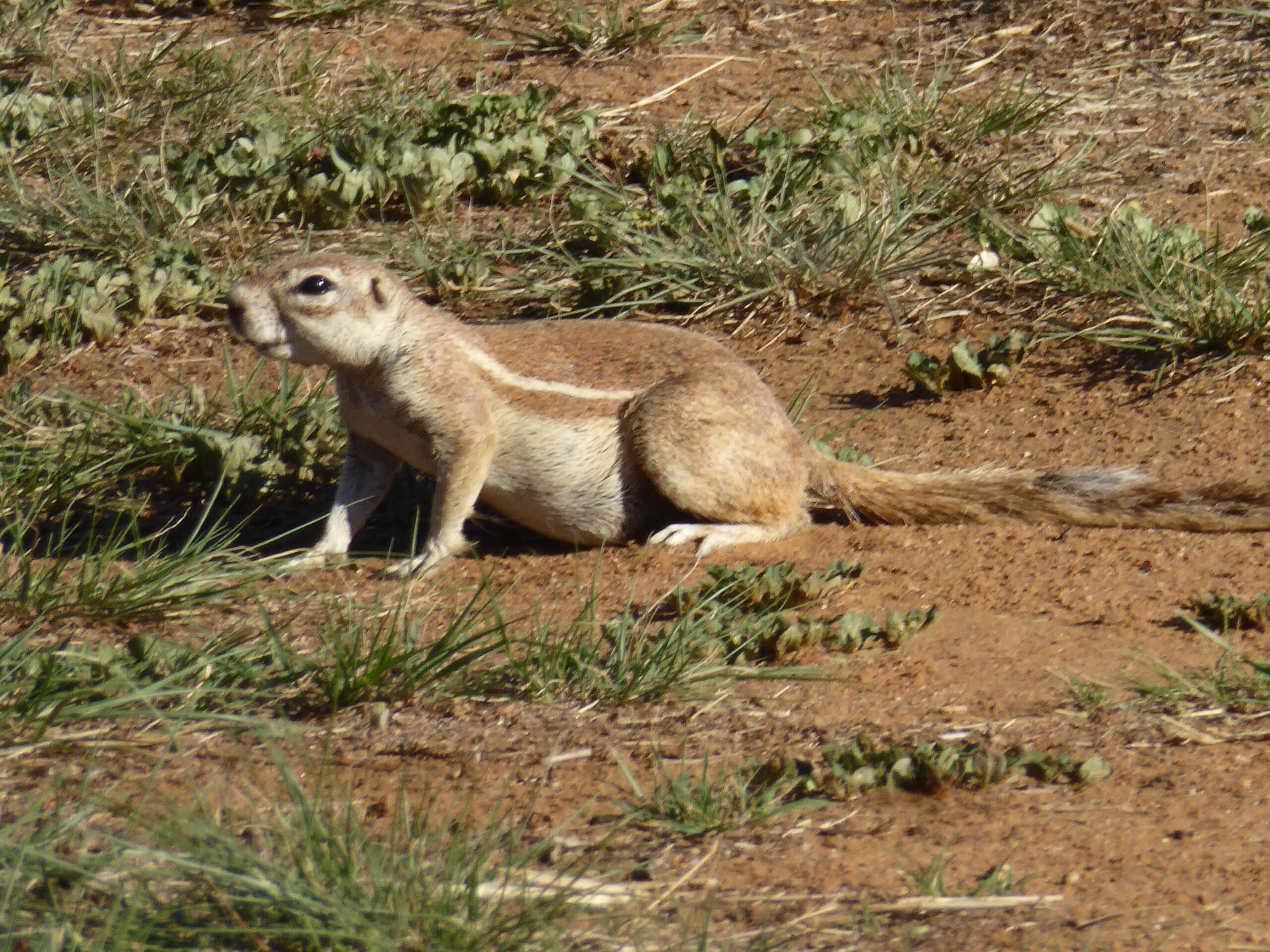
At Windhoek hotel
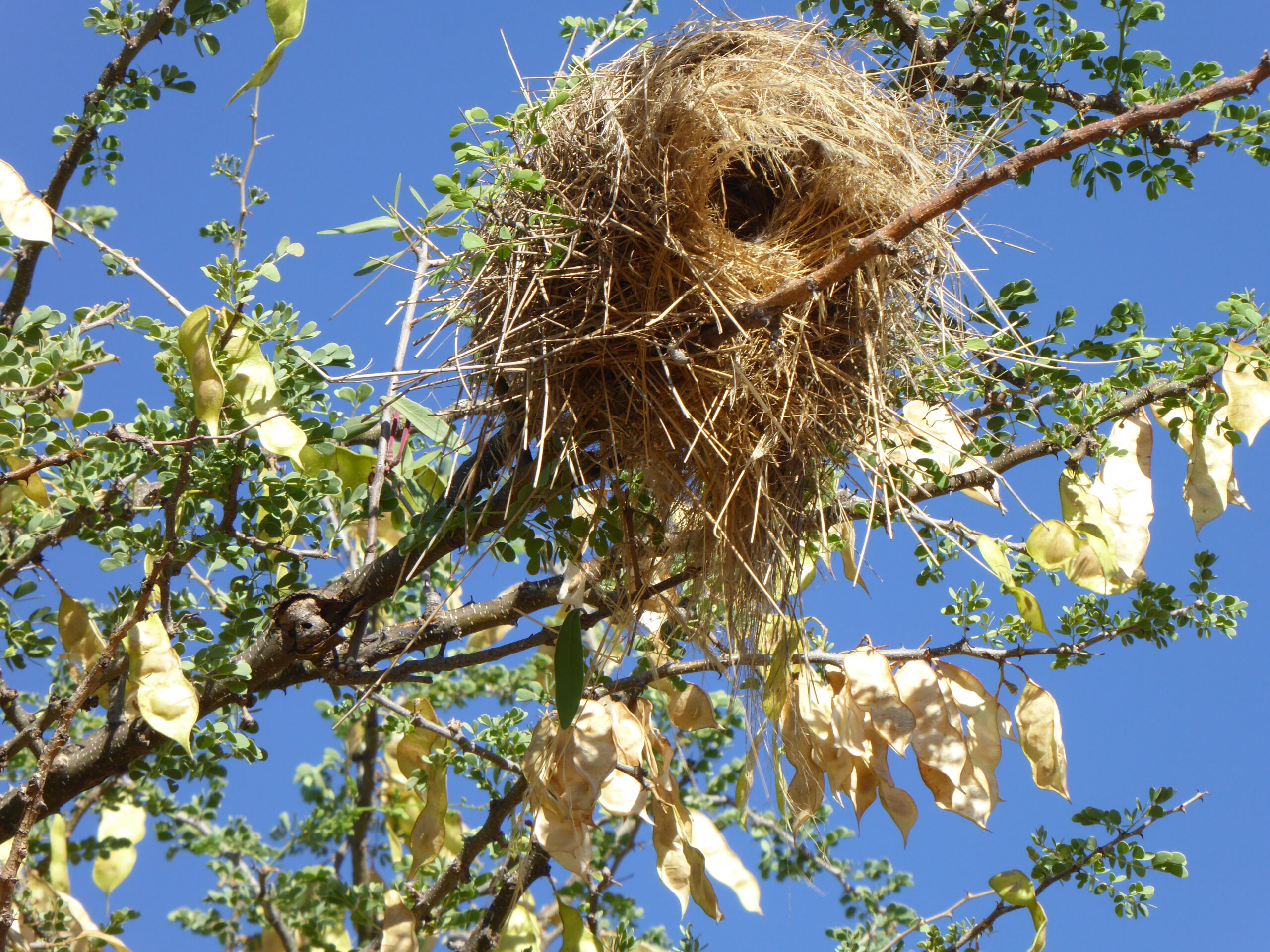
Nest at Windhoek hotel
The first day saw us start in a local supermarket, primarily to buy water but also any snacks or lunches we might want. Then a fairly gentle drive to a game park just north of Mariental – and a load more instructions on the use of 4WD and the penalties we might incur if we left 4WD engaged for too long! Each car had been equipped with a tool bag including a length of tow rope and
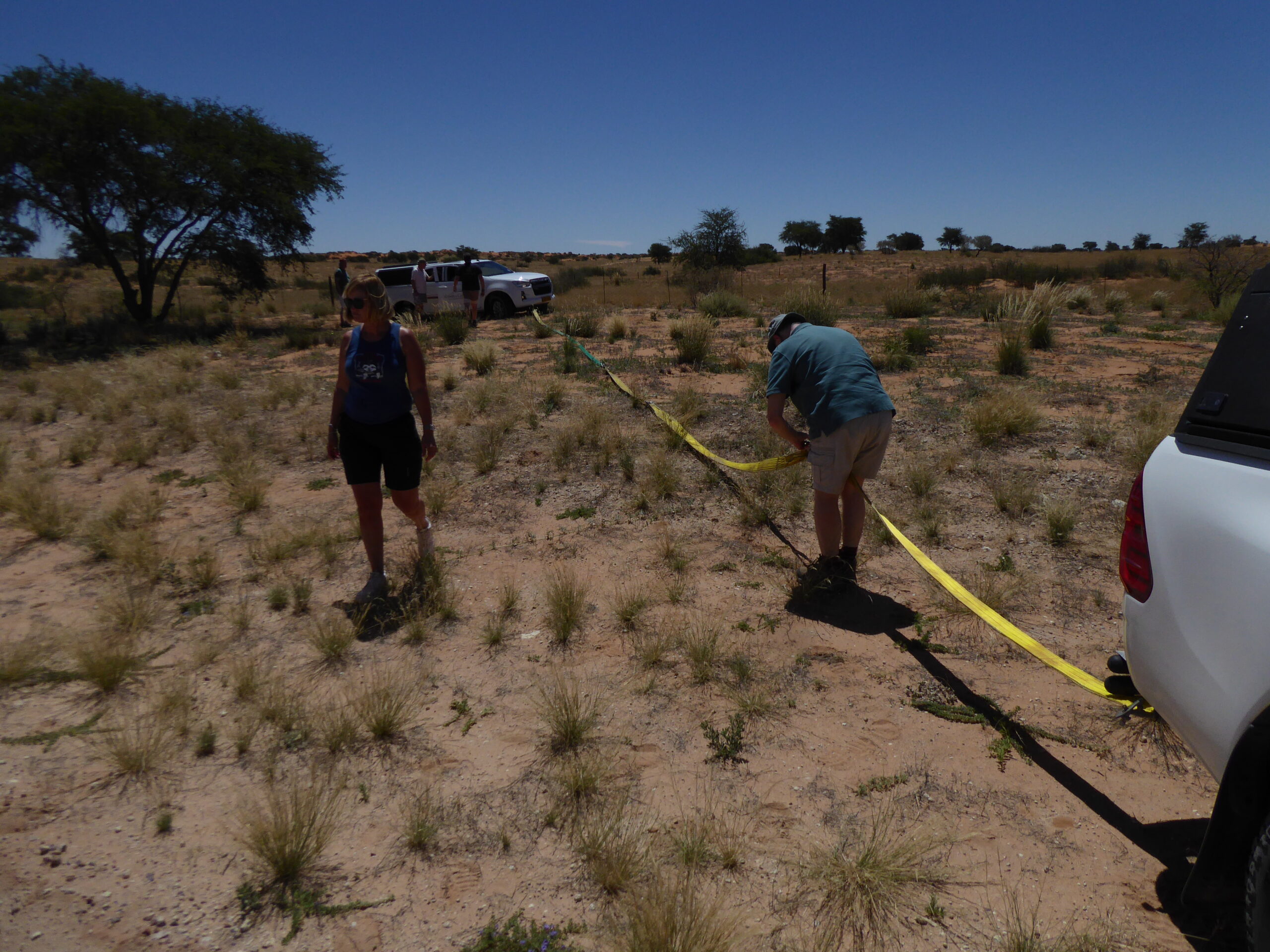
Stuck at lunch
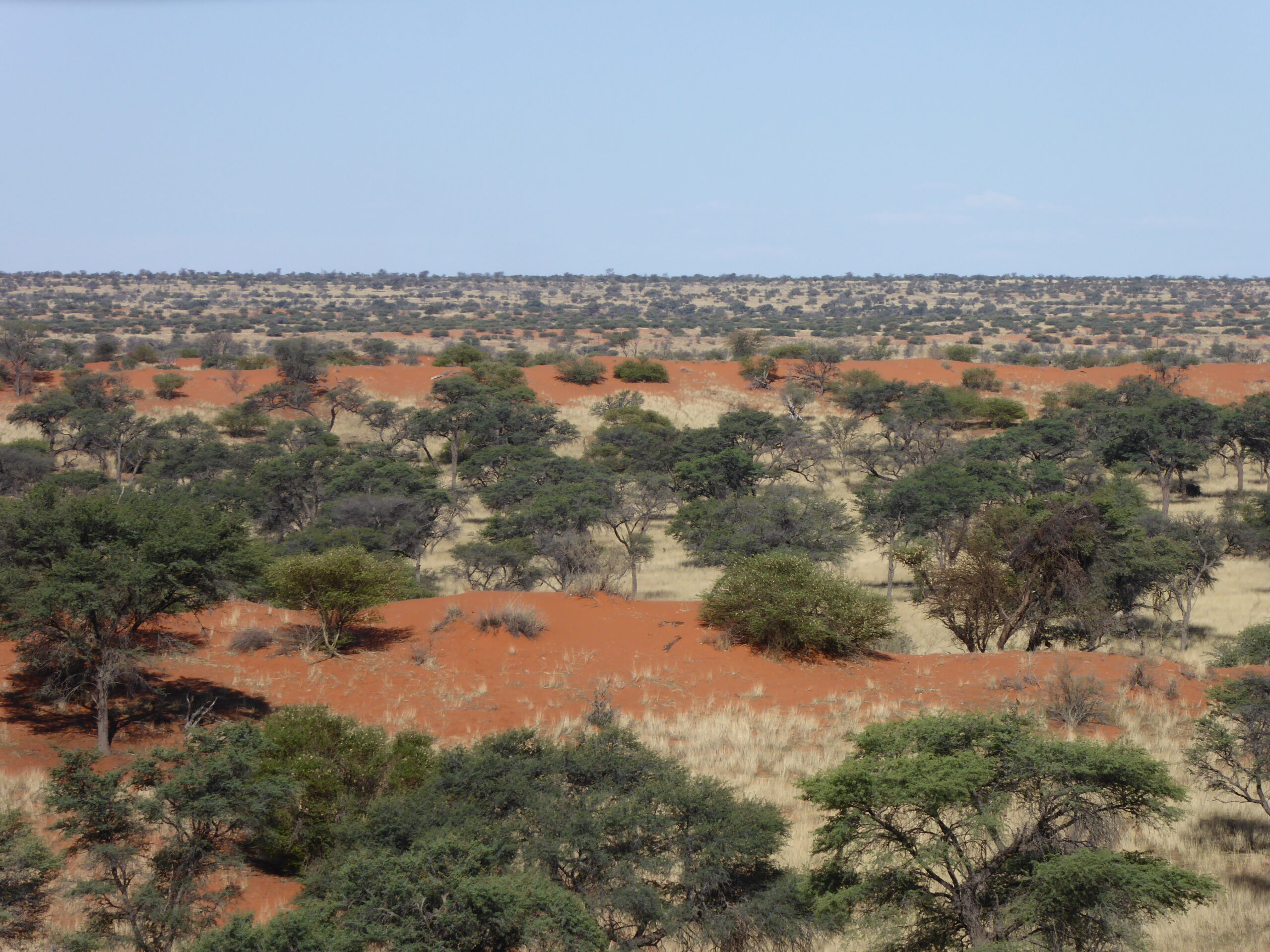
Landscape
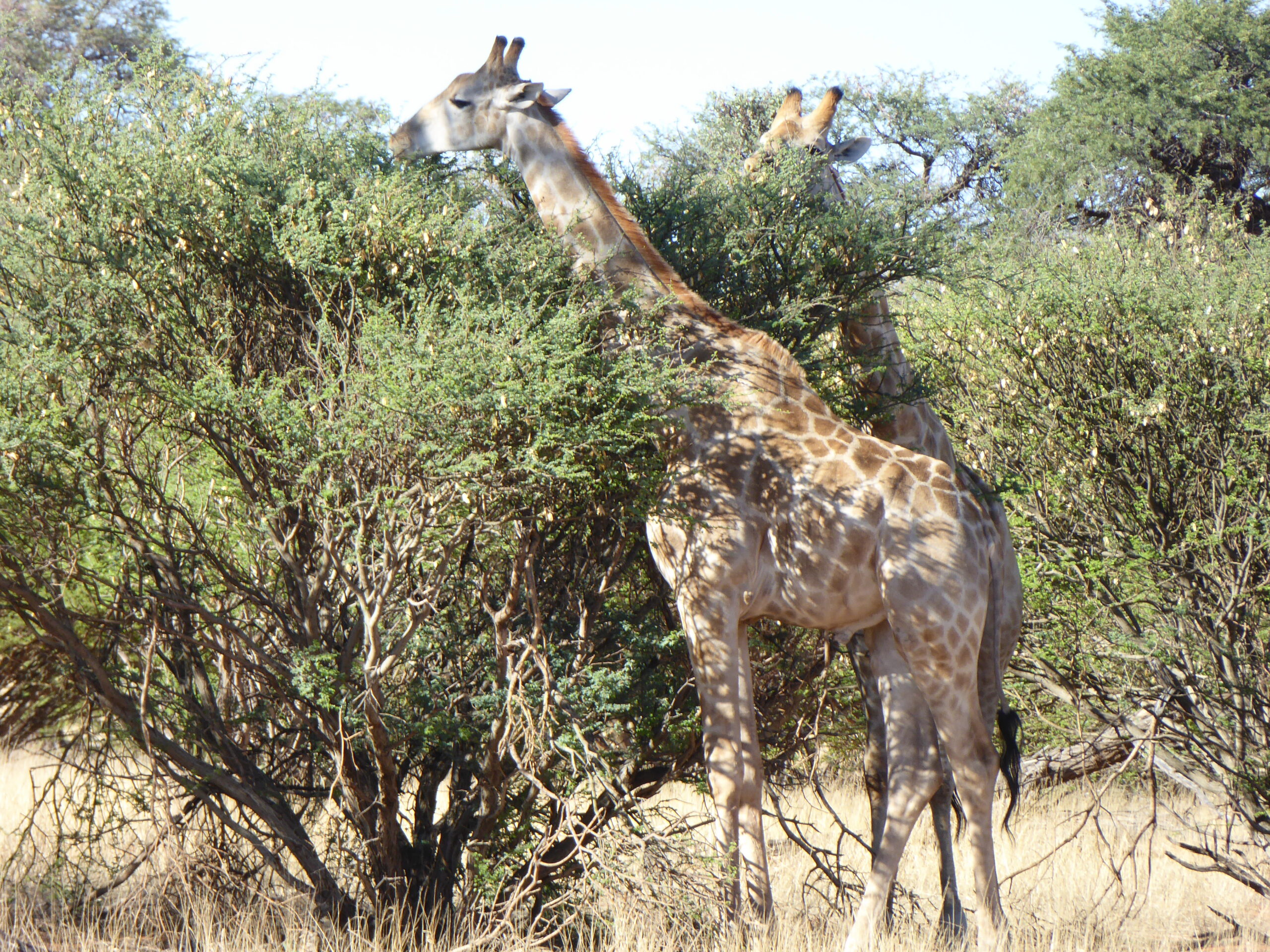
Two giraffe
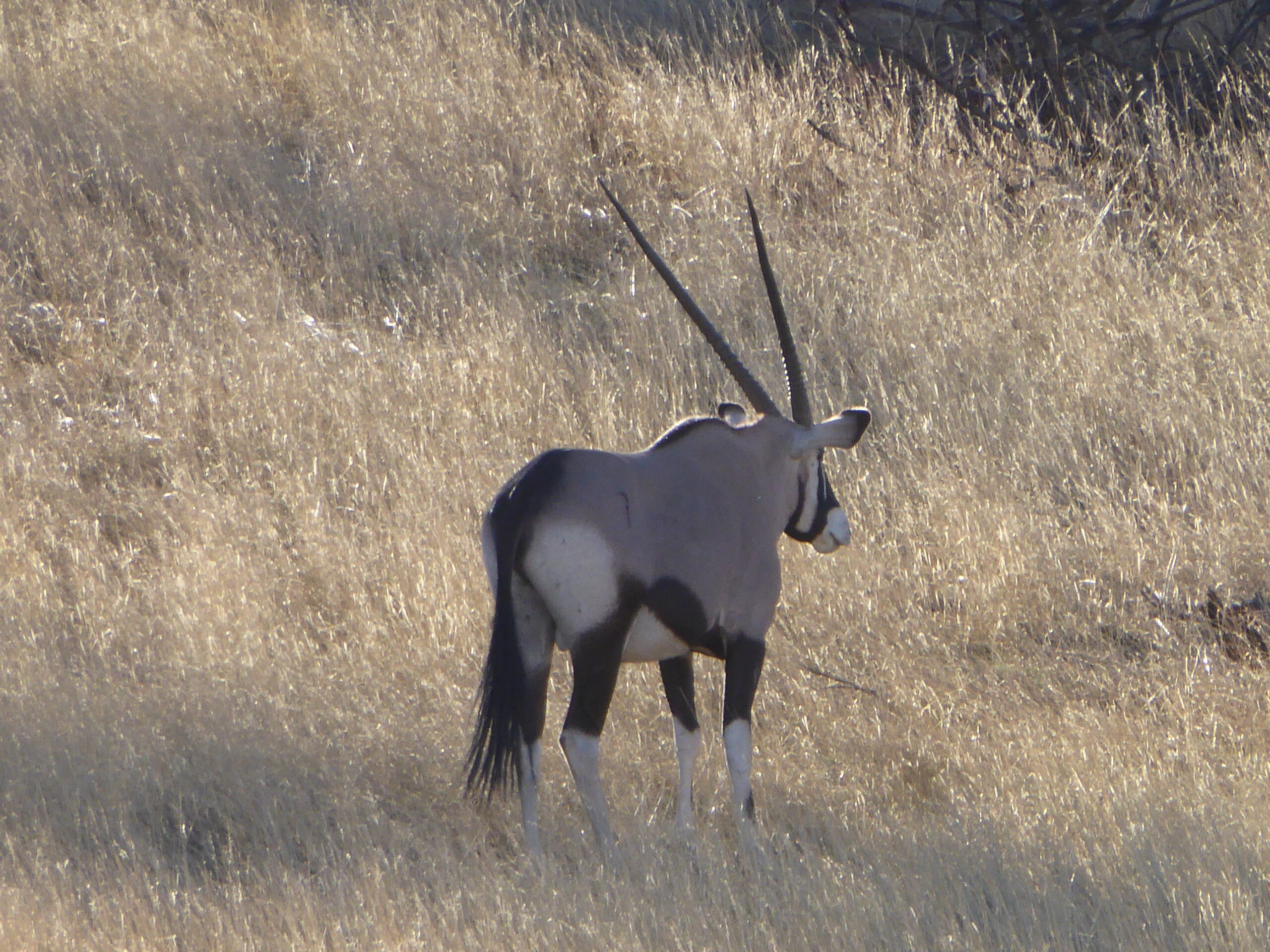
Shy Oryx
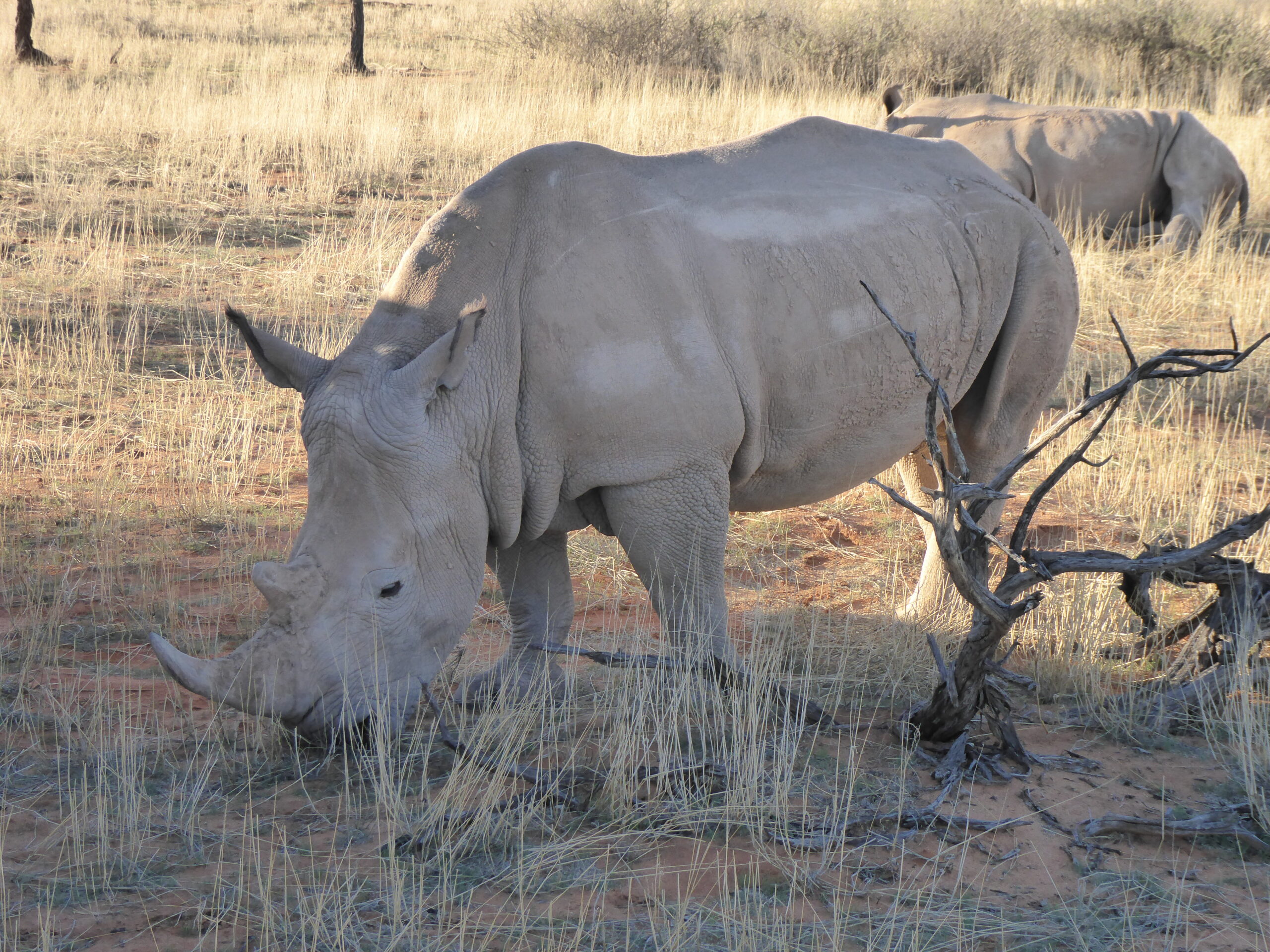
Rhino
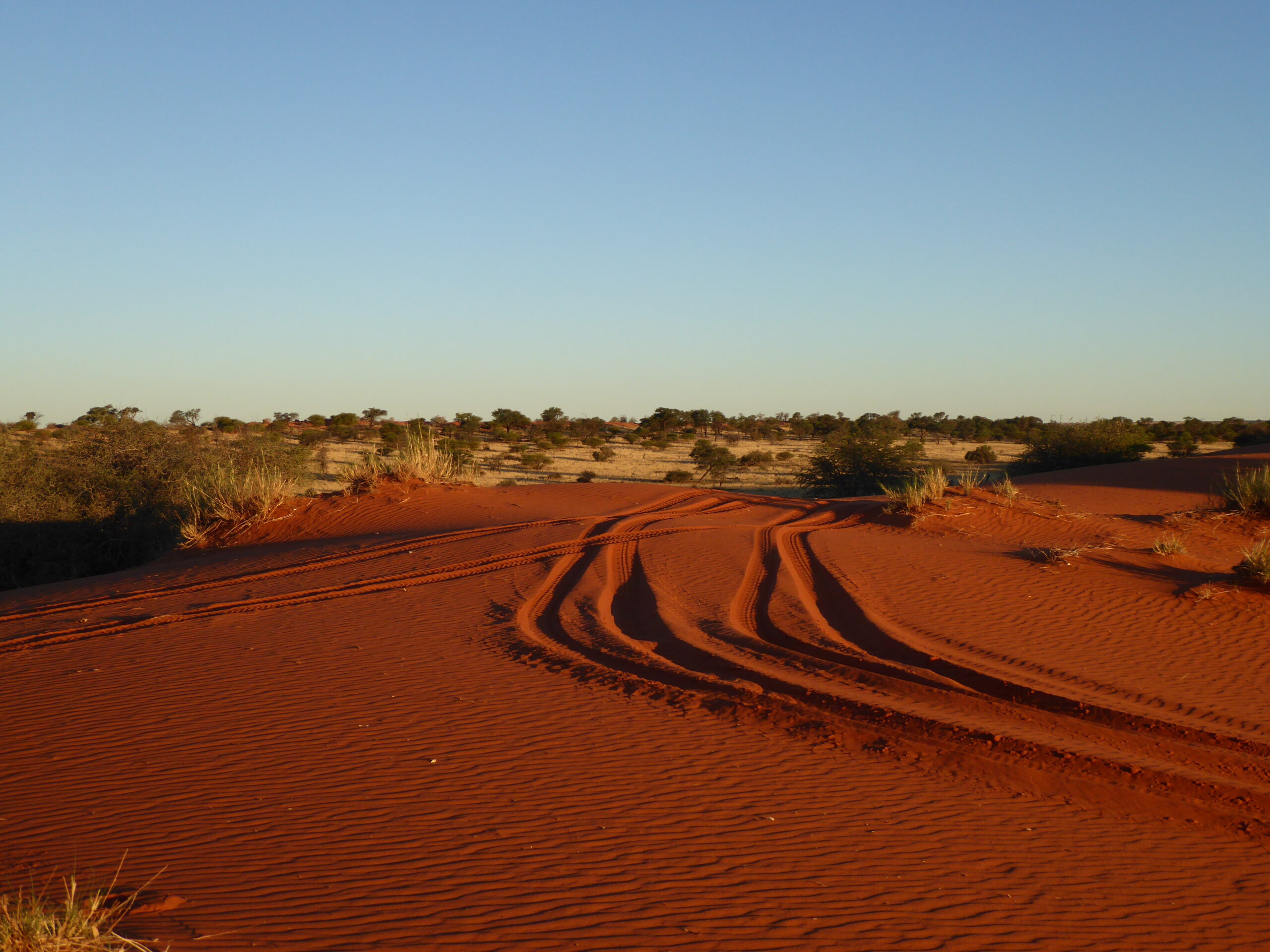
Red earth
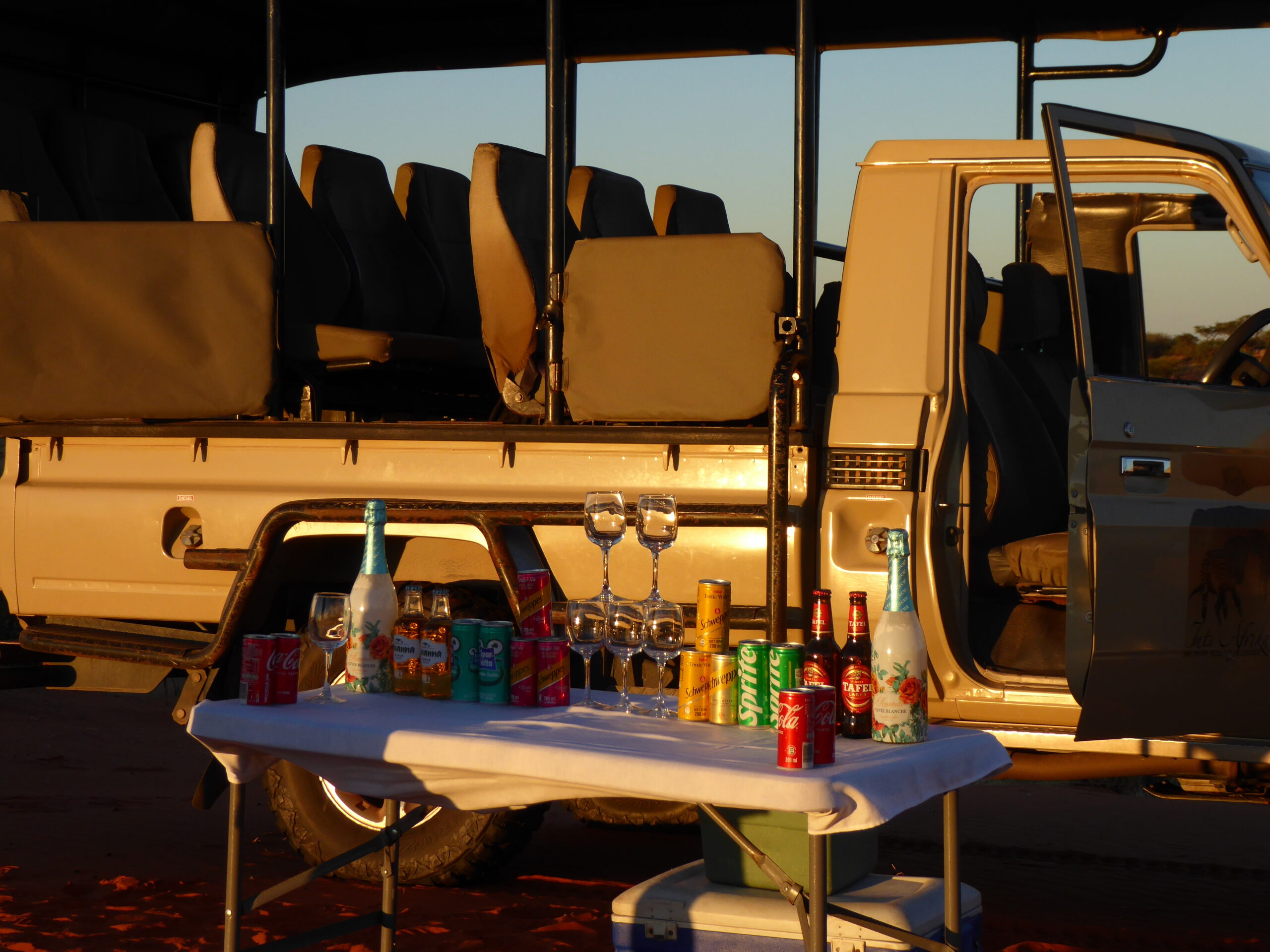
Drinks Table
We continued south with an overnight stop at near Fish River Canyon. First stop was an oddball coffee stop at Garas Rest camp with all sorts of junk art
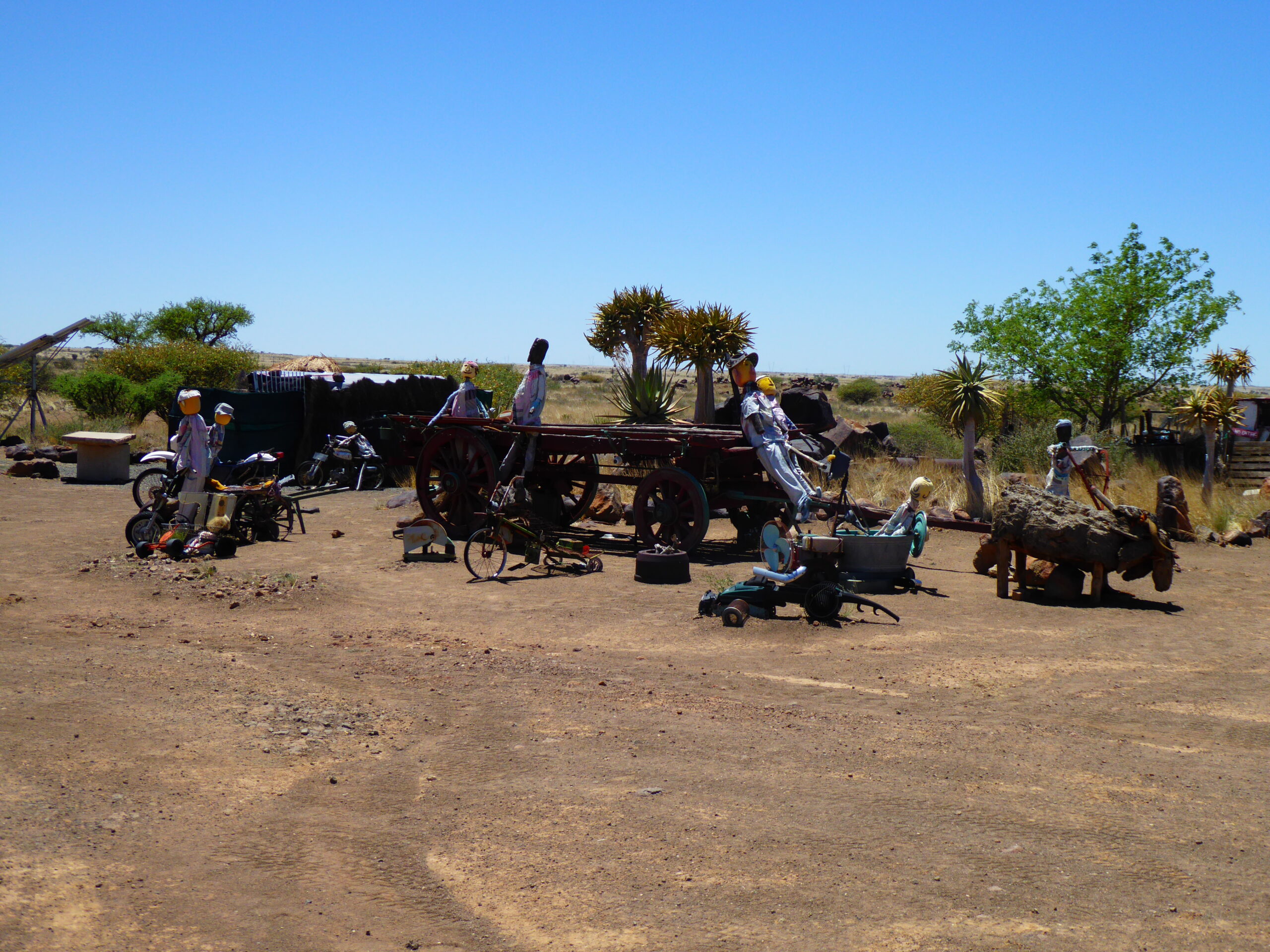
Garas rest camp
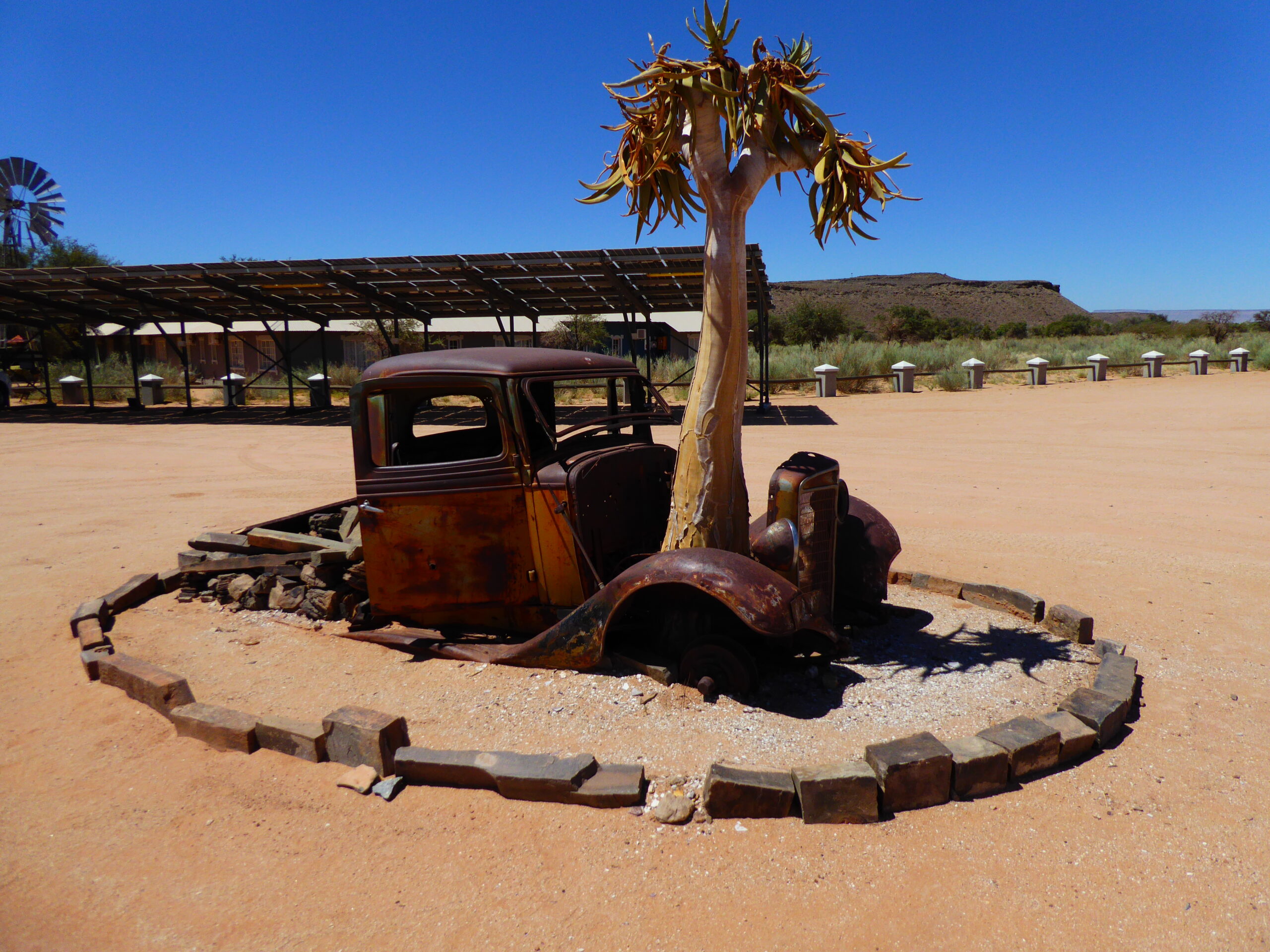
Canyon Rest Camp
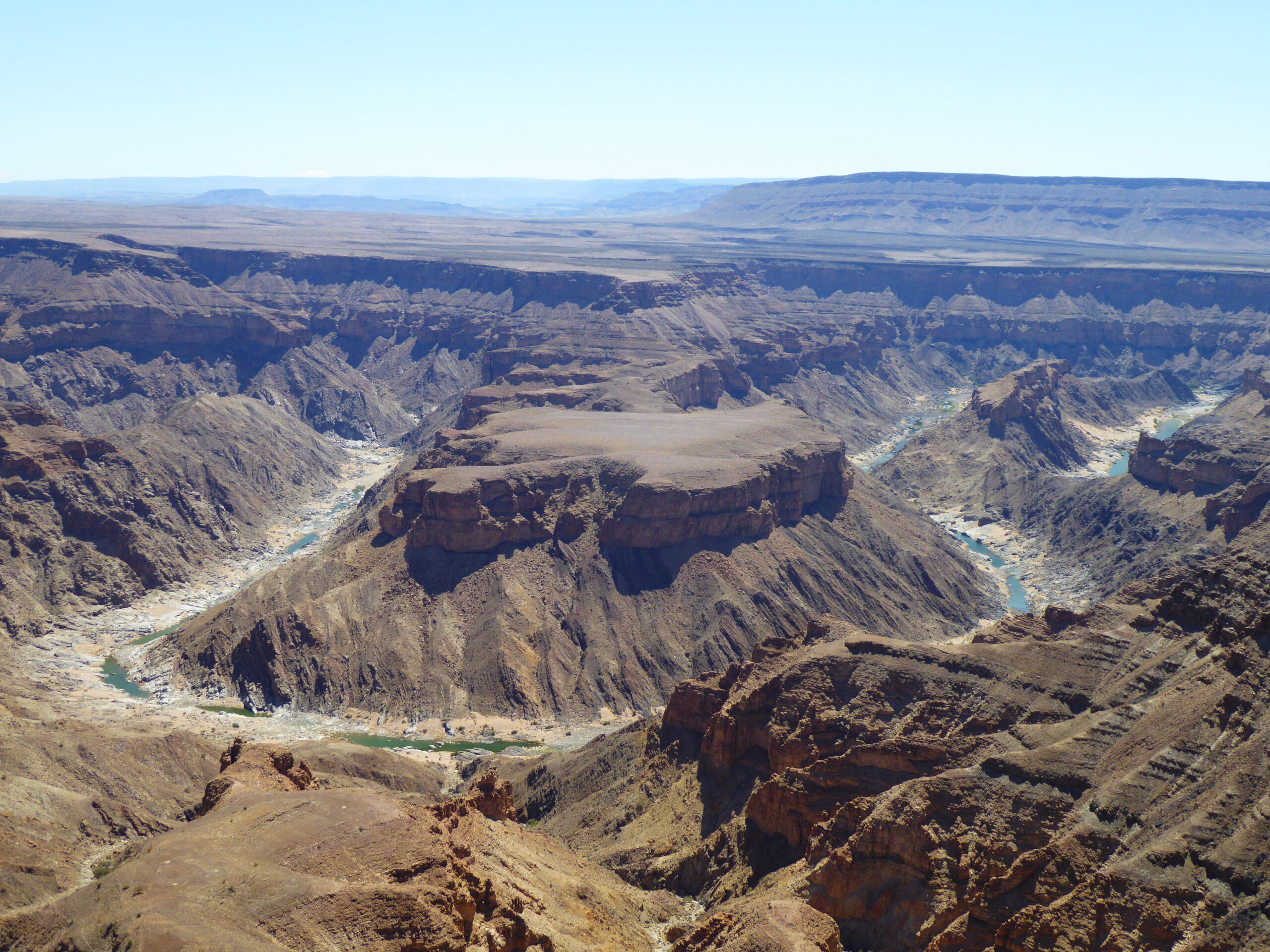
Fish River Canyon
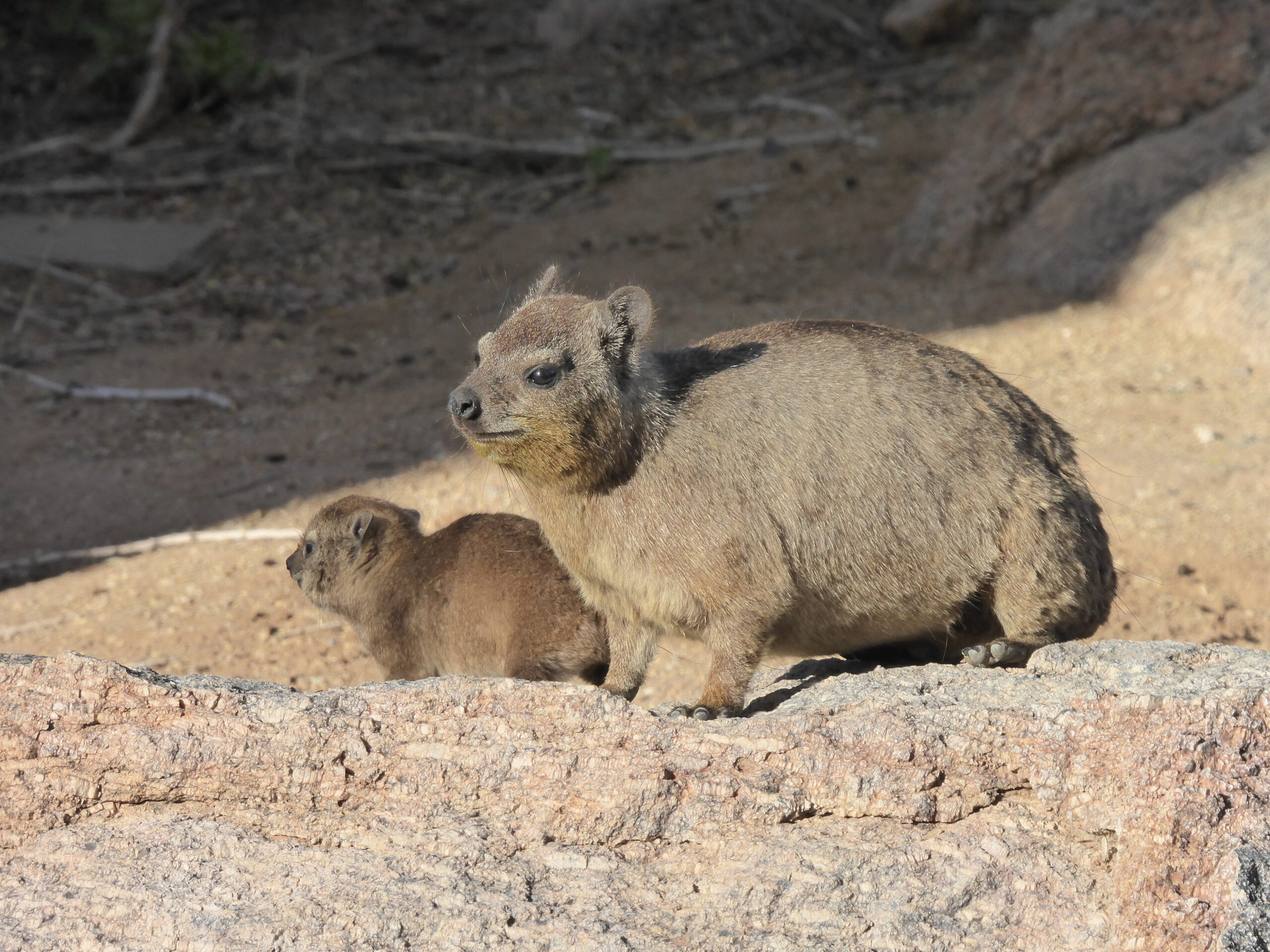
Rock Dassie at Canyon Lodge
Now nearly at our furthest point south, after the arid waste near Fish River we meet the relative greenery of Orange River.
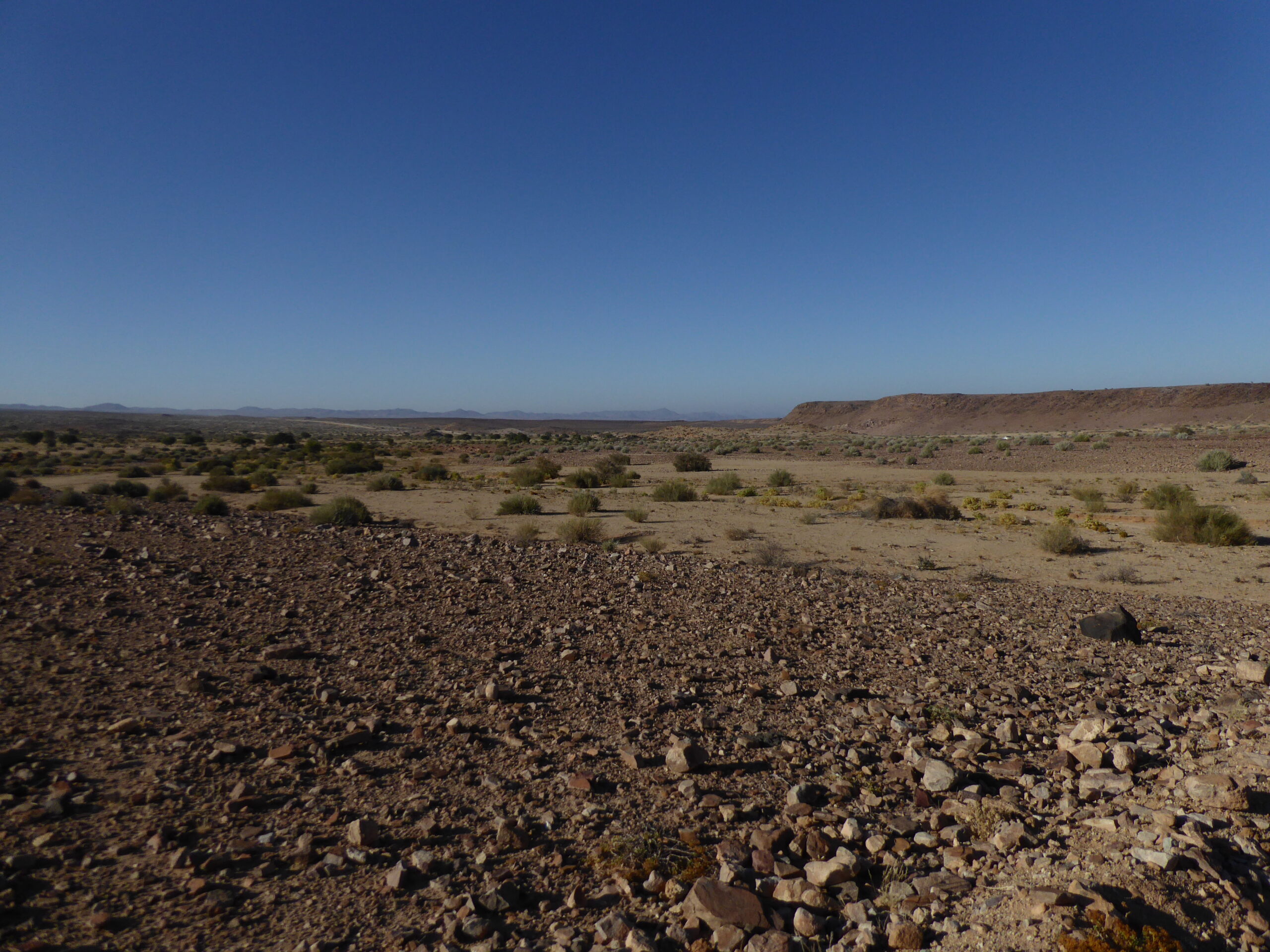
Leaving Fish River area
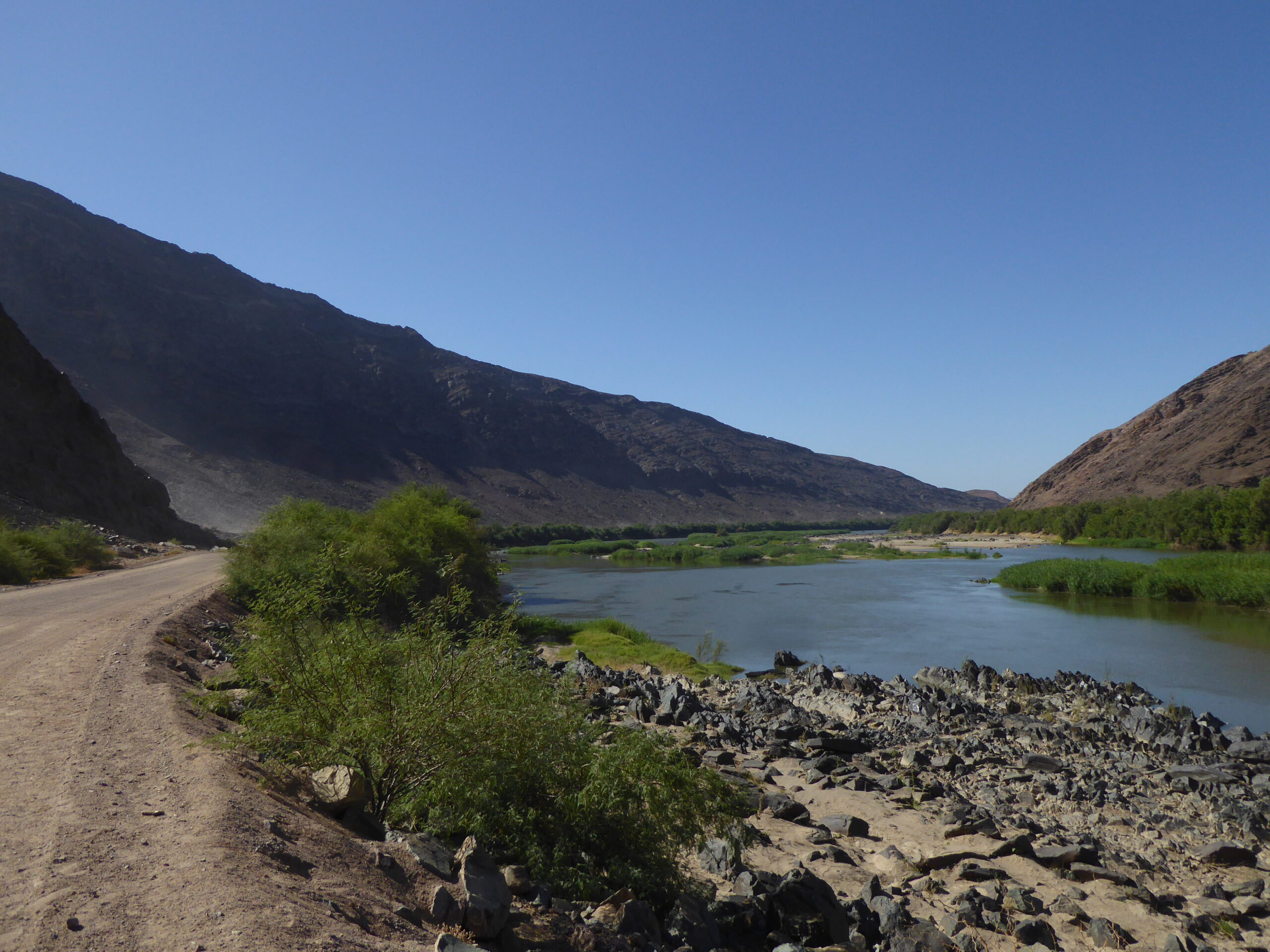
Orange River
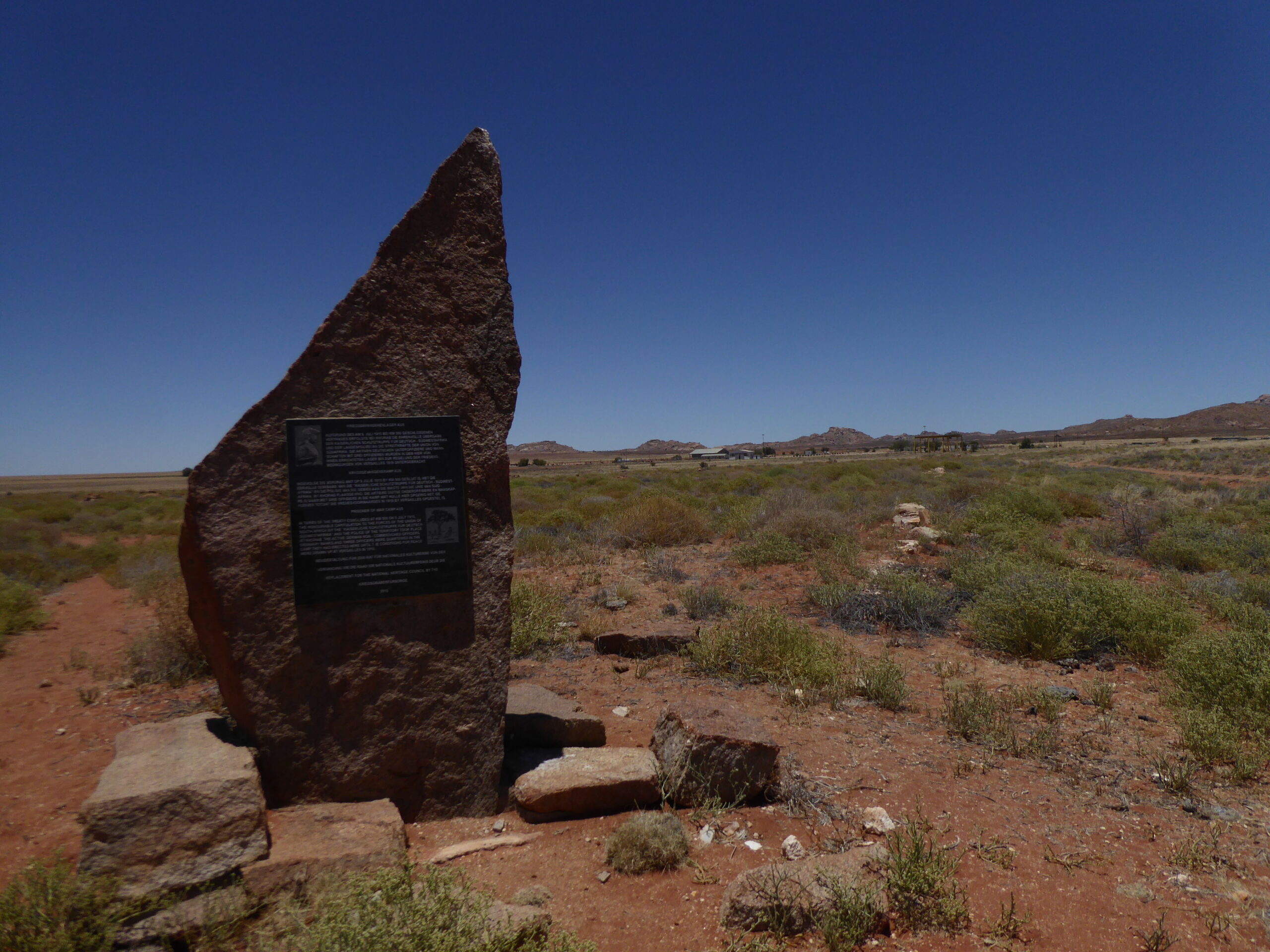
Memorial plaque at Aus POW camp
An early start for our visit to the deserted diamond mining town of Kolmanskop. Once the richest place in the country, it was abandoned in c.1955 when the water supply was switched off
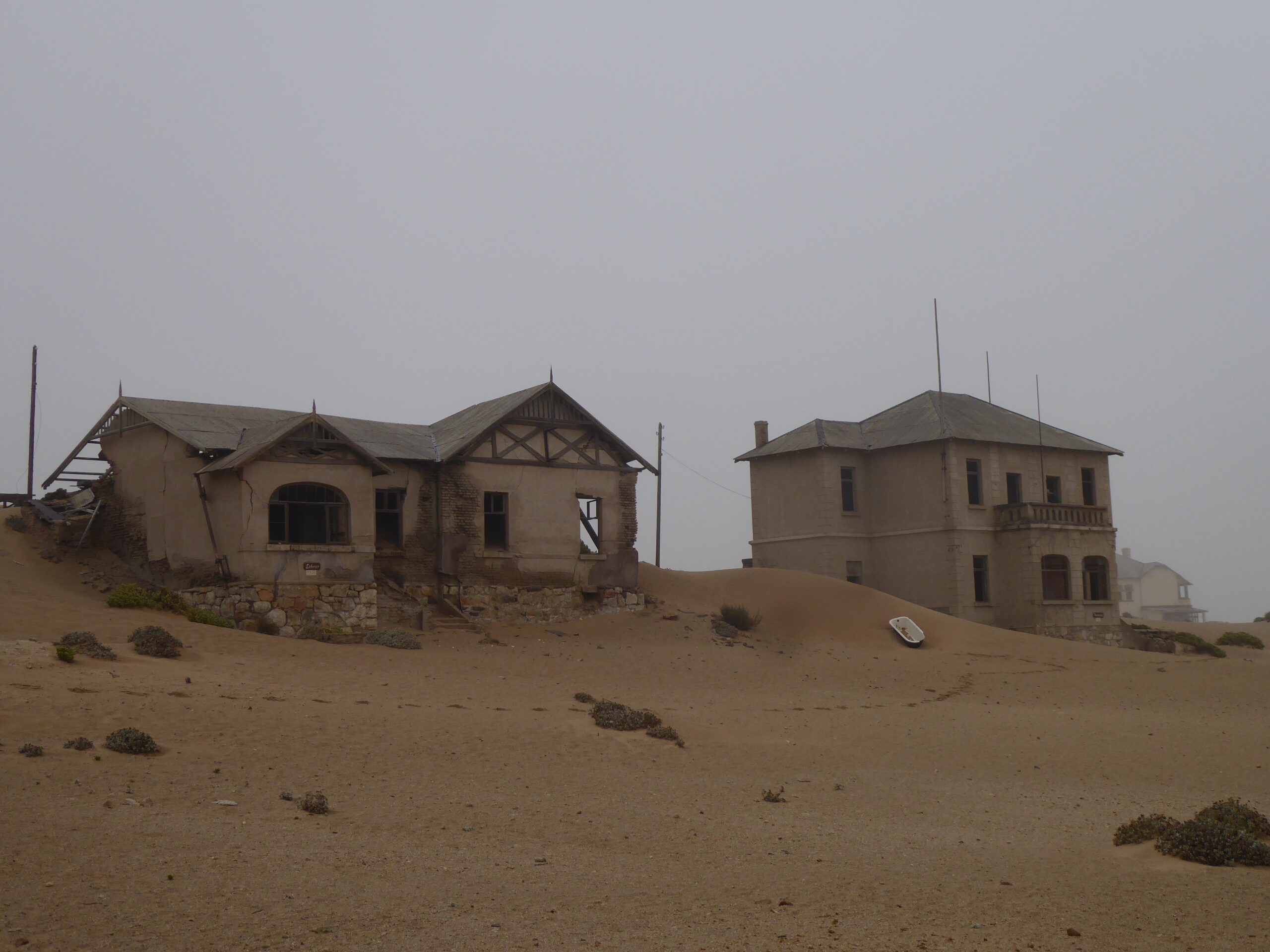
Managers’ houses at Kolmanskop
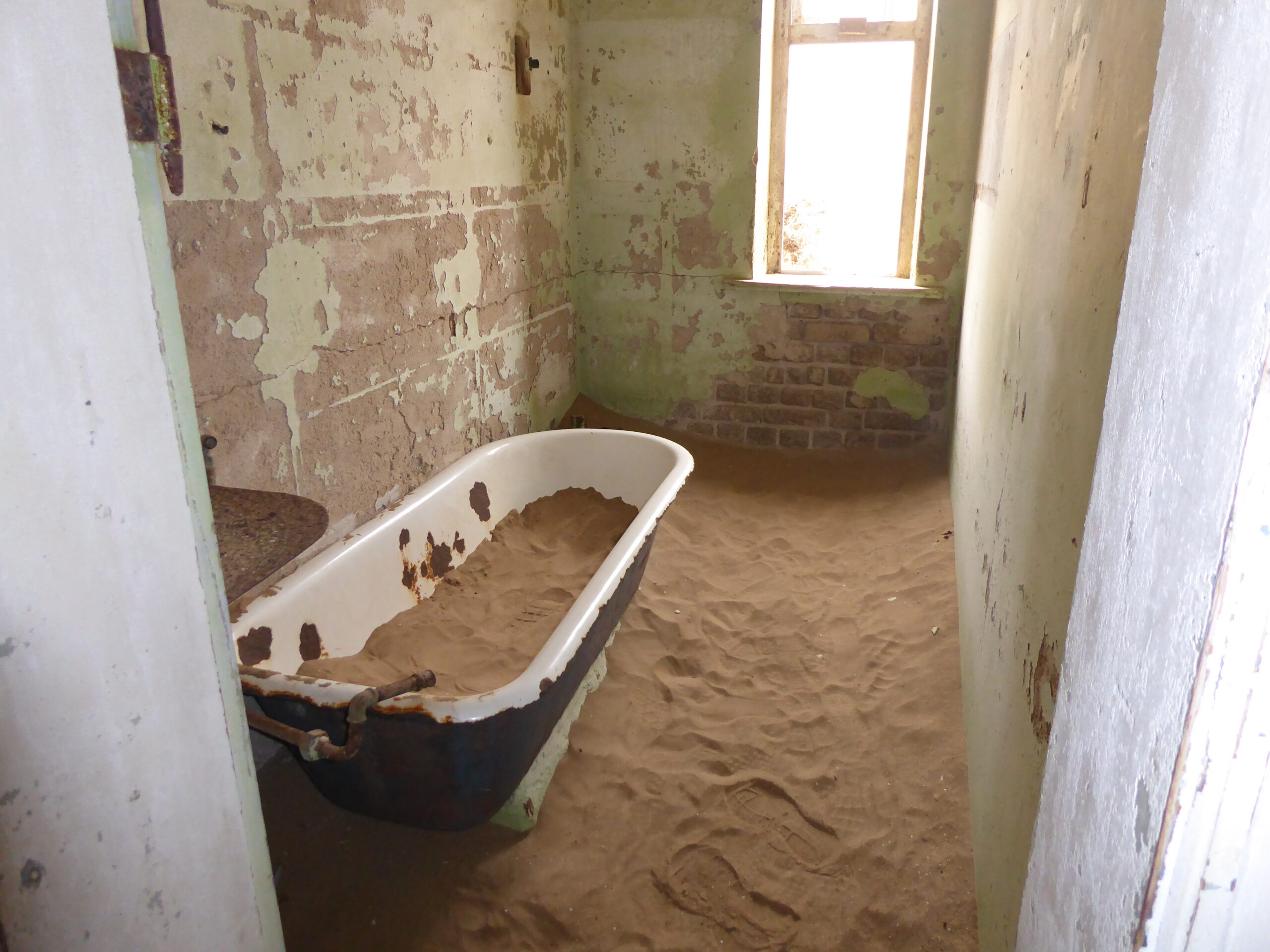
Inexorable sand
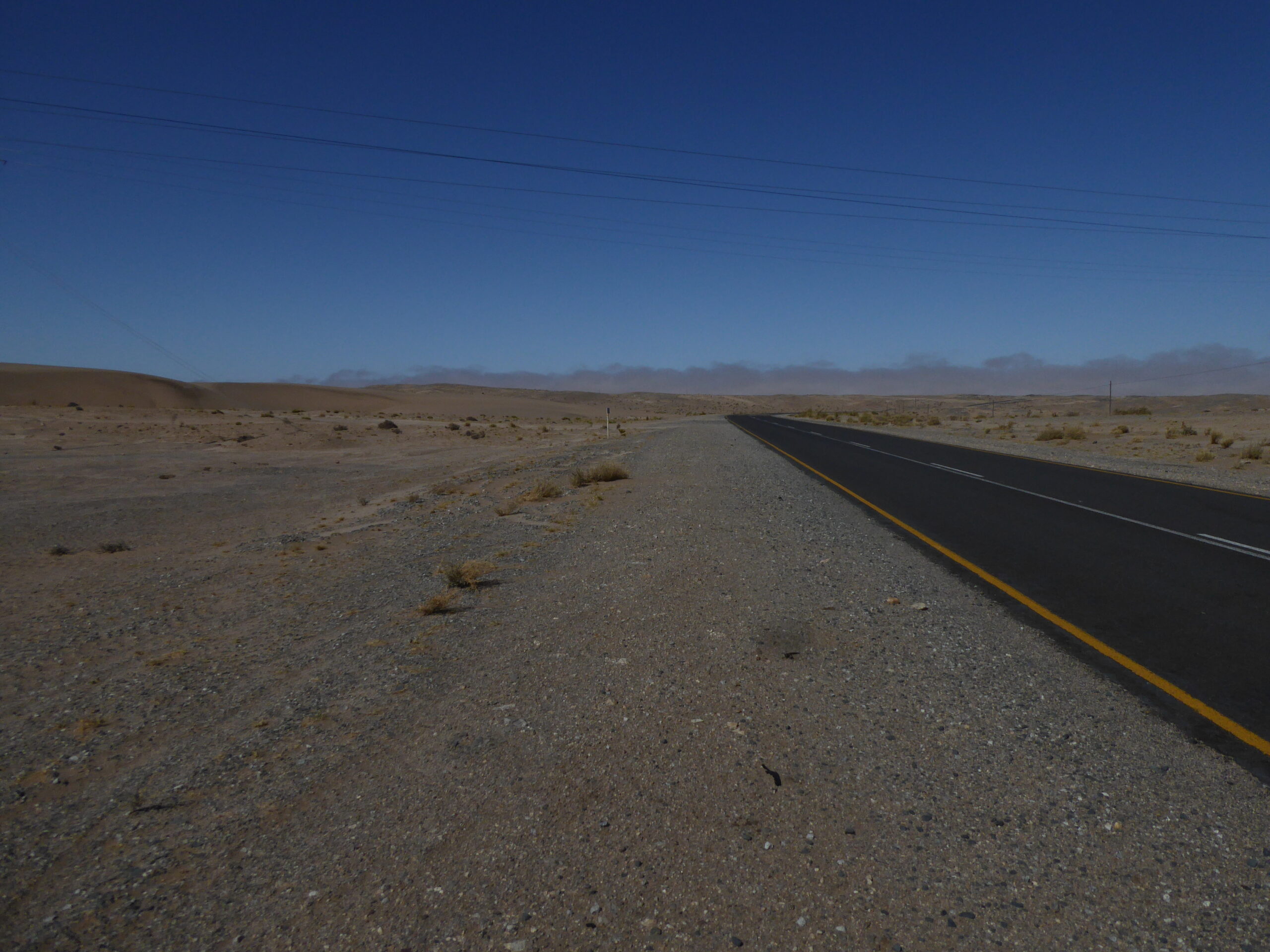
Heading West from Kolmanskop
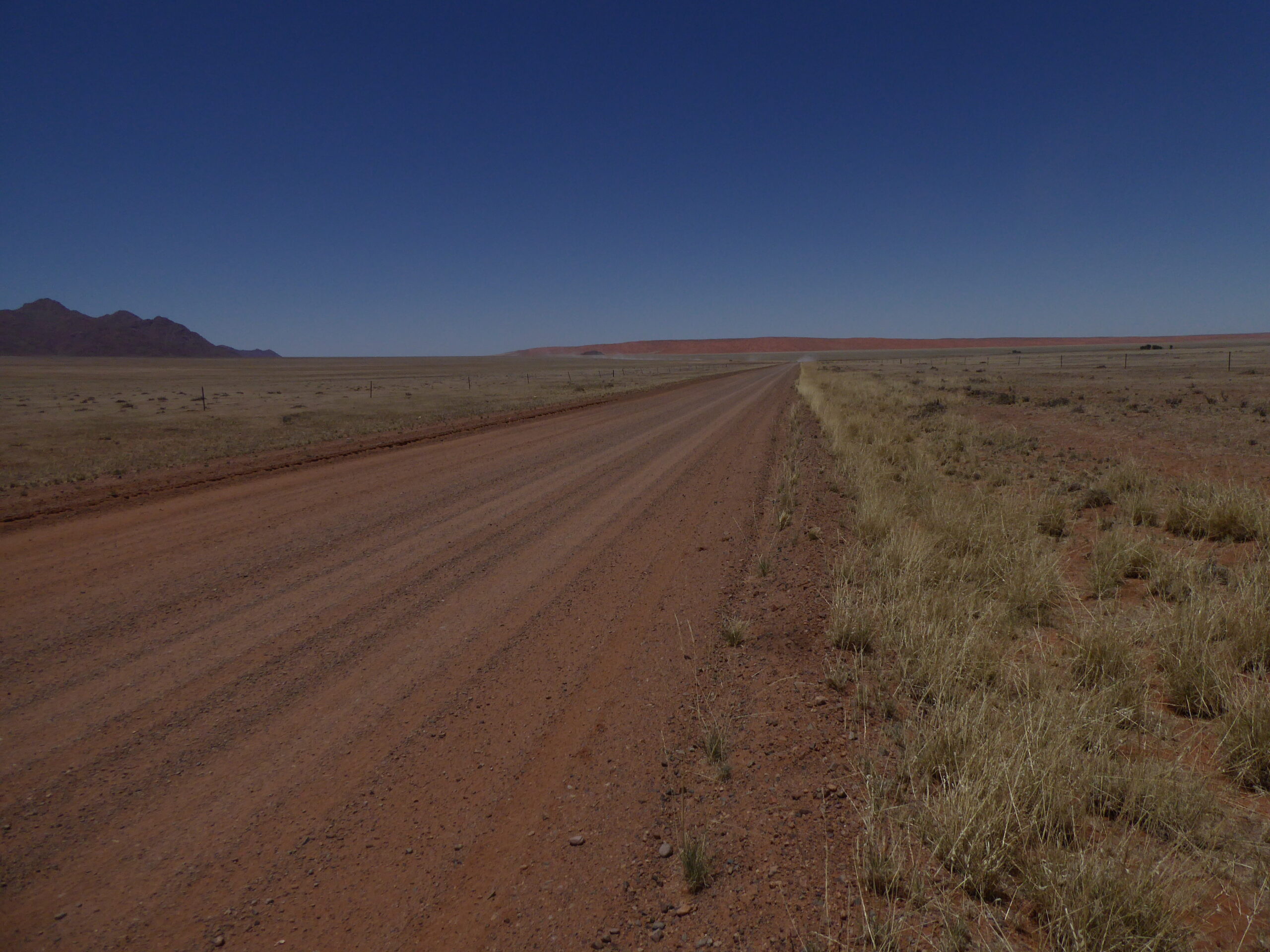
The Road to Sossusvlei
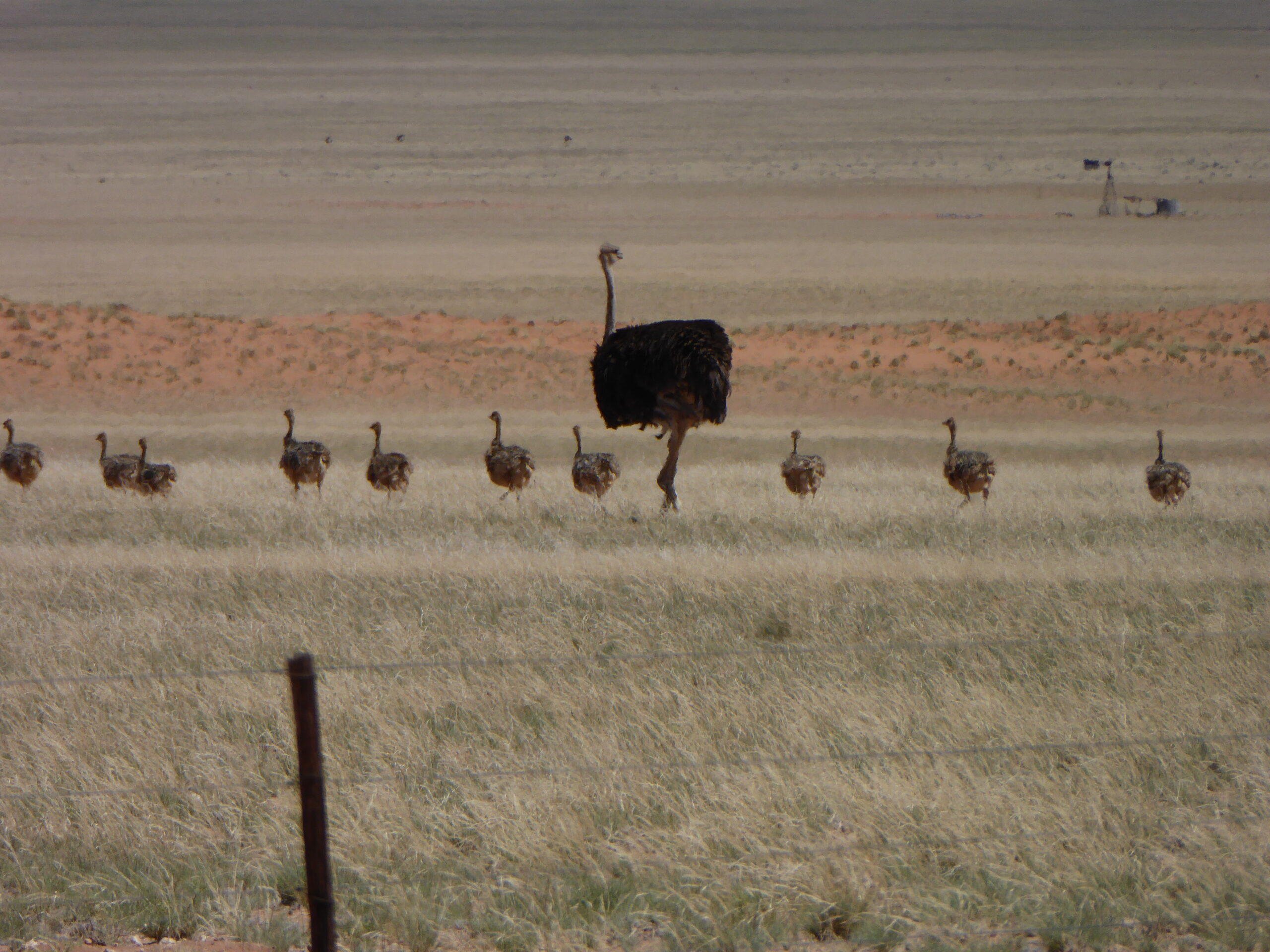
Ostrich and family
Our stop in Sossusvlei was to enable the energetic to get to Big Daddy sand dune (the biggest) at an acceptably cool time in the early morning – walk up and slip/slide down – as the next night’s hotel was only 50 odd km away. No way Allison could have managed the dune so after trekking in the Sesriem Canyon, we decided on a trip into the countryside and found the Neuras Winery.
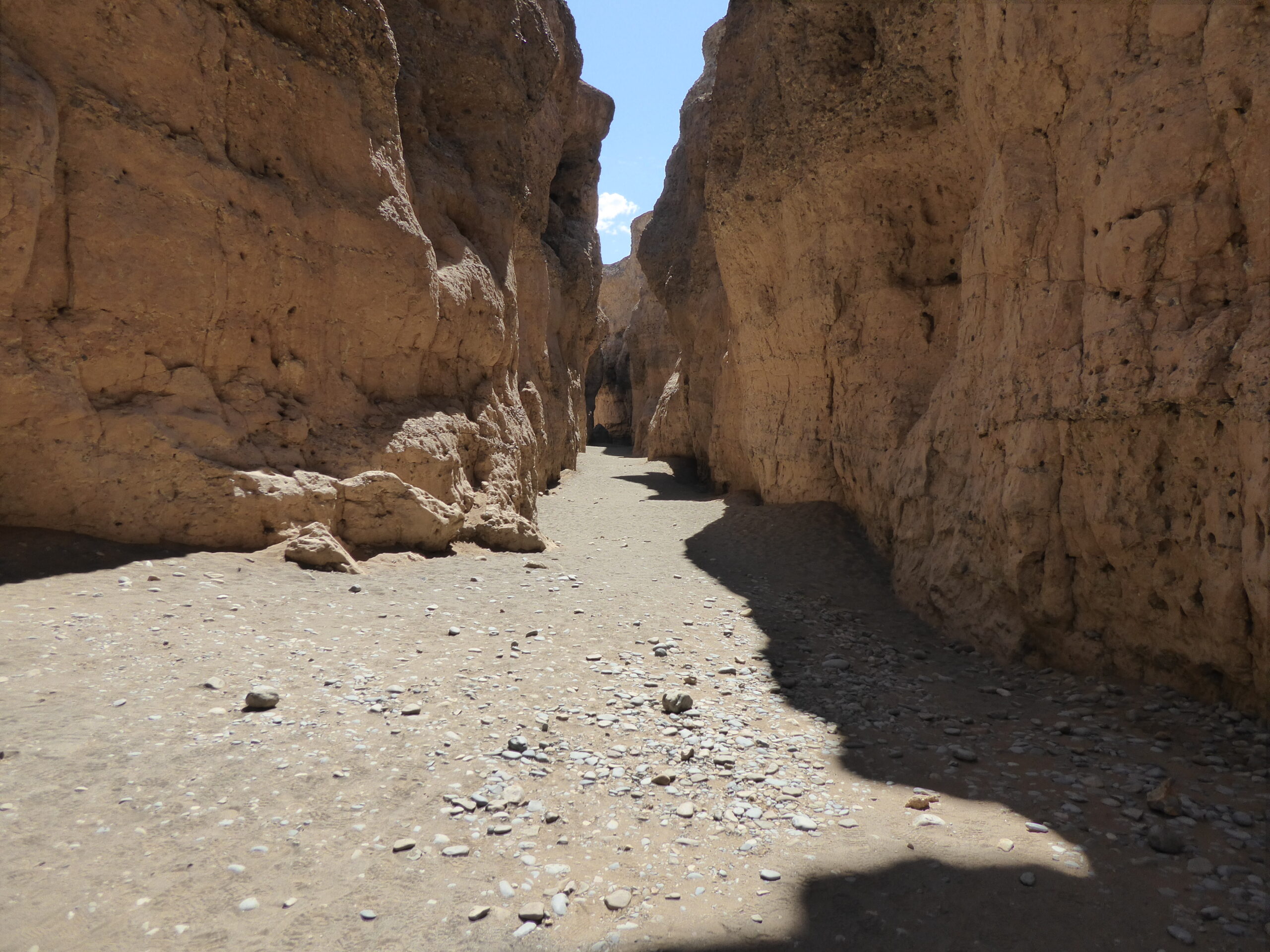
Sesriem Canyon
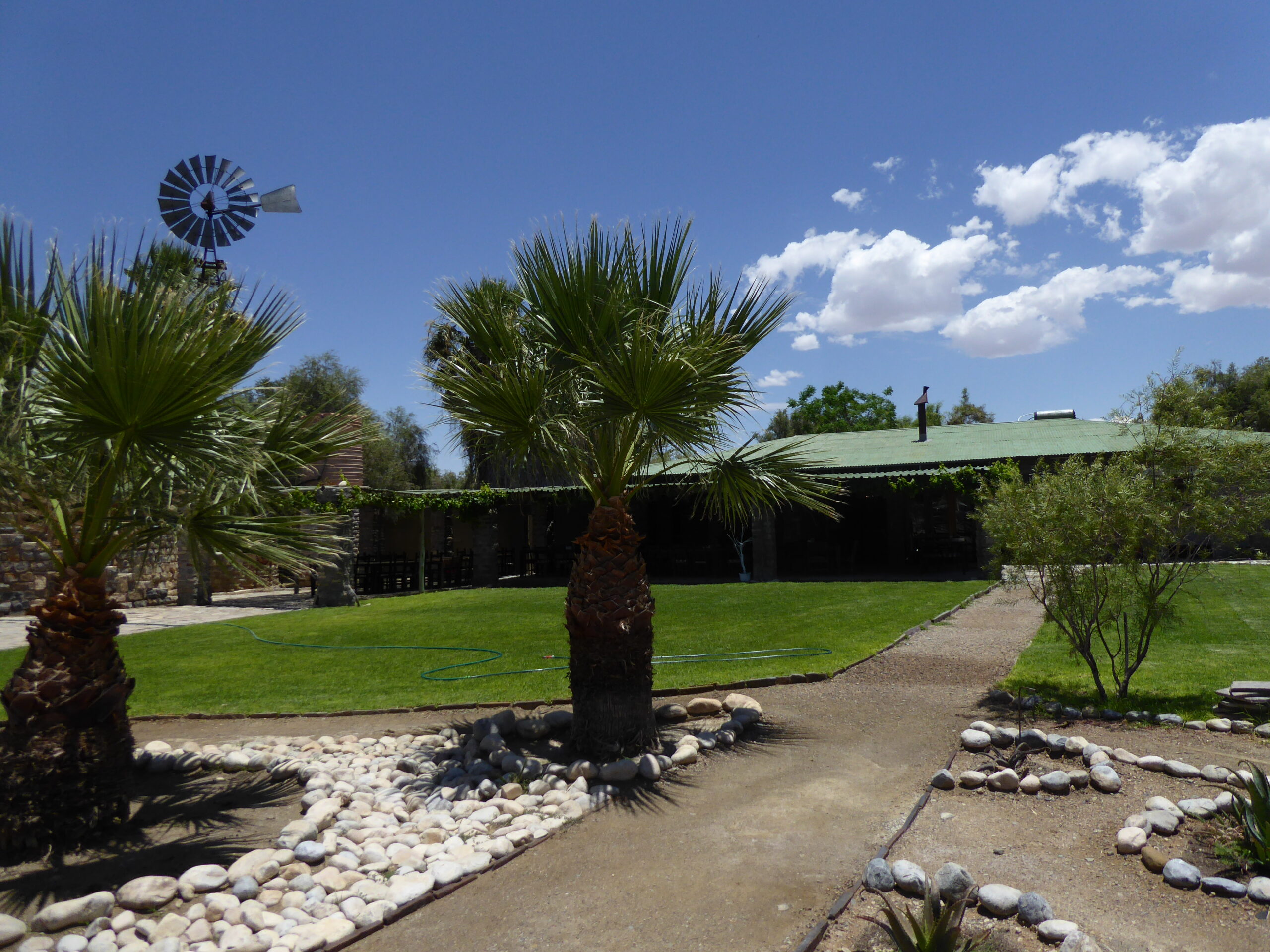
Neuras winery reception
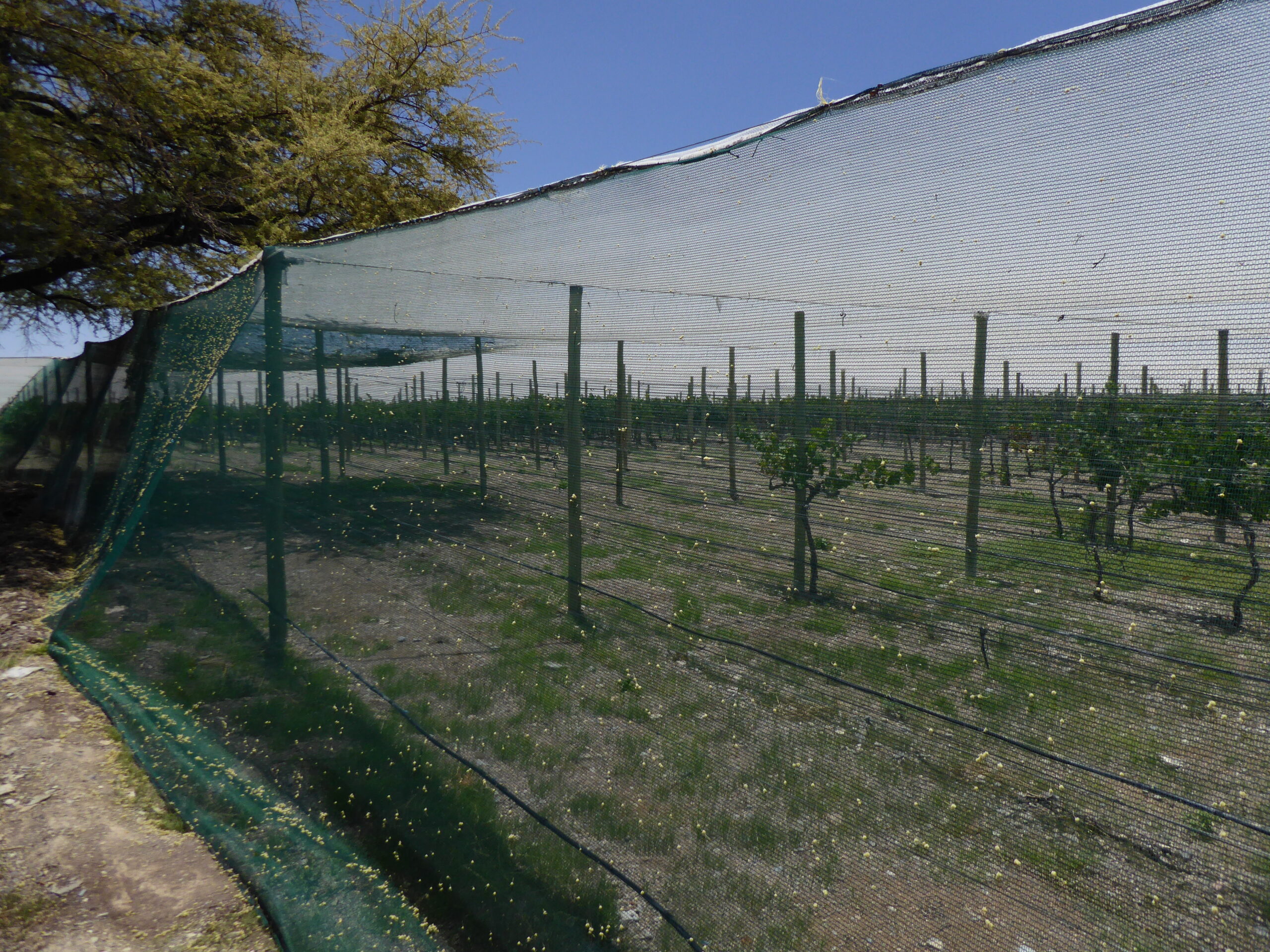
Covered vineyard
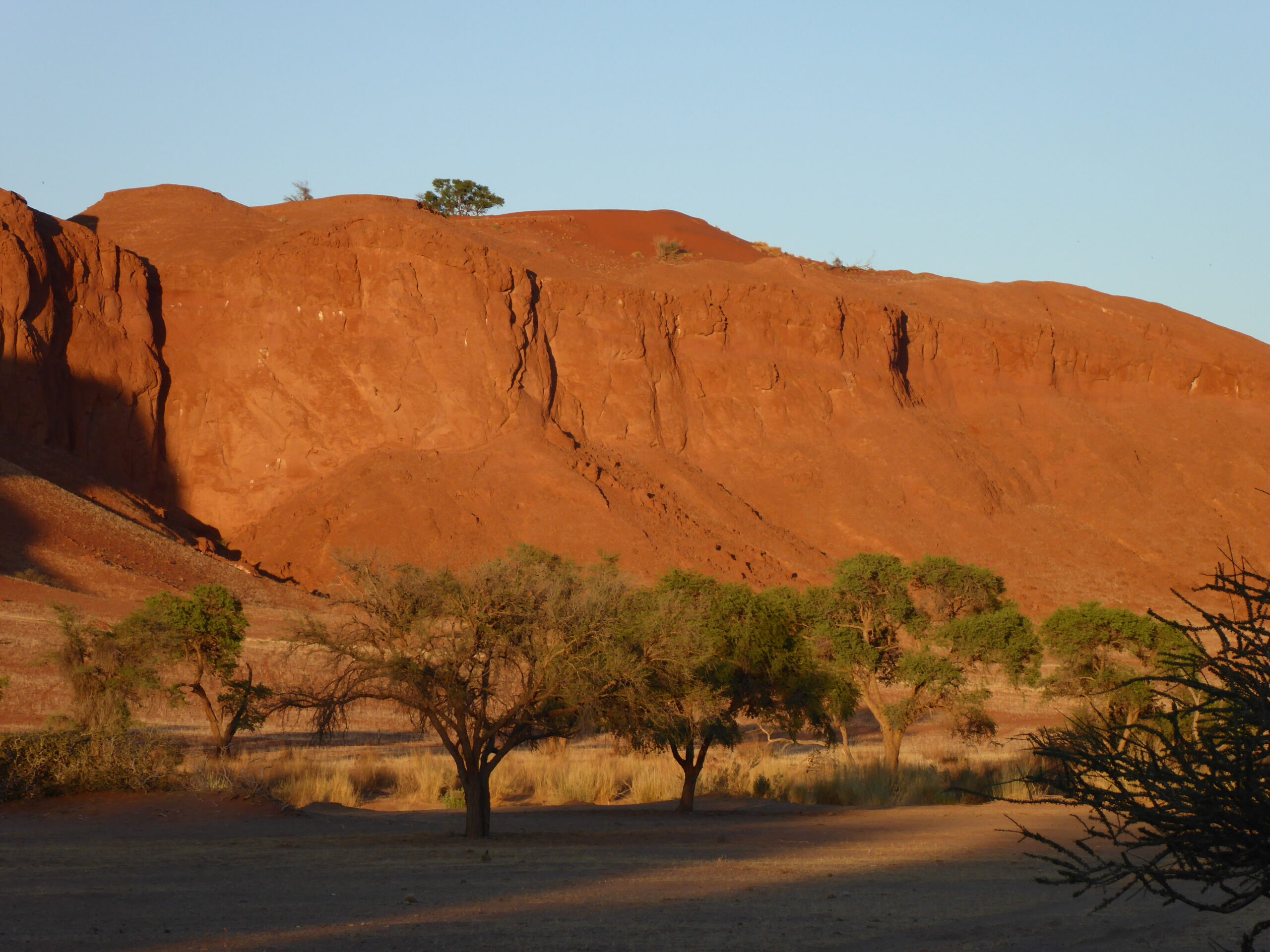
Roadside cliffs
Next day was a straight forward half day run of 300km into Swakopmund, past the once strategically important harbour of Walvis Bay.
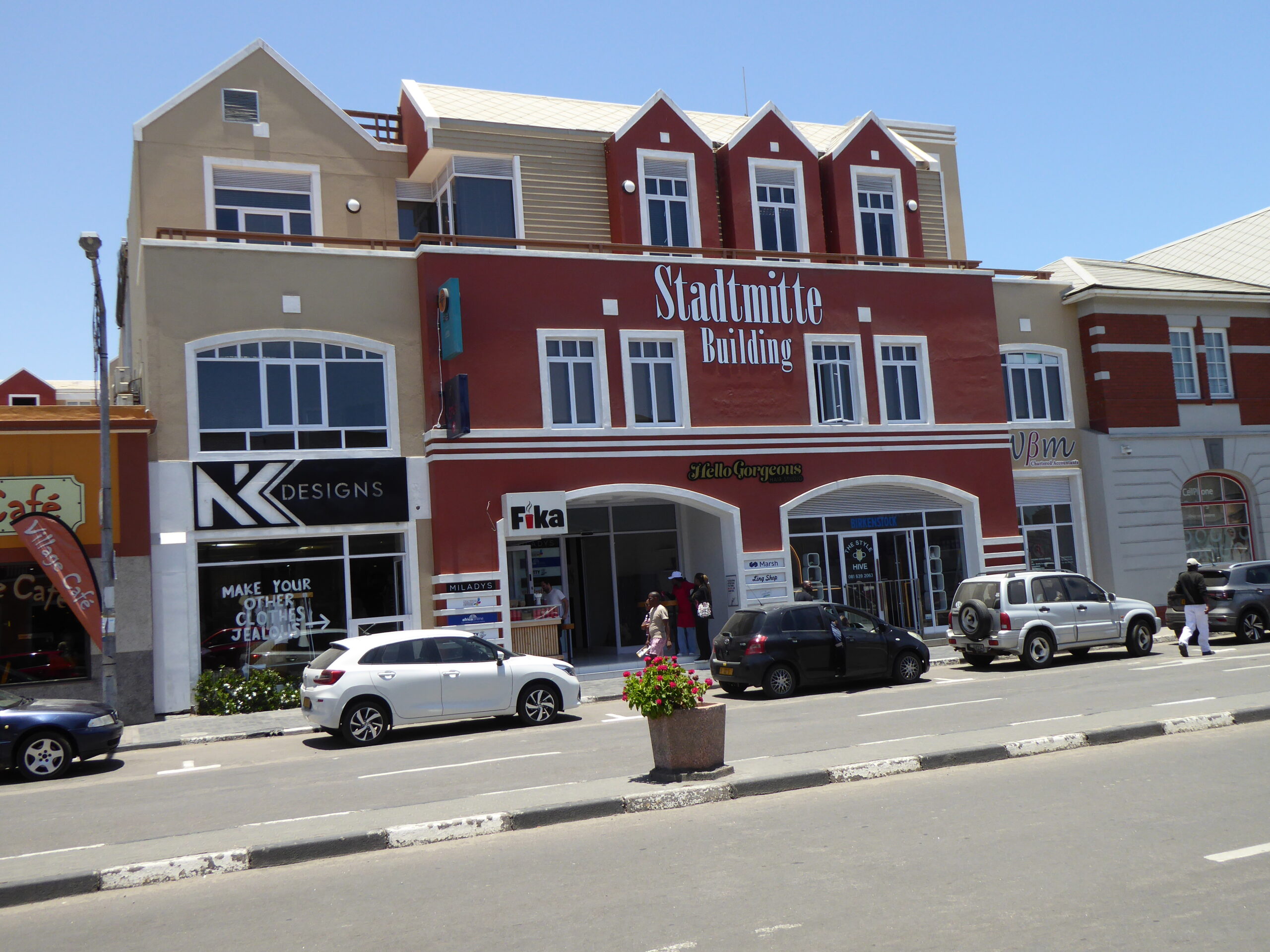
Swakopmund main street
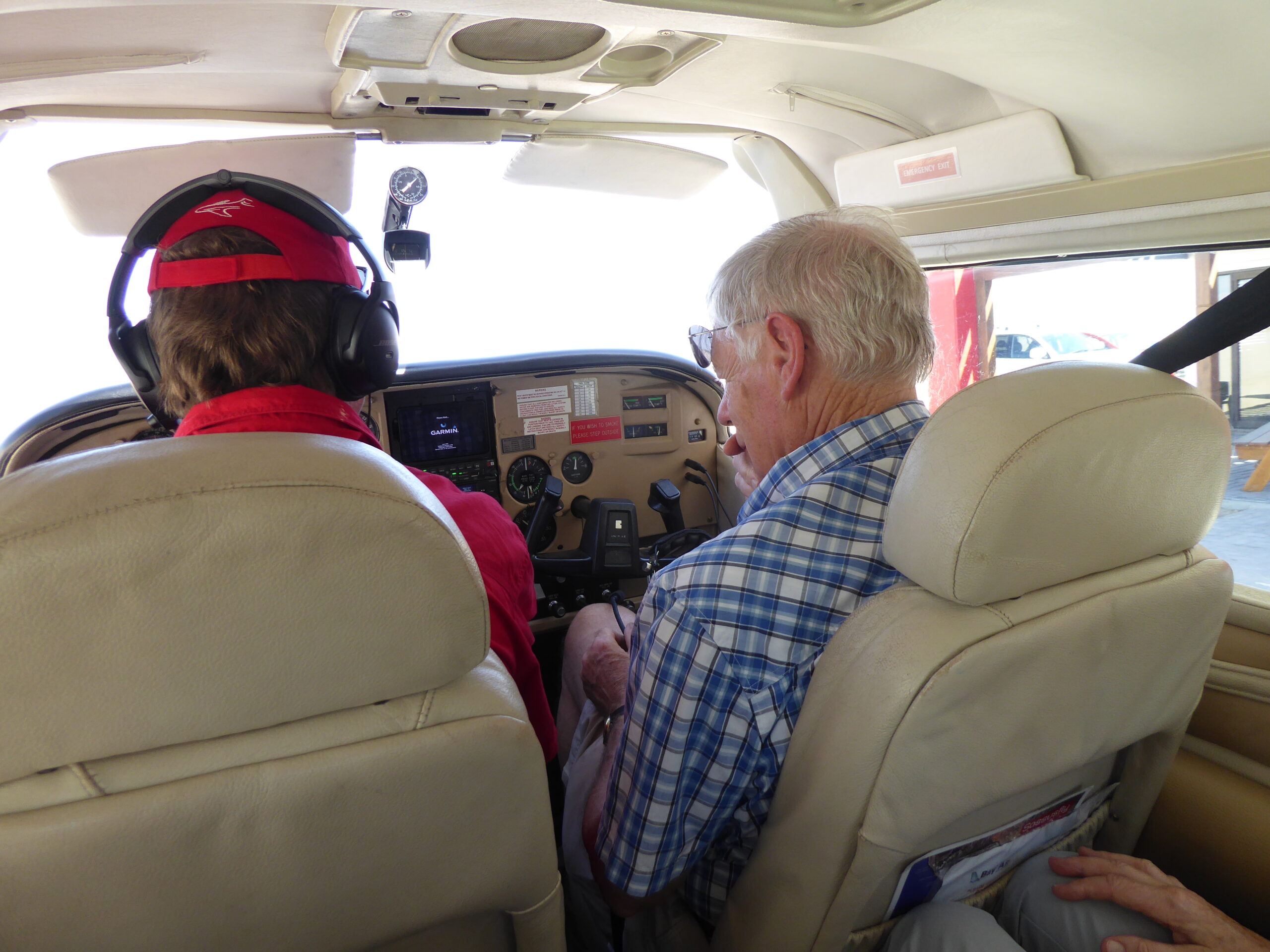
On board with David to the right
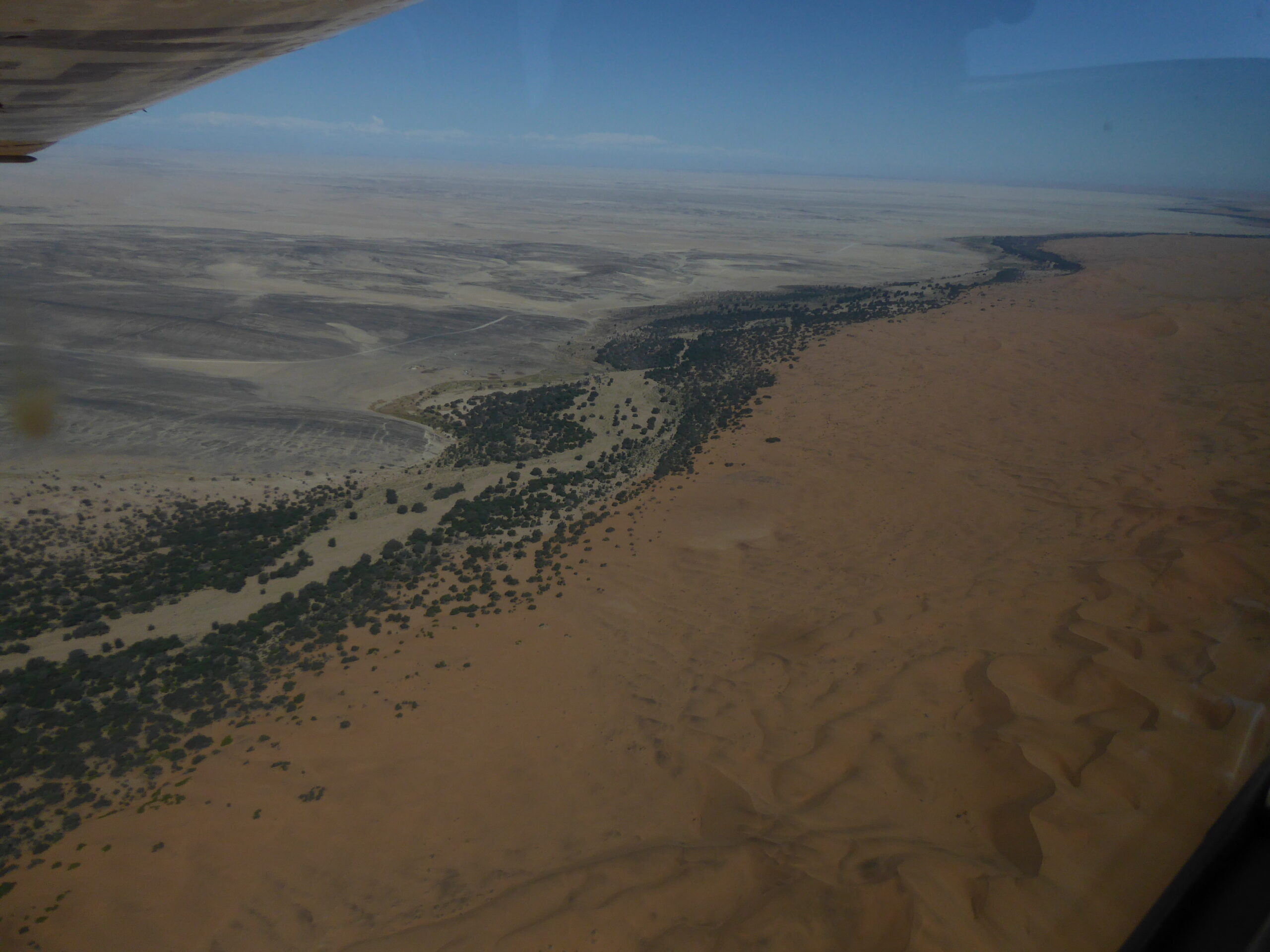
River boundary
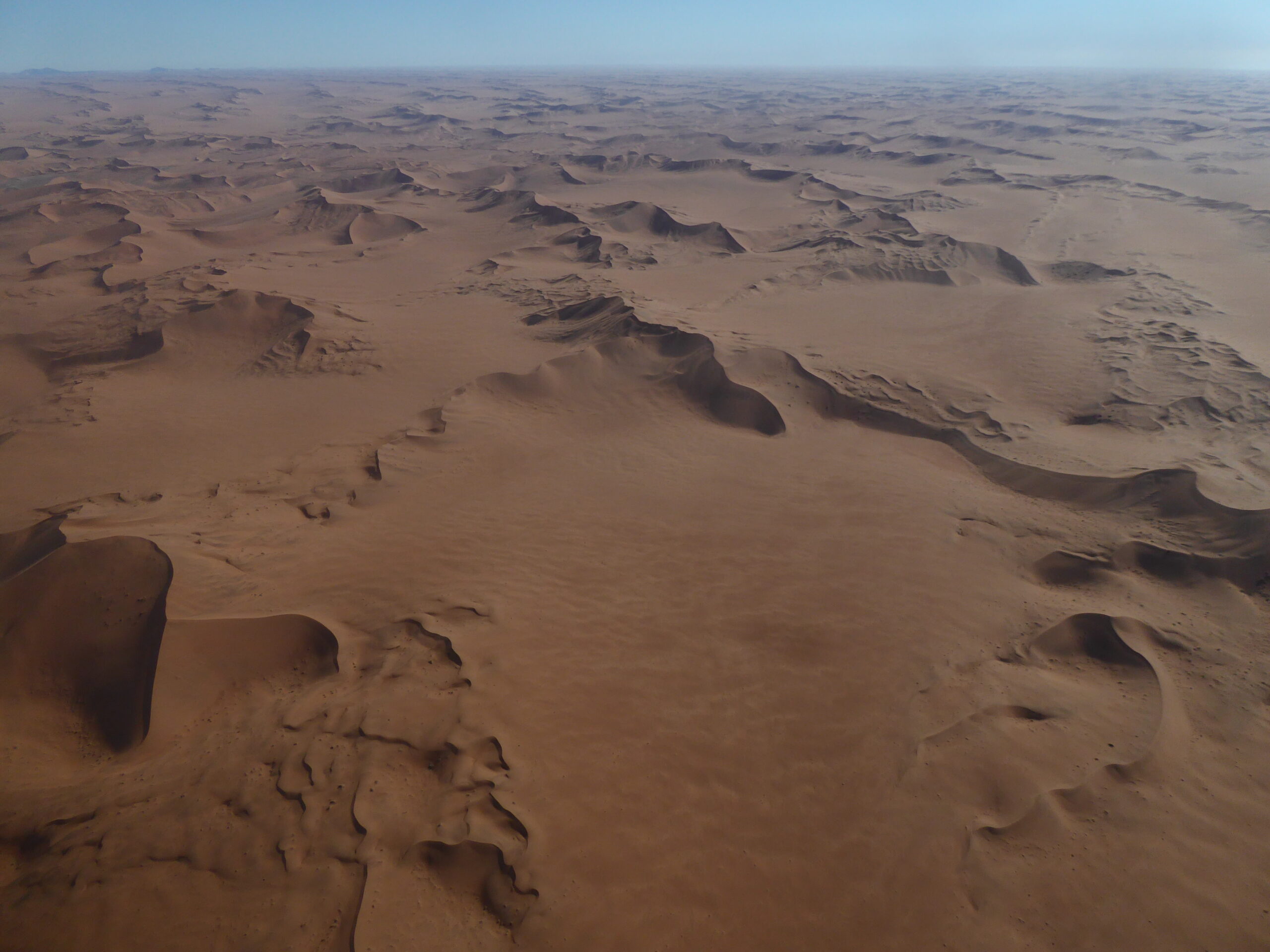
Dunes from above
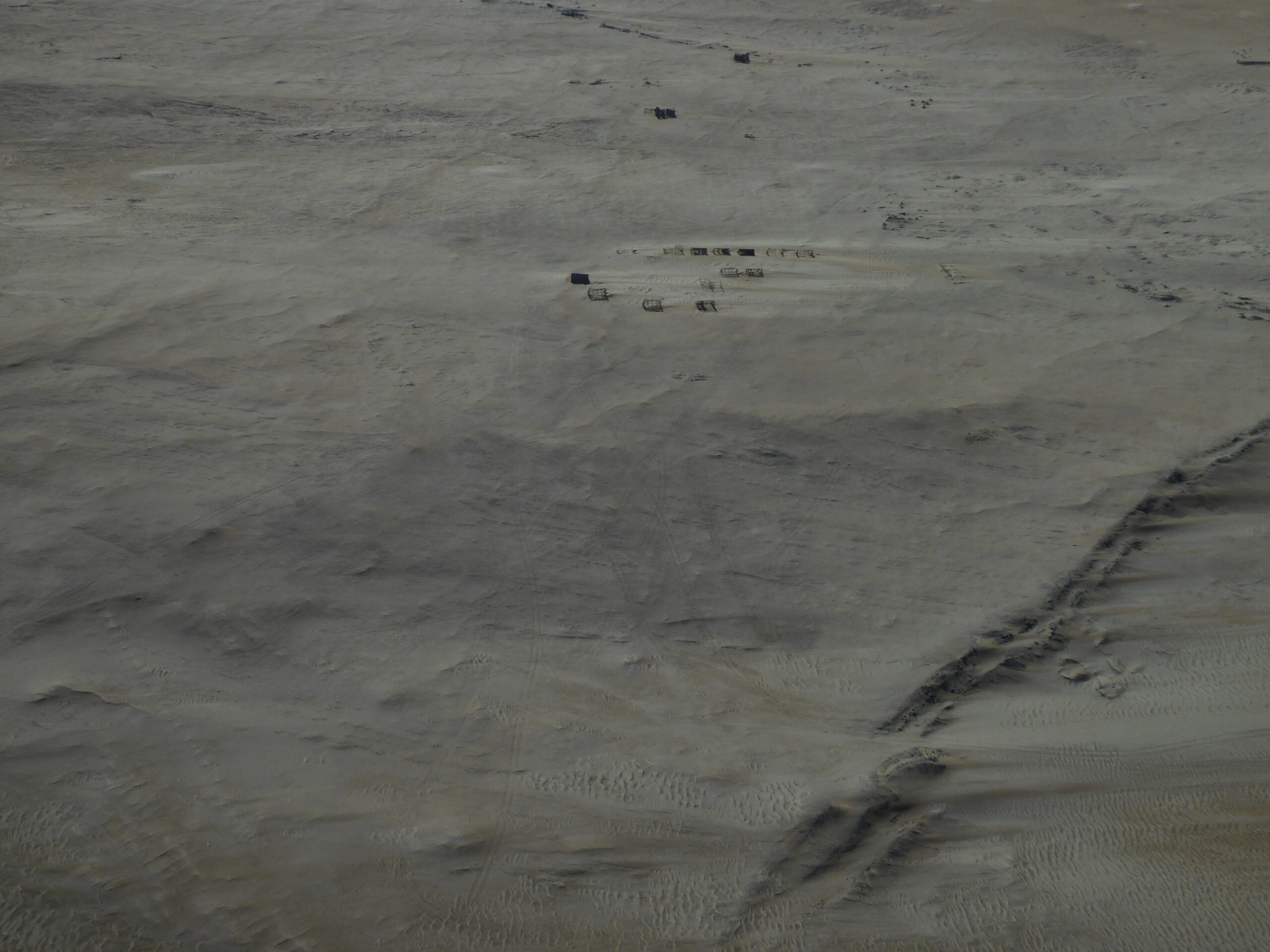
Mining settlement
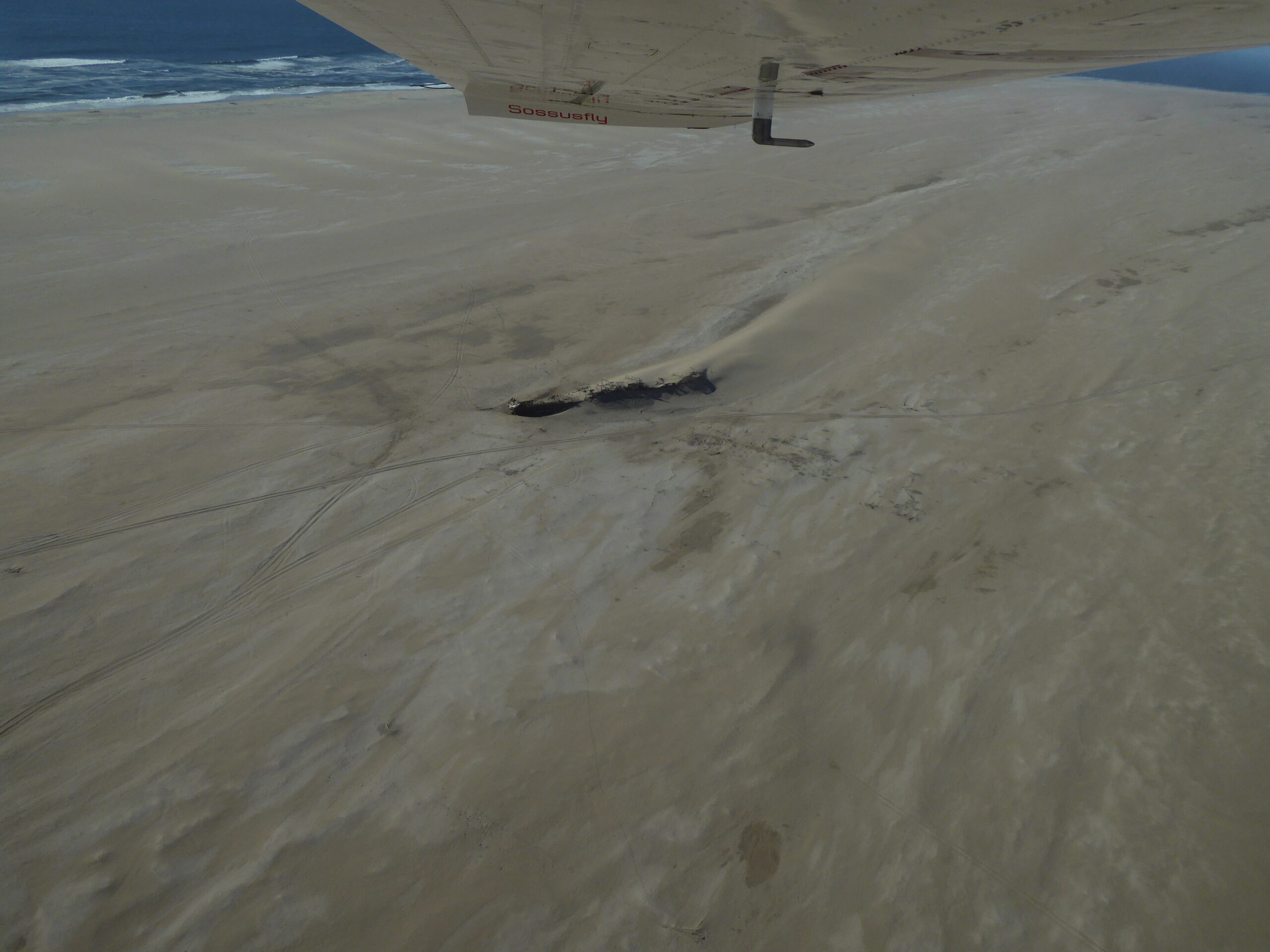
Eduard Bohlen with the sea just visible
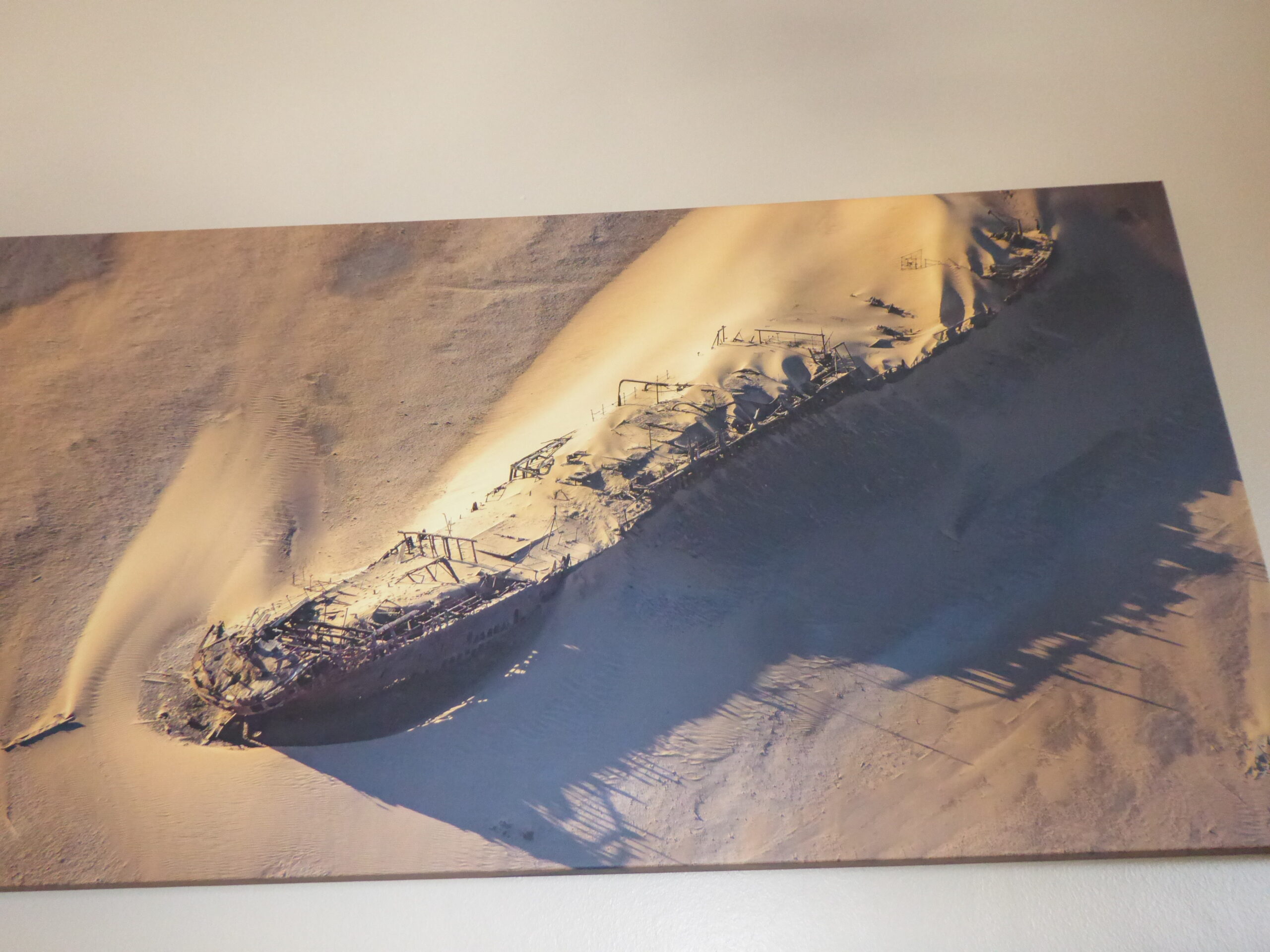
Office picture of the Eduard Bohlen
We had been warned about security – having seen the door and window grilles, we were aware of an issue; if we went out to eat in the evening fairly close to the hotel we should be ok but any further away, unless in a large group we should get a taxi back. We ate close by. Next day we started at Walvis Bay on a catamaran trip to see whales, dolphins, seals etc. Our guide had already made friends with the local birdlife
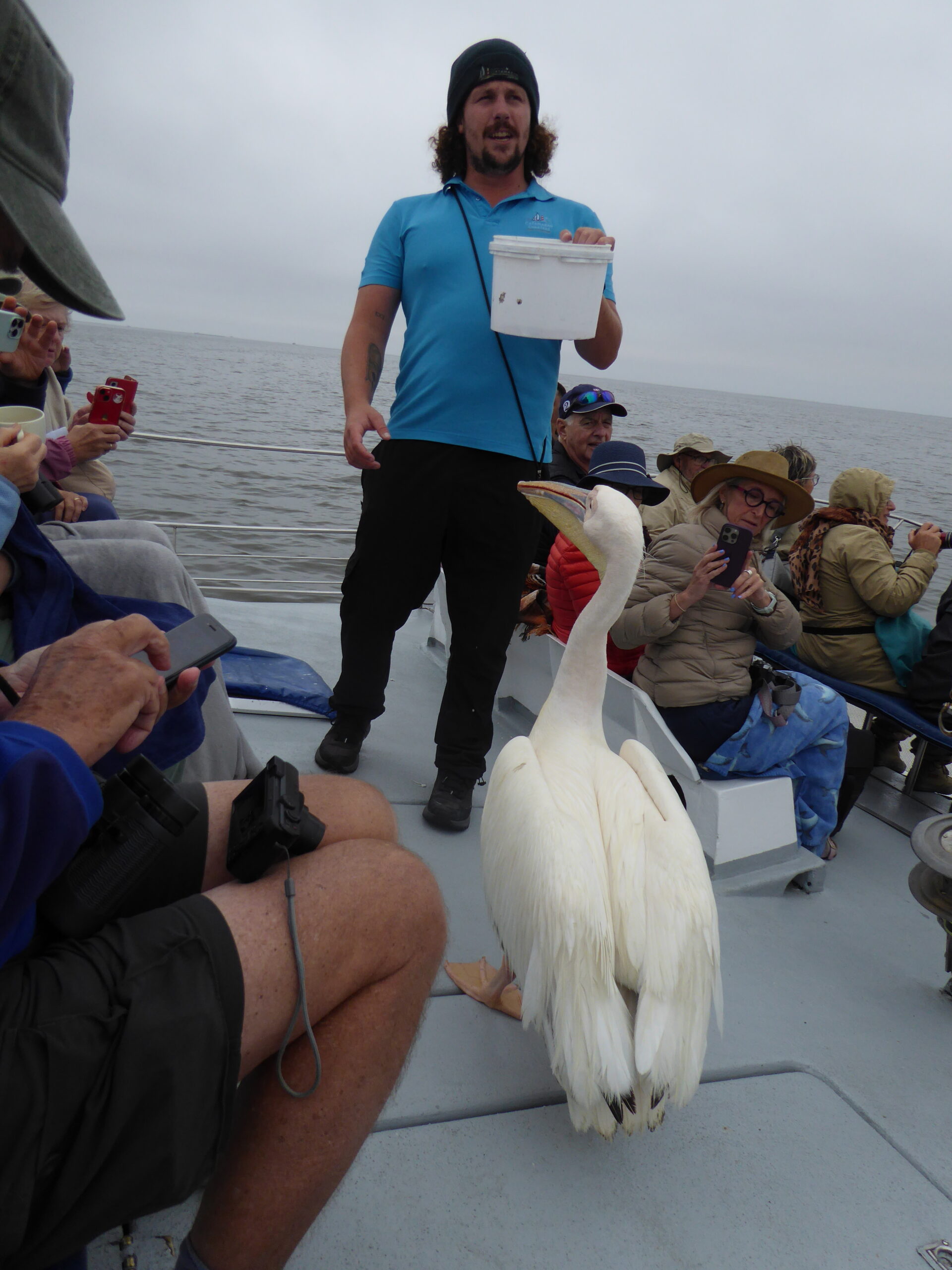
feathered friend
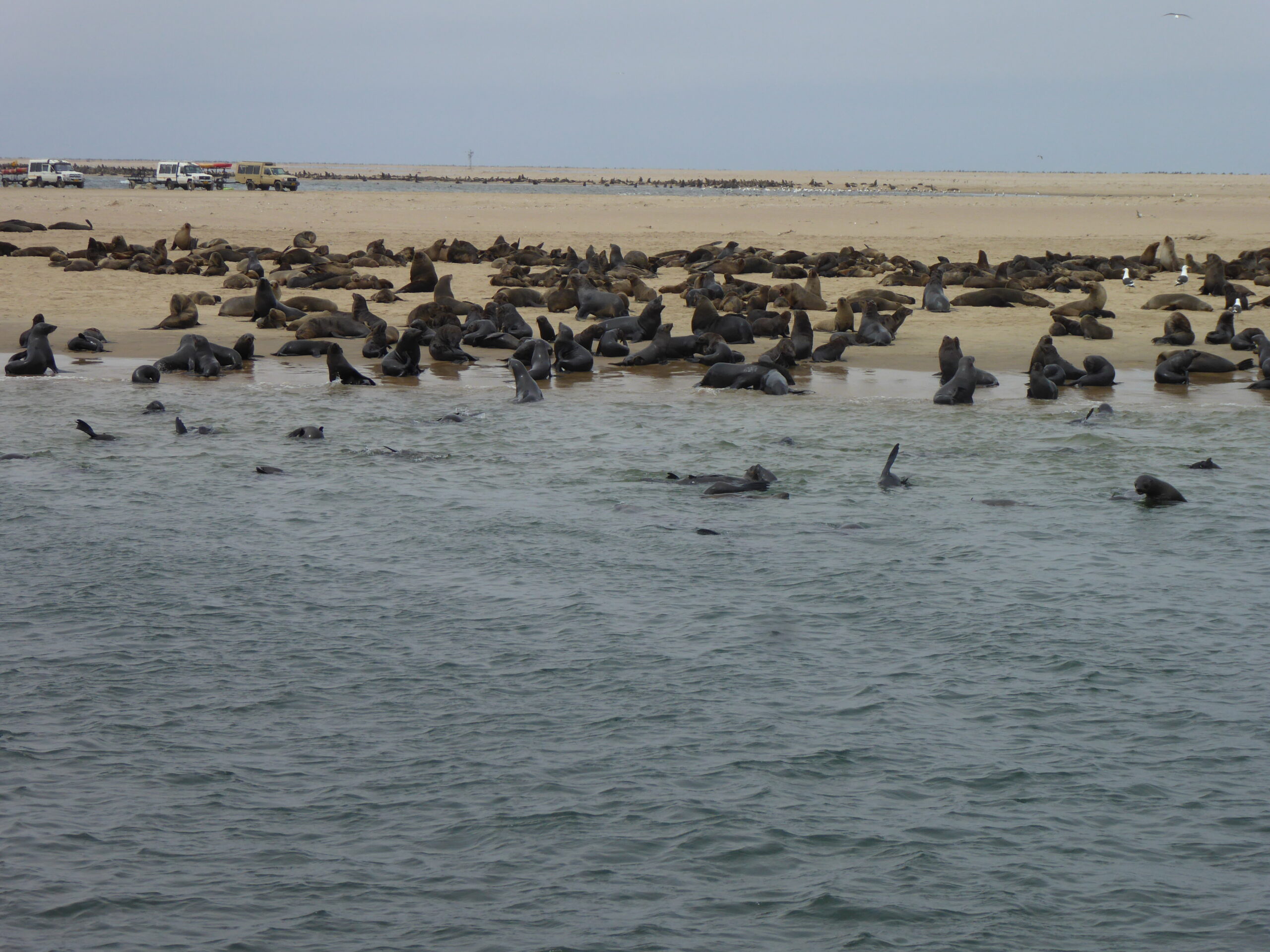
Seal Colony
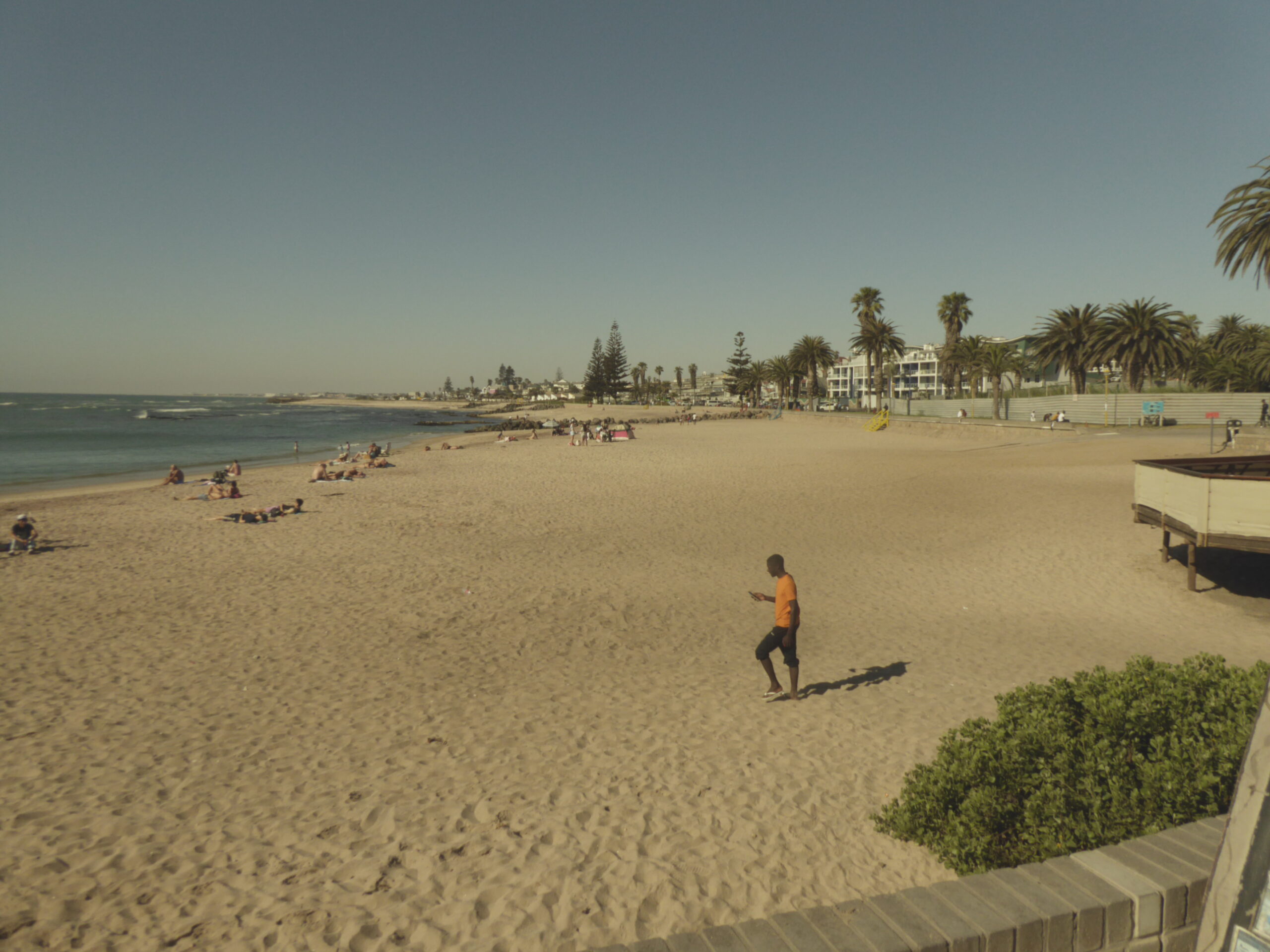
Swakopmund beach
Next day we continued north, passing but not seeing the Skeleton Coast.
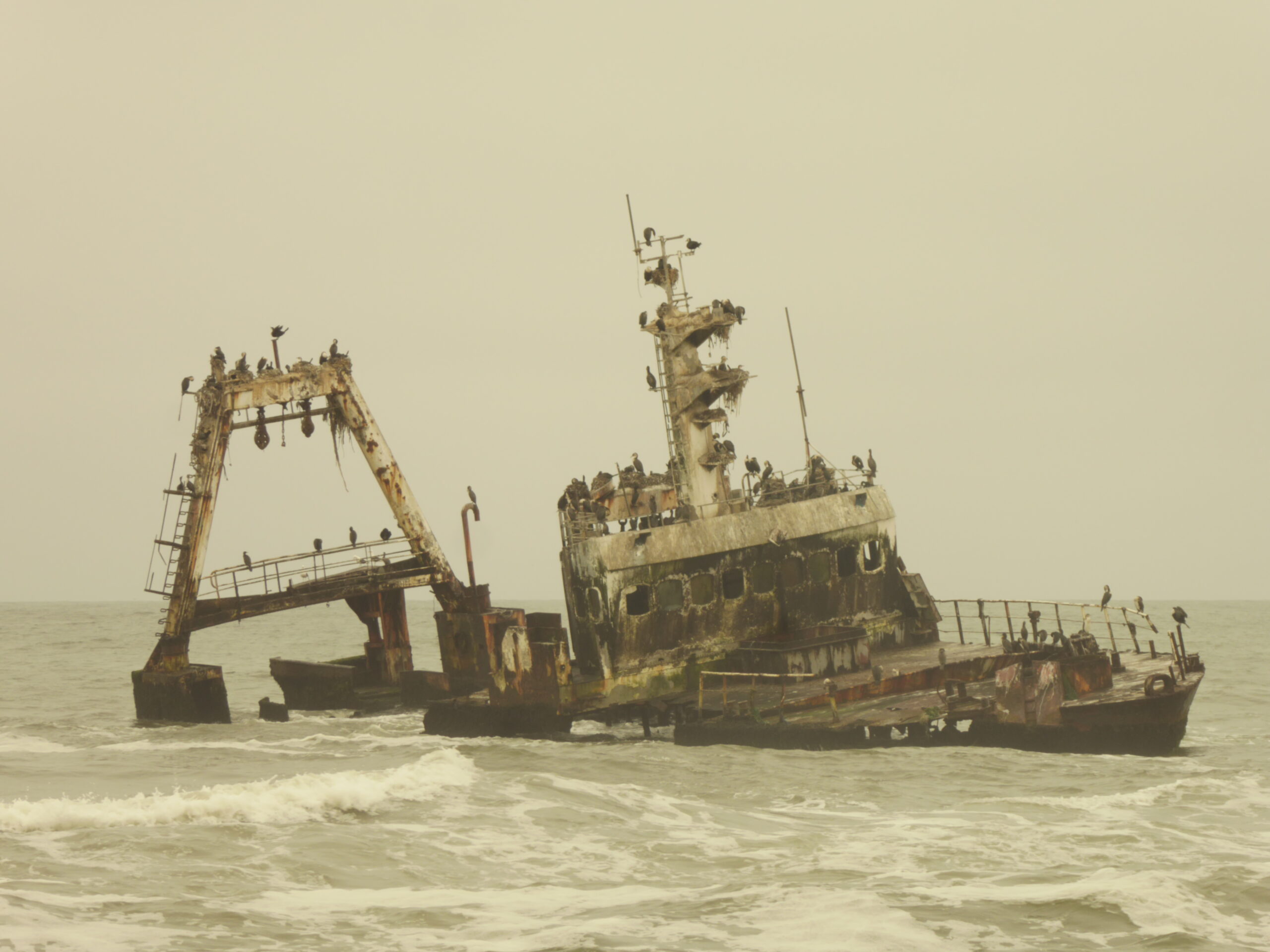
2008 shipwreck
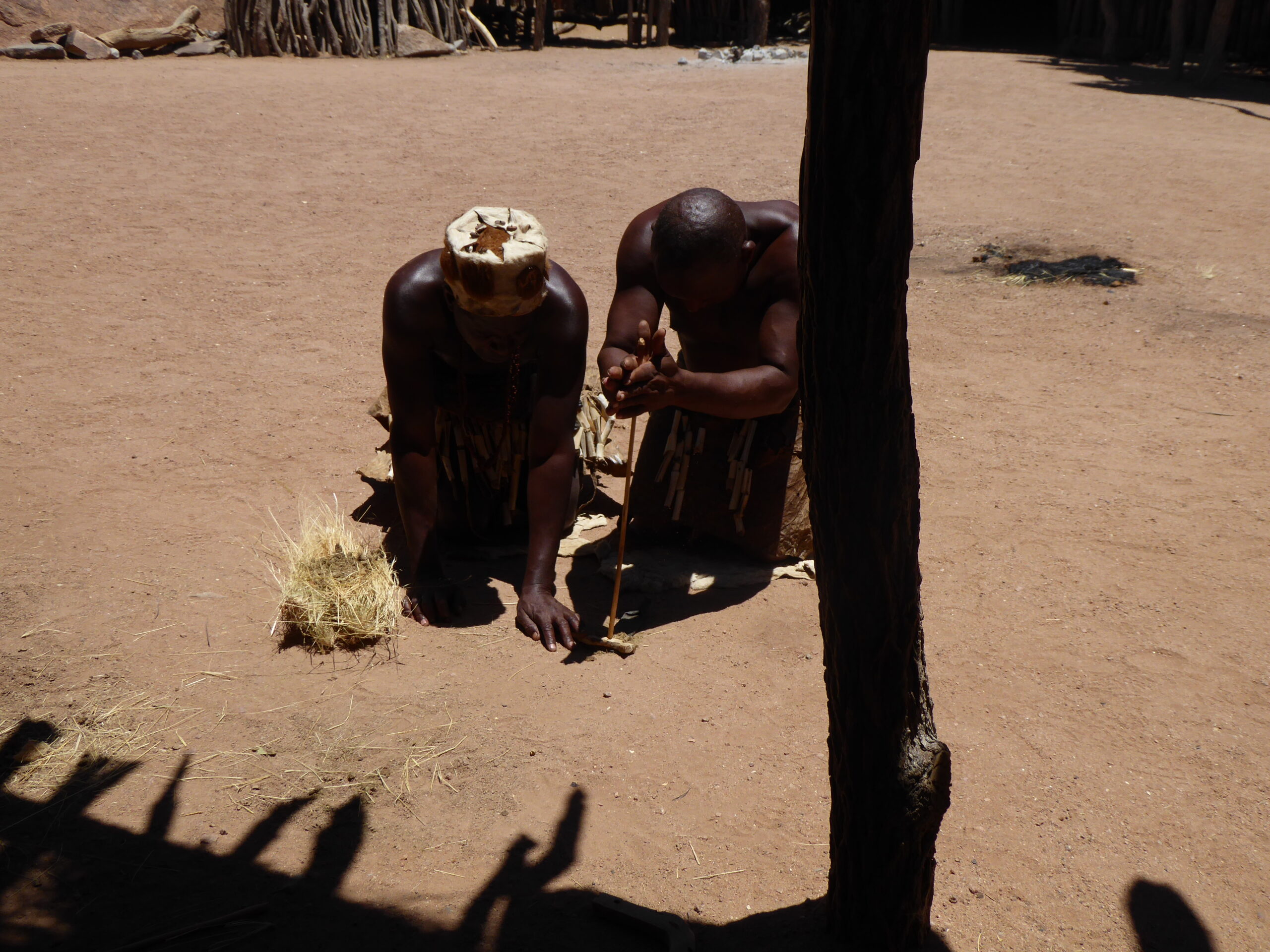
Fire lighting
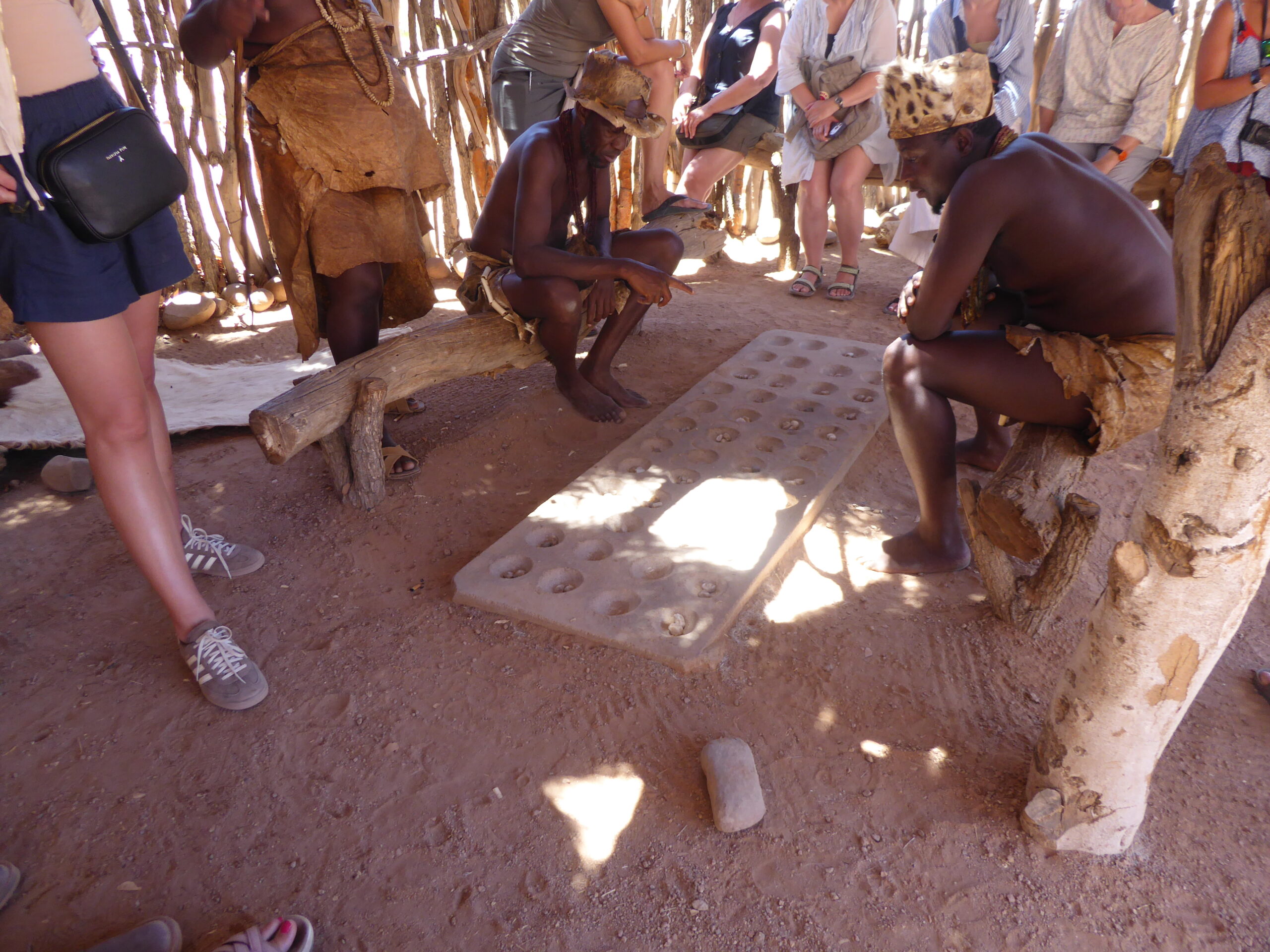
“board” game with pebbles
We decided to miss the Twyfelfontein Rock Art as Allison would find the walking difficult so instead took the deviation to the petrified forest – which she didn’t go to either!
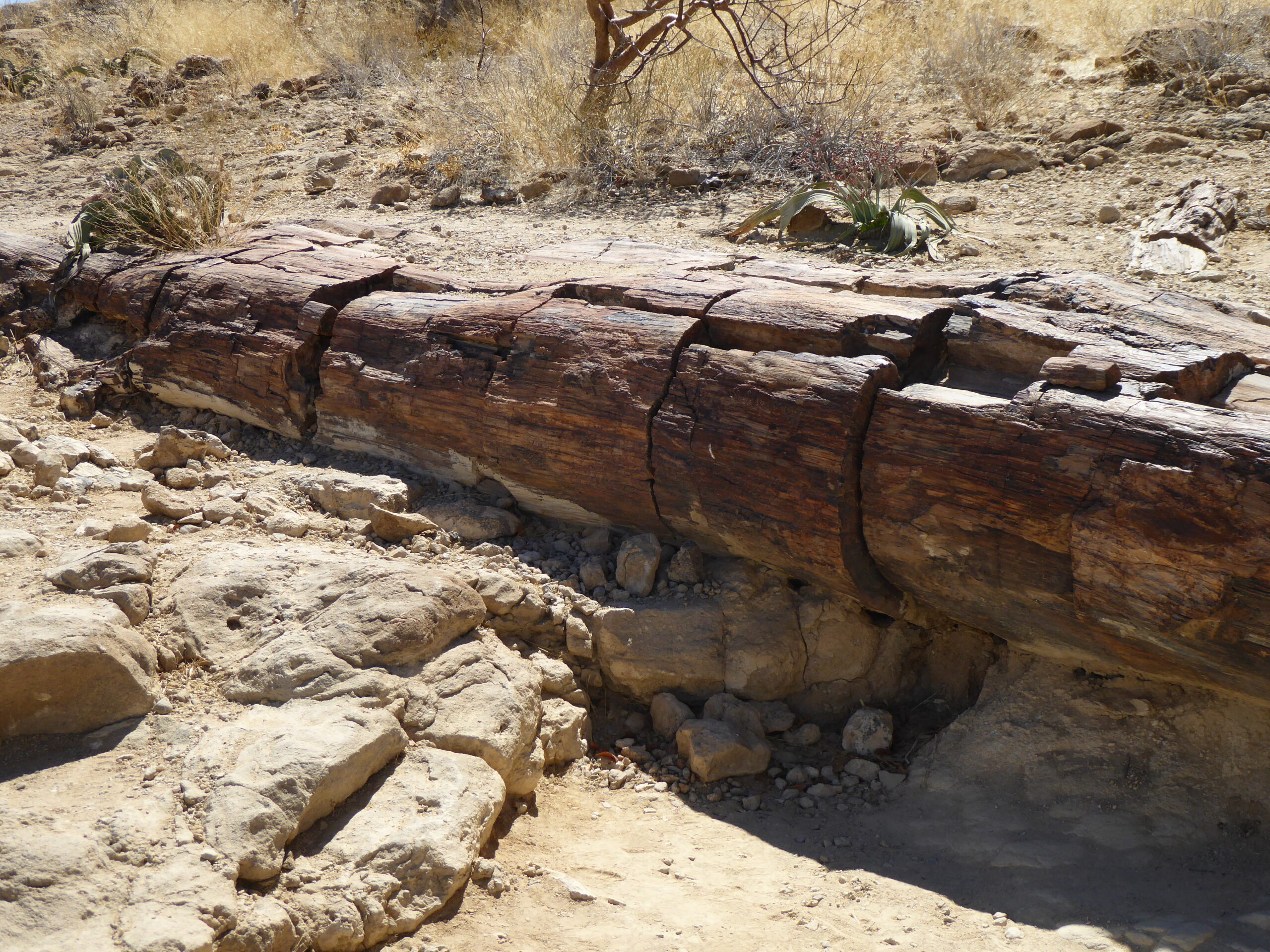
Petrified forest
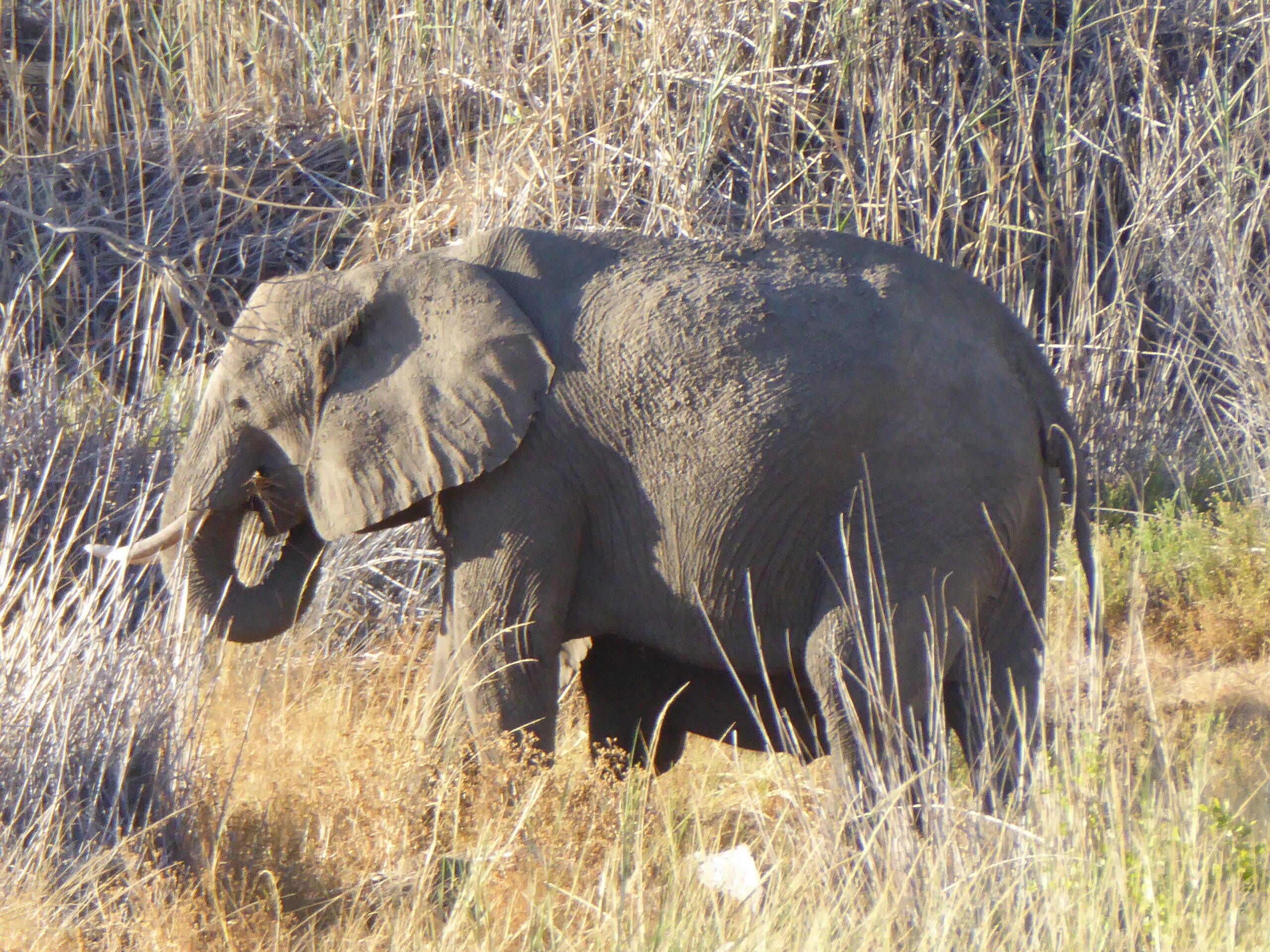
Elephant
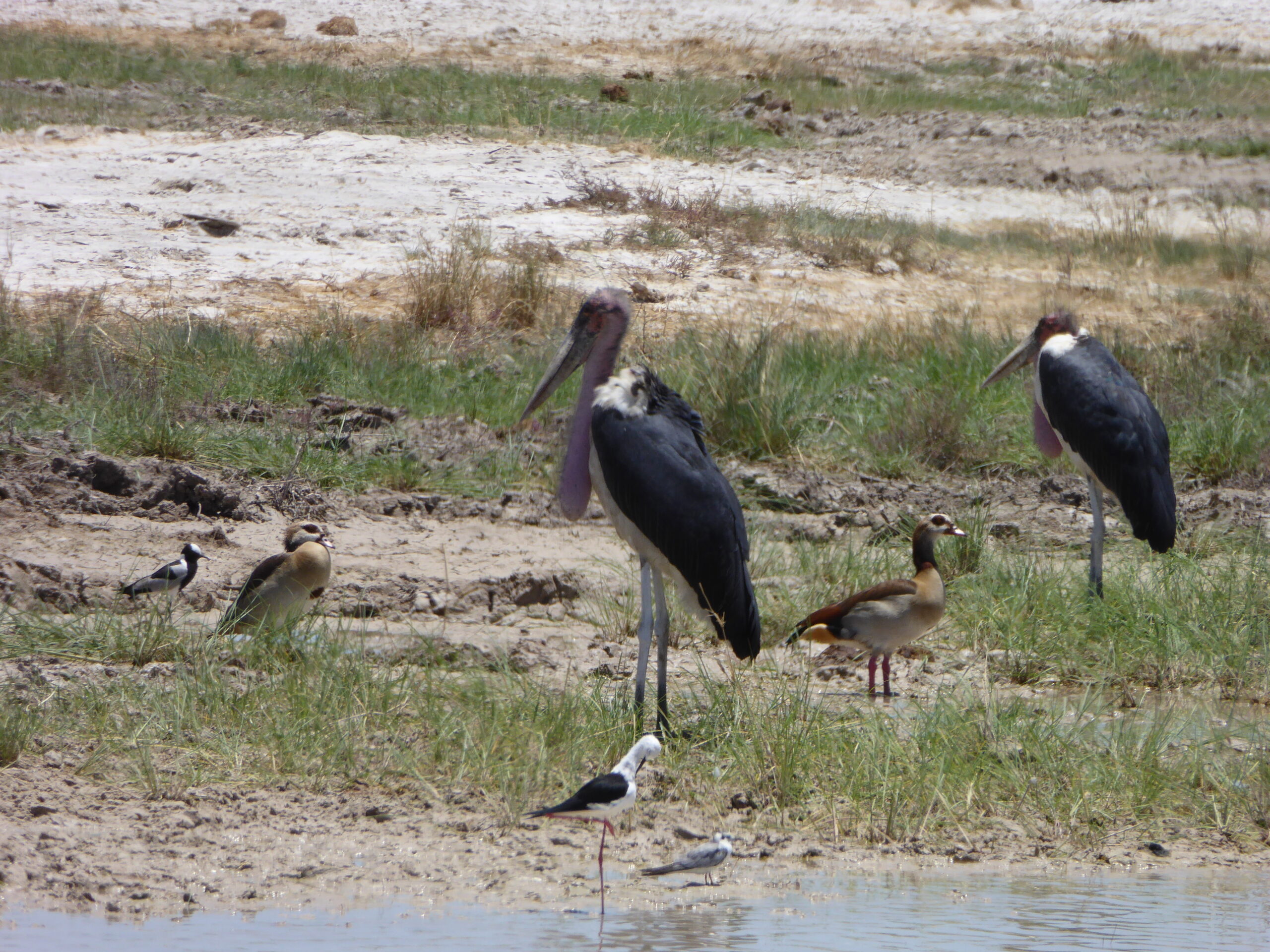
The next section was through Etosha Reserve; we would stay 2 nights in different hotels as we meander through from west to east with no particular route to follow (apart from using only proper roads – gravel of course with a 60kph maximum speed). We arrived early afternoon with 48 hour tickets and soon realised that the only viable place to see the animals was at water holes, some natural and often dry and others man-made and generally with water.
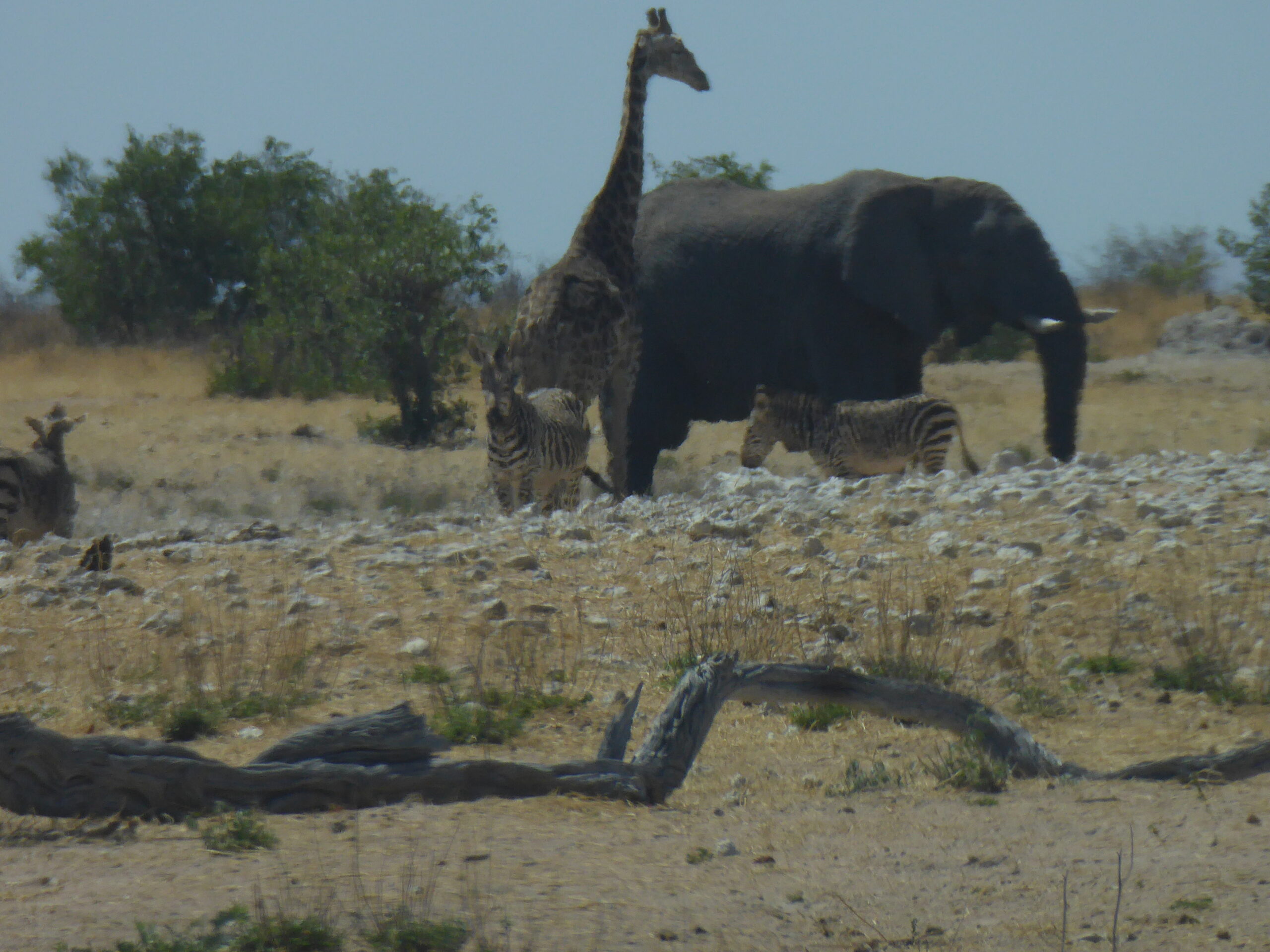
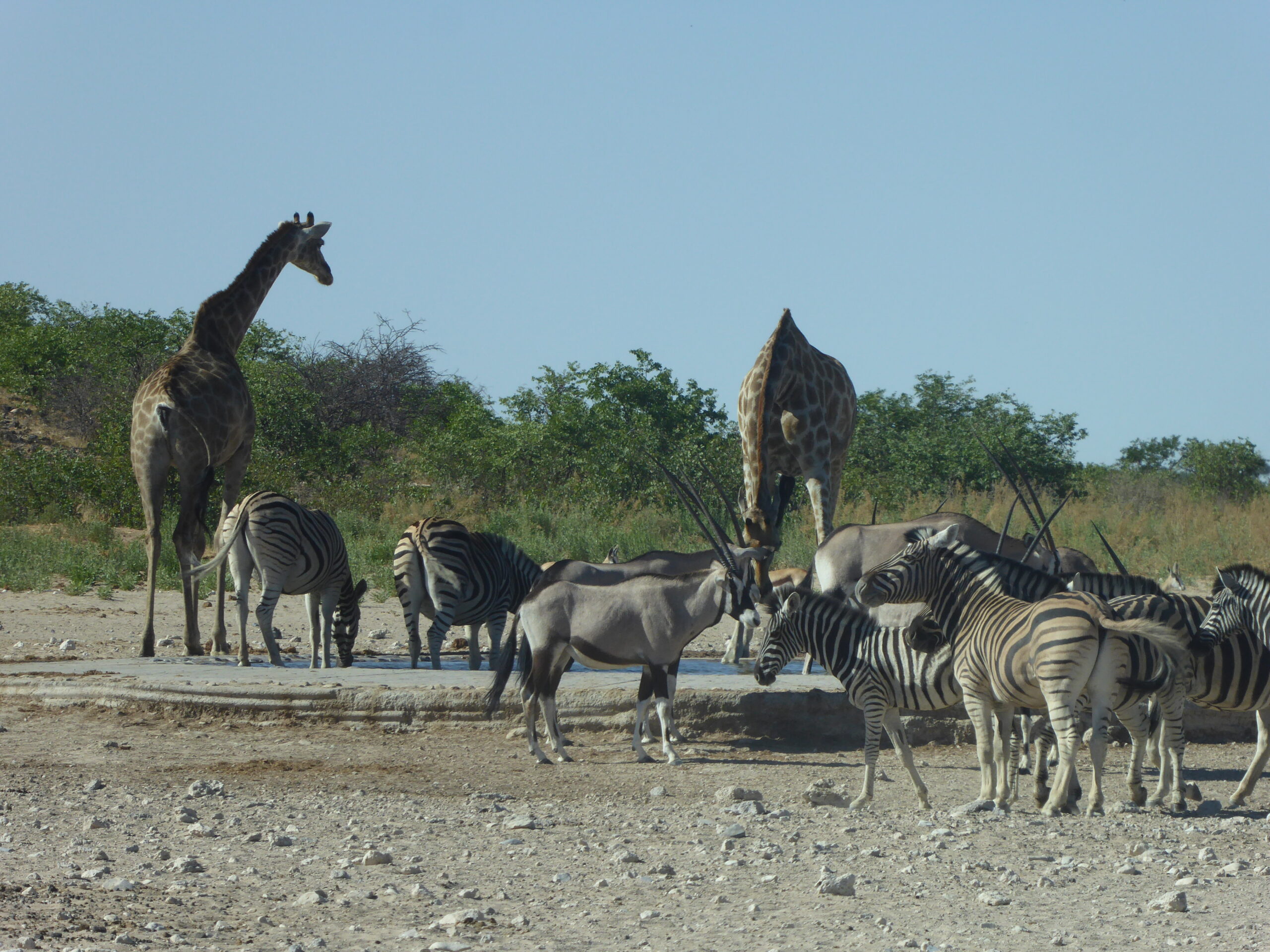
Elephant, giraffe and zebra
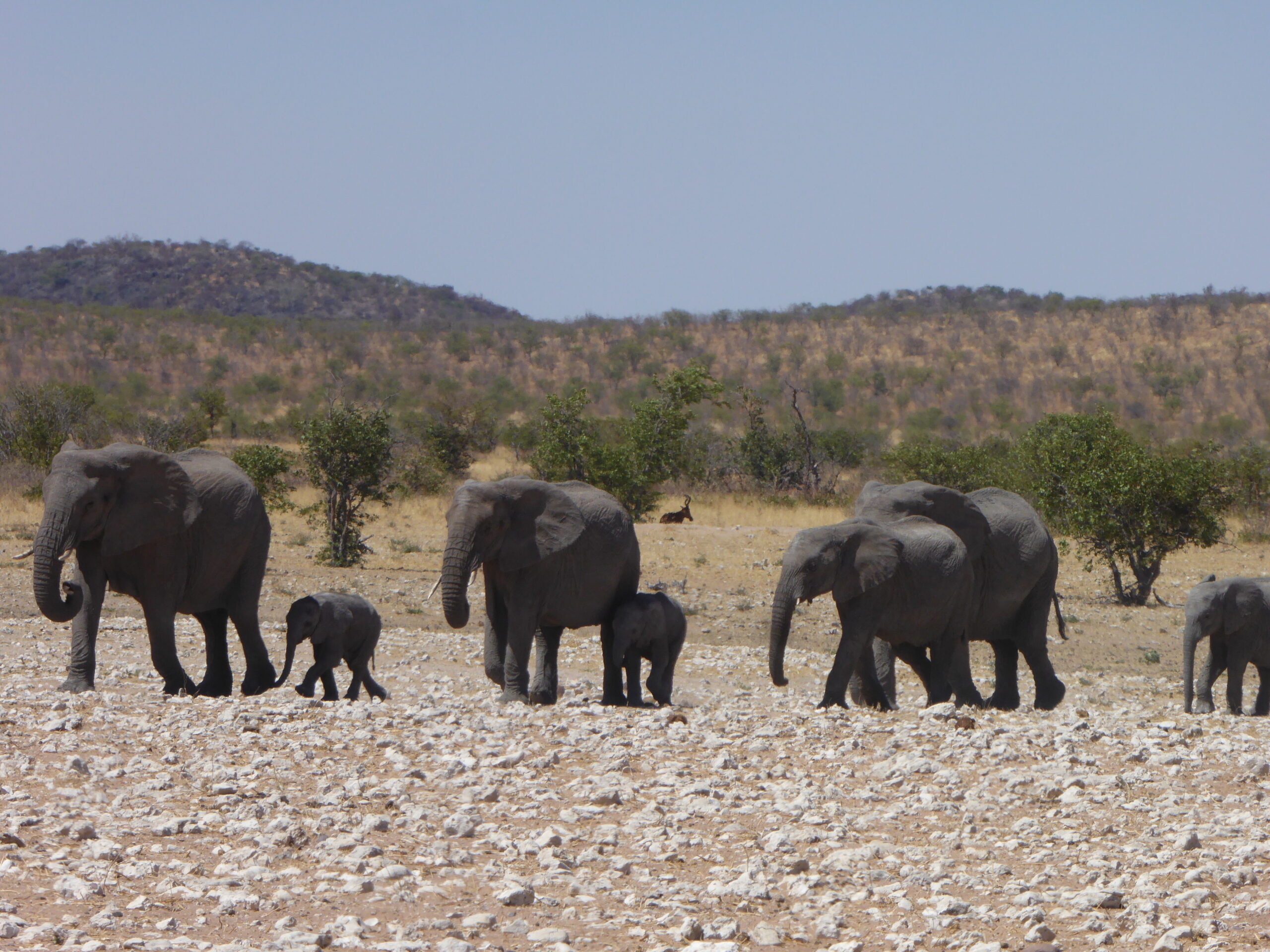
family visit
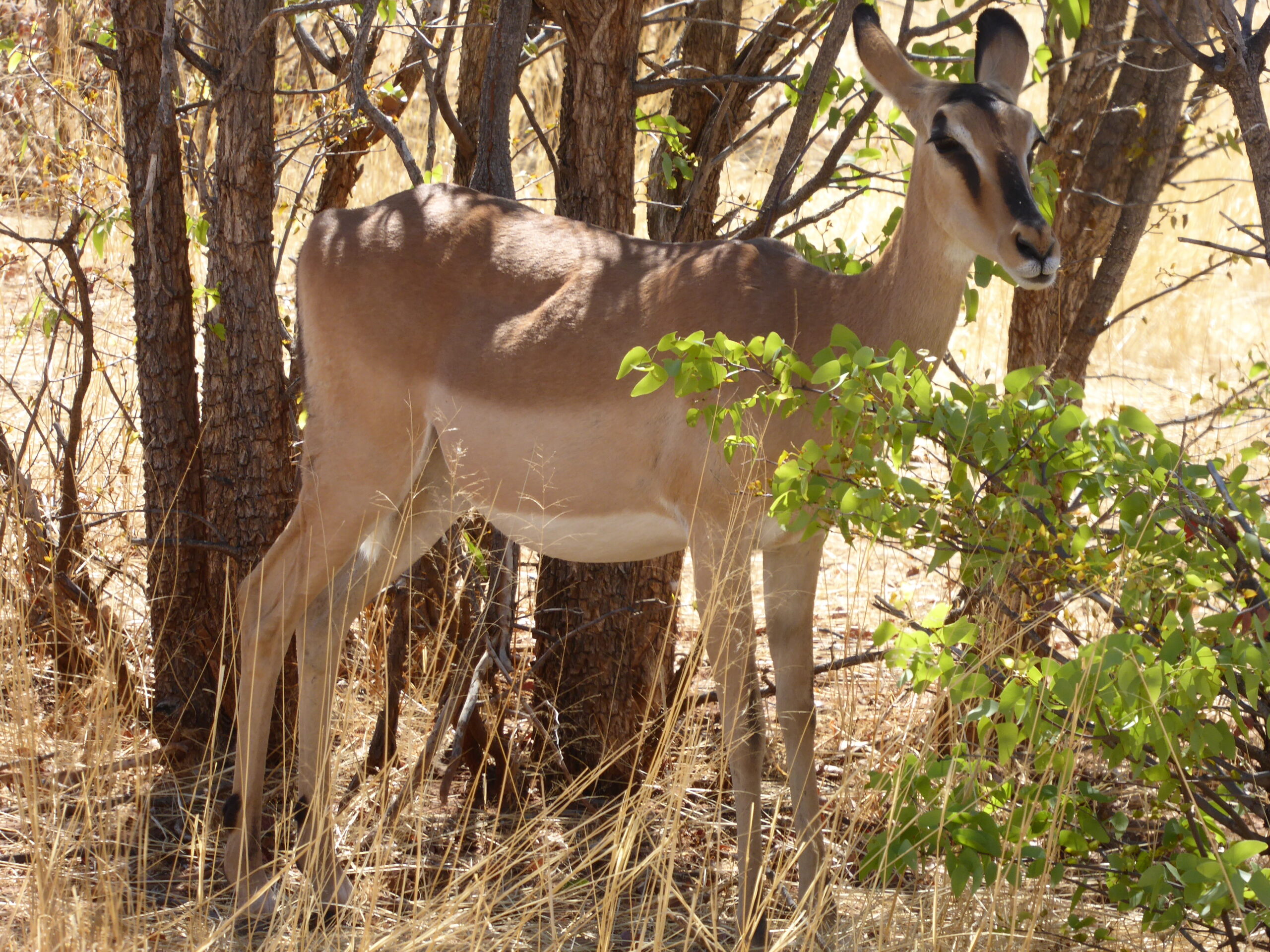
Seeking shelter – Springbok
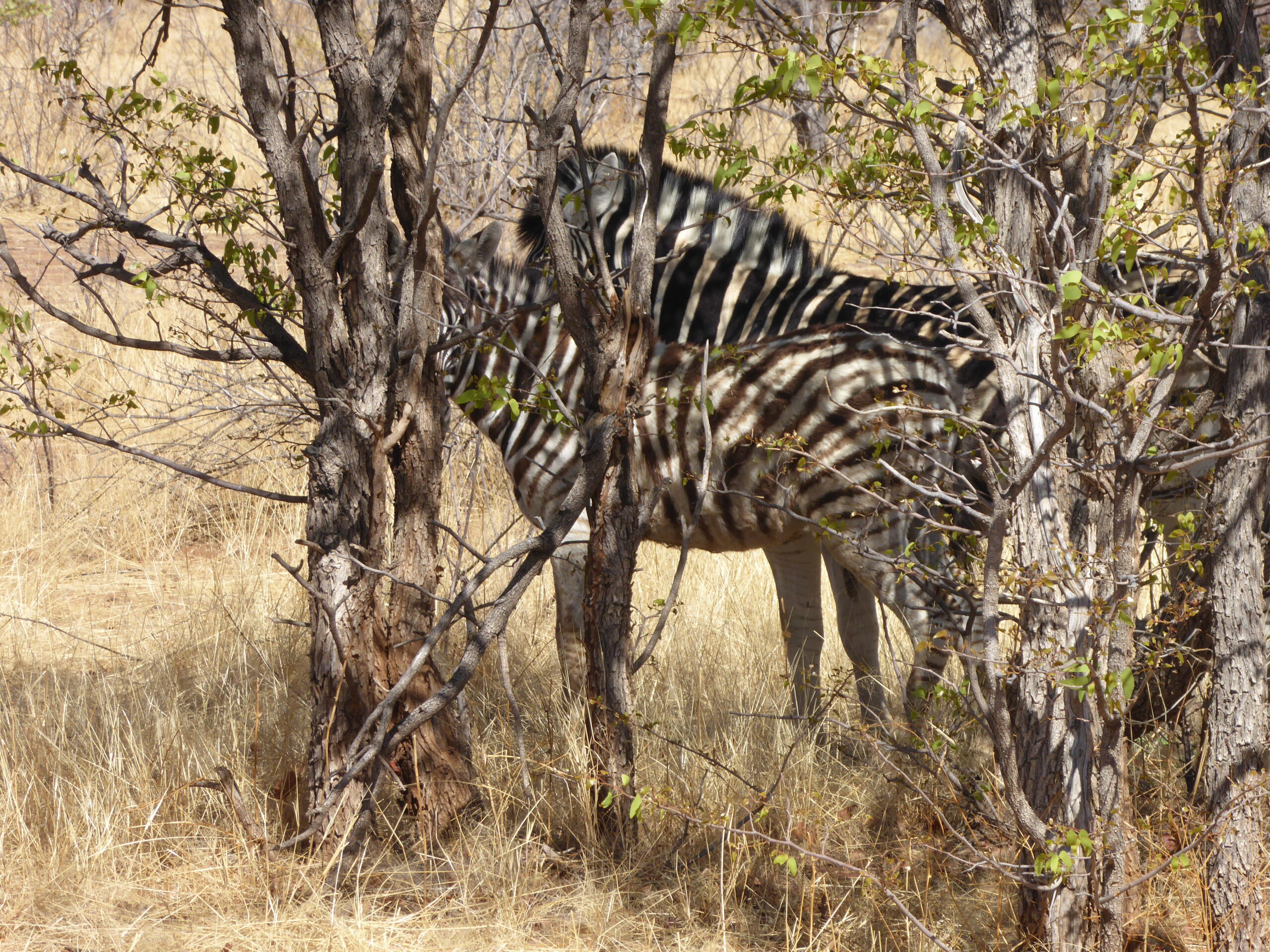
Camouflage
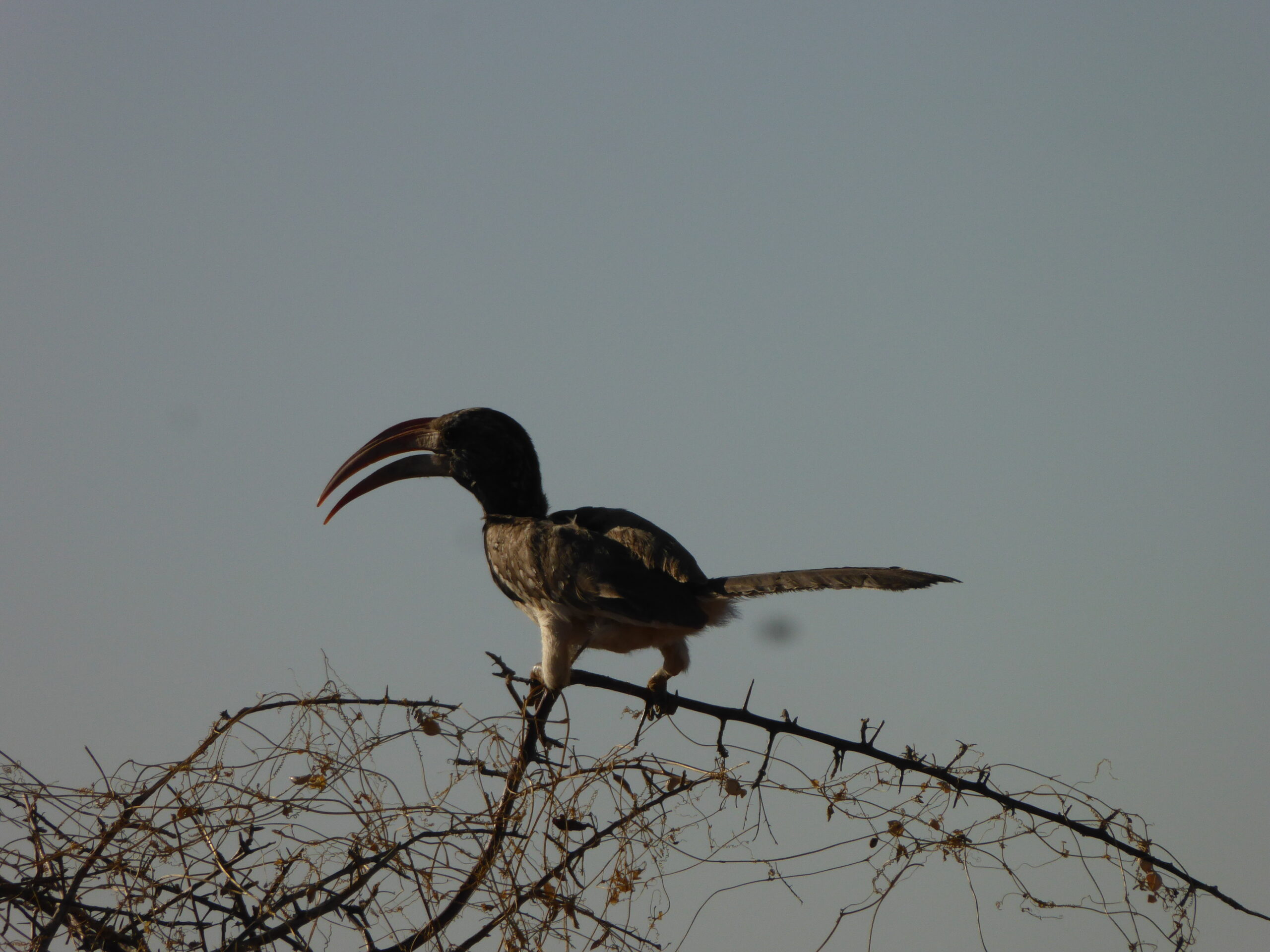
At the hotel Dolomite
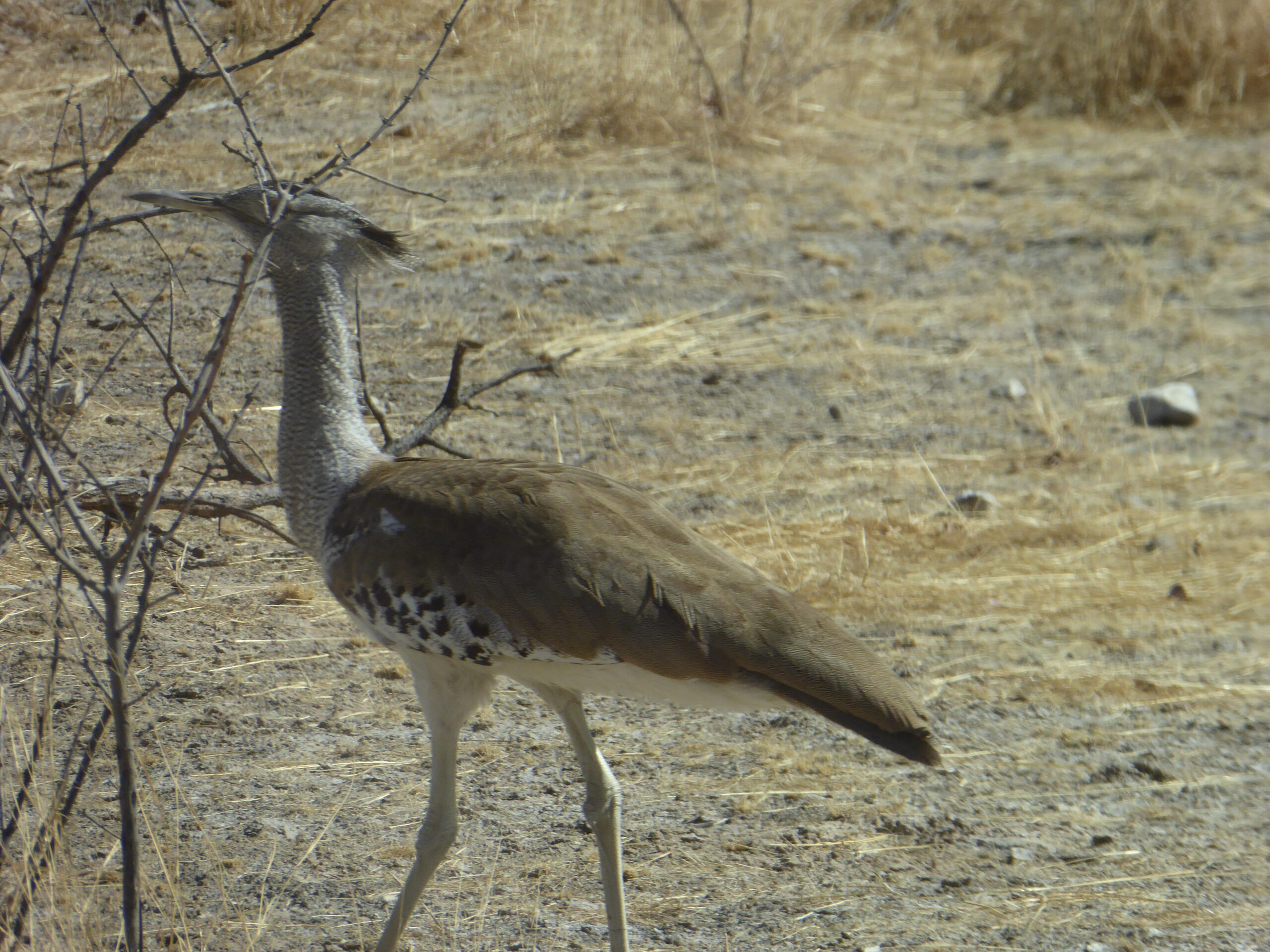
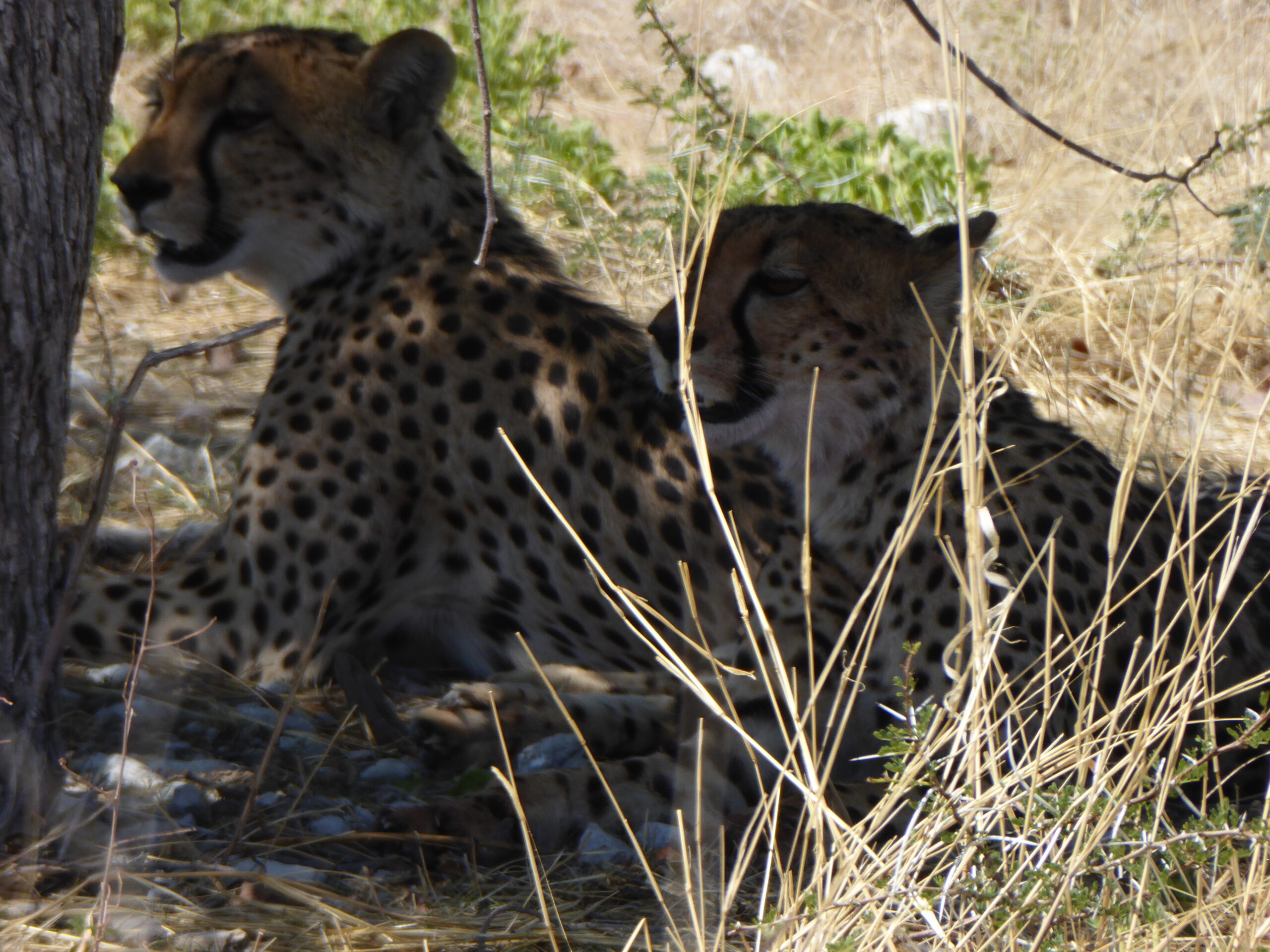
Cheetahs in the shade at the roadside
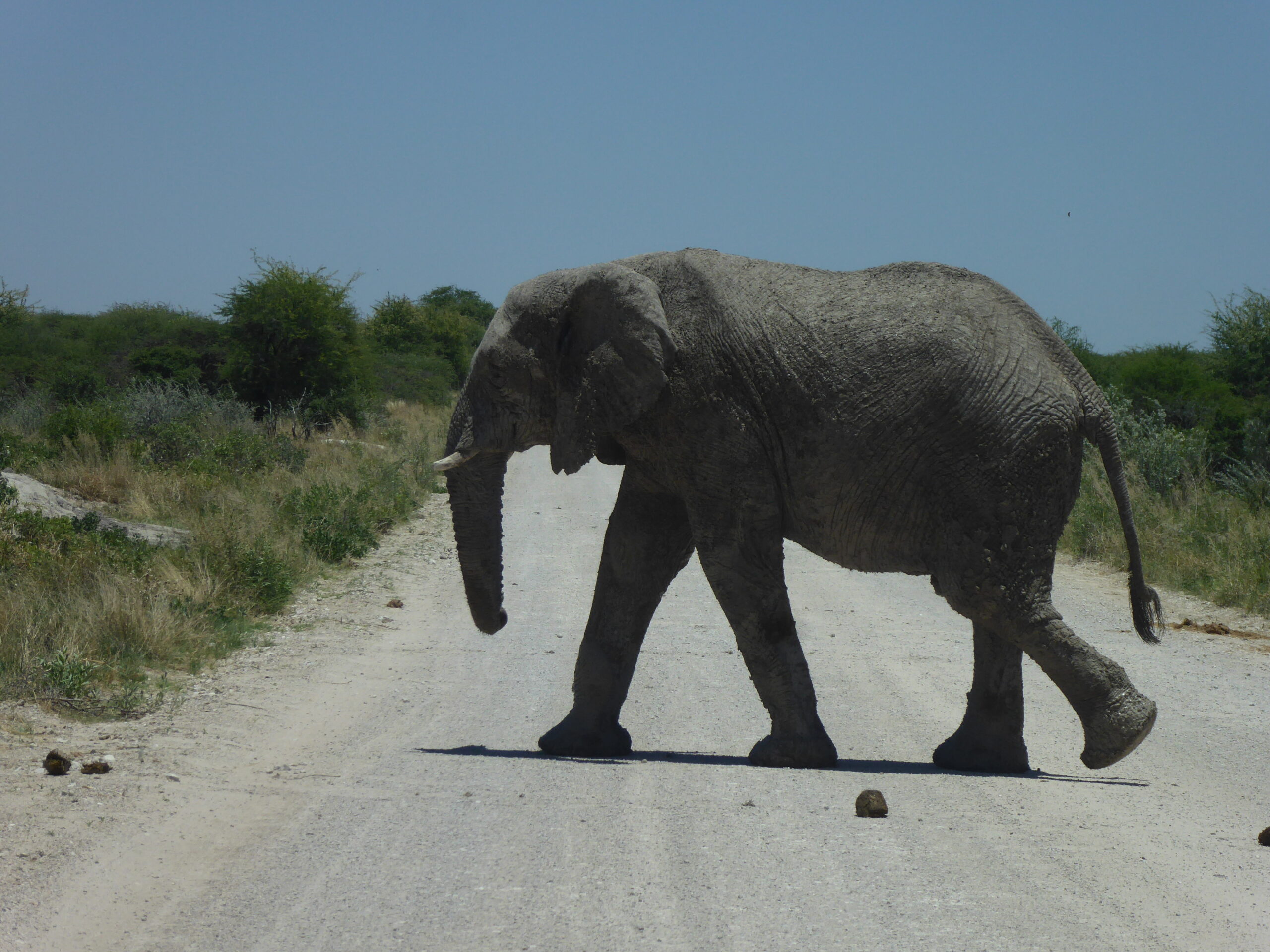
Elephant in the road
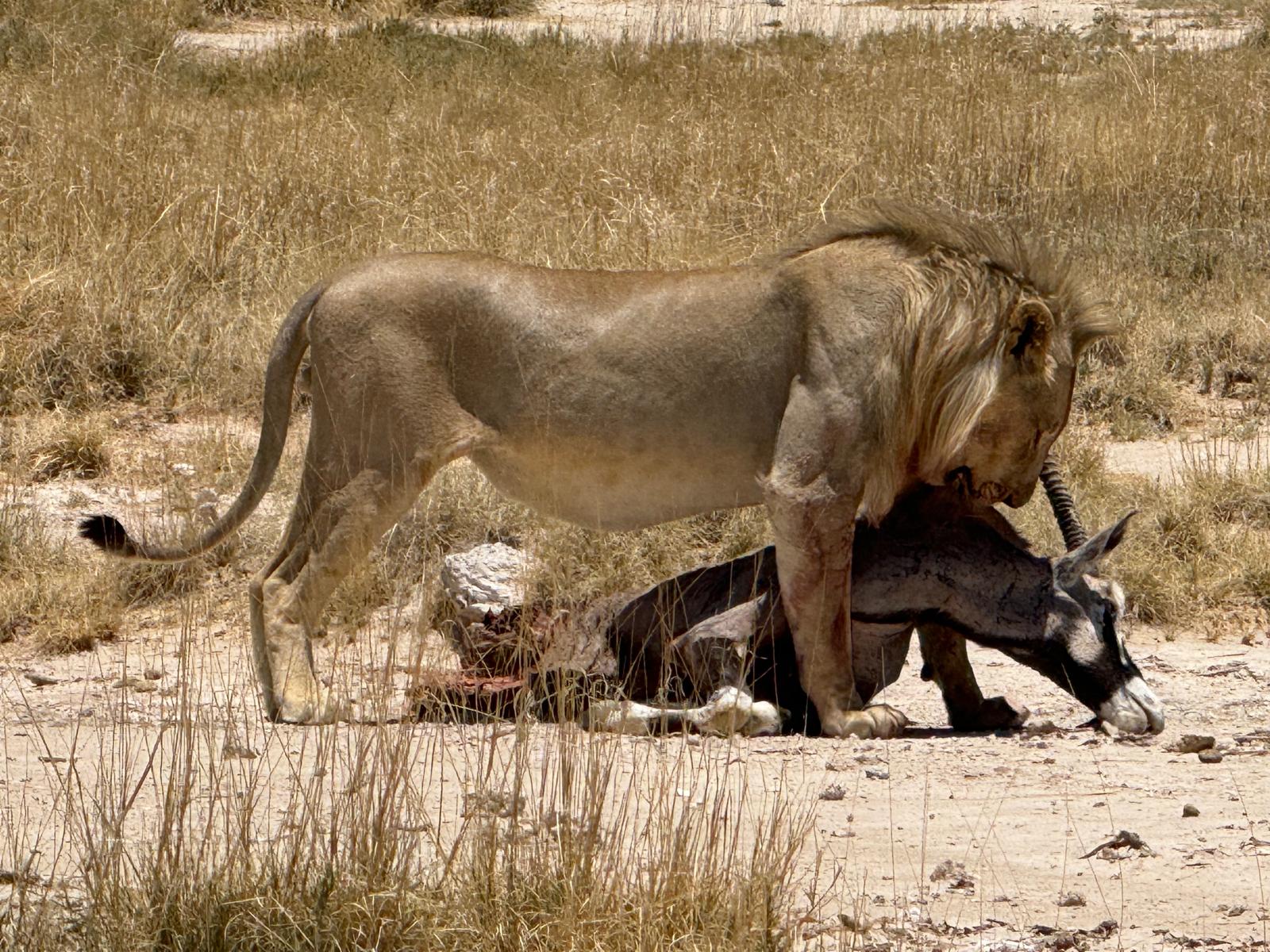
Lion wins!
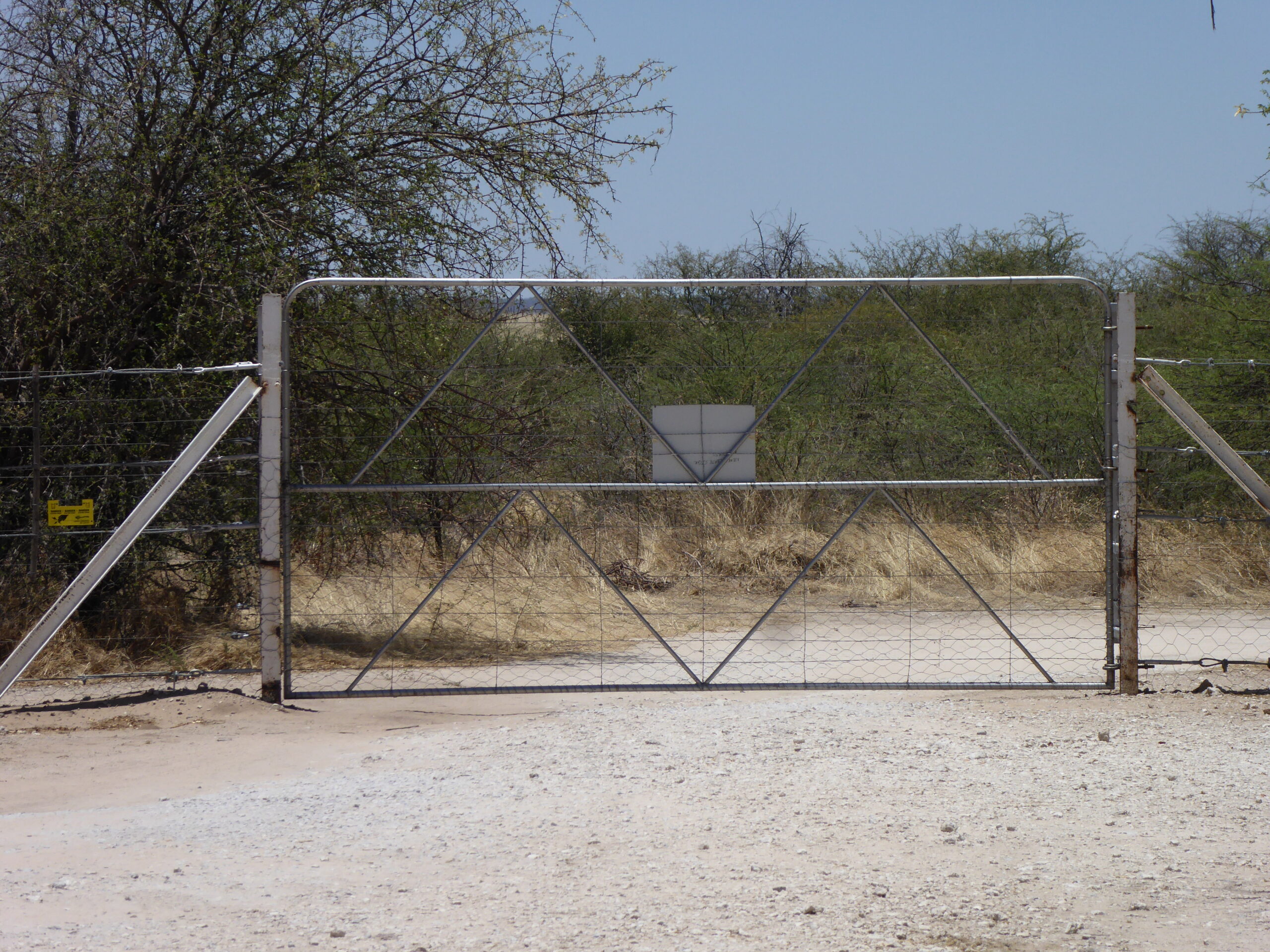
gate at rest area
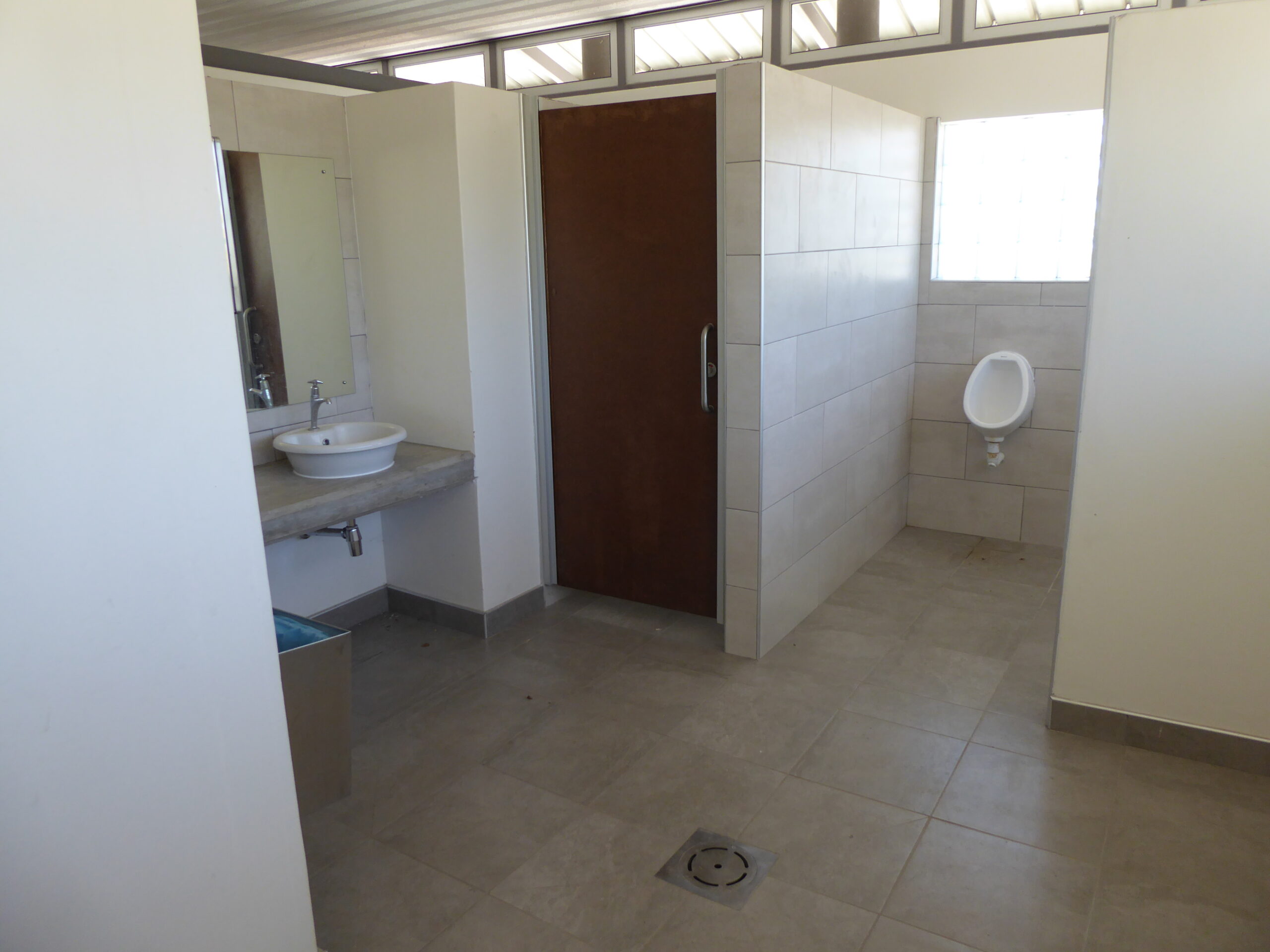
toilet block
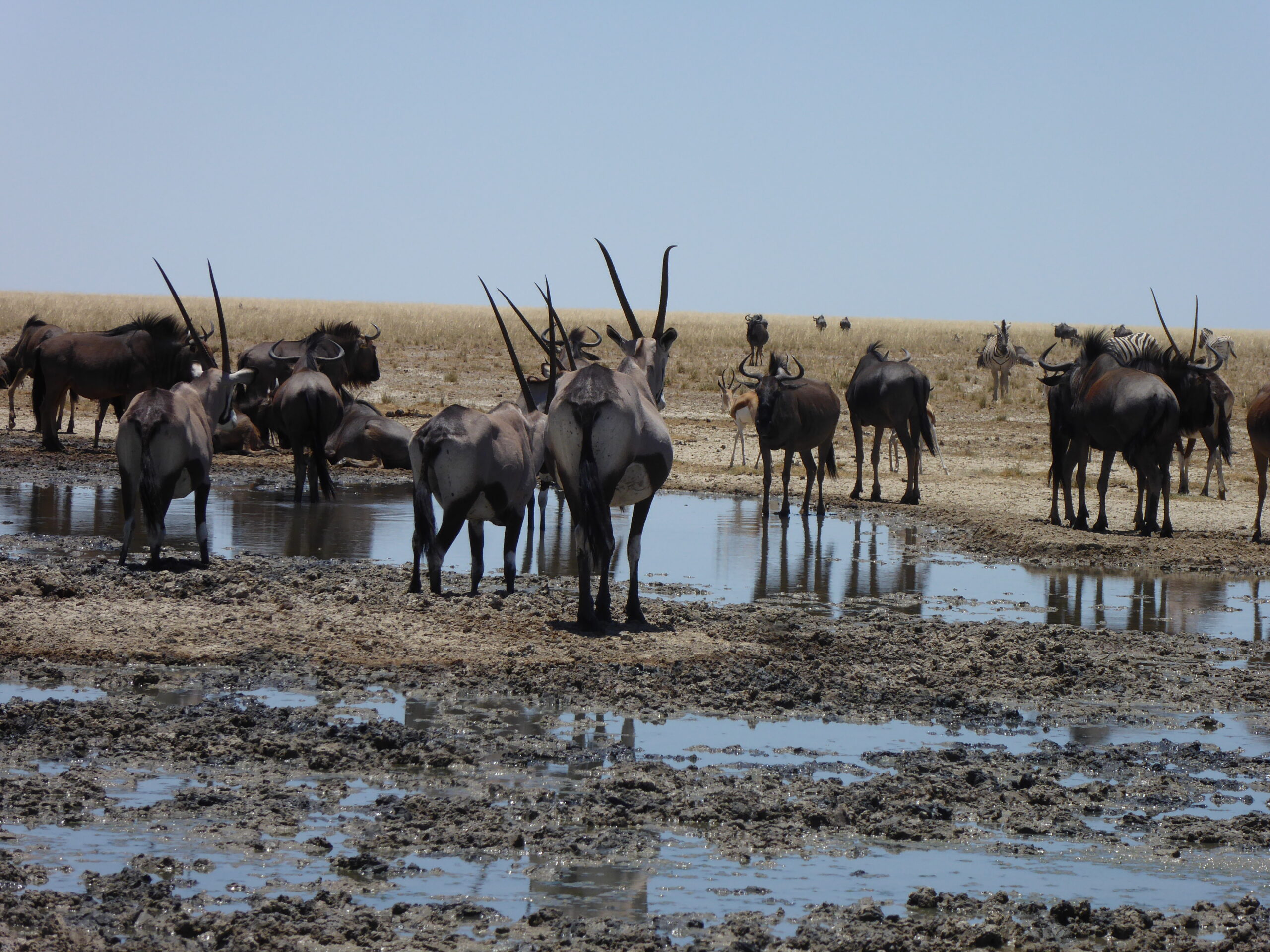
wildebeest and oryx
Continuing south vis Tsumeb, we visited the museum, mainly of German relics including many rescued from nearby Lake Otjikoto where the fleeing Germans dumped their supplies during WW1.
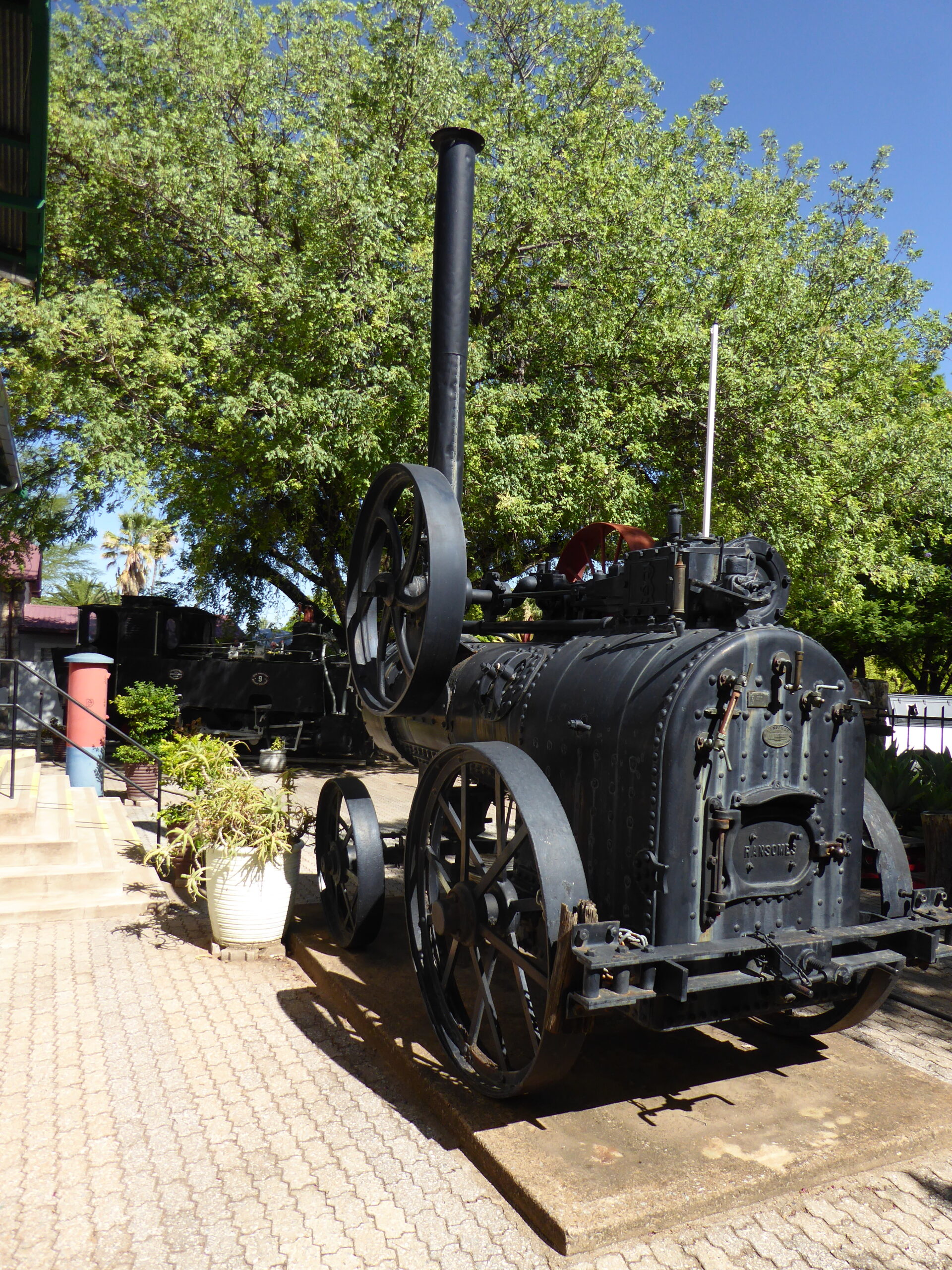
At Tsumeb museum – a Ransomes engine
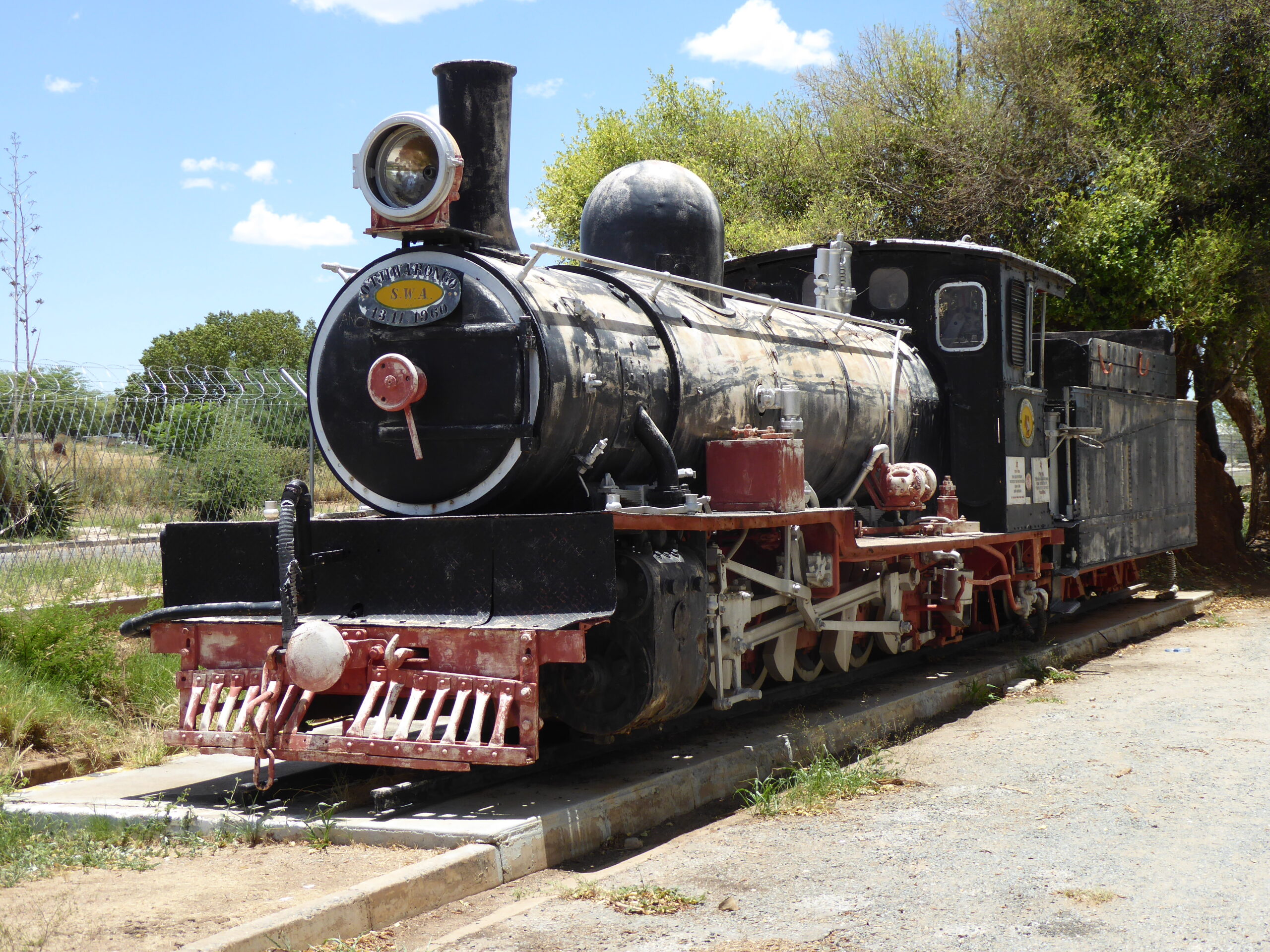
Slowly decaying – the cab roof rotting away
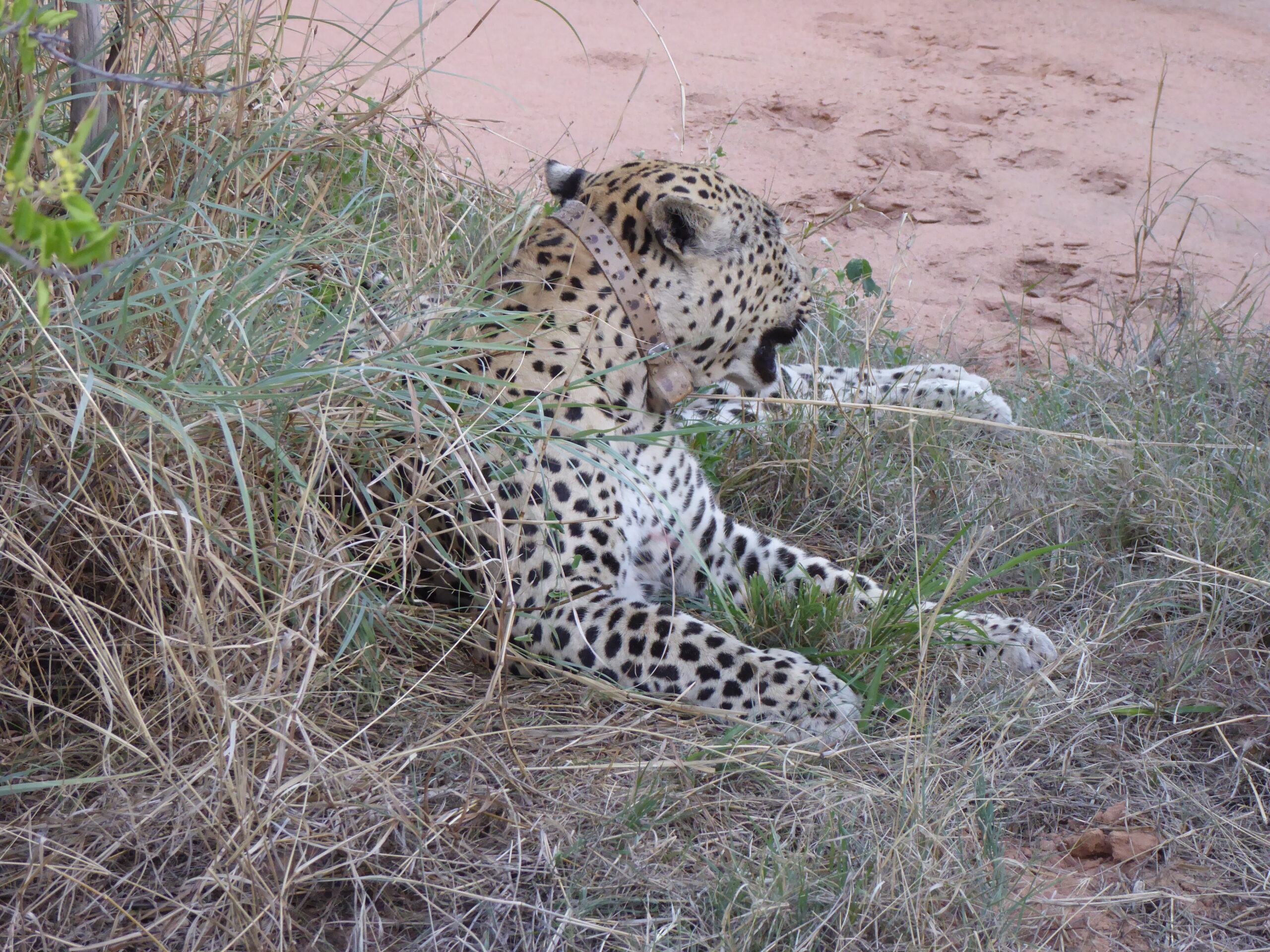
Sleepy Leopard
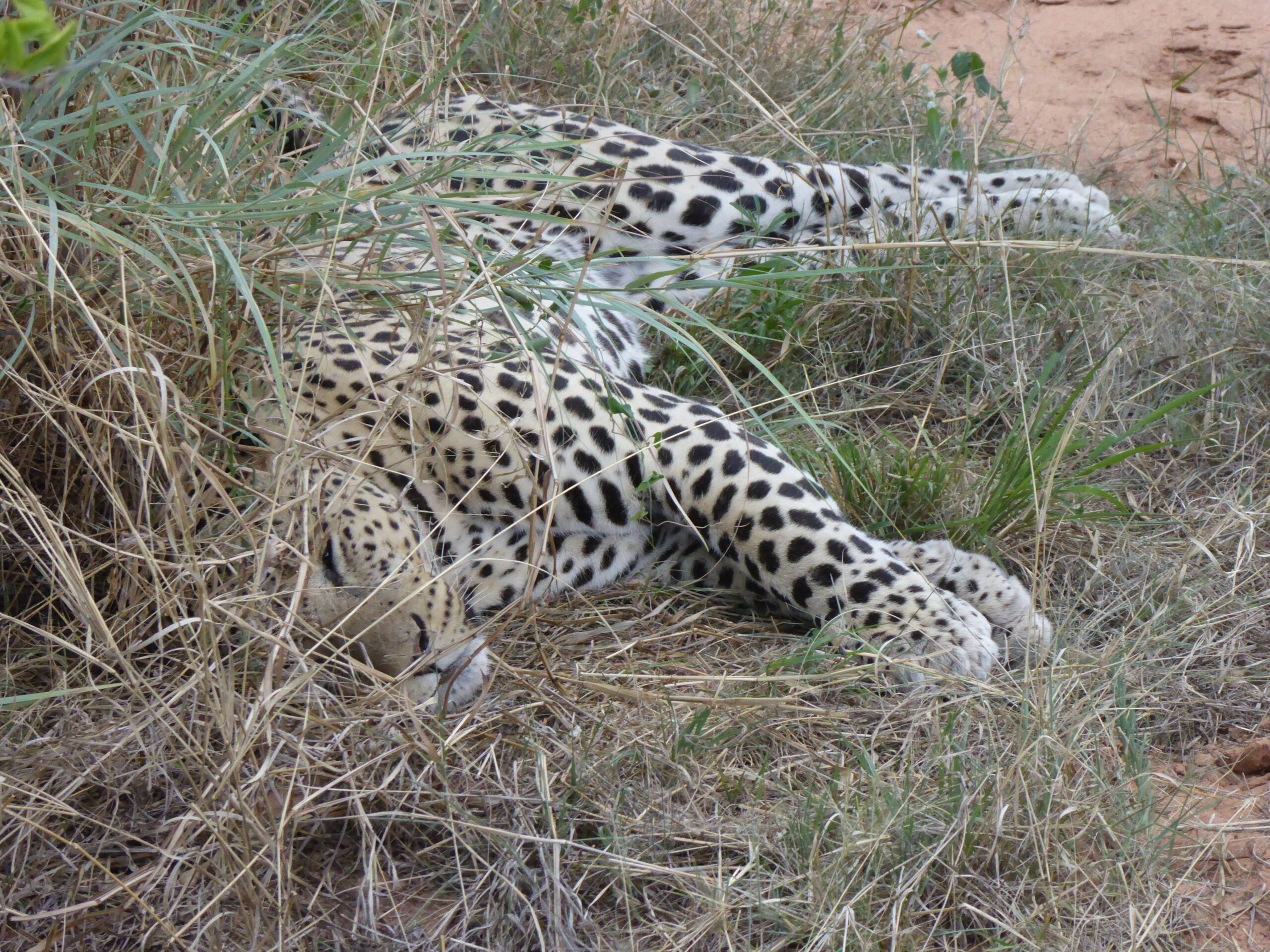
Peaceful until we rocked up!
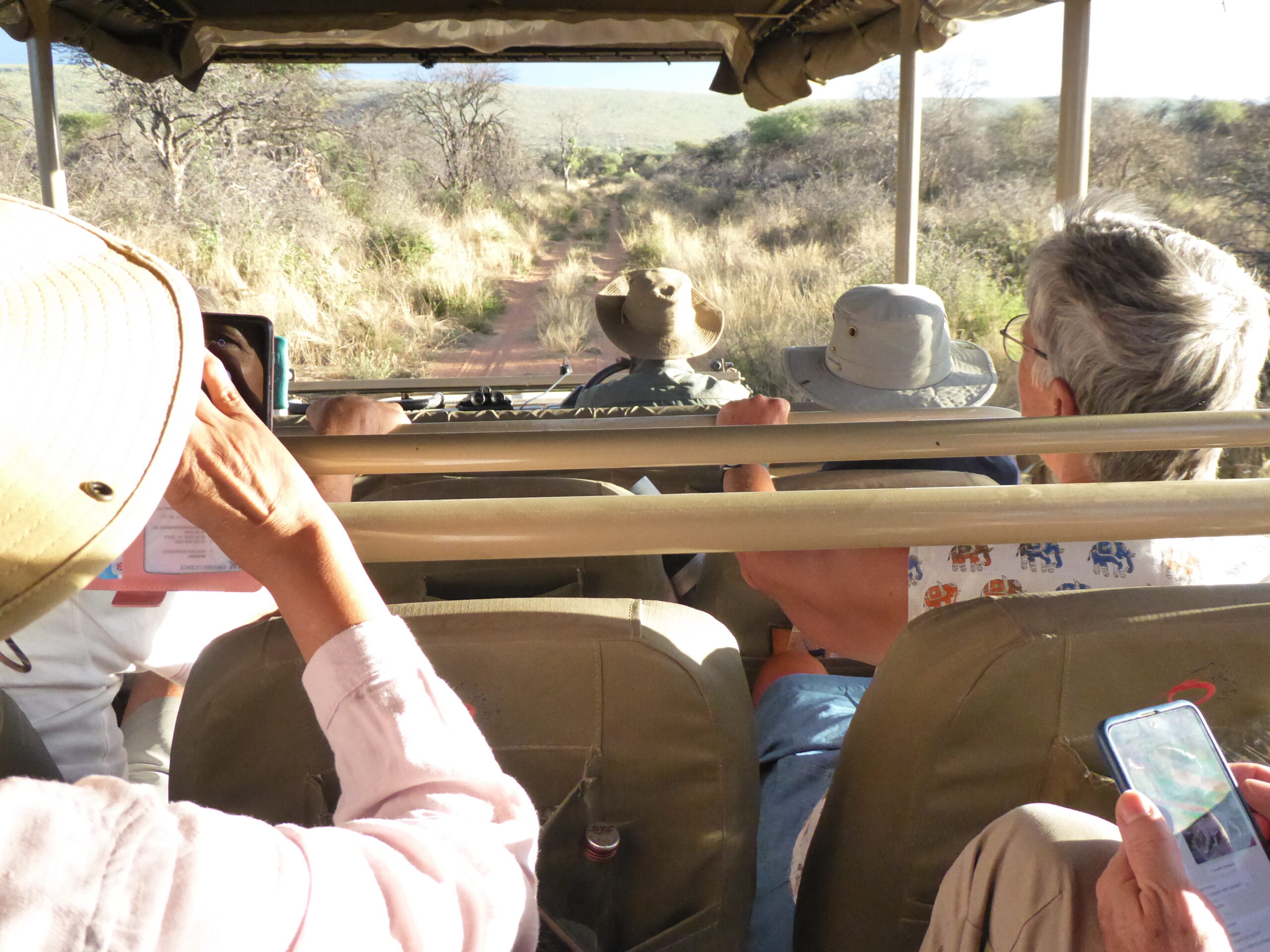
Hunting for leopard
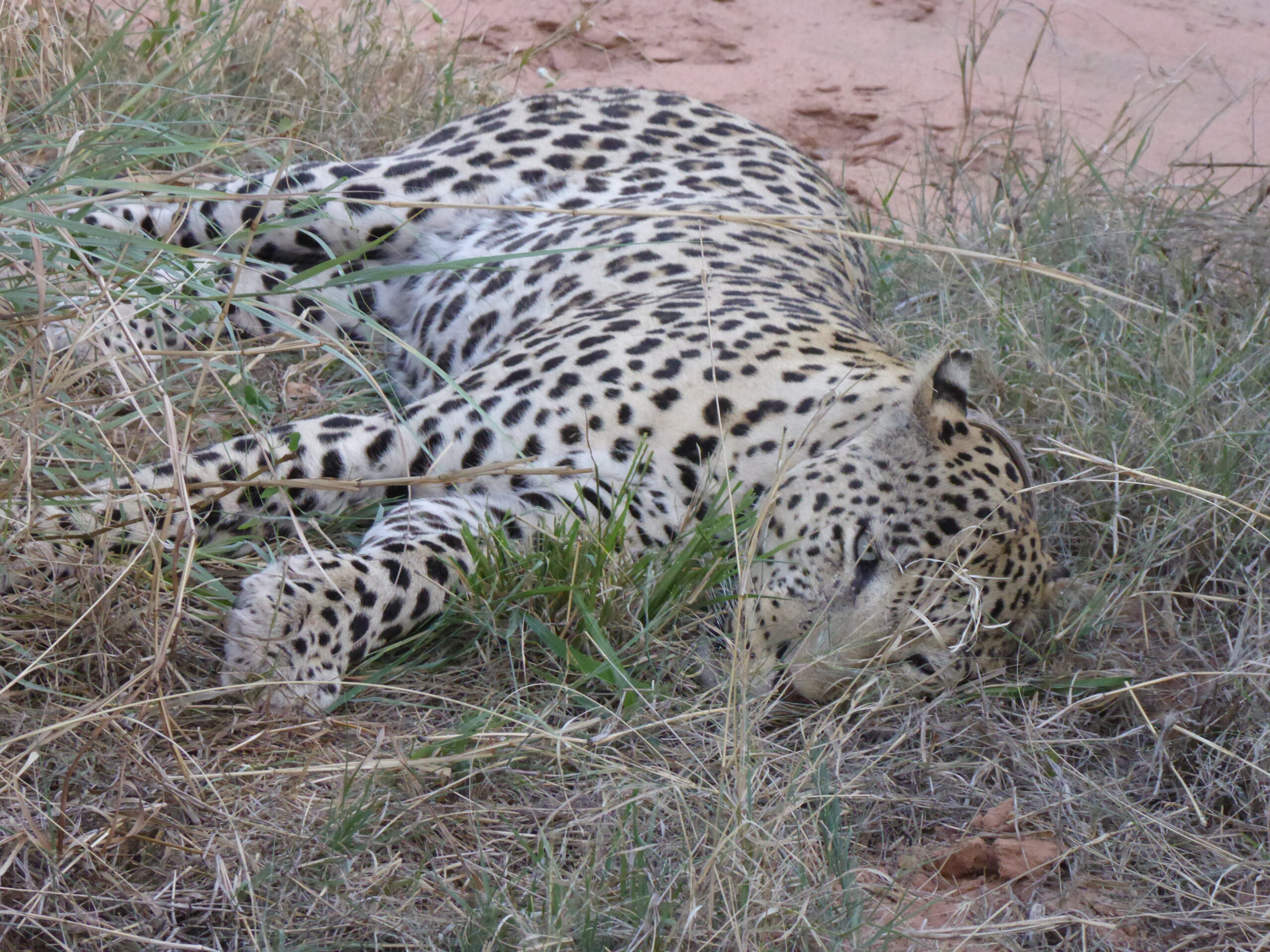
I can see you
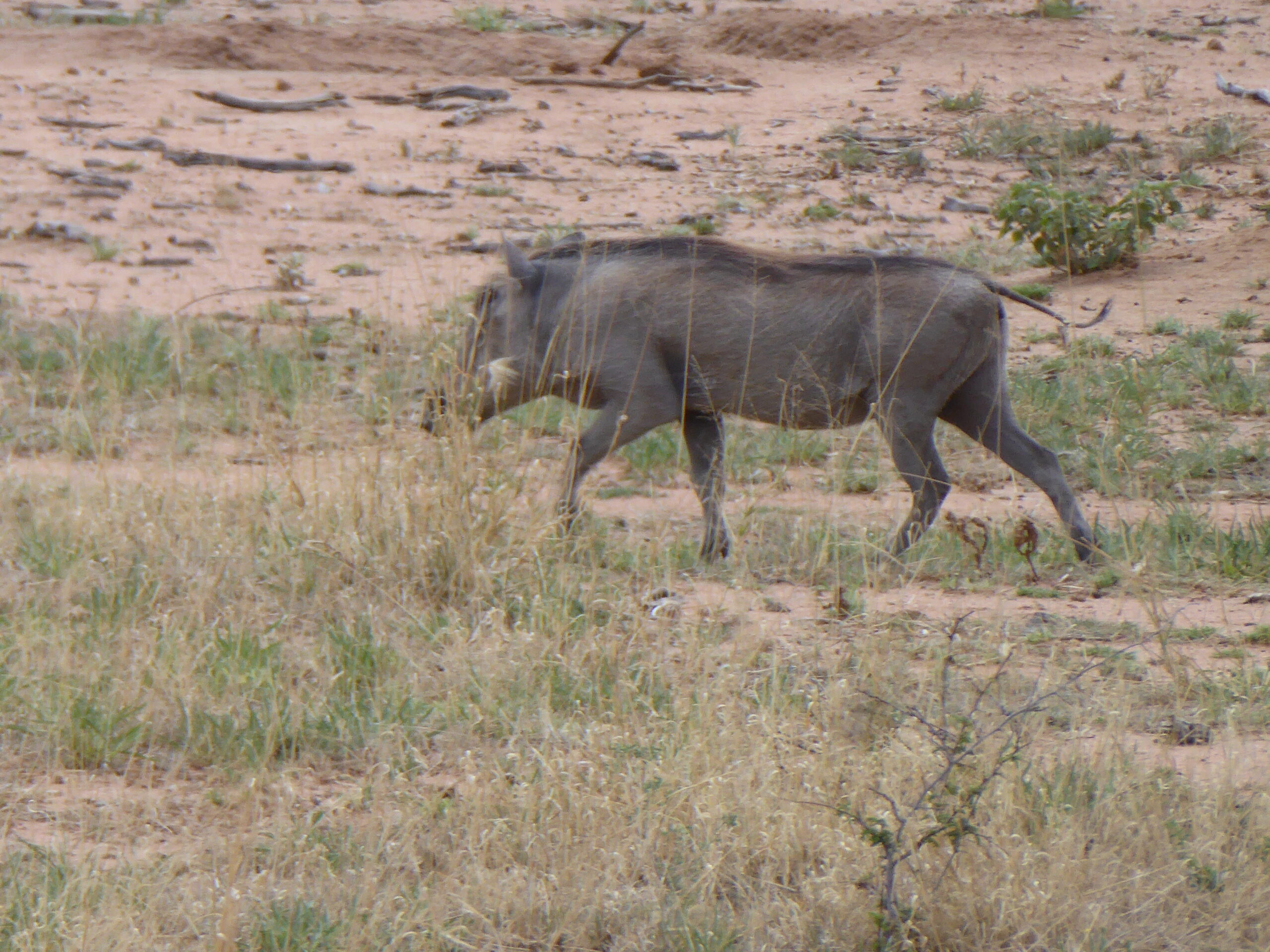
Warthog on a mission outside our patio
And a short hop to Windhoek, return of the trucks – no damage for us though one truck was damaged going off the road to avoid a collision with another of our group; also no punctures though the group did suffer nine or ten punctures overall. A short trip into Windhoek where the main street was closed for a Christmas market before an evening flight home.
Some other super photos taken by others in our party:
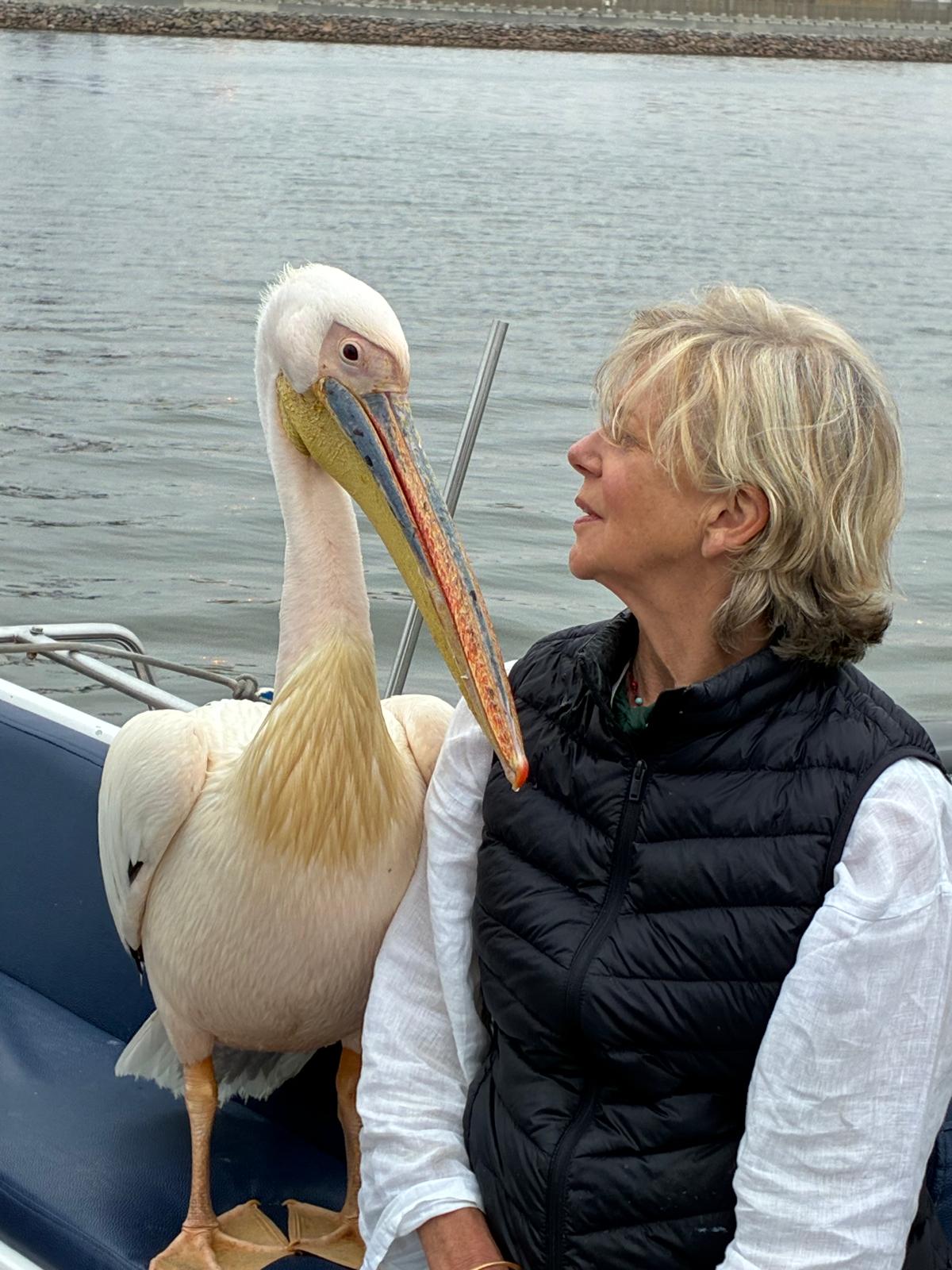
On the catamaran
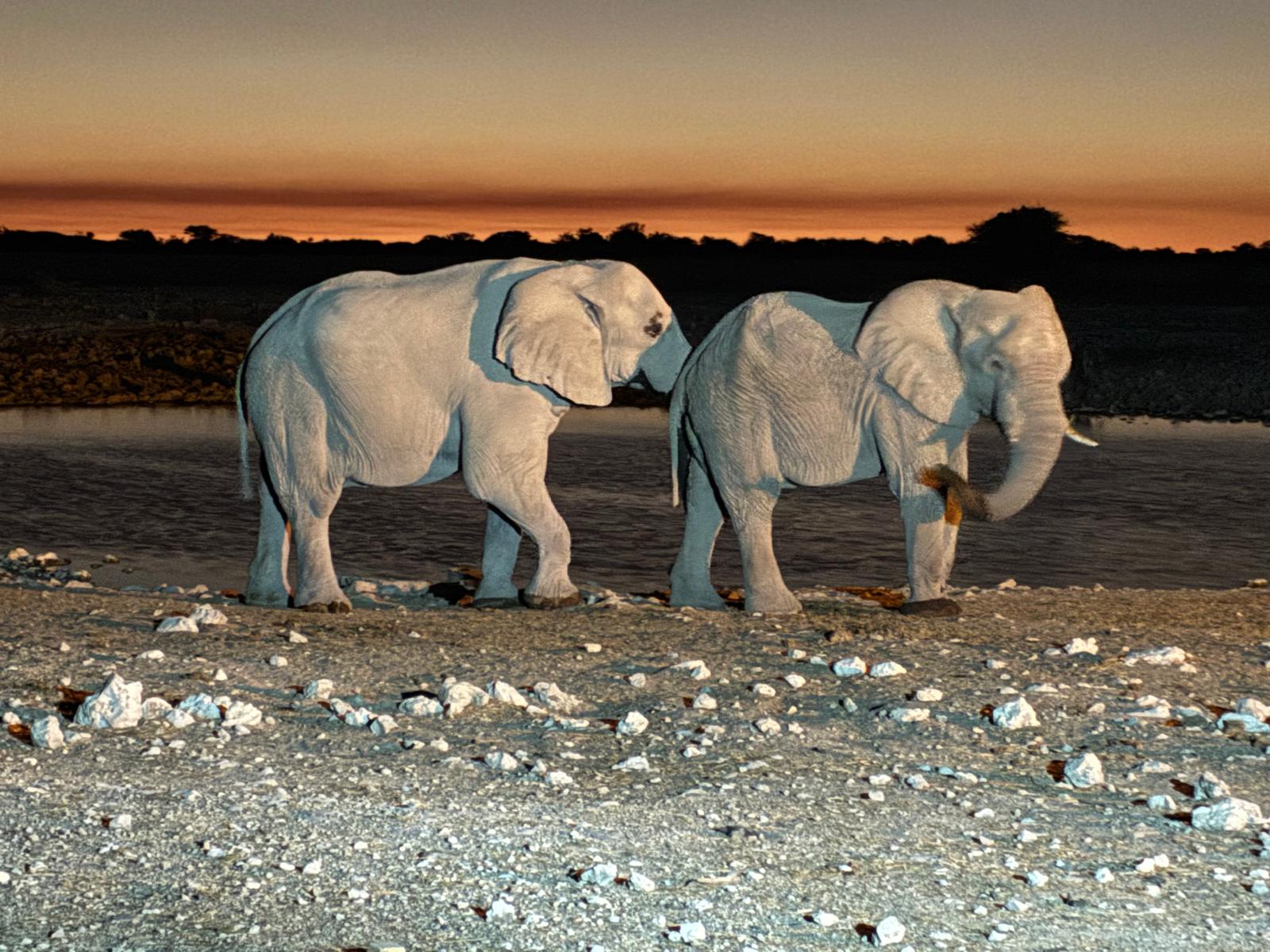
At Sussusvlei
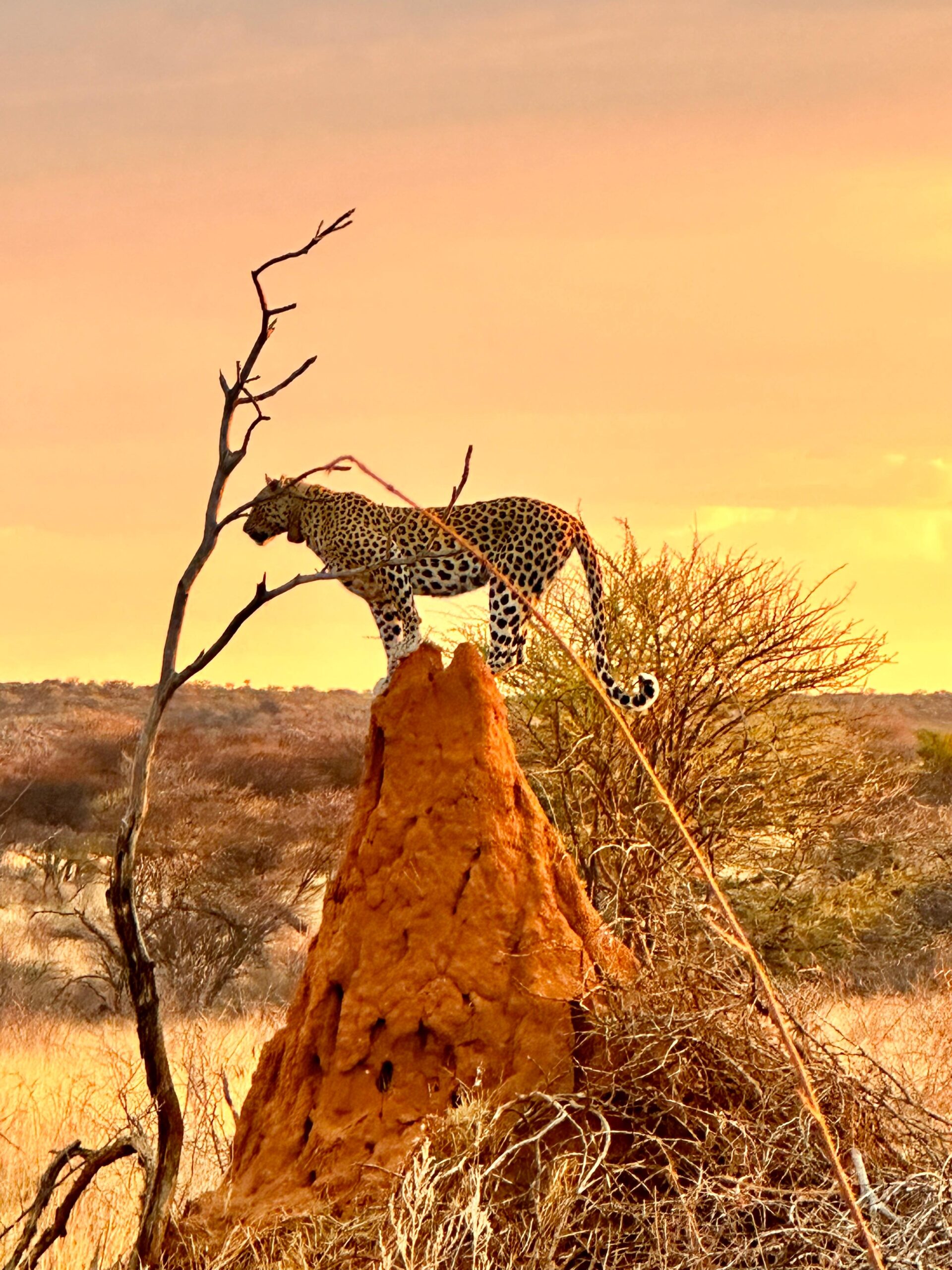
On a termite mound